

Are you looking for a furry friend that fits perfectly into your cozy home or busy lifestyle? Choosing a dog that stays small can make a big difference in how easily you manage daily walks, playtime, and even travel.
But with so many breeds out there, how do you know which ones will stay pint-sized without surprising you with unexpected growth? You’ll discover the best dog breeds that remain small, making them ideal companions for apartments, families, and anyone who loves a pocket-sized pal.
Keep reading to find the perfect tiny dog that matches your life and heart.

Credit: dog-jogs.ca
Benefits Of Small Dog Breeds
Small dog breeds offer many benefits for pet owners. Their size makes them easy to handle and care for. These dogs fit well in many lifestyles and homes. They bring joy without requiring too much space or effort.
People with busy lives or limited space often choose small dogs. These breeds adapt well and make great companions. Understanding their benefits helps in picking the right pet.
Easy Apartment Living
Small dogs need less space to move around. They are perfect for apartment or condo living. These breeds do not need large yards or outdoor areas. They can stay happy and healthy indoors. Small dogs also make less noise, causing fewer problems with neighbors.
Lower Maintenance Needs
Small dogs usually eat less food than bigger dogs. Their grooming needs are often simpler and quicker. They require less exercise but still enjoy playtime. Cleaning up after small dogs takes less time. These pets save money on food and supplies.
Travel-friendly Companions
Small dogs are easy to carry and transport. They fit well in carriers and small spaces. Traveling with them is less stressful and more practical. They can join you on trips without much hassle. Many airlines allow small dogs in the cabin with owners.
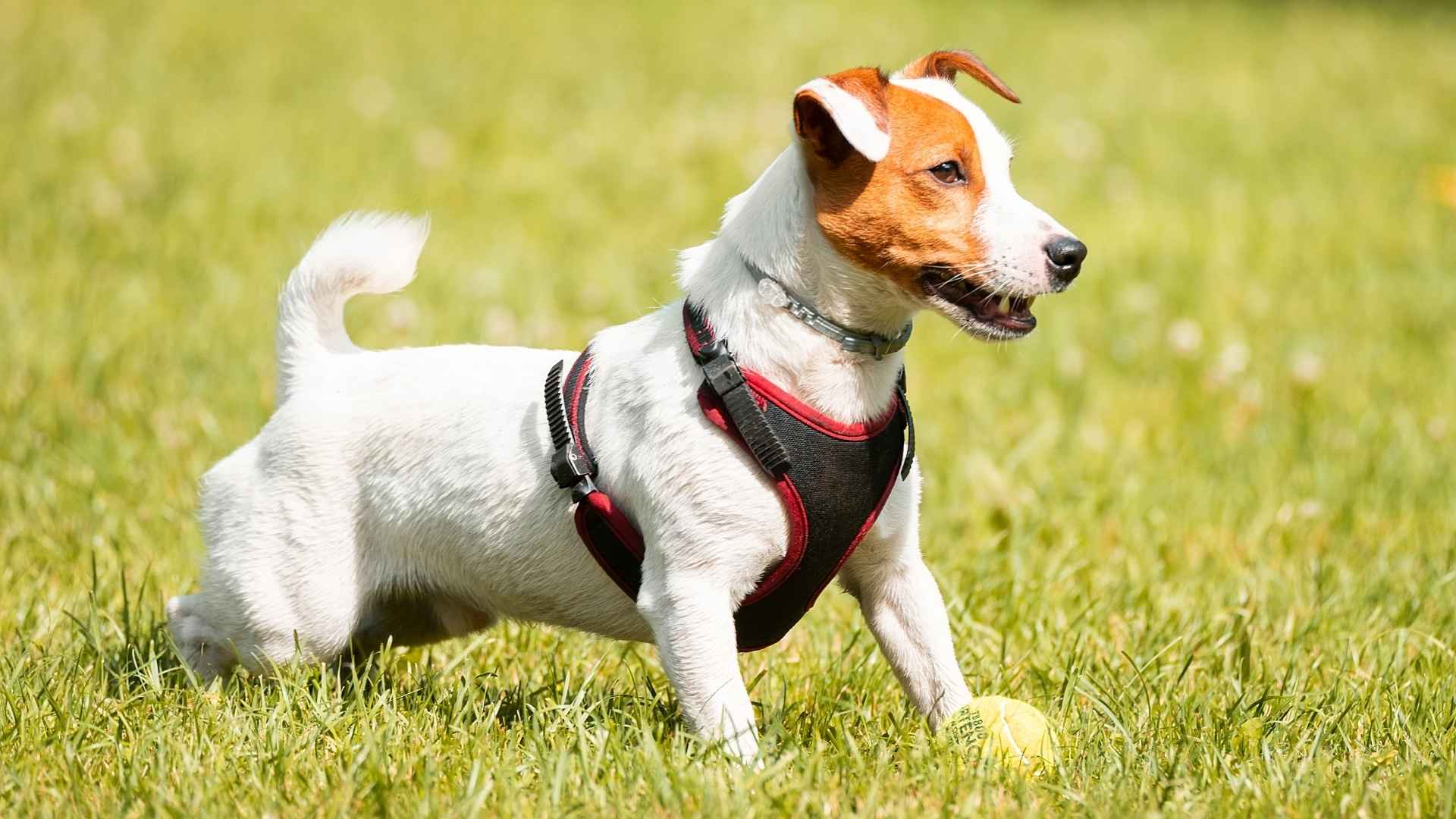
Credit: worldanimalfoundation.org
Popular Tiny Dog Breeds
Tiny dog breeds are perfect for small homes and apartments. They need less space and less food. These dogs often have big personalities in small bodies. Many people love them for their cuteness and easy care.
Small dogs can be great companions. They are easy to carry and travel with. Popular tiny dog breeds have unique traits and charm. Let’s explore some of the most loved small dogs.
Chihuahua
The Chihuahua is one of the smallest dog breeds. They usually weigh between 2 and 6 pounds. This breed is very loyal and alert. Chihuahuas are known for their big eyes and ears. They enjoy being close to their owners. These dogs are brave despite their size.
Pomeranian
Pomeranians are fluffy and full of energy. They weigh around 3 to 7 pounds. Their thick fur makes them look larger than they are. Pomeranians are playful and smart dogs. They like to learn new tricks. These dogs make great watchdogs due to their alertness.
Yorkshire Terrier
Yorkshire Terriers, or Yorkies, weigh about 4 to 7 pounds. They have silky, long hair that needs care. Yorkies are very curious and lively. They enjoy attention and love to play. This breed is good for people who want a small, active dog.
Small Dogs With Unique Traits
Small dogs often bring big personalities into our homes. Some breeds stand out because of their unique traits. These special features make them great companions for many families. They stay small but have charm and character that shine bright.
These small breeds fit well in apartments and small spaces. Their distinct looks and behaviors make them easy to love. Let’s explore some small dogs with unique traits.
French Bulldog
French Bulldogs have a sturdy, compact body with bat-like ears. Their friendly nature makes them excellent pets. They rarely bark, which is great for quiet homes. These dogs love to relax and enjoy cuddles. Their easygoing attitude suits many lifestyles.
Dachshund
Dachshunds have a long body and short legs. This unusual shape helps them dig and hunt small animals. They are brave and curious, often acting like bigger dogs. Dachshunds can be stubborn but loyal. Their playful spirit keeps owners entertained.
Shih Tzu
Shih Tzus have a beautiful, flowing coat that needs regular care. They are friendly and alert, making good watchdogs. These dogs enjoy being around people and other pets. Shih Tzus are gentle and love attention. Their charming face and happy nature win hearts easily.
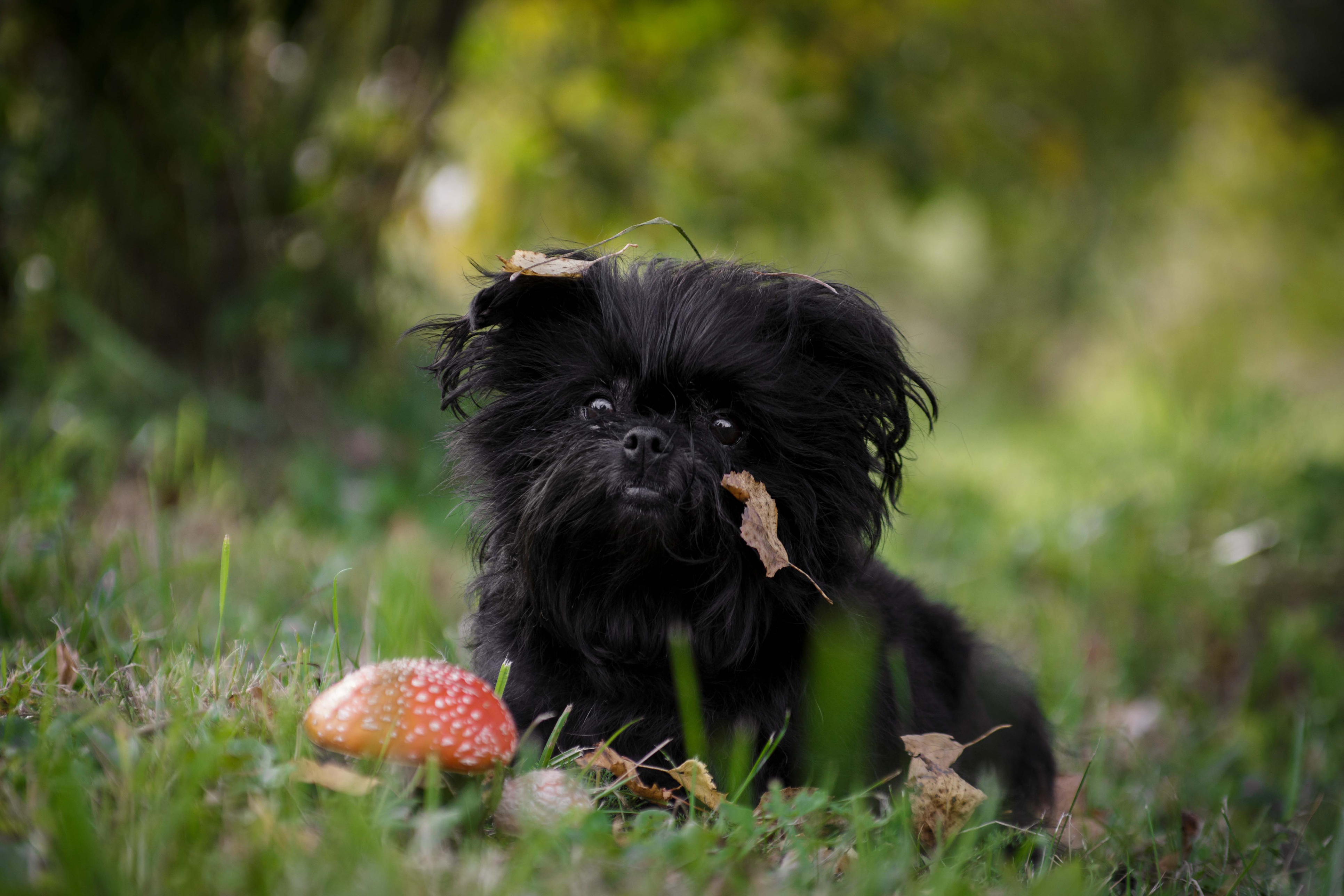
Credit: www.newsweek.com
Choosing The Right Small Dog
Choosing the right small dog can bring joy and companionship to your life. Small dogs fit well in apartments and smaller homes. They need less space but still require love and attention. Understanding what to expect helps you pick a dog that suits your lifestyle. Consider their personality, care needs, and health before making a choice.
Temperament And Energy Levels
Small dog breeds vary in behavior. Some are calm and gentle, while others are lively and playful. Think about how active you want your dog to be. Active dogs need more exercise and playtime. Quiet dogs enjoy relaxing and cuddling. Match your energy with your dog’s to keep both happy.
Grooming Needs
Grooming needs differ among small breeds. Some have short fur that needs little care. Others have long hair requiring regular brushing. Frequent grooming prevents mats and keeps fur healthy. Consider your time and budget for grooming before choosing a breed. Clean ears, trimmed nails, and dental care matter too.
Health Considerations
Small dogs can face specific health issues. Some breeds have breathing problems or joint issues. Learn about common health concerns for the breeds you like. Regular vet visits help catch problems early. Healthy food and exercise keep your dog strong. Choose a breed with fewer health risks for a longer life.
Caring For Tiny Dogs
Tiny dogs bring joy and charm to many homes. Caring for these small breeds needs special attention. Their small size means their needs differ from bigger dogs. Proper care helps them live happy, healthy lives.
Understanding their diet, exercise, and health checks is key. This section guides you on how to care well for tiny dogs.
Feeding And Nutrition
Tiny dogs need food made for small breeds. Their meals must be rich in nutrients but low in calories. Small bites help prevent choking. Feed them two to three small meals daily. Avoid giving too many treats. Fresh water must always be available.
Exercise Requirements
Small dogs need exercise but in smaller amounts. Short walks and gentle play keep them fit. Avoid overexertion as their bodies are delicate. Mental games also help keep them active. Regular activity prevents weight gain and boredom.
Regular Vet Visits
Frequent vet visits are important for tiny dogs. They can catch health problems early. Keep up with vaccinations and dental care. Regular check-ups protect against common small dog issues. Your vet can also advise on diet and exercise.
Training Tips For Small Dogs
Training small dogs requires patience and clear methods. Their size does not mean less training is needed. Small dogs have unique needs and behaviors. Understanding these helps create a good training plan. Here are key tips to help train small dog breeds effectively.
Housebreaking Challenges
Small dogs often have small bladders. They need more frequent bathroom breaks. Consistency is very important for housebreaking success. Use a set schedule for bathroom times. Reward your dog immediately after they go outside. Avoid punishment for accidents inside the house. Clean accidents well to remove odors. This stops repeat accidents in the same spot.
Socialization Strategies
Small dogs may feel scared around big dogs. Early socialization helps reduce this fear. Introduce your dog to new people and pets gently. Choose calm environments to start socializing. Praise your dog for calm behavior. Socialization helps your dog stay confident and happy. It prevents fear and aggression later in life.
Basic Commands
Start training with simple commands like sit, stay, and come. Use treats and praise to motivate your dog. Keep training sessions short and fun. Repeat commands clearly and consistently. Small dogs learn best with positive rewards. Practice commands daily in different places. This makes your dog listen even with distractions.
Common Myths About Small Dogs
Small dogs often face many wrong ideas. These myths make people think small dogs act or feel in certain ways. Knowing the truth helps owners care for their pets better. It also stops unfair treatment of these little dogs.
Aggressiveness
Many think small dogs are more aggressive than big dogs. This is not true. Aggression depends on training and environment. Small dogs can be gentle and friendly. Proper care teaches dogs good behavior.
Fragility
People believe small dogs are very fragile and break easily. Small dogs are strong for their size. They need gentle handling but can play and run. Treat them with respect, not extra caution.
Low Intelligence
Some say small dogs are less smart than big dogs. Intelligence varies by breed and individual dog. Small dogs learn tricks and commands well. They can be just as smart as larger dogs.
Frequently Asked Questions
Which Dog Breeds Remain Small Throughout Life?
Small dog breeds include Chihuahua, Pomeranian, Dachshund, and Maltese. These breeds typically weigh under 20 pounds as adults. They are ideal for apartment living and require less space and exercise. Their small size makes them popular among city dwellers and first-time dog owners.
Are Small Dog Breeds Good For Families?
Yes, many small breeds are great for families. Breeds like Beagle and Cavalier King Charles Spaniel are friendly and patient with children. However, supervision is important with very young kids to prevent accidental injury. Small dogs often form strong bonds and enjoy interactive play.
How Much Exercise Do Small Dogs Need Daily?
Small dogs generally need 20 to 40 minutes of exercise daily. Walks, playtime, and mental stimulation keep them healthy and happy. Exercise needs vary by breed and age, but regular activity helps prevent obesity and behavioral issues in small breeds.
Do Small Dog Breeds Have Health Issues?
Small breeds can be prone to dental problems and joint issues like patellar luxation. Regular vet check-ups and dental care are essential. Despite some risks, many small dogs live long, healthy lives with proper care and nutrition.
Conclusion
Small dog breeds offer charm and companionship in a compact size. They fit well in apartments and small homes. These dogs need love, care, and regular exercise like bigger breeds. Choosing the right small breed depends on your lifestyle and preferences.
Each breed has unique traits and energy levels. A small dog can bring joy and warmth to any family. Consider their needs carefully before bringing one home. Small dogs prove that big hearts come in small packages.


