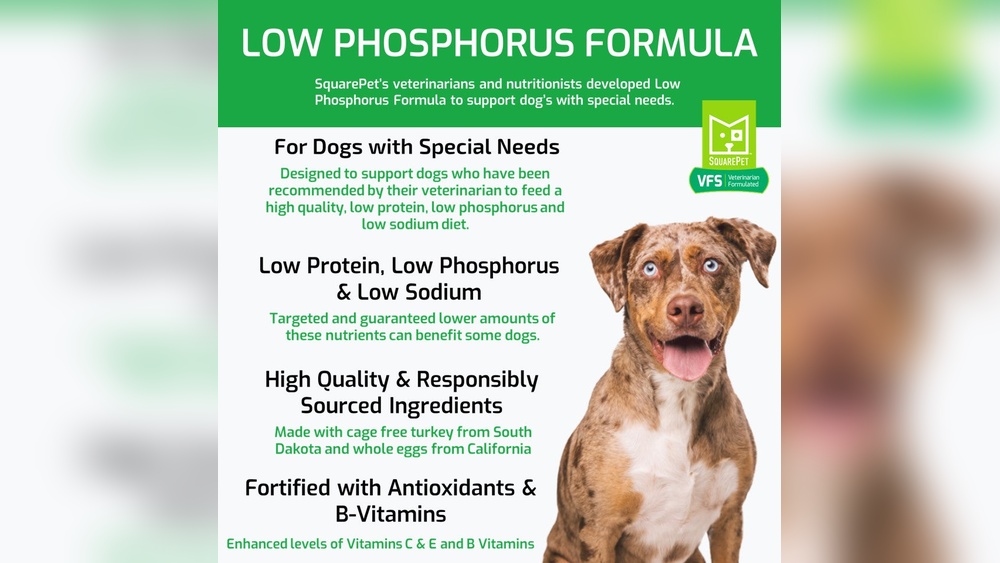
Are you worried about what goes into your dog’s bowl every day? Making your own nutritional dog food can be simpler than you think—and it gives you full control over what your furry friend eats.
Imagine serving meals packed with fresh ingredients that support your dog’s health, energy, and happiness. You’ll discover easy steps to create balanced, tasty dog food at home. Keep reading, and you’ll learn how to boost your dog’s well-being with every bite.
Benefits Of Homemade Dog Food
Making homemade dog food offers many benefits for your pet’s health and well-being. It lets you know exactly what your dog eats. You can avoid harmful additives and fillers found in some commercial foods. Preparing meals at home also helps you save money over time. Below are some key advantages of feeding your dog homemade food.
Improved Health And Digestion
Homemade dog food often contains fresh, natural ingredients. This helps improve your dog’s digestion and nutrient absorption. Dogs with allergies or sensitive stomachs may feel better. Balanced meals support a shiny coat, strong muscles, and healthy weight. You can adjust recipes to meet your dog’s specific health needs.
Control Over Ingredients
You decide what goes into your dog’s food. This means no hidden chemicals, preservatives, or fillers. You can use high-quality meats, vegetables, and grains. Homemade food allows you to avoid ingredients that may cause allergies. It also helps you provide a varied diet with real, wholesome foods.
Cost-effectiveness
Preparing dog food at home can be less expensive than buying premium brands. You can buy ingredients in bulk and use leftovers efficiently. This reduces waste and lowers feeding costs. Homemade meals let you tailor portions to your dog’s size and activity level. Saving money without sacrificing quality benefits both you and your pet.

Credit: talis-us.com
Essential Nutrients For Dogs
Essential nutrients keep dogs healthy and active. These nutrients support growth, repair, and energy. A balanced diet with these elements helps dogs live longer and feel better. Understanding these nutrients helps you create the best homemade meals.
Proteins And Amino Acids
Proteins build muscles, skin, and organs. Dogs need high-quality protein from meat, fish, or eggs. Amino acids are the building blocks of protein. Some amino acids are essential, meaning dogs cannot make them. Including enough protein ensures strong muscles and good immune health.
Carbohydrates And Fiber
Carbohydrates supply energy for daily activities. Good sources include rice, oats, and sweet potatoes. Fiber helps digestion and keeps the stomach healthy. It also prevents constipation and supports good gut bacteria. A balanced amount of carbs and fiber keeps dogs energetic and comfortable.
Fats And Fatty Acids
Fats are a concentrated energy source for dogs. They also keep the skin shiny and coat soft. Essential fatty acids like Omega-3 and Omega-6 support brain and heart health. Healthy fats improve joint function and reduce inflammation. Use fats from fish oil, flaxseed, or chicken fat.
Vitamins And Minerals
Vitamins and minerals help many body functions. They support bones, teeth, eyes, and the immune system. Common vitamins needed are A, D, E, and B-complex. Important minerals include calcium, phosphorus, and zinc. Including fresh vegetables and a small amount of supplements can meet these needs.
Safe Ingredients For Dog Food
Choosing safe ingredients is key to making healthy dog food. Dogs need balanced meals with nutrients that support their health. Using fresh, natural ingredients helps avoid harmful additives and fillers. Safe ingredients give your dog energy and keep their body strong.
Proteins: Meat, Fish, And Eggs
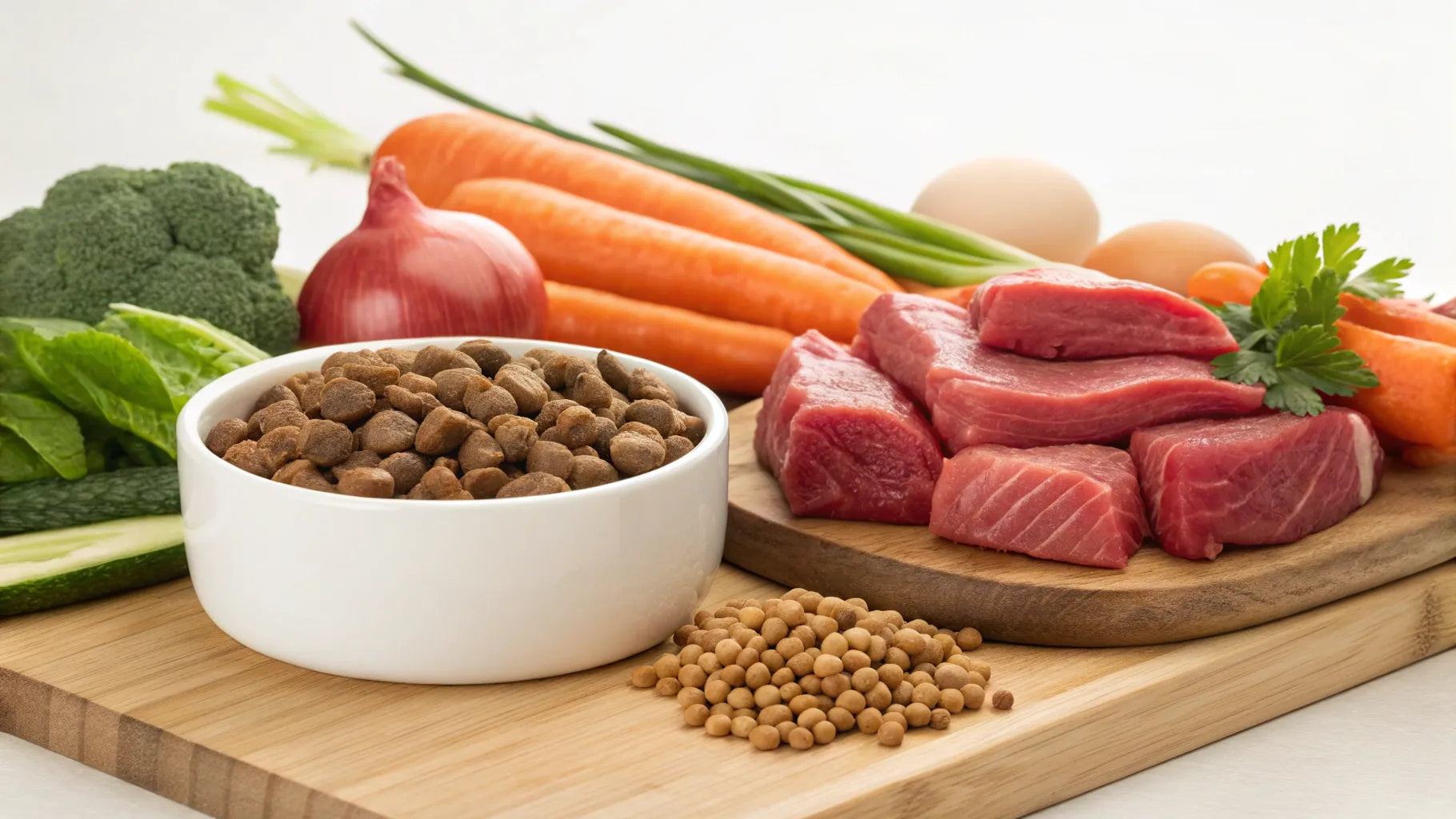
Proteins are the building blocks of dog food. Meat like chicken, beef, and turkey provides essential amino acids. Fish such as salmon and sardines offer omega-3 fats that help the skin and coat. Eggs are a great source of protein and vitamins. Always cook these proteins well to kill germs and avoid illness.
Vegetables And Fruits
Vegetables add fiber and vitamins to dog meals. Carrots, green beans, and peas are safe and easy to digest. Fruits like apples and blueberries give antioxidants that support the immune system. Avoid toxic foods like grapes, onions, and garlic. Wash all produce thoroughly before use.
Grains And Legumes
Grains provide energy and fiber for dogs. Brown rice, oatmeal, and quinoa are healthy choices. Legumes such as lentils and chickpeas add protein and nutrients. Cook grains and legumes well to make them soft and safe. Watch for allergies and introduce new foods slowly.
Credit: www.houndsy.com
Ingredients To Avoid
Choosing the right ingredients is key to making healthy dog food. Some foods can harm your dog’s health. Avoiding these ingredients keeps your dog safe and strong. Learn which ingredients to skip for better nutrition.
Toxic Foods For Dogs
Several common foods are toxic to dogs. Chocolate contains substances that hurt their heart and nerves. Grapes and raisins can cause kidney failure. Onions and garlic damage red blood cells and cause anemia. Avoid these foods in any homemade recipe.
Avocado has a toxin called persin. It can cause vomiting and diarrhea. Macadamia nuts can cause weakness and tremors. Xylitol, a sweetener in many products, causes a dangerous drop in blood sugar. Keep these away from your dog’s meals.
Harmful Additives And Spices
Avoid artificial preservatives like BHA, BHT, and ethoxyquin. These may cause allergic reactions or other health issues. Salt in large amounts can lead to dehydration and kidney problems. Spices like nutmeg and chili peppers can upset your dog’s stomach.
Some dogs react badly to strong herbs or seasonings. Plain, natural ingredients work best. Keep your dog food simple and free from harmful additives. This helps maintain your dog’s health and energy.
Basic Cooking Techniques
Basic cooking techniques help prepare healthy meals for your dog. These methods keep nutrients intact and ensure the food is safe to eat. Simple cooking methods work best for making dog food at home. They make ingredients easier to digest and enhance flavor without adding harmful substances.
Boiling And Steaming
Boiling and steaming are gentle ways to cook dog food. These methods keep most nutrients in vegetables and meat. Boiling uses water to cook food, while steaming cooks with hot steam. Both methods avoid using oil or fat. This helps keep the meal light and healthy for your dog. Use boiling for hard vegetables and lean meats. Steaming works well for soft vegetables and fish.
Baking And Slow Cooking
Baking cooks dog food evenly at low heat. It helps retain moisture in meats and vegetables. Use baking for meals that include a mix of ingredients. Slow cooking is great for tougher cuts of meat. It breaks down fibers and makes food tender. Slow cookers allow you to cook meals over several hours. Both methods allow flavors to blend well. Avoid adding salt or spices during cooking.
Avoiding Harmful Preparations
Some cooking methods can harm your dog’s health. Avoid frying food as it adds unhealthy fats. Do not use seasonings like garlic, onion, or salt. These can be toxic to dogs. Avoid cooking with butter or oil. Raw food can carry bacteria, so cook meat thoroughly. Always check ingredients for dog safety before cooking. Clean all utensils and surfaces to prevent contamination.
Easy Homemade Dog Food Recipes
Making your dog’s food at home can be simple and healthy. Homemade meals often have fresh ingredients that support your dog’s health. These recipes use common foods that dogs enjoy. Preparing food at home helps control what your dog eats. It is a great way to avoid artificial fillers and preservatives.
Here are some easy recipes to try. Each one provides balanced nutrition and is easy to prepare. These meals suit different tastes and dietary needs.
Chicken And Rice Delight
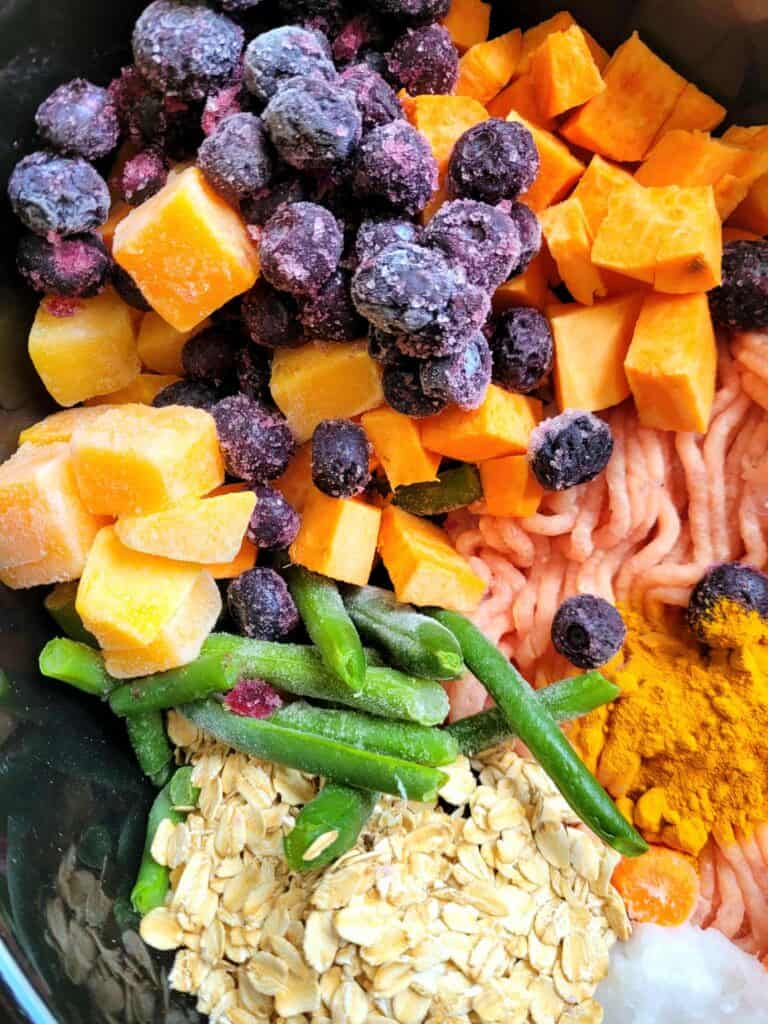
Cook 1 cup of white rice until soft. Boil 1 cup of diced chicken breast until fully cooked. Mix the chicken and rice together. Add 1/4 cup of cooked carrots for vitamins. Let the food cool before serving. This meal is gentle on the stomach and rich in protein.
Beef And Vegetable Mix
Brown 1 cup of lean ground beef in a pan. Steam 1/2 cup of green beans and 1/2 cup of chopped carrots. Mix the beef and vegetables well. Add 1/4 cup of cooked quinoa for extra fiber. Cool the mixture before feeding your dog. This meal provides iron and essential nutrients.
Fish And Sweet Potato Blend
Bake or steam 1 cup of fish such as salmon or whitefish. Cook 1 cup of sweet potato until soft. Mash the sweet potato and mix it with the fish. Add a teaspoon of olive oil for healthy fats. Let the food cool before serving. This blend supports a shiny coat and strong muscles.
Vegetarian Dog Meal
Cook 1 cup of lentils until soft. Steam 1/2 cup of peas and 1/2 cup of carrots. Mix the lentils and vegetables together. Add 1/4 cup of cooked brown rice for energy. Allow the meal to cool before serving. This option works for dogs who need less meat.
Portioning And Storage Tips
Proper portioning and storage keep homemade dog food fresh and safe. This helps maintain nutrients and prevents waste. Follow simple tips to serve the right amount and store food correctly.
Determining Serving Sizes
Serving sizes depend on your dog’s weight, age, and activity. Use a kitchen scale or measuring cup for accuracy. Divide daily food into two or three meals to aid digestion. Watch your dog’s weight and adjust portions as needed. Consult your vet for specific feeding guidance.
Safe Storage Practices
Store dog food in airtight containers to keep it fresh. Keep it in the fridge for up to three days. Label containers with the date to avoid using old food. Clean containers regularly to prevent bacteria build-up. Always wash hands before handling food.
Freezing And Reheating
Freeze extra portions in small batches for convenience. Use freezer-safe containers or bags to avoid freezer burn. Thaw food in the fridge overnight for safe defrosting. Warm food slightly before serving, but do not overheat. Stir the food well to avoid hot spots that can burn your dog’s mouth.
Adjusting Meals For Special Needs
Adjusting meals for special needs is key to keeping your dog healthy. Each dog has unique requirements. Tailoring their food helps meet these needs effectively. This section covers how to adjust meals for puppies, senior dogs, and dogs with allergies or sensitivities.
Puppies And Growing Dogs
Puppies need more calories and nutrients than adult dogs. Their meals must include high protein and fat for growth. Calcium and phosphorus support strong bones and teeth. Frequent small meals help keep energy levels steady. Avoid foods with fillers that offer little nutrition. Fresh, balanced meals help puppies grow strong and healthy.
Senior Dogs
Older dogs require fewer calories but more fiber. This supports digestion and prevents weight gain. Protein remains important to maintain muscle mass. Omega-3 fatty acids aid joint health and reduce inflammation. Soft or moist food may be easier to chew. Adjust meals to support aging bodies and keep seniors active.
Dogs With Allergies Or Sensitivities
Allergies need careful ingredient choices. Common allergens include wheat, soy, and certain proteins. Use limited ingredient recipes to identify triggers. Novel proteins like duck or venison are good options. Avoid artificial additives and preservatives. Homemade meals allow control over all ingredients. Always monitor your dog’s reaction to new foods.
Monitoring Your Dog’s Response
Monitoring your dog’s response after changing to homemade nutritional food is very important. It helps you know if the new diet suits your pet’s needs. Watch your dog closely for any changes in behavior or health. This step ensures your dog stays happy and healthy.
Signs Of Good Nutrition
Healthy skin and a shiny coat show good nutrition. Your dog should have steady energy throughout the day. Normal weight and muscle tone also indicate proper feeding. Bright eyes and a good mood are positive signs. Regular, firm stools mean digestion is working well.
Identifying Digestive Issues
Loose stools or diarrhea may show a problem. Vomiting or excessive gas can mean the food does not agree with your dog. Look for signs like bloating or constipation too. If your dog seems uncomfortable after eating, note it down. These signs suggest you need to change the recipe.
When To Consult A Vet
Seek help if your dog loses weight quickly. Persistent vomiting or diarrhea needs professional advice. If your dog shows weakness or lethargy, visit the vet. Sudden changes in appetite or behavior require attention. A vet can guide you on the best diet adjustments.
Credit: barkbellybites.com
Frequently Asked Questions
What Ingredients Make Dog Food Nutritious?
Nutritious dog food includes lean proteins, whole grains, healthy fats, and vegetables. Balanced nutrients support your dog’s health and energy. Avoid fillers, artificial additives, and excessive salt or sugar to keep meals safe and beneficial.
How Do I Balance Homemade Dog Food?
Balance protein, carbohydrates, fats, vitamins, and minerals in homemade dog food. Use a mix of meats, grains, vegetables, and supplements. Consulting a vet ensures your dog’s specific dietary needs are met for optimal health.
Can I Use Human Food For Dog Meals?
Yes, many human foods like chicken, rice, and carrots are safe for dogs. Avoid toxic items like onions, chocolate, and grapes. Always prepare food without seasoning and ensure it’s cooked properly for safety.
How Often Should I Feed Homemade Dog Food?
Feed adult dogs twice daily and puppies three to four times daily. Portion sizes depend on your dog’s size, age, and activity level. Monitor weight and adjust food amounts to maintain a healthy body condition.
Conclusion
Making nutritious dog food at home helps your pet stay healthy. You control the ingredients and avoid harmful additives. Fresh, balanced meals support your dog’s energy and growth. Start with simple recipes and adjust based on your dog’s needs. Always check with a vet to keep meals safe.
Homemade food shows love in every bite. Your dog will thank you with wagging tails and bright eyes. Keep learning and enjoy feeding your furry friend well.