

Have you ever felt worried or frustrated when your dog acts aggressively toward other dogs? You’re not alone.
Aggressive behavior in dogs can be confusing and even scary, especially when you don’t know why it happens or how to stop it. But understanding the reasons behind this behavior is the first step to keeping your dog calm and safe.
You’ll discover practical tips and insights that will help you manage and reduce your dog’s aggression toward other dogs. Keep reading—you owe it to your furry friend to create a happier, healthier environment for both of you.
Credit: encyclopedia.pub
Reasons For Dog Aggression
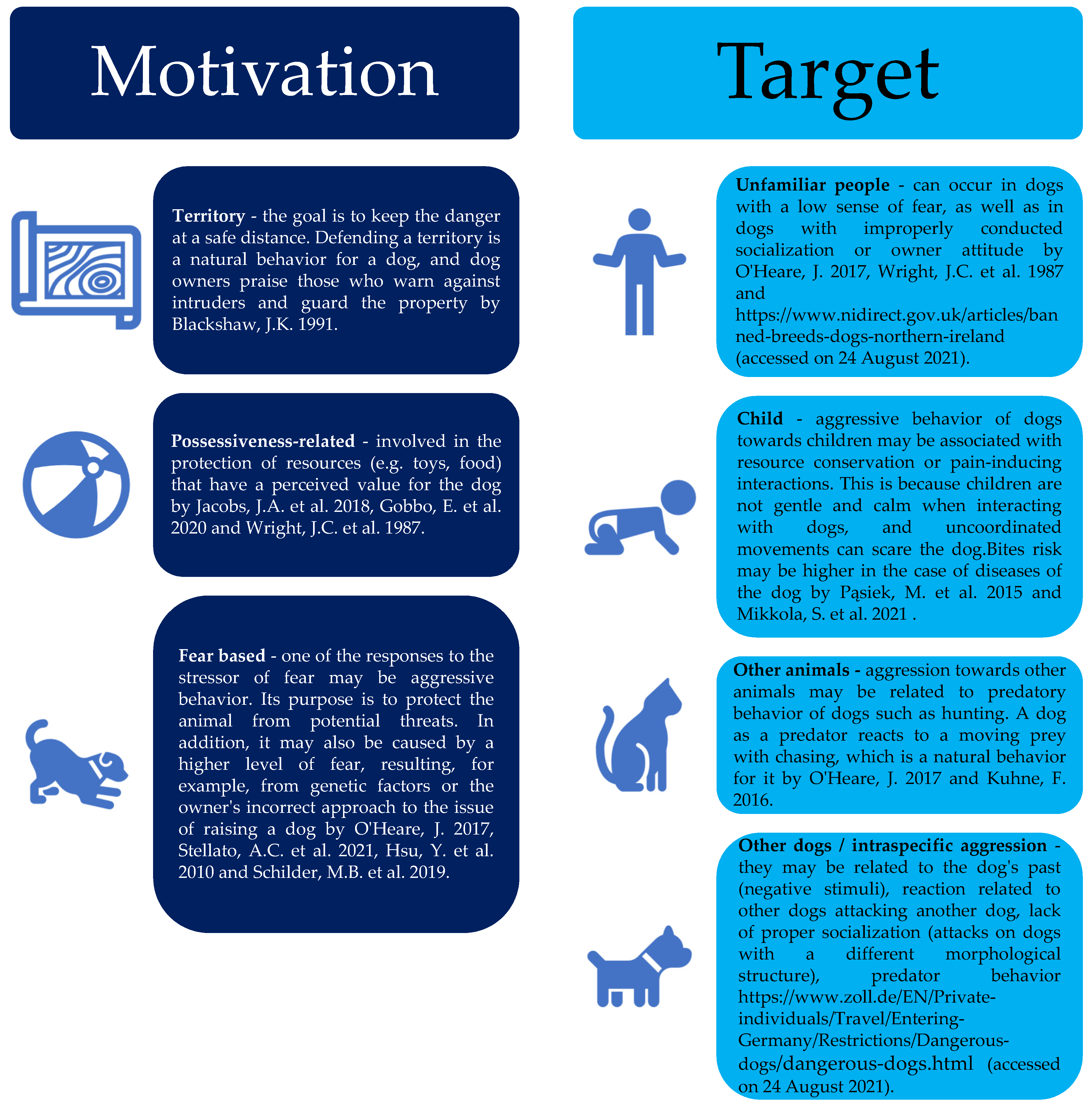
Understanding why dogs show aggression toward other dogs helps manage their behavior better. Aggression can come from many causes. Each dog’s background and environment shape its reactions. Recognizing these reasons aids in reducing conflicts and improving dog interactions.
Genetics And Breed Traits
Some dog breeds have stronger instincts for guarding and protection. These traits can make them more prone to aggression. Genetics play a role in how dogs respond to threats. Certain breeds may be naturally more assertive or dominant.
Fear And Anxiety
Fear often triggers aggressive behavior in dogs. If a dog feels scared or threatened, it may react by growling or biting. Anxiety from past bad experiences can cause defensive aggression. Dogs use aggression to protect themselves when nervous.
Territorial Instincts
Dogs often defend their space from other dogs. Territorial instincts cause dogs to guard their home or yard. They may see other dogs as intruders. This natural behavior can lead to aggressive displays to keep others away.
Lack Of Socialization
Dogs that miss early social training may fear other dogs. Without proper socialization, dogs don’t learn how to play or share space. This can lead to misunderstandings and aggressive reactions. Meeting many dogs calmly helps reduce this risk.
Medical Issues
Pain or illness can make dogs irritable and aggressive. Health problems may lower a dog’s tolerance for other dogs. Sometimes aggression signals a medical issue. A vet check can rule out or treat health causes of aggression.
Identifying Aggressive Behavior
Understanding aggressive behavior in dogs is important for safety and harmony. Dogs show aggression in many ways. Recognizing these signs early helps prevent fights and injuries. This section explains how to identify aggressive behavior toward other dogs.
Common Signs And Signals
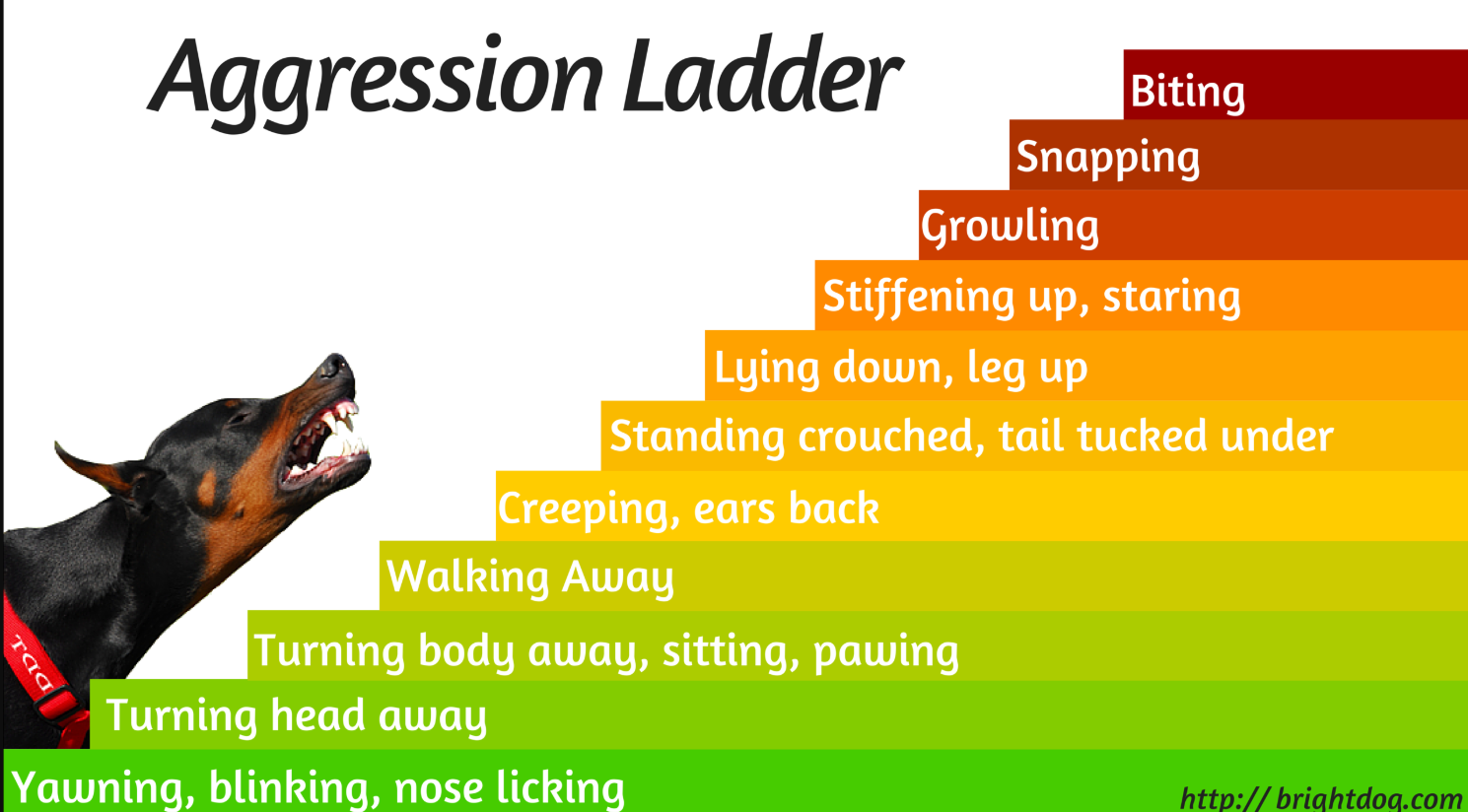
Aggressive dogs may growl or bark loudly. They might snap or bite without warning. Stiff posture and raised fur are also common signs. Some dogs show teeth or lunge forward. These signals warn others to stay away.
Situations That Trigger Aggression
Dogs often act aggressive around food or toys. Meeting new dogs can cause fear and tension. Crowded places may stress some dogs out. Protecting their owner or territory also triggers aggression. Watch for these triggers to avoid problems.
Body Language To Watch For
Watch for stiff legs and a raised tail. Ears pinned back or forward show tension. Intense staring means the dog feels threatened. Lips pulled back reveal teeth and readiness to bite. Tail wagging can be stiff and slow, not friendly.
Preventing Aggression
Preventing aggression in dogs toward other dogs starts early. It requires patience and consistent effort. Understanding key methods helps create calm, friendly pets.
Early steps shape how dogs behave around others. Teaching good habits early avoids problems later. The right approach builds trust and confidence in dogs.
Early Socialization Techniques
Introduce puppies to different dogs and environments often. Safe meetings help them learn polite play and communication. Gentle exposure reduces fear and aggression over time. Socializing young dogs creates positive experiences with others.
Positive Reinforcement Training
Reward good behavior to encourage it. Use treats, praise, or toys as rewards. Ignore or redirect unwanted behavior without punishment. Positive training builds a strong bond with your dog. It helps dogs understand what is expected of them.
Controlled Exposure To Other Dogs
Start with calm, friendly dogs in quiet settings. Keep dogs on leash and watch their body language. Gradually increase time spent together and distance. Controlled meetings prevent fights and teach dogs to stay calm. Regular exposure helps dogs accept others without fear or anger.
:strip_icc()/dogs-and-aggression-1118229_source_file-3230147e3a8247789205e7e6a5da0cd3.jpg)
Credit: www.thesprucepets.com
Managing Aggression Safely
Managing aggression in dogs toward other dogs requires care and safety. Proper management protects your dog and others around. It helps reduce stress and prevent incidents. Using the right tools and avoiding risky situations keeps everyone safe. Calming methods can also lower tension and aggression.
Using Leashes And Muzzles
Leashes control your dog’s movement and keep them close. A strong, short leash helps prevent sudden lunges. Muzzles stop biting while allowing your dog to breathe and pant. Use muzzles during walks or vet visits for safety. Train your dog to accept the muzzle calmly and gently.
Avoiding High-risk Scenarios
Stay away from places with many dogs or loud noises. Busy parks or doggy daycares may cause stress and aggression. Walk your dog during quiet times or in less crowded areas. Watch your dog’s body language for signs of stress. Moving away early can prevent aggressive outbursts.
Calming Tools And Techniques
Calming sprays and collars release soothing scents that relax dogs. Soft music or white noise can reduce anxiety. Gentle petting and slow talking help calm an upset dog. Regular exercise burns energy and lowers aggression. Consistent routines give dogs a sense of security and peace.
Behavioral Modification Methods
Behavioral modification methods help reduce aggressive behavior in dogs toward other dogs. These techniques change how dogs react to triggers. They teach dogs new, calm responses. Consistency and patience are key for success. Training sessions should be short but regular.
Desensitization And Counter-conditioning
Desensitization means slowly exposing a dog to other dogs. Start from a distance where the dog feels safe. Gradually decrease the distance over time. Counter-conditioning teaches the dog to feel positive emotions. Reward calm behavior with treats or praise. This method rewires the dog’s reaction to other dogs. It reduces fear and aggression step by step.
Obedience Training
Obedience training builds control and focus in dogs. Basic commands like “sit,” “stay,” and “come” help manage behavior. Training improves communication between owner and dog. A well-trained dog listens better in stressful situations. Consistent practice strengthens the dog’s self-control. This reduces chances of aggressive outbursts near other dogs.
Professional Behaviorist Support
Professional behaviorists understand dog aggression deeply. They create custom plans for each dog. Experts assess the dog’s triggers and history. They teach owners how to handle aggressive episodes safely. Behaviorists may use special techniques or tools. Early intervention by a professional improves outcomes. Their guidance supports long-term behavior change.
When To Seek Veterinary Advice
Aggressive behavior in dogs toward other dogs can signal a deeper problem. Knowing when to seek veterinary advice is important. A vet can help find health issues causing aggression. Early action can improve your dog’s quality of life and safety.
Identifying Health-related Causes
Some health problems cause aggression in dogs. Pain from arthritis or injury may make a dog defensive. Hormonal imbalances can also affect behavior. A vet can check for infections or neurological issues. Diagnosis starts with a physical exam and tests. Finding the root cause is key to treatment.
Medication Options
Vets may suggest medication to reduce aggression. Anti-anxiety drugs help calm stressed dogs. Pain relief medications ease discomfort that triggers aggression. Some medicines balance brain chemicals linked to behavior. Medication works best combined with training and care. Always follow vet instructions on dosage and timing.
Monitoring Progress
After starting treatment, watch your dog closely. Track changes in aggression and overall mood. Keep notes on triggers and responses. Regular vet visits ensure proper medication effects. Adjustments may be needed for best results. Consistent monitoring supports your dog’s health and behavior.
Credit: petcademy.org
Frequently Asked Questions
What Causes Aggressive Behavior In Dogs Toward Other Dogs?
Aggression often stems from fear, territorial instincts, or poor socialization. Some dogs react defensively or competitively. Genetics and past trauma also play roles in aggressive behavior between dogs.
How Can I Prevent My Dog From Being Aggressive?
Early socialization and positive reinforcement training are key. Avoid situations that trigger aggression and consult a professional trainer if needed. Consistent, calm leadership helps your dog feel secure and less reactive.
Is Aggressive Behavior In Dogs Toward Other Dogs Normal?
Some aggression is normal but should be controlled. Healthy dogs show warning signs before aggression escalates. Persistent or severe aggression requires intervention to ensure safety and improve behavior.
When Should I Seek Professional Help For Dog Aggression?
If your dog frequently growls, snaps, or attacks other dogs, seek help. Professional trainers or behaviorists can assess and create a customized plan to manage aggression safely.
Conclusion
Aggressive behavior in dogs toward other dogs can cause many problems. Understanding why dogs act this way helps owners manage it better. Training and socializing dogs early can reduce aggression. Always watch your dog’s body language during interactions. Stay calm and patient while helping your dog improve.
Remember, safety for both dogs and people is very important. With care and effort, many dogs learn to get along well. Keep learning and stay consistent in your approach. Small steps lead to big changes over time.


