

Is your puppy showing signs of aggression? It can be frustrating and even a little scary.
But don’t worry—you’re not alone, and there are ways to help your furry friend become calm and well-behaved. With the right training tips, you can turn your aggressive puppy into a happy, confident companion. Keep reading, because the simple steps you’ll discover here could change your life—and your puppy’s—for the better.

Credit: hno-oberascher.at
Identifying Aggressive Behavior
Recognizing aggressive behavior in puppies early can prevent many problems. It helps you guide your puppy toward good manners. Puppies show aggression in different ways. Understanding these signs is the first step in training.
Common Signs Of Aggression
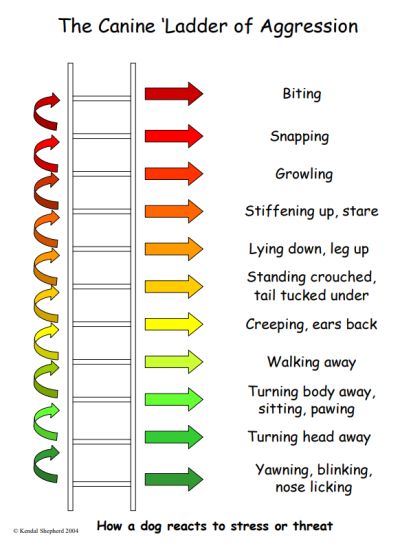
Puppies may growl or snap when they feel threatened. They might bare their teeth or stiffen their bodies. Sometimes, they bark loudly or lunge at people or other animals. Raised hackles or a fixed stare also signal aggression. Watch your puppy’s body language closely.
Causes Of Puppy Aggression
Fear often triggers aggressive behavior in puppies. Lack of socialization can make puppies nervous around others. Pain or illness might cause sudden aggression. Protectiveness over food, toys, or space also leads to aggressive acts. Early experiences shape how puppies react to the world.
When To Seek Professional Help
Aggression that gets worse or does not improve needs expert advice. If your puppy bites hard or often, contact a trainer or vet. Professionals can identify the root cause and offer safe strategies. Early intervention can stop aggression from becoming a habit.
Credit: www.monasdanishbakery.com
Creating A Calm Environment
Creating a calm environment helps reduce aggressive behavior in puppies. Calm spaces make puppies feel safe and less anxious. This lowers stress and helps them learn better. Small changes in daily life can make a big difference.
Establishing A Routine
Puppies need a regular daily schedule. Feed, play, and rest times should stay the same each day. Predictable routines help puppies feel secure. They know what to expect and when. This reduces fear and frustration that can cause aggression.
Managing Triggers
Identify what causes your puppy to act aggressive. Loud noises, strangers, or certain toys might be triggers. Avoid these triggers during training sessions. Gradually introduce them in a calm way. This helps puppies adjust without stress or fear.
Safe Spaces For Puppies
Create a quiet area where your puppy can relax. Use a crate or a cozy corner with soft bedding. This space should be free from noise and distractions. Let your puppy go there to calm down anytime. Safe spaces provide comfort and reduce tension.
Basic Training Techniques
Basic training techniques are key to helping an aggressive puppy become calm and obedient. These methods build trust and guide your puppy toward good behavior. Consistent use of simple steps can make training easier and more effective.
Positive Reinforcement Methods
Reward your puppy for good behavior with treats or praise. This encourages them to repeat the behavior. Avoid punishment, as it can increase aggression. Use gentle words and calm tones. Timing matters—give rewards immediately after the good action.
Consistency And Patience
Train your puppy daily using the same rules and commands. Consistency helps your puppy understand what you expect. Patience is crucial. Puppies need time to learn and adjust. Avoid frustration; stay calm and keep sessions short.
Using Commands Effectively
Keep commands clear and simple. Use one word per command, like “sit” or “stay.” Repeat commands consistently during training. Use a firm but kind voice. Always reward your puppy when they follow commands correctly.

Credit: ridgesidek9.com
Behavior Modification Strategies
Behavior modification strategies help change aggressive puppy actions. These methods focus on teaching new, positive responses. Trainers use clear steps to reduce fear and anger. Consistency and patience are very important for success.
Desensitization And Counter-conditioning
Desensitization slowly exposes puppies to triggers. Start with low levels of what causes aggression. Gradually increase exposure without stress. Counter-conditioning pairs triggers with good things. This helps puppies feel safe and calm. Over time, puppies learn to react less aggressively.
Redirecting Aggressive Responses
Redirecting teaches puppies to change focus from aggression. Use toys or commands to shift their attention. Reward calm behavior immediately. This breaks the aggressive habit loop. Redirecting helps puppies learn self-control and new ways to respond.
Socialization Practices
Socialization introduces puppies to many people and animals. Start early and keep experiences positive. Controlled meetings reduce fear and aggression. Socialization builds confidence and good manners. Regular practice helps puppies feel safe in new settings.
Tools To Support Training
Training an aggressive puppy needs the right tools. These tools help guide your puppy’s behavior. They make training easier and safer for both of you. Choosing the proper equipment supports good habits and builds trust.
Choosing The Right Collar And Leash
Pick a collar that fits well and is comfortable. Avoid collars that squeeze or hurt your puppy. A flat collar or a harness works best for training. Use a sturdy leash about 4 to 6 feet long. This length gives control without too much slack. Avoid retractable leashes during training sessions.
Using Treats And Toys
Treats motivate your puppy to learn new commands. Choose small, soft treats that your puppy loves. Use toys as rewards to keep training fun. Toys also help reduce stress and excess energy. Reward your puppy immediately to connect behavior with reward.
Avoiding Punishment Tools
Never use choke chains, prong collars, or shock collars. These tools can cause pain and fear. Punishment makes aggression worse, not better. Focus on positive methods to encourage good behavior. Kind training builds a strong, loving bond with your puppy.
Monitoring Progress And Adjustments
Monitoring your puppy’s progress is key in handling aggressive behavior. It helps to see what works and what does not. Careful tracking guides you to make smart changes in training. This keeps the puppy learning and growing calm. Regular checks also stop bad habits from returning. Watch closely and stay patient. Success comes step by step.
Tracking Behavior Changes
Note every time your puppy shows less aggression. Keep a simple journal or use an app. Write down what triggers the aggression and how your puppy reacts. Record improvements and setbacks. Look for patterns in behavior over days or weeks. This clear record helps you understand your puppy’s progress. It shows which methods help the most.
Adapting Training Plans
Change your training if progress slows or stops. Try new commands or rewards. Use gentler techniques if your puppy seems scared. Increase exercises that calm the puppy. Stay flexible and open to new ideas. Small shifts can make a big difference. Your puppy’s needs may change as it grows.
Maintaining Long-term Success
Keep training consistent, even after good results. Regular practice prevents old habits from returning. Reward calm and friendly behavior often. Keep your puppy’s routine steady to reduce stress. Stay involved and watch for early signs of aggression. Long-term care ensures a happy, well-behaved dog.
Frequently Asked Questions
How Can I Control My Aggressive Puppy’s Behavior?
Start by setting clear rules and boundaries early. Use positive reinforcement to reward calm behavior. Avoid harsh punishments as they increase aggression. Consistent training and socialization help your puppy learn acceptable conduct.
What Are Effective Techniques For Aggressive Puppy Training?
Use calm assertiveness combined with rewards for good behavior. Redirect biting or lunging with toys. Socialize your puppy with other dogs safely. Seek professional help if aggression persists or worsens.
When Should I Seek Professional Help For Puppy Aggression?
If your puppy’s aggression is frequent, severe, or worsening, consult a trainer. Professional guidance is vital for safety and effective behavior correction. Early intervention prevents long-term behavioral issues.
How Does Socialization Reduce Puppy Aggression?
Socialization exposes puppies to different people, pets, and environments. It helps them build confidence and reduces fear-based aggression. Gradual, positive interactions teach them to behave calmly and accept new experiences.
Conclusion
Training an aggressive puppy takes time and patience. Stay calm and consistent with your methods. Reward good behavior to encourage positive change. Avoid harsh punishments that can increase fear or aggression. Seek help from a professional if needed. Remember, every puppy learns at their own pace.
Small steps lead to big improvements. Your efforts will create a safer, happier home. Keep your puppy’s well-being as the top priority. Trust the process and enjoy the journey together.


