

Dealing with an aggressive dog can be stressful and even scary. You want your furry friend to be calm and friendly, but sometimes their behavior feels out of control.
The good news is, you can take steps to stop aggressive behavior and bring peace back to your home. You’ll discover simple, effective ways to understand why your dog acts aggressively and how to change it. Keep reading—you’re about to learn how to create a safer, happier life for both you and your dog.
Causes Of Aggression In Dogs
Understanding the causes of aggression in dogs helps manage their behavior better. Aggression is not random. Several factors influence why a dog may act aggressively. Identifying these causes is the first step to stopping aggressive behavior.
Genetics And Breed Tendencies
Some dog breeds have stronger instincts for guarding or hunting. These traits can make them more likely to show aggression. Genetics play a role in how a dog reacts to threats or strangers. Not all dogs in a breed will be aggressive, but breed tendencies matter.
Fear And Anxiety Triggers
Fear is a common cause of aggression in dogs. A scared dog may bite to protect itself. Loud noises, new places, or strange people can trigger fear. Anxiety from past trauma or poor socialization can also cause aggressive acts.
Territorial And Protective Instincts
Dogs often protect their space and family. Territorial aggression happens when dogs guard their home or yard. Protective instincts can make dogs aggressive toward strangers. This behavior comes from natural instincts to keep their pack safe.
Pain And Medical Issues
Pain can cause sudden aggression in any dog. Illness or injury makes dogs more sensitive and defensive. Sometimes aggression is a sign of a medical problem. Seeing a vet can help identify hidden pain or health issues.
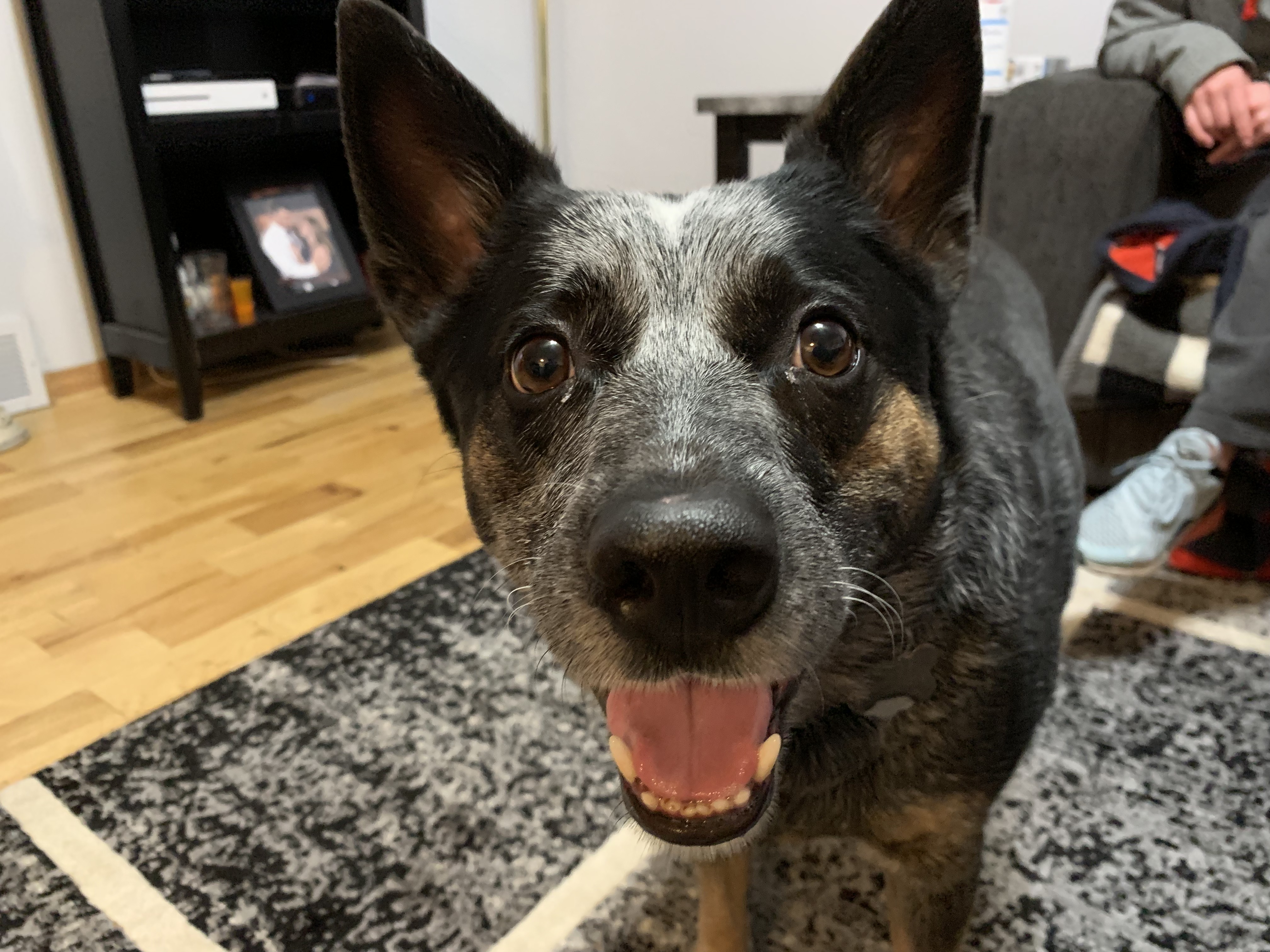
Credit: www.doggoneproblems.com
Recognizing Aggressive Behavior
Recognizing aggressive behavior in dogs is the first step to managing it safely. Understanding the signs helps prevent bites and injuries. Watch your dog closely. Small changes in behavior can warn you about aggression.
Body Language Signs
Aggressive dogs show clear body signals. Their ears may go back or stand up stiffly. The tail might be raised high or tucked tight. Look for stiff legs and a rigid stance. Growling or baring teeth often appears. These signs mean the dog feels threatened or ready to attack.
Common Aggressive Actions
Actions like snapping, biting, or lunging are common. Dogs may bark loudly or snap without warning. Some dogs try to chase or corner people or animals. Watch for sudden movements aimed to scare or hurt. These behaviors show the dog is upset or scared.
Situations That Spark Aggression
Certain events trigger aggressive responses. Dogs may act aggressively around food or toys. Protecting their space or puppies causes aggression. Strange people or loud noises can stress dogs. Being startled or hurt also leads to aggression. Knowing these triggers helps keep everyone safe.
Preventing Aggression Early
Preventing aggressive behavior in dogs starts early. Early actions shape how dogs react to people and other animals. Teaching good behavior from the start helps avoid problems later. Focus on building trust and calmness in your dog’s daily life.
Socialization Strategies
Expose your dog to different people, places, and animals. Start with calm, safe environments. Let your dog meet friendly dogs and gentle people. Gradually increase new experiences to build confidence. Avoid forcing your dog into scary situations. Socialization helps dogs feel safe and less likely to react with aggression.
Positive Reinforcement Training
Reward your dog for good behavior with treats and praise. Use clear commands and be consistent. Ignore bad behavior instead of punishing. Training builds trust and teaches your dog what you want. Positive reinforcement creates a strong bond and reduces fear or frustration. Calm dogs are less likely to be aggressive.
Avoiding Aggression Triggers
Watch for signs of stress or fear in your dog. Common triggers include loud noises, strange people, or crowded places. Keep your dog away from these triggers when possible. Use calm, gentle handling to reduce anxiety. Preventing stress helps stop aggressive reactions before they start. Know your dog’s limits and respect them.

Credit: www.labiosthetique.ee
Managing Aggression Safely
Managing aggressive dog behavior requires careful and safe steps. Safety is the top priority for both the dog and the people around it. Using the right tools and methods can help control aggression while building trust and calmness.
Using Leashes And Muzzles
Leashes keep dogs close and under control during walks or training. A strong leash stops sudden lunges or bites. Muzzles prevent dogs from biting but do not hurt them. They help protect others while the dog learns to behave better. Always choose a comfortable muzzle that fits well.
Creating A Calm Environment
Dogs feel less aggressive in quiet, peaceful places. Loud noises and chaos can make them nervous or angry. Give your dog a safe space to relax, away from stress. Soft lighting and gentle sounds help dogs stay calm. A calm environment lowers the chance of aggressive outbursts.
Supervising Interactions
Watch your dog closely around people and other animals. Never leave an aggressive dog alone with strangers or small children. Step in quickly if you see signs of tension. Careful supervision stops problems before they start. It also helps your dog learn good behavior safely.
Training Techniques To Reduce Aggression
Training plays a key role in reducing aggressive behavior in dogs. It helps dogs learn calm responses and builds trust. Using clear, consistent techniques makes a big difference. Training also strengthens your bond with your dog.
Desensitization And Counter-conditioning
Desensitization means slowly exposing your dog to triggers. Start with low intensity and increase it over time. This helps your dog get used to the trigger without reacting. Counter-conditioning changes your dog’s emotional response. Pair the trigger with something positive, like treats. This helps your dog feel calm and happy instead of scared or angry.
Obedience Commands For Control
Teaching basic commands gives you control during tense moments. Commands like “sit,” “stay,” and “leave it” help redirect your dog’s focus. Practice these commands daily in different situations. A well-trained dog listens even when distracted. This reduces chances of aggressive reactions.
Reward-based Behavior Modification
Reward good behavior immediately to encourage it. Use treats, praise, or play as rewards. Avoid punishment, which can increase fear or aggression. Reward-based training motivates your dog to repeat calm actions. Consistency is key for lasting behavior change.
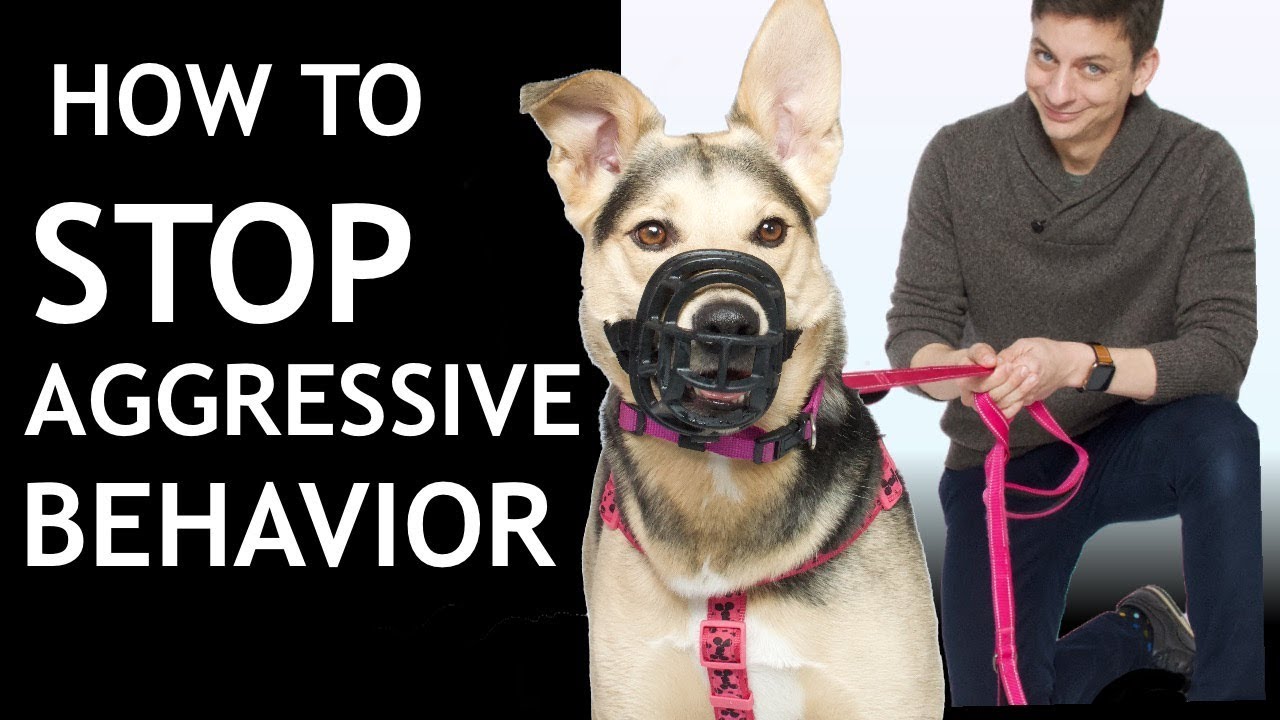
Credit: www.youtube.com
When To Seek Professional Help
Sometimes, aggressive dog behavior needs more than home training. Professional help can keep you and your dog safe. Experts can find the root cause and give clear guidance. Knowing when to get help is key to stopping aggression quickly.
Signs You Need A Trainer Or Behaviorist
Unpredictable biting or growling is a strong sign. Your dog may snap at family or strangers without warning. Aggression that gets worse over time needs expert care. If your dog shows fear or anxiety linked to aggression, do not wait. Damage to property or injury from your dog means it’s time. Professionals understand these signals and can help manage them.
Choosing The Right Expert
Look for trainers or behaviorists with good reviews and experience. Check if they have certifications from trusted organizations. Find someone who uses positive, science-based training methods. Avoid trainers who rely on punishment or fear. Pick a professional who understands your dog’s breed and history. A good expert will explain their approach clearly and answer your questions.
What To Expect From Professional Training
The trainer will assess your dog’s behavior and environment first. They will create a step-by-step plan to reduce aggression. Training may include exercises for you and your dog to do at home. Expect progress to take time, patience is important. The expert will teach you how to read your dog’s signals. You will learn techniques to keep your dog calm and safe.
Maintaining Long-term Behavior Change
Maintaining long-term behavior change in aggressive dogs needs patience and dedication. Consistency is key to help your dog stay calm and controlled. Small, steady steps build trust and reduce aggressive reactions. Long-term success depends on daily efforts and ongoing care.
Consistent Training Practices
Use the same commands and signals every day. Train your dog in short, frequent sessions to keep focus. Reward good behavior with treats or praise immediately. Avoid punishment; it can increase fear and aggression. Consistency helps your dog understand what is expected.
Regular Exercise And Mental Stimulation
Exercise helps burn off energy that can cause aggression. Walk your dog daily and play active games. Provide toys that challenge the mind, like puzzles or sniff games. Mental exercise tires your dog in a positive way. A tired dog is less likely to act out.
Monitoring And Adjusting Strategies
Watch your dog’s behavior closely every day. Note any changes or signs of stress. Change your approach if your dog does not improve. Seek advice from a professional trainer if needed. Staying flexible helps maintain progress and prevent setbacks.
Frequently Asked Questions
What Causes Aggressive Behavior In Dogs?
Aggression in dogs can stem from fear, pain, territorial instincts, or lack of socialization. Understanding triggers helps manage and prevent aggressive acts effectively.
How Can I Safely Stop My Dog’s Aggressive Behavior?
Use calm, firm commands and avoid punishment. Consult a professional trainer or behaviorist for tailored guidance and behavior modification techniques.
Are There Specific Training Methods To Reduce Dog Aggression?
Yes, positive reinforcement and desensitization are effective. Reward calm behavior and gradually expose your dog to triggers to reduce aggression over time.
When Should I Seek Professional Help For Dog Aggression?
If aggression is frequent, severe, or worsens despite training, consult a vet or animal behaviorist immediately. Early intervention prevents escalation and ensures safety.
Conclusion
Stopping aggressive dog behavior takes time and patience. Consistent training helps your dog feel safe and calm. Use clear rules and positive rewards to guide good actions. Watch your dog’s body language to prevent problems early. Remember, gentle care builds trust between you and your pet.
Keep learning and stay calm during challenges. Your effort makes your dog happier and safer. Small steps lead to big changes. Stay patient, and enjoy a peaceful home with your dog.


