Traveling with your large dog on a plane can feel overwhelming. You want to make sure your furry friend stays safe and comfortable, while you avoid stress and surprises.
If you’re wondering how to prepare, what rules to follow, and how to make the flight smooth for both of you, this guide is for you. Keep reading to discover simple, effective tips that will help you and your big dog take to the skies with confidence and ease.
Preparing For The Flight
Preparing for a flight with a large dog takes careful planning. It helps to know the steps before you travel. This way, you avoid stress for you and your dog. Proper preparation makes the trip smooth and safe.
Start early to handle all details calmly. Check airline rules and book your dog’s spot as soon as possible. These actions protect your dog’s comfort and safety during the flight.
Choosing The Right Airline
Not all airlines accept large dogs in the cabin. Many require large dogs to fly in the cargo hold. Choose an airline known for good pet care. Look for airlines with clear pet policies. Read reviews from other pet owners. This helps you pick a safe and comfortable option.
Booking Your Dog’s Ticket
Reserve your dog’s spot early. Airlines limit the number of pets per flight. Booking early secures space and avoids last-minute issues. Confirm if your dog needs a separate ticket. Sometimes pets fly as cargo and need special arrangements. Keep all documents ready for check-in.
Understanding Airline Policies
Each airline has rules for flying pets. Some require specific carriers or crates. Others demand health certificates or vaccinations. Know the size limits for pet carriers. Check weight and dimension rules carefully. Understand what happens if weather affects pet travel. Being aware of policies helps avoid surprises at the airport.
Credit: realendpoints.com
Health And Documentation
Traveling with a large dog by plane needs careful health checks and proper documents. These steps ensure your pet stays safe and comfortable. Airlines require specific health records before you board. Preparing these papers early saves stress at the airport.
Veterinary Checkup And Vaccinations
Take your dog to the vet weeks before travel. The vet will check your dog’s health and fitness to fly. Vaccinations must be current. Rabies shots are often mandatory. Keep vaccine records handy for airport checks. Healthy pets travel better and stay calm during flights.
Health Certificates And Paperwork
Most airlines need a health certificate issued within 10 days of travel. This paper confirms your dog is free of diseases. It must be signed by a licensed vet. Carry copies of your dog’s ID, vaccination records, and any permits. Without proper paperwork, your dog may be denied boarding.
Medications And Comfort Aids
Ask the vet about medicines for travel anxiety or motion sickness. Bring any prescribed drugs in original packaging. Pack a small first-aid kit with basics like bandages and antiseptic. Comfort aids like familiar blankets or toys help your dog relax. These items make the flight less stressful for both of you.
Travel Crate Selection
Choosing the right travel crate is key to flying safely with a large dog. The crate must keep your dog comfortable and secure during the flight. It also has to meet airline rules. This section covers how to pick the best crate for your dog’s air travel.
Size And Comfort Requirements
The crate must be large enough for your dog to stand, turn, and lie down. Measure your dog’s length and height before buying the crate. Add a few inches to ensure enough space. Your dog should feel cozy but not cramped. Soft bedding inside helps provide comfort. Ventilation is important to keep air flowing inside the crate.
Approved Crate Types
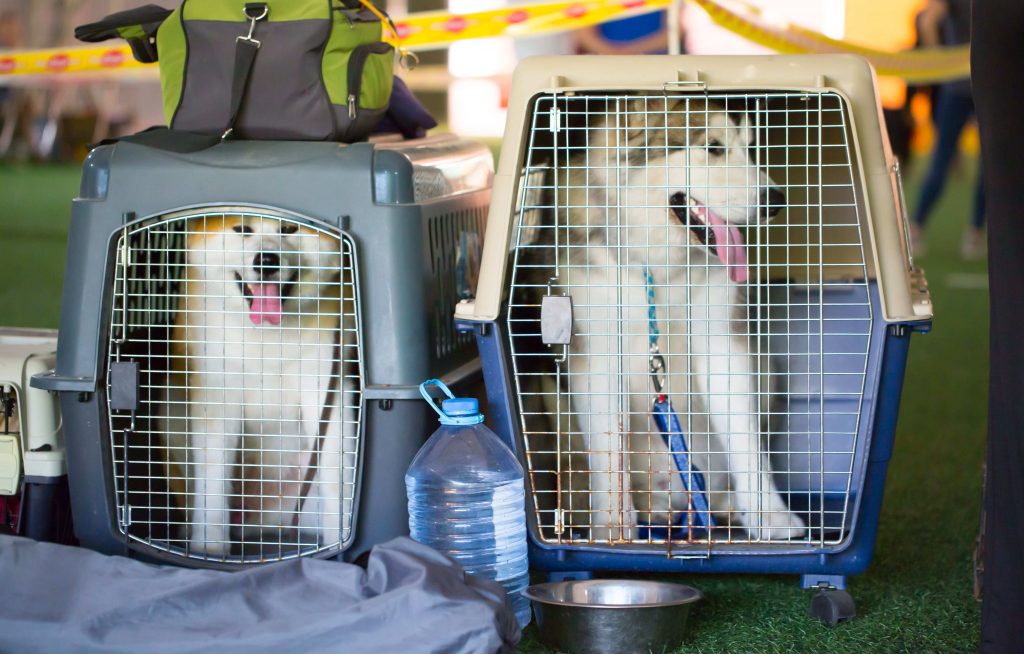
Airlines accept only certain crate types for large dogs. Hard plastic crates with secure locks are the most common. They protect your dog well and meet safety standards. Some airlines allow metal crates but check their rules first. The crate must have a leak-proof bottom. It should also be sturdy enough to avoid damage during handling.
Preparing The Crate
Label the crate clearly with your contact information. Attach a food and water dish inside the crate. Make sure they are secure and won’t spill. Place absorbent material or a pad on the floor to keep the crate clean. Practice crate training before the flight so your dog feels calm. Check the crate’s locks and ventilation one last time before heading to the airport.
Pre-flight Preparation
Preparing your large dog for a plane trip takes planning and care. This stage is important to keep your dog calm and safe during the journey. Careful preparation makes the travel experience better for both of you. Focus on exercise, crate training, and packing smartly before the flight.
Exercise And Feeding Schedule
Give your dog plenty of exercise before the flight. A tired dog is usually calmer on the plane. Take a long walk or play fetch to burn off energy. Avoid feeding your dog a large meal right before travel. Feed smaller portions a few hours before the flight. This helps prevent stomach upset during the trip.
Acclimating Your Dog To The Crate
Introduce your dog to the travel crate early. Let your dog explore it freely at home. Place treats and toys inside the crate. Practice short stays in the crate daily. This builds comfort and reduces anxiety. A calm dog inside the crate handles travel stress better.
Packing Essentials
Pack everything your dog needs for the flight. Include food, water, and bowls. Bring a leash and waste bags for bathroom breaks. Add a favorite blanket or toy for comfort. Carry any medications and health documents. Being ready with these items keeps your dog safe and happy on the plane.
At The Airport
Traveling with a large dog at the airport can be challenging. Airports are busy, noisy, and full of people. Preparing for this part of the journey helps keep your dog calm. Knowing what to expect reduces stress for both of you.
Check-in Procedures
Arrive early to give yourself extra time. Large dogs usually travel as cargo or checked baggage. Speak with airline staff at the check-in counter. Provide all required documents, like health certificates and vaccination records. Confirm your dog’s crate meets airline size and safety rules. Label the crate with your contact details clearly. Ask staff about the best route to the plane for pets.
Security Screening Tips
Security may ask you to remove your dog from the crate. Hold your dog firmly on a leash or harness. Walk through the metal detector yourself. The crate goes through the X-ray machine. Stay calm and speak softly to your dog. Bring treats to reward good behavior. Avoid sudden movements that might scare your dog. Keep your dog close and under control at all times.
Managing Stress In Busy Environments
Airports can overwhelm large dogs with noise and crowds. Use a calming vest or familiar blanket in the crate. Speak in a gentle, soothing voice. Offer water before and after security checks. Find a quiet spot to pause if needed. Stay patient and keep your dog’s needs in mind. Your calmness helps your dog feel safe.
Credit: pet-express.com
During The Flight
Flying with a large dog can be stressful for both of you. The time during the flight is crucial to keep your dog calm and safe. Knowing what to expect helps you prepare better. Follow these tips to make the flight easier for your pet.
In-cabin Vs. Cargo Travel
Large dogs usually cannot fly in the cabin. Airlines require them to travel in the cargo hold. Cargo areas are temperature-controlled and pressurized. Still, this space feels different and can be scary for your dog. Try to choose direct flights to reduce travel time. Speak with the airline about their pet policies. Pack familiar items like a favorite blanket or toy to comfort your dog.
Calming Techniques
Keep your dog calm with simple methods. Use a comfortable harness or collar. Speak softly to soothe your dog before and during boarding. Avoid feeding your dog a large meal right before the flight. Offer water to keep your dog hydrated. Try natural calming sprays or treats, but check with your vet first. Stay calm yourself—dogs sense your mood.
Monitoring Your Dog’s Well-being
Check on your dog regularly if possible. Some airlines allow you to visit pets in the cargo hold during layovers. Watch for signs of stress like panting or whining. Keep emergency contact numbers handy. After landing, find a quiet place to let your dog relax. Give water and a chance to stretch. Your attention helps your dog feel safe.
Post-flight Care
Traveling with a large dog on a plane can be stressful for your pet. Post-flight care helps your dog recover and feel safe after the journey. Careful attention ensures your dog stays calm and healthy.
Safe Crate Removal
Remove your dog from the crate gently and slowly. Open the crate door fully before letting your dog out. Keep calm and speak softly to reassure your dog. Avoid sudden movements that might scare your pet. Help your dog step out carefully, supporting large breeds if needed. Check the crate for any signs of damage or discomfort.
Hydration And Exercise
Offer fresh water as soon as possible after the flight. Small sips help prevent nausea and dehydration. Take your dog outside for a short walk to stretch muscles. Exercise reduces stress and helps your dog relax. Avoid heavy exercise right after the flight to prevent exhaustion. Monitor your dog’s energy and rest as needed.
Signs Of Stress Or Illness
Watch for signs like excessive panting or drooling. Look for unusual lethargy or lack of appetite. Check for vomiting or diarrhea, which may indicate illness. Notice if your dog hides or avoids interaction. Early detection helps you seek veterinary care quickly. Keep a close eye on your dog for the first 24 hours.
Credit: www.natalies-kitchen.co.il
Additional Travel Tips
Traveling with a large dog on a plane requires careful planning beyond just booking tickets. Small details can make the trip smoother for both you and your pet. These extra tips help reduce stress and keep your dog safe and comfortable.
Booking Direct Flights
Choose direct flights to avoid layovers. Changing planes can confuse your dog and increase risks. Direct flights save time and reduce stress for your pet. Check airline policies for large dog travel before booking.
Travel Insurance For Pets
Consider getting travel insurance for your dog. It covers unexpected health issues or accidents during the trip. Insurance gives peace of mind and financial protection. Review the policy carefully for pet-specific coverage.
Emergency Contact Information
Carry emergency contact details with you. Include your vet’s phone number and your pet’s identification info. Keep contacts accessible in case of emergencies. This helps airport staff or others assist your dog quickly.
Frequently Asked Questions
What Airline Policies Apply For Large Dogs On Planes?
Airlines have specific rules for large dogs, including crate size and health certificates. Check each airline’s pet policy before booking to ensure compliance and avoid surprises at the airport.
How To Prepare A Large Dog For Air Travel?
Start crate training weeks before the flight and ensure your dog is comfortable inside. Provide exercise, hydration, and a vet check-up to reduce travel stress and keep your dog healthy.
Can Large Dogs Travel In The Cabin With Owners?
Most airlines require large dogs to travel in cargo, not in the cabin. Exceptions depend on airline rules, dog size, and flight duration, so confirm details in advance.
What Type Of Crate Is Best For Flying Large Dogs?
Choose a sturdy, well-ventilated crate that meets airline size requirements. It should allow your dog to stand, turn, and lie down comfortably for safety and comfort.
Conclusion
Traveling with a large dog on a plane takes some planning. Choose the right airline and check their pet rules. Prepare your dog by visiting the vet and packing essentials. Use a sturdy, comfortable crate for your pet’s safety. Stay calm and patient during the trip.
This helps your dog feel secure and relaxed. Remember, careful preparation makes flying easier for both of you. Enjoy your journey together and create happy memories.