
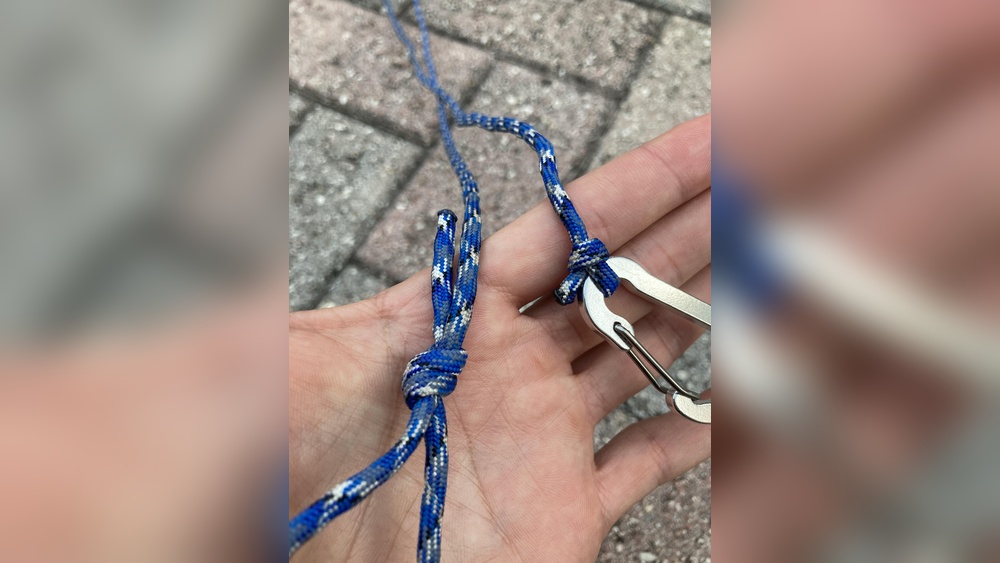
Choosing the best knot for your dog lead can make all the difference in keeping your furry friend safe and comfortable. You want a knot that’s strong, easy to tie, and won’t slip or come undone during your walks.
If you’ve ever struggled with tangled leads or worrying about your dog breaking free, this guide is for you. Keep reading to discover the top knots that will give you peace of mind and make every walk smoother and safer.
Your dog deserves the best, and so do you.
Choosing The Right Knot
Choosing the right knot for a dog lead matters a lot. The knot keeps the lead strong and safe. It also affects how easy the lead is to use. Picking the best knot depends on different things. Understanding these helps you pick the right one for your dog.
Factors To Consider
Think about the dog’s size and strength. Big dogs need stronger knots. Small dogs can use simpler knots. Consider the lead’s material. Some knots work better on nylon, others on leather. Also, think about the knot’s ease of tying. You want a knot that holds tight but is easy to untie. Safety is important. The knot must not slip or come loose.
Types Of Dog Leads
There are many types of dog leads. Standard leads, retractable leads, and slip leads are common. Each type may need a different knot. Standard leads often use simple knots like the overhand or figure-eight. Retractable leads might need knots that prevent slipping. Slip leads require knots that tighten but do not hurt the dog. Knowing your lead type helps choose the best knot for it.

Credit: www.reddit.com
Essential Knots For Dog Leads
Knowing the right knots for dog leads is very useful. It keeps your dog safe and your lead strong. These knots hold well and are easy to tie. They work for different types of leads and situations. Learning a few essential knots helps you handle your dog better.
Each knot has its own strength and use. Some knots tighten under pressure. Others stay firm without slipping. Choose the knot that fits your lead and dog’s needs.
Slip Knot
The slip knot is quick and easy to tie. It forms a loop that tightens when pulled. This knot is good for temporary holds. It lets you adjust the lead length fast. Slip knots work well for training and walking.
Figure Eight Knot
The figure eight knot is strong and does not slip. It creates a secure loop at the lead’s end. This knot is simple to learn and reliable. It keeps the lead attached safely to collars or harnesses.
Bowline Knot
The bowline knot makes a fixed loop that does not tighten. It is easy to untie after use. This knot is great for making a lead loop handle. It stays firm even if the dog pulls hard.
Double Fisherman’s Knot
The double fisherman’s knot joins two ropes tightly. It is perfect for extending or repairing leads. This knot is strong and holds under heavy strain. It is less common but very useful for long leads.
Clove Hitch
The clove hitch fastens the lead to posts or rings. It holds well but is easy to adjust. This knot is helpful when you need to tie your dog safely for a short time. It works best on smooth, round objects.
Step-by-step Knot Tying Techniques
Knowing how to tie strong knots is key for a safe dog lead. Each knot has its use and strength. Follow clear steps to make sure your knot holds well.
Practice these knot tying techniques to keep your dog secure. Use simple, easy steps to tie each knot correctly.
Tying A Slip Knot
Make a loop in the rope. Pass the end through the loop. Pull the end to tighten the knot. The loop size can change easily. It holds well but unties fast when needed.
Making A Figure Eight
Form a loop in the rope. Pass the end around and through the loop again. Pull both ends to tighten. This knot is strong and stops the rope from slipping.
Creating A Bowline
Make a small loop near the rope’s end. Pass the end through the loop from below. Wrap the end around the standing rope. Pass it back through the small loop. Pull tight. This knot makes a fixed loop that won’t slip.
Using Double Fisherman’s Knot
Lay two rope ends side by side. Wrap one end twice around the other rope. Pass it back through the loops. Repeat with the other end. Pull both knots together. This knot joins two ropes firmly.
Securing With Clove Hitch
Wrap the rope around a post once. Cross it over and wrap again. Tuck the end under the last wrap. Pull tight. The clove hitch is quick and holds well on poles or rings.
Benefits Of Each Knot
Choosing the right knot for your dog lead makes a big difference. Each knot offers unique benefits that suit different needs. Knowing these benefits helps you pick the best knot for your dog’s safety and comfort.
Security And Strength
Some knots hold tight under pressure. They keep the lead secure and prevent slipping. Strong knots protect your dog during walks. They stop sudden pulls from causing accidents. A good knot means peace of mind.
Ease Of Tying And Untying
Simple knots save time and effort. Easy knots help you tie the lead fast. They also come undone quickly when needed. This is useful during busy walks or emergencies. You avoid frustration with knots that are hard to undo.
Adjustability
Adjustable knots let you change the lead’s length. This gives more control over your dog’s space. You can loosen or tighten the lead as needed. Flexible knots suit different walking situations. They make walks more comfortable for you and your dog.
Common Mistakes To Avoid
Choosing the right knot for your dog lead is important. Many people make mistakes that reduce safety and control. Avoiding these common errors can keep your dog secure and comfortable.
Loose Knots
Loose knots can slip or come undone easily. This makes the lead unsafe for your dog. Always tighten the knot firmly. Check the knot before every walk. A tight knot holds better and gives you control.
Wrong Knot For Lead Type
Different leads need different knots. A knot that works on one lead might fail on another. Thick leads need strong, bulkier knots. Thin leads require smaller, tighter knots. Match the knot style to your lead material.
Ignoring Knot Wear And Tear
Knot areas face a lot of stress. Over time, they can weaken and fray. Not checking knots regularly risks breakage. Inspect your knots for damage often. Replace or retie knots if you see wear.

Credit: www.thehonestkitchen.com
Tips For Maintaining Secure Dog Leads
Keeping your dog lead secure is very important for safety. A strong knot helps, but regular care matters too. Small steps can stop accidents and keep your dog safe. Here are some easy tips to maintain your dog lead well.
Regular Inspection
Check your dog lead often for signs of wear. Look closely at the knot to see if it is tight and neat. Loose or frayed knots can fail. Inspect the entire lead for cuts or weak spots. Catch problems early to avoid breaks.
Replacing Worn Knots
Replace knots that show damage or slip. A worn knot cannot hold well and risks coming undone. Learn the best knot for your lead type and tie it firmly. Changing knots regularly keeps your lead strong and safe.
Proper Lead Storage
Store your dog lead in a dry place. Avoid leaving it outside in the sun or rain. Moisture and sunlight weaken the material over time. Coil the lead loosely to stop kinks and tangles. Good storage helps your lead last longer.

Credit: m.youtube.com
Frequently Asked Questions
What Is The Best Knot For Securing A Dog Lead?
The best knot for a dog lead is the Bowline knot. It creates a strong, fixed loop that won’t slip. This knot is easy to tie and untie, even after heavy pulling. It’s reliable and safe for daily dog walks.
How Do I Tie A Bowline Knot For My Dog Lead?
To tie a Bowline knot, make a small loop near the lead’s end. Pass the rope’s tail through the loop, around the standing part, and back into the loop. Tighten the knot firmly. Practice ensures a secure and safe hold on your dog lead.
Why Choose The Bowline Knot Over Other Knots For Leads?
The Bowline knot is preferred because it stays secure under tension. Unlike other knots, it doesn’t slip or tighten excessively. It’s simple to learn and untie, making it ideal for dog leads. This knot ensures your dog’s safety during walks.
Can The Bowline Knot Be Used With All Dog Lead Materials?
Yes, the Bowline knot works well with most dog lead materials like nylon, leather, and rope. It holds firmly without damaging the lead. Always check the knot before use to ensure it is tight and secure for your dog’s safety.
Conclusion
Choosing the best knot for your dog lead keeps walks safe and smooth. A strong knot stops the lead from slipping or coming undone. Try simple knots like the figure-eight or bowline for easy tying. Practice a few times to feel confident and quick.
A good knot helps control your dog better outside. Small effort, big difference. Keep your dog safe and enjoy every walk together.


