
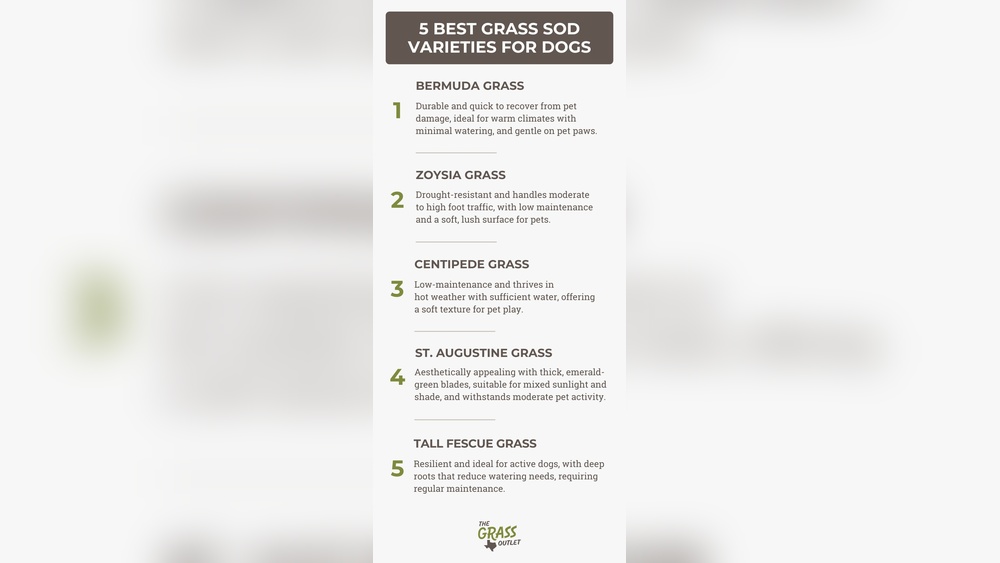
If you have an active dog who loves to run and play, you know how tough it can be to keep your lawn looking good. Your grass takes a real beating from all that paw traffic, especially in shady spots where grass struggles to grow.
Finding the best grass that can handle both heavy use and shade isn’t easy—but it’s possible. You’ll discover which types of grass stand up to your dog’s energy and thrive in low-light areas. Keep reading, and you’ll learn how to create a beautiful, durable yard your dog will love and you’ll be proud of.
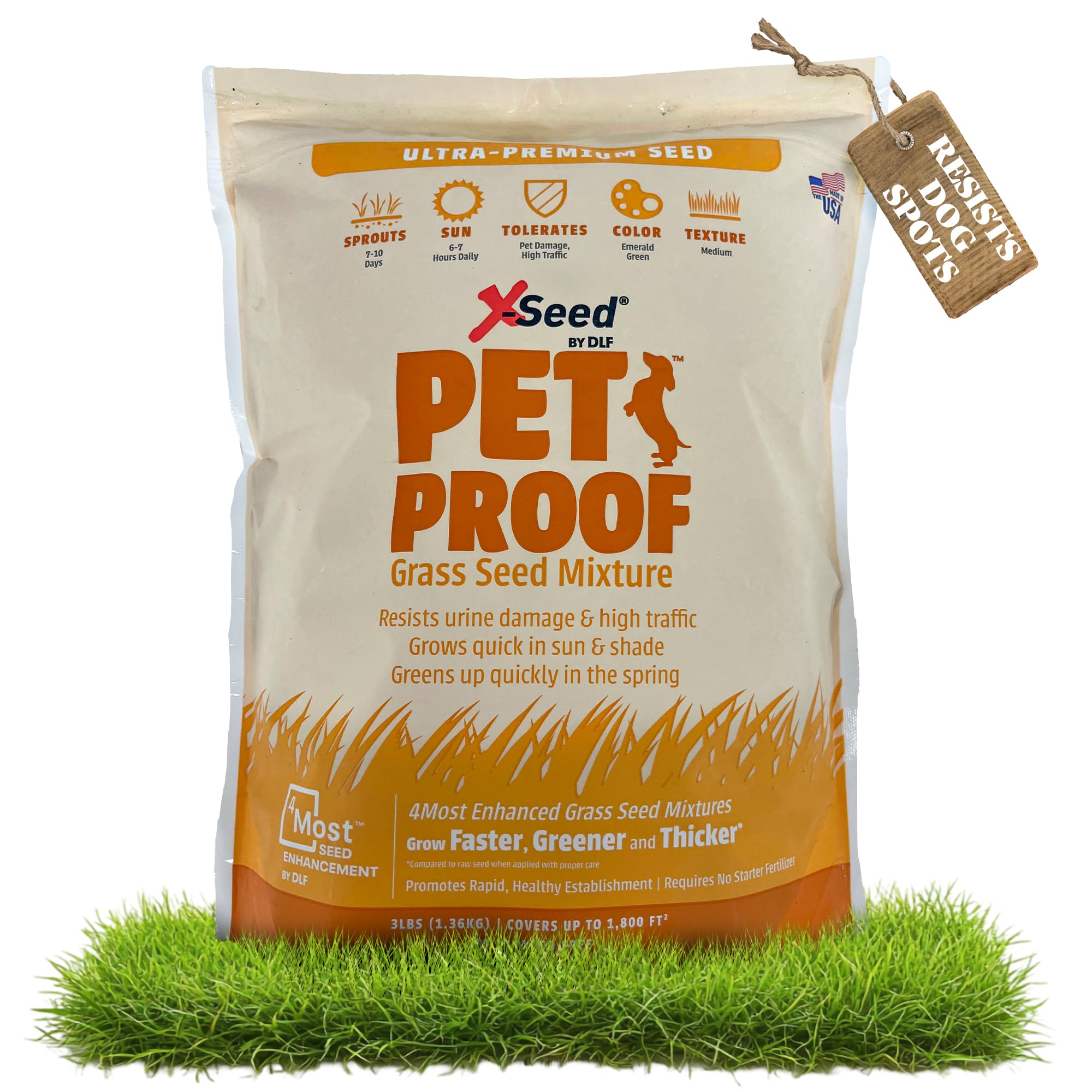
Credit: www.amazon.com
Durable Grass Types For Active Dogs
Active dogs need grass that stands up to heavy use. Durable grass types handle paw traffic well without wearing out quickly. These grasses stay green and healthy even under shade and frequent running. Choosing the right grass helps keep your yard safe and pleasant for your dog.
Kentucky Bluegrass
Kentucky Bluegrass is tough and recovers fast from damage. It has a dense growth that resists wear and tear. This grass prefers cooler weather and does well in partial shade. Its deep roots help it survive heavy use and drought. Great for dogs that love to run and play.
Perennial Ryegrass
Perennial Ryegrass grows quickly and handles traffic well. It has a fine texture and bright green color. This grass adapts to different soil types and light levels. It is ideal for shaded areas with moderate dog activity. Ryegrass also repairs bare spots fast.
Tall Fescue
Tall Fescue is strong and drought-resistant. It has wide blades and a deep root system. This grass thrives in shade and tolerates heavy foot traffic. Tall Fescue stays green longer in hot weather. It is a solid choice for active dogs in shaded yards.
Grass Options That Thrive In Shade
Choosing the right grass for shaded areas is key for dog owners. Dogs love to run and play, but shade limits sunlight for grass. Some grasses handle shade better and stay green and strong. These grasses also resist wear from high traffic. Here are three good options that thrive in shade and suit active dogs.
Fine Fescue Varieties
Fine fescue grasses grow well in low light. They have thin, soft blades that look nice and feel smooth. These grasses tolerate shade better than many types. Fine fescues also recover quickly from foot traffic. They need less water and fertilizer, saving time and money. Perfect for shady yards with playful dogs.
St. Augustine Grass
St. Augustine grass is popular for shady lawns. It has wide, flat blades and spreads fast. This grass stays green with little sun. It handles moderate shade well and resists wear. St. Augustine holds up well under dog activity. Great for homes with trees and playful pets.
Zoysia Grass
Zoysia grass grows thick and tough. It tolerates shade and heavy use by dogs. This grass forms a dense carpet that protects soil. Zoysia needs less mowing and watering. It recovers well from damage. Ideal for shady spots where dogs run and rest.
Balancing Durability And Shade Tolerance
Choosing the best grass for areas with heavy dog traffic and shade is tricky. Grass needs to be tough to handle paws and gentle enough to grow in less sunlight. Balancing these needs ensures a green, healthy lawn your dogs can enjoy.
Dogs running and playing can quickly damage weak grass. Shade blocks sunlight, which grass needs to grow well. Finding grass types that survive both challenges keeps your lawn alive and vibrant.
Mixing Grass Types
Combine grass types for the best results. Use durable grasses that resist wear for sunny spots. Add shade-tolerant grasses where sunlight is low. This mix creates a lawn that stands up to dogs and shade.
Popular tough grasses include Kentucky bluegrass and tall fescue. For shade, fine fescue and St. Augustine grass work well. Mixing these grasses spreads the strengths and covers weak spots.
Soil And Drainage Considerations
Good soil supports strong grass roots. Test soil to check pH and nutrients. Amend soil with compost to improve texture and fertility. Well-drained soil prevents water buildup that harms grass roots.
Dogs often create compacted soil from running and digging. Aerate soil regularly to reduce compaction. This allows roots to breathe and grow deeper, making grass more resilient. Proper soil care supports both durability and shade tolerance.
Maintenance Tips For Lush Lawns
Maintaining a lush lawn that stands up to high traffic from dogs and thrives in shaded areas needs care. The right steps help grass grow strong and stay green. Simple daily actions make a big difference. Healthy grass resists wear and recovers faster. Follow these maintenance tips for a beautiful yard your dogs will enjoy.
Watering Strategies
Water deeply but less often. This encourages deep root growth. Early morning is the best time to water. Avoid watering in the heat of the day to reduce evaporation. Use a sprinkler to cover all areas evenly. Check soil moisture before watering again. Overwatering can harm grass roots and cause disease.
Mowing Practices
Keep grass at the right height to protect roots. Mow regularly, but never cut more than one-third of the blade. Sharp mower blades create clean cuts and prevent damage. Leave grass clippings on the lawn to add nutrients. Change mowing patterns to avoid compacting soil. Stop mowing during drought or extreme heat to reduce stress.
Fertilizing Schedules
Feed grass with balanced fertilizer for steady growth. Apply fertilizer in early spring and fall. Use slow-release formulas to avoid burning grass. Follow package instructions for the right amount. Water after fertilizing to help nutrients soak in. Avoid fertilizing in very hot weather to protect grass health.
Protecting Grass From Dog Wear And Tear
Dogs love running and playing on grass. This activity can quickly wear down your lawn. Protecting grass from dog wear and tear is important for a lush yard. Taking simple steps can keep your grass green and healthy. It helps your lawn last longer despite heavy use.
Training And Designated Play Areas
Training dogs to use certain parts of the yard helps protect grass. Teach your dog to play in a specific area. This reduces the chance of damage to the entire lawn. Use barriers or fences to mark play zones clearly. This keeps your grass safer and your dog happy.
Regularly clean the play area to avoid dirt and mud buildup. Rotate play spots to give grass time to recover. This approach helps keep your yard neat and durable.
Repairing Damaged Spots
Check your lawn often for worn or bare spots. Fix these areas quickly to prevent bigger problems. Reseed or patch damaged spots with new grass seed. Use soil and water to help seeds grow strong.
For severe wear, consider adding grass types that resist heavy use. Mowing and watering correctly also help grass recover fast. Small repairs keep your lawn looking good and lasting longer.
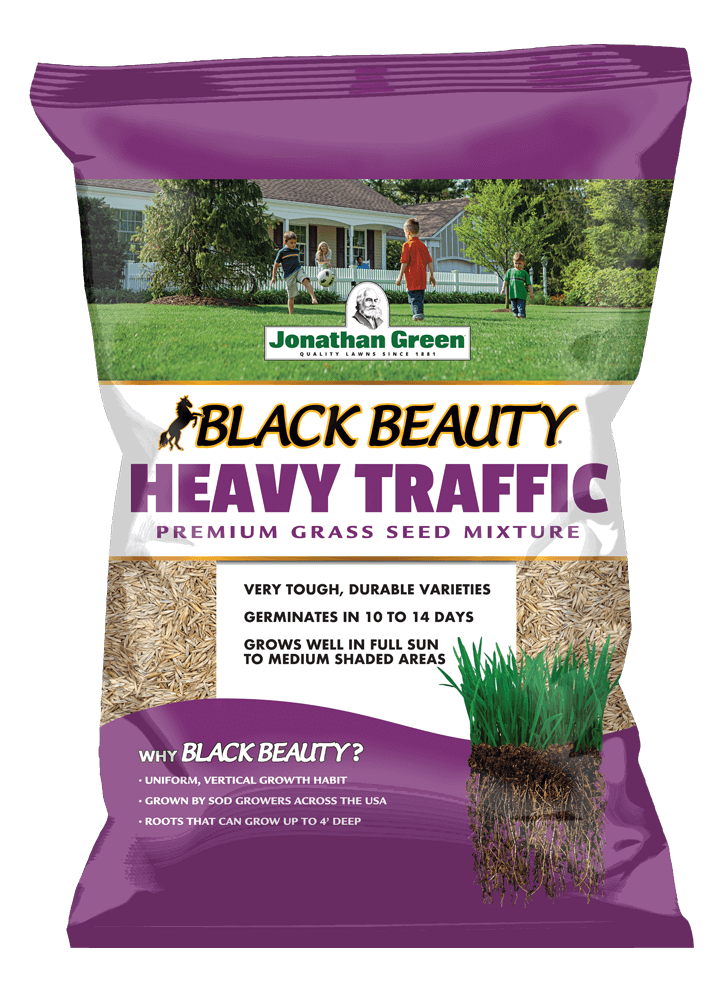
Credit: www.jonathangreen.com
:max_bytes(150000):strip_icc()/Centipede_Grass1-f479ace604d24b399245bd8f876f9097.JPG)
Credit: www.thespruce.com
Frequently Asked Questions
What Type Of Grass Withstands Heavy Dog Traffic?
Kentucky Bluegrass and Bermuda grass are durable options. They resist wear, recover quickly, and tolerate foot traffic well, making them ideal for active dogs.
Which Grass Grows Well In Shaded Dog Areas?
Fine fescue and St. Augustine grass thrive in shaded spots. They tolerate low sunlight and maintain a lush green appearance under shade.
How To Maintain Grass With High-traffic Dogs?
Regular watering, aeration, and reseeding help maintain turf. Remove pet waste promptly and use durable grass types to keep lawns healthy and green.
Can Artificial Grass Replace Natural Grass For Dogs?
Yes, artificial grass is low-maintenance and pet-friendly. It withstands heavy use and eliminates mud, but lacks natural cooling and soil benefits.
Conclusion
Choosing the right grass helps keep your yard safe and green. Strong grasses stand up to dogs running and playing. Shade-loving types stay healthy under trees and in dark spots. This means less patchy grass and more fun outside. Healthy grass means a happy dog and a beautiful lawn.
Care and regular watering keep grass fresh and strong. Your outdoor space will stay inviting for both pets and people. Simple choices make a big difference in your garden’s life.


