
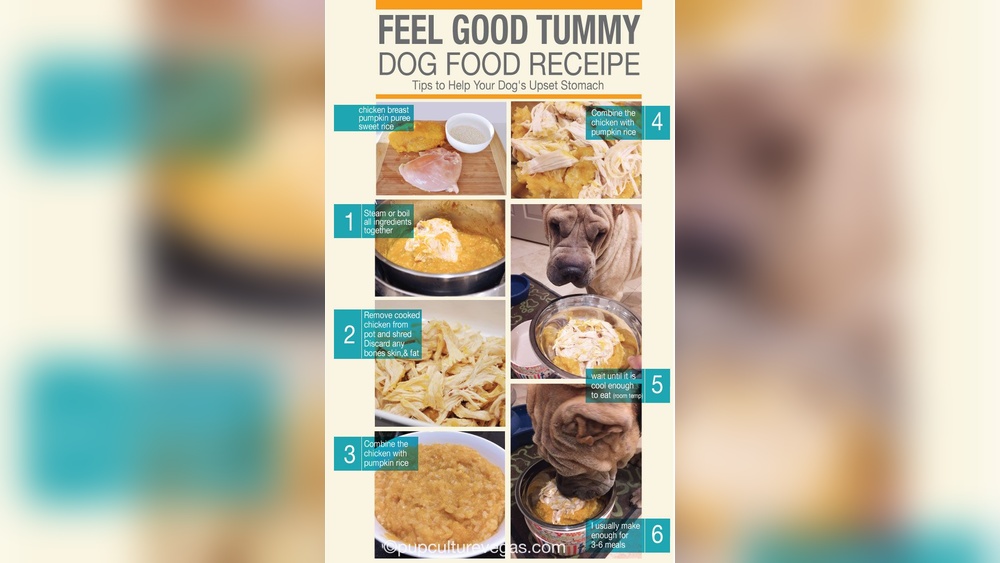
Is your dog feeling under the weather with an upset stomach? It can be tough to see your furry friend uncomfortable and unsure of what to feed them.
You want to help, but giving the wrong food might make things worse. Don’t worry—knowing the best things to feed a dog with an upset stomach can make all the difference. You’ll discover simple, safe, and effective options that can soothe your dog’s tummy and get them back to their happy self faster.
Keep reading to find out exactly what your dog needs right now.

Credit: benya.tech
Causes Of Upset Stomach In Dogs
Understanding the causes of an upset stomach in dogs helps you care for your pet better. Dogs can suffer from stomach issues due to many reasons. Identifying the cause is key to finding the right treatment and diet.
Common Digestive Issues
Dogs often face digestive problems like indigestion, gas, or diarrhea. These issues can upset their stomach and cause discomfort. Sometimes, infections or parasites can harm their digestive system. Such problems need gentle care and proper feeding to heal.
Dietary Triggers
What dogs eat plays a big role in their stomach health. Eating spoiled food, table scraps, or too much fat can cause upset stomachs. Sudden diet changes can also disturb their digestion. Feeding the right food in the right amount helps prevent problems.
Stress And Illness Factors
Stress can upset a dog’s stomach just like in humans. Changes in the environment or loud noises may cause stomach issues. Illnesses like infections or chronic diseases also affect digestion. Keeping your dog calm and healthy supports better stomach health.
Signs Your Dog Has An Upset Stomach
Recognizing signs of an upset stomach in your dog is important. Dogs cannot tell us when they feel unwell. Observing their behavior helps you act quickly. Early detection can prevent serious health issues. Here are common signs to watch for.
Vomiting And Diarrhea
Vomiting is a clear sign of stomach trouble. Dogs may throw up food or liquid. Diarrhea is another common symptom. It can be watery or loose stools. Both signs show your dog’s digestive system is upset.
Lethargy And Loss Of Appetite
A sick dog often feels tired and weak. Lethargy means less energy and less play. Loss of appetite is when your dog refuses food. These signs suggest your dog is not feeling well.
Other Behavioral Changes
Changes in behavior can also signal discomfort. Your dog may seem restless or anxious. They might lick their lips or drool more. Whining or hiding are signs of pain or unease.
Foods That Soothe Digestive Troubles
Dogs with upset stomachs need gentle foods that calm their digestion. These foods help reduce nausea and ease stomach pain. They also support quick recovery and prevent further irritation.
Choosing the right food helps your dog feel better fast. Here are some easy and safe options to feed dogs with digestive troubles.
Boiled Chicken And Rice
Boiled chicken and rice is a classic choice for upset stomachs. The chicken provides protein that is easy to digest. Rice adds gentle carbohydrates that help bind loose stools. This bland meal is mild and unlikely to upset the stomach further. Make sure to remove skin and bones before cooking. Serve it plain without spices or sauces.
Pumpkin And Sweet Potatoes
Pumpkin and sweet potatoes are rich in fiber and vitamins. Fiber helps regulate digestion and eases both diarrhea and constipation. These foods add moisture to stools and support gut health. Use plain canned pumpkin or cooked sweet potatoes without sugar or seasoning. They are soft, easy to digest, and safe for upset stomachs.
Plain Yogurt And Probiotics
Plain yogurt contains good bacteria that aid digestion. Probiotics help restore balance in the gut after illness. Choose yogurt without added sugar or artificial flavors. A small amount mixed into food can soothe the stomach. Probiotic supplements designed for dogs also support a healthy digestive system.
Foods To Avoid During Recovery
Choosing the right foods is vital for a dog with an upset stomach. Some foods can make symptoms worse and slow recovery. Avoiding certain items helps your dog heal faster and feel better soon. Here are foods to avoid during your dog’s recovery.
Fatty And Fried Foods
Fatty and fried foods strain your dog’s digestive system. They can cause nausea, vomiting, and diarrhea. These foods are hard to digest and may increase stomach upset. Keep your dog away from fried chicken, greasy meats, and fast food during recovery.
Dairy Products
Dairy products often upset dogs’ stomachs. Many dogs are lactose intolerant, meaning they cannot digest milk properly. Avoid milk, cheese, yogurt, and cream. These can cause gas, bloating, and diarrhea. Stick to water and bland foods instead.
Spices And Seasonings
Spices and seasonings can irritate a dog’s stomach lining. Ingredients like garlic, onion, salt, and pepper are harmful. Even small amounts may cause vomiting or pain. Feed your dog plain food without any added flavors during recovery.
Hydration And Feeding Tips
Keeping a dog hydrated and feeding them correctly is key during stomach troubles. Proper care helps their body heal faster. It also prevents dehydration and more serious issues. Watch your dog closely and adjust feeding and water habits carefully.
Small, gentle changes make a big difference. Let’s explore some simple hydration and feeding tips for upset stomachs.
Small Frequent Meals
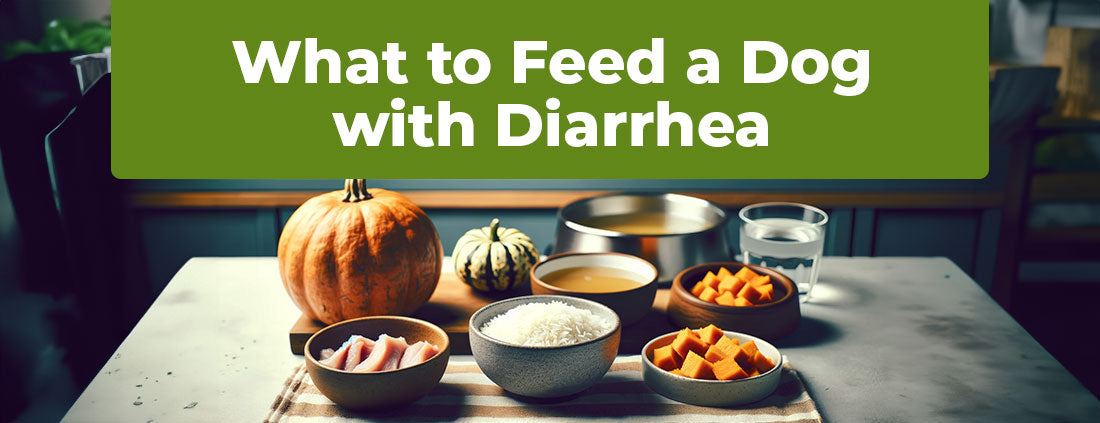
Serve small amounts of food often. This helps the stomach handle food better. Large meals can cause more upset. Try feeding four to six small meals a day. Use bland foods like boiled chicken and rice. These are easy to digest and gentle on the stomach.
Encouraging Water Intake
Water is very important when your dog feels sick. Offer fresh water regularly. Use a clean bowl placed in a quiet spot. Some dogs prefer ice chips or flavored water. Avoid sugary or salty drinks. Keep water available at all times to prevent dehydration.
When To Withhold Food
Sometimes, skipping food is necessary for a short time. If your dog vomits repeatedly, hold off on feeding. This helps the stomach settle and recover. Usually, fasting 12 to 24 hours is enough. Always provide water during this time. After fasting, reintroduce food slowly with small meals.
Credit: www.chefpaw.com
When To Consult A Veterinarian
Knowing when to consult a veterinarian is important for your dog’s health. Upset stomachs often clear up with home care. Some cases need expert help to avoid serious problems. Watch your dog closely and act fast if signs worsen.
Persistent Symptoms
Symptoms lasting more than 24 to 48 hours need veterinary attention. Vomiting, diarrhea, or lack of appetite that does not improve is a warning. Your dog may become weak or dehydrated. Early care prevents complications and speeds recovery.
Signs Of Severe Illness
Look for severe signs like blood in stool or vomit. Difficulty breathing, severe pain, or sudden weakness require urgent care. If your dog is very lethargic or unresponsive, do not wait. These symptoms can mean serious illness or poisoning.
Professional Treatment Options
Veterinarians can provide fluids to treat dehydration. They may give medications to control nausea or infections. Sometimes tests are needed to find the cause. Professional care ensures your dog gets the right treatment fast.

Credit: labiosthetique.ee
Frequently Asked Questions
What Foods Are Safe For Dogs With Upset Stomachs?
Boiled chicken, white rice, and plain pumpkin are safe and gentle foods. They help soothe your dog’s digestive system and provide nutrients without causing irritation.
How Long Should I Feed Bland Food To My Dog?
Feed bland food for 2 to 3 days until symptoms improve. Gradually reintroduce regular food after your dog’s stomach settles to avoid further upset.
Can I Give Probiotics To A Dog With An Upset Stomach?
Yes, probiotics can help restore healthy gut bacteria. Consult your vet for the right probiotic type and dosage for your dog’s condition.
Should I Avoid Dairy When My Dog Has An Upset Stomach?
Yes, avoid dairy as many dogs are lactose intolerant. Dairy can worsen diarrhea and cause additional stomach discomfort.
Conclusion
Feeding a dog with an upset stomach needs care and patience. Choose bland foods like boiled chicken and rice. Avoid rich or spicy meals that might cause more pain. Always give small portions to help digestion. Watch your dog’s behavior and health closely.
If symptoms last, visit the vet quickly. Good food and gentle care help your dog feel better soon. Keeping meals simple supports healing and comfort. Your dog will thank you with wagging tails and happy eyes.


