Choosing the perfect dog can bring joy, comfort, and companionship to your life, especially as you enjoy your golden years. But with so many breeds out there, finding one that fits your lifestyle and energy level might feel overwhelming.
What if you could discover dogs that are gentle, low-maintenance, and great for seniors like you? You’ll explore the ten best dogs that match your needs perfectly. Keep reading to find your new best friend and enjoy the benefits of a loving companion by your side.

Credit: www.youtube.com
Benefits Of Dogs For Seniors
Dogs offer many benefits for seniors. They bring joy and comfort every day. Many seniors feel less lonely with a dog by their side.
Having a dog can also improve health and well-being. A dog encourages activity and helps create a daily routine. These benefits support a happier and healthier life.
Companionship And Emotional Support
Dogs are loyal friends. They provide constant companionship and reduce feelings of loneliness. Many seniors find comfort in their dog’s presence. This emotional support lowers stress and anxiety levels.
Physical Activity And Health
Walking a dog promotes regular exercise. This helps seniors stay active and maintain fitness. Physical activity can improve heart health and mobility. Dogs encourage seniors to spend time outdoors, which lifts mood and energy.
Routine And Social Interaction
Caring for a dog creates a daily routine. Feeding, walking, and playing give structure to the day. Dogs also help seniors meet new people during walks or at parks. This social interaction reduces isolation and boosts happiness.

Credit: www.youtube.com
Key Traits For Senior-friendly Dogs
Choosing the right dog for seniors means focusing on traits that match their lifestyle. Senior-friendly dogs need to be gentle, easy to care for, and not require too much exercise. These traits help seniors enjoy their pets without stress or extra work.
Calm Temperament
Dogs with a calm temperament stay relaxed and gentle. They avoid being too noisy or hyperactive. Such dogs fit well in quiet homes and bring comfort to seniors. A calm dog helps reduce stress and provides a peaceful companion.
Low Exercise Needs
Dogs that need little exercise suit seniors best. They enjoy short, slow walks rather than long runs. Low exercise dogs require less energy and time. This makes daily care easier and more enjoyable for seniors.
Manageable Size
Small to medium-sized dogs are easier to handle. They are light enough to lift or carry if needed. Manageable size dogs are safer on slippery floors or stairs. They fit well in smaller living spaces too.
Easy Grooming
Dogs with simple grooming needs save time and effort. Short-haired breeds often need just brushing now and then. Easy grooming means less hassle and lower costs. This trait keeps dog care straightforward and stress-free for seniors.
Top Ten Dog Breeds For Seniors
Choosing the right dog breed is important for seniors. Dogs bring joy and companionship. Some breeds fit seniors’ lifestyles better. They need to be gentle, low-energy, and easy to care for. Here are ten dog breeds that suit seniors well.
Cavalier King Charles Spaniel
This breed is gentle and affectionate. They enjoy sitting on laps and quiet time. Their size is perfect for small spaces. They do need regular grooming.
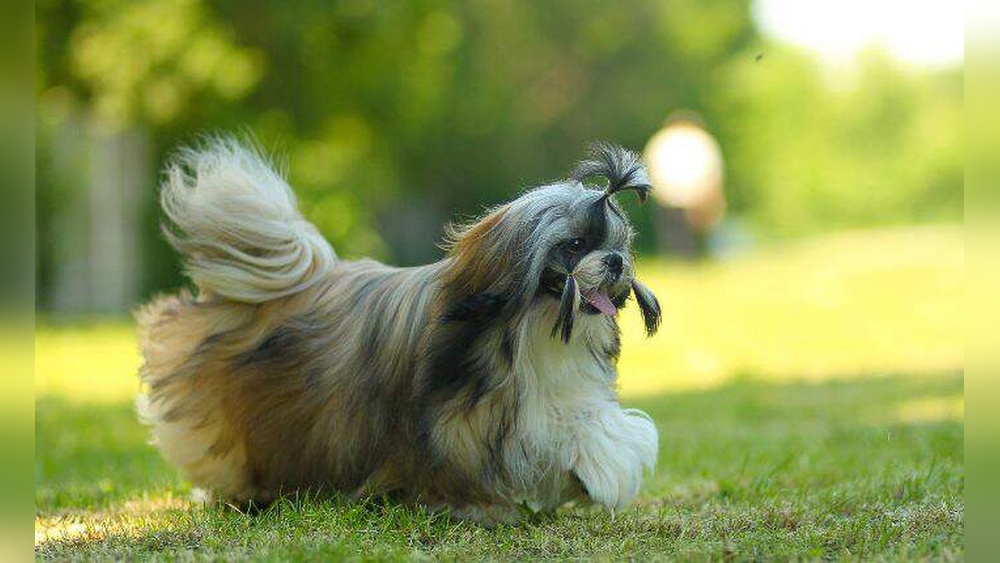
Shih Tzu
Shih Tzus are friendly and calm. They adapt well to apartment living. Their coat needs daily brushing. They love short, gentle walks.
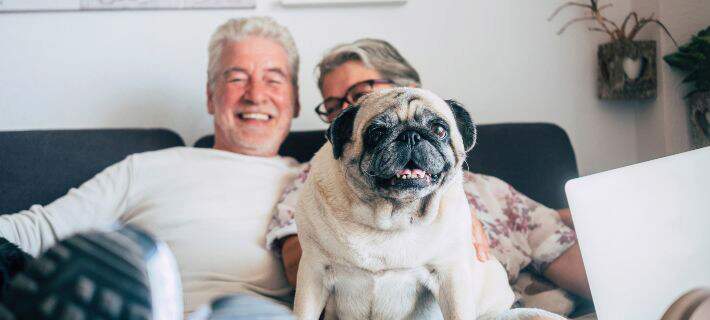
Pug
Pugs are playful but not too active. They have a sweet personality. They do well indoors and enjoy cuddles. Watch their weight and breathing health.
Maltese
Maltese dogs are small and lively. They bond closely with owners. They need regular grooming. Their energy is good for light exercise.
Bichon Frise
Bichons are cheerful and social dogs. They do well in small homes. Their coat is curly and hypoallergenic. They enjoy playtime but rest often.
Chihuahua
Chihuahuas are tiny and alert. They are loyal to their owners. They need less exercise but love attention. Their small size suits seniors well.
French Bulldog
French Bulldogs are calm and friendly. They do not need much exercise. Their short coat is easy to care for. They enjoy company and short walks.
Greyhound
Greyhounds are quiet and gentle dogs. They are surprisingly calm indoors. They need short bursts of running. Their short coat requires little grooming.
Boston Terrier
Boston Terriers are lively but manageable. They have a friendly nature. Their size fits apartment living. They enjoy daily short walks.
Cocker Spaniel
Cocker Spaniels are affectionate and gentle. They need regular grooming. They enjoy play and short walks. Their friendly nature suits seniors well.
Credit: www.nylabone.com
Adopting Vs. Buying For Seniors
Choosing a dog is a big decision for seniors. It affects their lifestyle, health, and happiness. Deciding between adopting a dog or buying one is important. Each option has different benefits and challenges to consider.
Adopting a dog means giving a home to an animal in need. Buying a dog often involves finding a breeder or pet store. Seniors should think about their own needs and the dog’s needs before deciding.
Benefits Of Adoption
Adopting saves a dog from shelters or rescue groups. Many dogs in shelters are calm and good with older people. Shelter dogs often come with health checks and vaccinations. Adoption fees are usually lower than buying from breeders. Adopting supports animal welfare and reduces pet overpopulation. It feels rewarding to give a dog a second chance.
Choosing Reputable Breeders
Buying from a good breeder means healthier dogs. Reputable breeders test their dogs for diseases. They raise puppies in clean, caring environments. Breeders provide important health and behavior information. Avoid places that sell many breeds quickly. Responsible breeders help match the right dog to seniors’ lifestyles.
Senior Dog Adoption
Older dogs make great companions for seniors. They often have calm personalities and need less exercise. Senior dogs are usually trained and socialized. Adopting an older dog can reduce stress and loneliness. Many shelters offer discounts for senior dog adoptions. This choice can bring peace and joy to both dog and owner.
Care Tips For Senior Dog Owners
Taking care of a dog is a rewarding job for seniors. Dogs bring joy and companionship. They need special care as they grow older. This section shares simple tips to help senior dog owners keep their pets healthy and happy. Small efforts make a big difference in a dog’s life.
Health And Vet Visits
Regular vet visits catch health problems early. Schedule check-ups twice a year. Vaccinations and dental care stay current. Watch for changes in behavior or eating habits. Early detection helps treat issues before they get worse. Keep a list of your dog’s medications and health records ready.
Diet And Nutrition
Choose food made for older dogs. Senior dog food has fewer calories but more nutrients. Avoid giving human snacks or table scraps. Fresh water should always be available. Monitor your dog’s weight to prevent obesity. Consult a vet for diet changes or special needs.
Exercise Guidelines
Exercise keeps dogs strong and happy. Short, gentle walks are best for senior dogs. Avoid hard running or jumping. Playtime helps with mental health and bonding. Adjust activity levels based on your dog’s energy and health. Always watch for signs of tiredness or pain.
Grooming Routine
Regular grooming keeps skin and coat healthy. Brush your dog’s fur to remove dirt and loose hair. Check ears for signs of infection or wax buildup. Trim nails carefully to avoid discomfort. Bathing should be gentle and not too frequent. Grooming also helps spot lumps or injuries early.
Creating A Safe Home Environment
Creating a safe home environment is very important for seniors who have dogs. Safety helps prevent accidents and keeps both the senior and the dog happy. A secure space lets seniors enjoy their time with their pets without worry. Small changes can make a big difference in daily life. Here are some key areas to focus on.
Preventing Falls And Injuries
Falls are a common risk for seniors at home. Remove loose rugs and clutter that can cause trips. Use non-slip mats in areas like the kitchen and bathroom. Keep walkways clear and well-lit to improve visibility. Teach dogs to stay off stairs or use gates to block them. Choose dog breeds that are calm and less likely to jump or pull on leashes.
Comfortable Resting Areas
Seniors and dogs both need cozy spots to rest. Provide a soft bed for the dog in a quiet place. Avoid beds that are too high or too hard. Place the bed near the senior’s favorite sitting area for easy company. Use washable covers to keep the area clean. Ensure the resting space is warm and draft-free to keep pets comfortable.
Accessibility Considerations
Make sure the home is easy to move around for seniors and dogs. Use ramps or low steps to help dogs enter and exit the house. Keep food and water bowls at a height that is easy to reach. Avoid heavy doors or gates that are hard to open. Arrange furniture to allow smooth movement for seniors with mobility aids. These steps help create a home that is safe and welcoming for everyone.
Frequently Asked Questions
What Are The Best Dog Breeds For Seniors?
Small to medium breeds like Shih Tzus, Cavaliers, and Pugs suit seniors well. They require less exercise and are gentle companions. These dogs offer affection without demanding high energy, making them ideal for older adults seeking loyal, low-maintenance pets.
How Do Senior-friendly Dogs Benefit Elderly Owners?
Senior-friendly dogs provide companionship, reduce stress, and encourage light physical activity. They help combat loneliness and improve mental health. These dogs are usually calm, making daily care manageable and enhancing seniors’ overall quality of life.
What Size Dog Is Ideal For Seniors?
Small to medium-sized dogs are best for seniors. They are easier to handle, require less space, and need moderate exercise. Larger dogs may be harder to manage physically. Choosing the right size ensures safety and comfort for elderly owners.
How Much Exercise Do Senior Dogs Need?
Senior dogs typically need 20 to 30 minutes of moderate daily exercise. Gentle walks or play sessions keep them healthy and active. This level suits most seniors, balancing physical activity without causing strain for both owner and pet.
Conclusion
Choosing the right dog can bring joy and comfort to seniors. Small to medium breeds often fit best with easy care needs. Gentle, calm dogs help create a peaceful home environment. Companionship improves mood and encourages light activity daily. Each dog has its own unique personality and charm.
Think about your lifestyle and energy when picking a friend. A loving dog can brighten days and ease loneliness. Enjoy the special bond that grows with time. A thoughtful choice leads to many happy years together.