Are you tired of finding unwanted dog poop in your yard or garden? It’s frustrating, messy, and can even damage your outdoor space.
You want a simple, effective way to keep your furry friend from turning your lawn into their bathroom. The good news is, there are proven poop deterrents that can help you solve this problem quickly. You’ll discover the best poop deterrent for dogs—solutions that work without causing stress for your pet.
Keep reading to find out how you can protect your yard and enjoy a cleaner, fresher outdoor space every day.
Common Causes Of Dog Pooping Indoors
Dogs pooping indoors can be frustrating for pet owners. Understanding why this happens helps solve the problem. Many reasons cause dogs to poop inside the house. Some are health-related, some are about behavior, and others depend on the environment. Knowing these causes helps choose the best poop deterrent for dogs.
Health Issues
Sickness often makes dogs lose control of their bowels. Digestive problems like diarrhea cause accidents. Older dogs may have trouble holding it long. Parasites can upset their stomachs. Sometimes, pain or injury stops dogs from going outside. A vet check can find these health problems.
Behavioral Reasons
Dogs sometimes poop indoors due to stress or anxiety. Changes in the home, like new pets, can confuse them. Some dogs mark their territory with poop. Lack of training also leads to indoor accidents. Puppies need time and patience to learn bathroom rules.
Environmental Factors
Weather can stop dogs from going outside. Rain, snow, or cold might make them stay indoors. Limited outdoor access can cause accidents. A busy schedule may reduce bathroom breaks. Dogs need a clean, safe place outside to do their business.

Credit: www.amazon.com
Effective Poop Deterrent Products
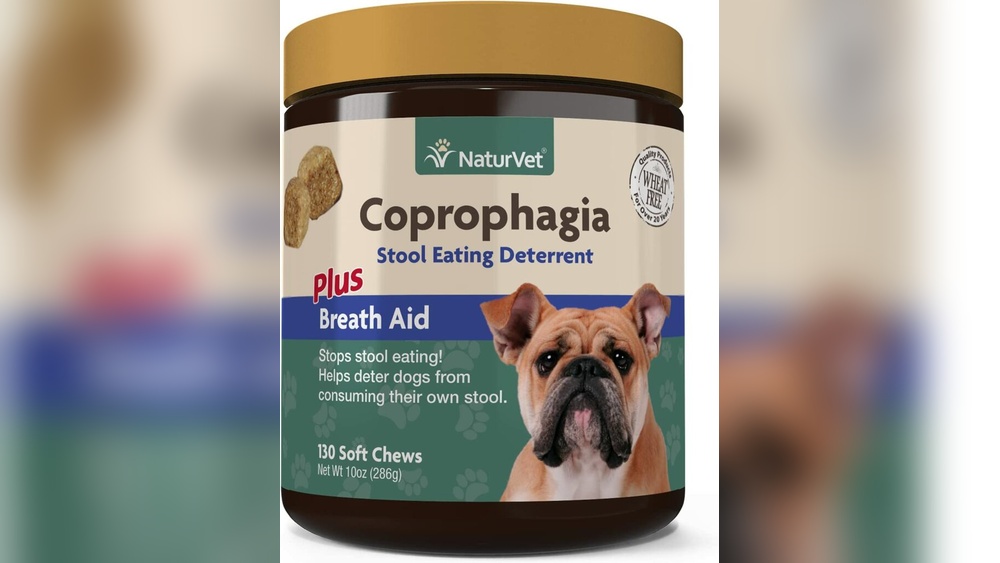
Effective poop deterrent products help keep your yard or home clean. They guide your dog to avoid unwanted spots. Choosing the right product makes training easier and faster. These products work by using smells, textures, or barriers that dogs dislike.
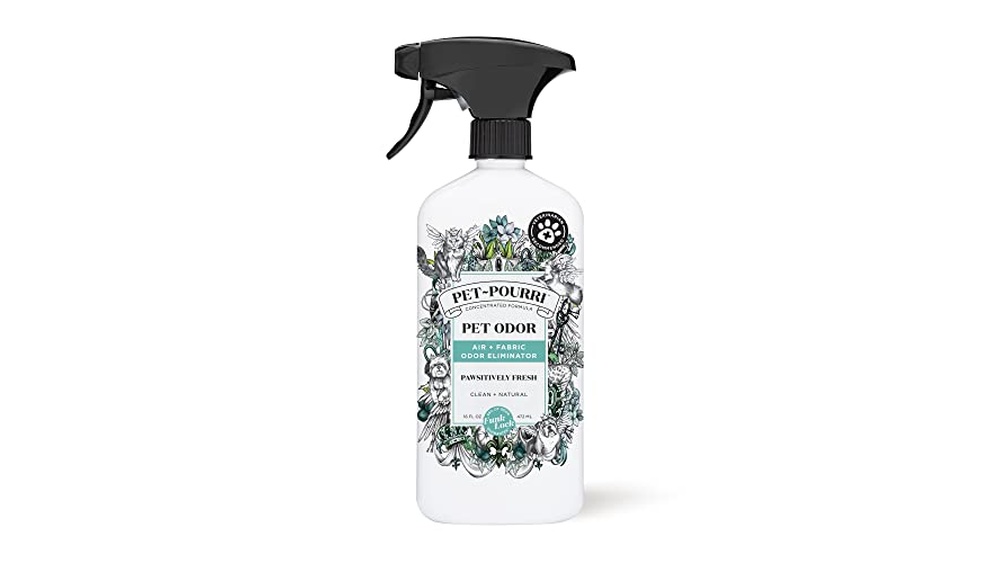
Sprays And Repellents
Sprays and repellents use scents dogs find unpleasant. They discourage dogs from pooping in certain areas. Many sprays contain natural ingredients like citrus or vinegar. Apply these sprays on grass, furniture, or doorways. The smell helps dogs learn which places are off limits. Some repellents last for days after one spray.
Training Pads And Mats
Training pads and mats offer a specific spot for dogs to go. They protect floors and carpets from messes. These pads have scents that attract dogs to use them. Mats with textured surfaces stop dogs from pooping outside. They are easy to place indoors or on balconies. Regular use helps dogs develop good bathroom habits.
Natural Remedies
Natural remedies use simple ingredients safe for dogs and people. Some use bitter apple spray or citrus peels to keep dogs away. Others recommend planting certain herbs like lavender or rosemary. These plants create a smell dogs do not like. Natural remedies avoid harsh chemicals and are eco-friendly. They work well with other training methods.
Training Techniques To Prevent Indoor Pooping
Training your dog to avoid pooping indoors takes patience and clear steps. Dogs learn best through simple, consistent methods. Teaching them where to go helps keep your home clean. Three key techniques help guide your dog’s behavior effectively.
Positive Reinforcement
Reward your dog with treats or praise for pooping outside. This makes them want to repeat good behavior. Catch them in the act or right after they go outside. Be quick to give the reward. Positive feelings link the act to the reward.
Consistent Schedule
Feed your dog at the same times daily. Take them out often, especially after meals or naps. A regular schedule helps your dog know when to expect bathroom breaks. Predictable times reduce accidents inside.
Crate Training
Use a crate as a safe space, not punishment. Dogs avoid soiling their sleeping area. Keep the crate just big enough to stand and turn around. Slowly increase time spent inside. Crate training supports bladder control and helps build good habits.
Credit: healthysolutionsforpets.com
Cleaning Tips To Remove Odors
Removing odors from dog poop is key to stopping your dog from pooping in the same spot. Cleaning well helps keep your home fresh. It also discourages your dog from re-marking. Use the right tools and methods for best results. Clean quickly and thoroughly after accidents.
Enzyme Cleaners
Enzyme cleaners break down poop and urine molecules. They remove odors deeply, not just cover them up. Use these cleaners on carpets, floors, and furniture. Follow the instructions on the label. Let the cleaner sit for a few minutes. This helps enzymes work better. Rinse or blot the area after cleaning.
Diy Cleaning Solutions
Make your own cleaner with common household items. Mix equal parts white vinegar and water in a spray bottle. Spray the spot and let it sit for 10 minutes. Blot with a clean cloth to absorb moisture. Baking soda also helps absorb smells. Sprinkle it on the damp area, wait, then vacuum.
Avoiding Re-marking
Dogs mark spots with scent to claim territory. Remove all traces of odor to stop this. Clean accidents as soon as possible. Use enzyme cleaners or DIY solutions for best results. Keep your dog busy with walks and playtime. Reward good bathroom habits outside. This helps break the cycle of re-marking.
When To Consult A Veterinarian
Knowing when to consult a veterinarian is important for your dog’s health. Some poop problems need expert care. Early help can stop bigger issues later. Watch your dog’s behavior closely. Changes might mean a health concern. Here are signs to watch for.
Persistent Indoor Pooping
Dogs sometimes poop inside by mistake. But constant indoor pooping needs attention. It may show a problem beyond training. A vet can check for physical causes. They look for infections, digestive issues, or pain. Ignoring this can lead to bad habits. Also, it might cause stress for you and your dog.
Signs Of Medical Problems
Poop changes can signal illness. Look for diarrhea, blood, or strange color. Vomiting or lack of appetite are warning signs. Your dog may act weak or tired. These symptoms need a vet’s exam. Timely treatment can prevent serious illness. Your vet will suggest tests or treatments as needed.

Credit: www.amazon.com
Frequently Asked Questions
What Is The Best Poop Deterrent For Dogs?
The best poop deterrents are natural sprays and training aids. They use safe ingredients to discourage dogs from pooping in unwanted areas. Consistency and positive reinforcement improve effectiveness.
How Do Poop Deterrents Work For Dogs?
Poop deterrents mask odors or create unpleasant smells. Dogs avoid these scents and stop pooping in treated spots. They help train dogs to choose appropriate bathroom areas.
Are Natural Poop Deterrents Safe For Pets?
Yes, natural poop deterrents use pet-safe ingredients like citrus or vinegar. They do not harm dogs or damage plants. Always check product labels for safety before use.
Can Poop Deterrents Prevent Dogs From Pooping Indoors?
Yes, poop deterrents can help reduce indoor accidents. Applying deterrents near doors or common spots discourages dogs from pooping inside. Combine with training for best results.
Conclusion
Choosing the right poop deterrent helps keep your yard clean and fresh. It saves time and reduces stress for dog owners. Consistency is key to teaching your dog good habits. Always use safe and gentle products to protect your pet.
Watch your dog’s behavior and adjust as needed. A clean yard means a happier home for everyone. Start today and enjoy a cleaner, more pleasant outdoor space. Small steps make a big difference. Your dog and neighbors will thank you.