
If your dog has been diagnosed with kidney failure, you want to do everything possible to help them feel better. One of the most important ways to support your furry friend is through their diet.
Choosing the best food for kidney failure in dogs can make a big difference in slowing the disease and improving your dog’s quality of life. You’ll discover which foods can help protect your dog’s kidneys and which ones to avoid.
Keep reading to find out how you can give your dog the nutrition they need to stay strong and comfortable every day.
Credit: www.visco-foam.com
Nutritional Needs For Dogs With Kidney Failure
Dogs with kidney failure need special diets to support their health. Their kidneys cannot filter waste well. This means harmful substances build up in the body. Feeding the right food helps reduce this strain. It also helps keep dogs comfortable and active. Knowing what nutrients to include and what to limit is key for managing kidney disease in dogs.
Key Nutrients To Focus On
Protein is important but must be limited. Too much protein adds stress to kidneys. Choose high-quality protein sources like eggs and fish. These proteins break down easily and cause less waste.
Fat is a good energy source. Healthy fats help keep dogs strong and alert. Omega-3 fatty acids from fish oil reduce inflammation in kidneys.
Carbohydrates provide energy without taxing kidneys. Rice and potatoes are easy to digest and safe choices.
Vitamins and minerals support overall health. Vitamins B and C help reduce kidney damage. Adequate calcium keeps bones healthy but should be balanced carefully.
Nutrients To Limit Or Avoid
Phosphorus is harmful in large amounts. High phosphorus levels speed kidney damage. Choose foods low in phosphorus to protect kidney function.
Sodium raises blood pressure and worsens kidney issues. Avoid salty foods and treats. Low-sodium diets help prevent swelling and heart strain.
Excess protein creates more waste for kidneys. Avoid high-protein snacks and table scraps.
Foods with artificial additives and preservatives may irritate kidneys. Natural, fresh ingredients are safer choices.
Top Protein Sources For Kidney Health
Protein plays a key role in managing kidney failure in dogs. Choosing the right protein helps support kidney health and reduces strain. Quality and type of protein matter most. Some proteins are easier to digest and use less kidney effort. This helps slow kidney damage and keeps your dog stronger.
High-quality Animal Proteins
Animal proteins provide important amino acids that dogs need. Lean meats like chicken, turkey, and fish are great choices. These proteins are easy to digest and contain fewer harmful minerals. Eggs also offer high-quality protein and are gentle on kidneys. Avoid fatty cuts or processed meats. They can raise kidney stress and cause other health problems.
Plant-based Protein Options
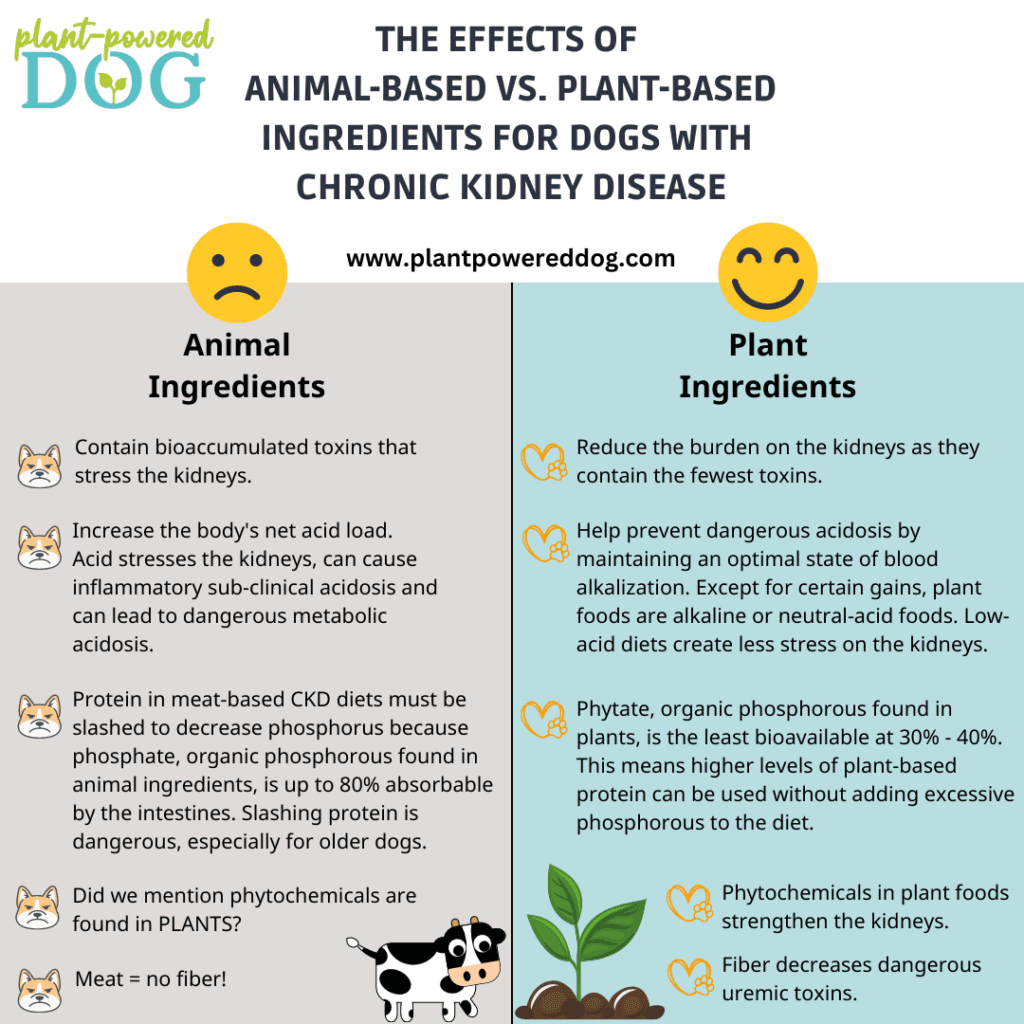
Plant proteins can support kidney health too. Lentils, peas, and chickpeas provide good protein with less phosphorus. These proteins help reduce waste that kidneys must filter. Rice and oats add small amounts of protein and are gentle on kidneys. Mixing plant and animal proteins can balance nutrition and ease kidney work.
Ideal Carbohydrates For Dogs With Kidney Issues
Choosing the right carbohydrates is important for dogs with kidney failure. Carbs provide energy without adding stress to the kidneys. Some carbs work better than others. They help keep blood sugar steady and support overall health. Ideal carbohydrates are easy to digest and low in phosphorus.
Low-phosphorus Grains And Veggies
Low-phosphorus grains like white rice and barley are gentle on kidneys. These grains give energy without raising phosphorus levels too much. Certain vegetables, such as green beans and carrots, also have low phosphorus. They add fiber and vitamins. This helps digestion and keeps the kidneys from overworking.
Benefits Of Complex Carbohydrates
Complex carbohydrates release energy slowly. This keeps your dog’s energy steady throughout the day. They avoid blood sugar spikes, which is good for kidney health. Complex carbs also support healthy gut bacteria. This helps with nutrient absorption and reduces kidney stress. Examples include sweet potatoes and oats.
Healthy Fats And Oils
Healthy fats and oils play an important role in the diet of dogs with kidney failure. These fats provide energy without putting extra stress on the kidneys. They also help reduce inflammation and support overall health. Including the right types of fats can improve your dog’s quality of life.
Omega-3 Fatty Acids
Omega-3 fatty acids are a type of healthy fat that helps lower inflammation in dogs. They support kidney function and may slow disease progression. These fats also improve skin and coat health. Dogs with kidney issues benefit greatly from omega-3s in their diet.
Sources Of Beneficial Fats
Good sources of healthy fats include fish oil, flaxseed oil, and canola oil. Fish oil is rich in omega-3s and easy for dogs to digest. Flaxseed oil contains plant-based omega-3s, making it another great choice. Small amounts of these oils added to meals can help support kidney health.
Recommended Commercial Kidney Diets
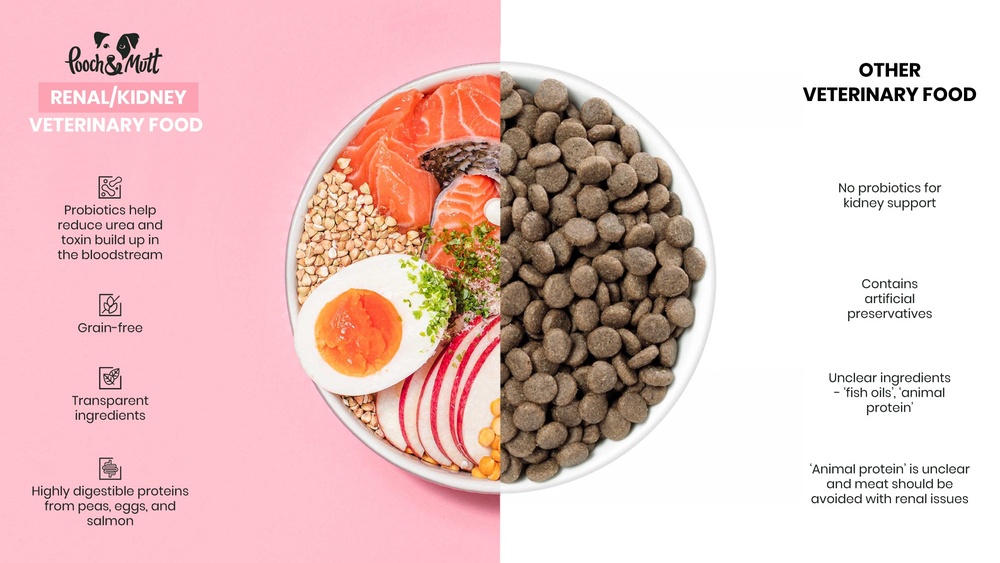
Choosing the right food is vital for dogs with kidney failure. Commercial kidney diets are made to support kidney health. These diets help reduce the work of kidneys and provide balanced nutrition. They contain lower protein, phosphorus, and sodium levels. This helps slow kidney damage and improve your dog’s comfort.
Popular Prescription Diet Brands
Many vets recommend specific commercial kidney diets. Hill’s Prescription Diet k/d is a common choice. It supports kidney function and reduces waste build-up. Royal Canin Renal Support is another trusted brand. It offers different flavors to please picky eaters. Purina Pro Plan Veterinary Diets NF is also popular. It balances protein and minerals for kidney health. These diets are made under strict quality control. They provide essential nutrients while protecting the kidneys.
Homemade Vs. Commercial Options
Some owners consider homemade diets for kidney failure. Homemade meals allow control over ingredients and freshness. But creating a balanced kidney diet at home is hard. It needs careful planning and vet advice. Commercial diets are tested for safety and nutrition. They offer convenience and consistency. Homemade food may lack key nutrients or have too much protein or phosphorus. Commercial diets ensure your dog gets all needed nutrients. Both options have pros and cons. Always consult your vet before changing your dog’s diet.
Hydration And Its Role In Kidney Health
Hydration plays a key role in maintaining kidney health in dogs with kidney failure. Water helps flush out toxins and supports kidney function. Keeping your dog well-hydrated reduces stress on damaged kidneys. It also helps prevent complications like dehydration and electrolyte imbalances. Proper hydration supports overall health and comfort for your dog.
Encouraging Water Intake
Dogs with kidney failure need more water to stay healthy. Offer fresh water several times a day. Use a clean bowl and place it in a quiet spot. Some dogs prefer running water, so try a pet water fountain. Adding a little low-sodium broth to water can make it tastier. Ice cubes can also encourage drinking, especially in warm weather.
Wet Food Benefits
Wet food contains high moisture, which helps with hydration. It provides extra water without needing your dog to drink more. The softer texture is easier to eat, especially for sick dogs. Wet food often has higher protein quality, which supports kidney health. Feeding wet food alongside water can improve fluid intake and nutrient absorption.
Foods To Avoid For Dogs With Kidney Failure
Choosing the right food for dogs with kidney failure is very important. Some foods can make the problem worse. Avoiding harmful ingredients helps protect your dog’s health. This section highlights key foods to avoid for dogs with kidney failure.
High-phosphorus Ingredients
Phosphorus is a mineral that can harm weak kidneys. Foods rich in phosphorus cause extra work for the kidneys. Common high-phosphorus ingredients include dairy products, organ meats, and fish. Feeding these to dogs with kidney failure can speed up kidney damage. Avoid foods with added phosphates or preservatives. Always check the ingredient list on dog food labels.
Excess Sodium And Other Harmful Components
Too much salt raises blood pressure and strains kidneys. Many commercial dog foods have high sodium levels. Avoid salty snacks, canned foods, and processed meats. Ingredients like onion, garlic, and artificial additives also harm dogs’ kidneys. These substances can cause anemia and other health issues. Choose fresh, natural ingredients and low-sodium options instead.
Supplements That Support Kidney Function
Supplements can help support kidney function in dogs with kidney failure. They provide important nutrients that the damaged kidneys may not process well. Choosing the right supplements helps ease the workload on the kidneys. It also supports overall health and quality of life for your dog.
Vitamins And Minerals
Vitamins like B-complex and C are useful for dogs with kidney issues. They help improve energy and immune function. Minerals such as potassium and phosphorus need careful balance. Too much phosphorus can harm kidneys further. Supplements often include controlled levels to keep these minerals safe.
Some dogs may also benefit from omega-3 fatty acids. These fats reduce inflammation and support kidney cells. Always consult a vet before adding vitamins or minerals. Proper dosing is important to avoid side effects.
Herbal And Natural Supplements
Herbal supplements like milk thistle and dandelion leaf show promise for kidney health. Milk thistle helps protect liver and kidney cells. Dandelion leaf works as a natural diuretic to reduce fluid buildup. These herbs support kidney function gently.
Other natural options include antioxidants like turmeric and green tea extract. They combat oxidative stress in kidney tissues. Natural supplements should be given under vet supervision. Not all herbs suit every dog’s condition.
Tips For Transitioning To A Kidney-friendly Diet
Switching a dog to a kidney-friendly diet needs care and patience. Dogs may resist new foods. A smooth change helps them accept the new diet. It also keeps their health stable during the switch. Here are key tips to help with this important change.
Gradual Food Changes
Start by mixing a small amount of the new food with the old. Slowly increase the new food portion over 7 to 10 days. Watch your dog’s reactions closely. Sudden changes can cause upset stomach or refusal to eat. Gradual shifts help the dog’s body adjust to the new nutrients.
Monitoring And Adjusting Diet
Keep an eye on your dog’s energy, appetite, and bathroom habits. Record any changes in behavior or health. Consult your vet regularly to check kidney function. The diet may need tweaks to suit your dog’s condition. Adjust food types or amounts based on your vet’s advice. This keeps your dog comfortable and nourished.

Credit: www.visco-foam.com
Credit: www.nbmoa.org
Frequently Asked Questions
What Foods Are Best For Dogs With Kidney Failure?
Foods low in protein, phosphorus, and sodium are best. Choose high-quality proteins like eggs and fish. Include antioxidants from fruits and vegetables. Always consult your vet for a tailored diet plan.
Can Homemade Diets Help Dogs With Kidney Disease?
Yes, homemade diets can help if balanced properly. Use vet-approved recipes with controlled protein and phosphorus. Avoid high-sodium and processed foods. Homemade meals allow better control over ingredients and nutrient levels.
How Does Low Phosphorus Food Benefit Dogs’ Kidneys?
Low phosphorus reduces kidney workload and slows disease progression. It helps prevent toxin buildup in the bloodstream. This supports overall kidney health and extends your dog’s quality of life.
Are Commercial Kidney Failure Dog Foods Effective?
Yes, commercial renal diets are specially formulated for kidney support. They contain controlled protein, low phosphorus, and balanced nutrients. These diets improve kidney function and manage symptoms effectively.
Conclusion
Choosing the right food helps support dogs with kidney failure. A balanced diet can ease their symptoms and improve health. Focus on foods low in protein and phosphorus. Fresh water is also very important. Always check with your vet before changing meals.
Small changes make a big difference over time. Keep monitoring your dog’s condition closely. Healthy eating helps your dog live a happier life. Simple steps bring comfort and strength to your pet. Caring with good food shows your love and attention.


