
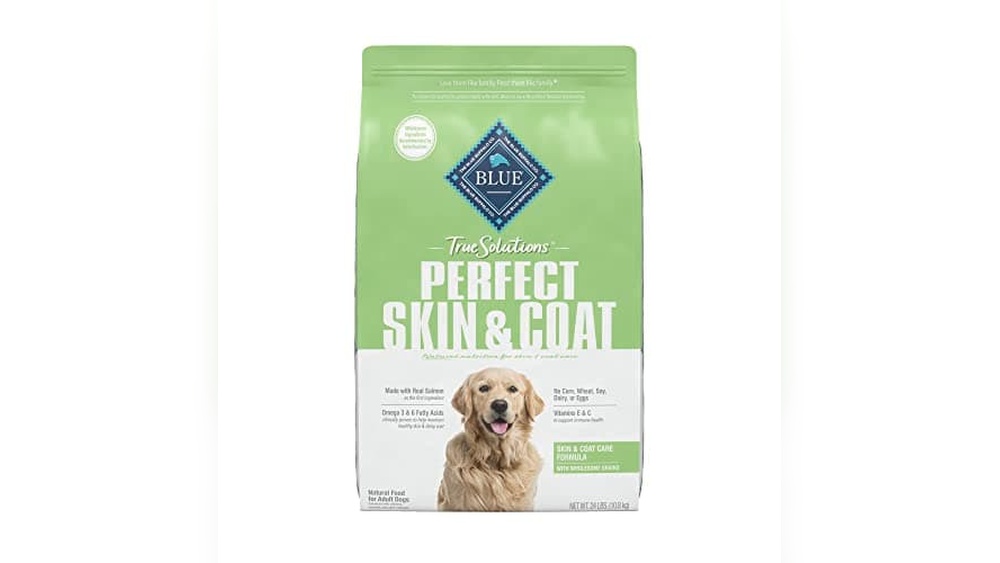
Is your dog constantly scratching or showing signs of dry, irritated skin? Watching your furry friend struggle with allergies can be heartbreaking.
You want to help, but with so many dog food options out there, it’s hard to know what’s truly best for their skin and overall health. The right food can make a huge difference in easing their discomfort and restoring that shiny, healthy coat you love.
Keep reading to discover how you can choose the best dog food for dry skin and allergies—so your dog can feel happy, comfortable, and full of energy again.
Causes Of Dry Skin And Allergies In Dogs
Dry skin and allergies cause discomfort in dogs. These problems make dogs scratch, lick, and bite their skin. Understanding the causes helps in choosing the best dog food and care.
Common Allergens Affecting Dogs
Dogs can react to many allergens. Pollen from trees and grass often causes allergies. Dust mites and mold spores also trigger skin issues. Some dogs react to fleas and their bites. These allergens cause itching and dry, flaky skin.
Environmental And Dietary Triggers
Environment plays a big role in skin health. Cold weather and low humidity dry out the skin. Harsh shampoos and chemicals may irritate skin too. Certain foods like beef, dairy, or wheat can cause allergies. Poor diet leads to weak skin and more reactions.
Genetic Factors
Some dog breeds inherit skin problems. Breeds like Bulldogs, Retrievers, and Terriers often have sensitive skin. Their genes make them prone to allergies and dryness. Knowing breed risks helps owners prevent skin issues early.
Credit: cruceroclick.com
Key Nutrients For Healthy Skin
Healthy skin is vital for dogs with dry skin and allergies. The right nutrients support skin repair and reduce irritation. Feeding your dog a diet rich in key nutrients helps maintain a shiny coat and calm skin.
Focus on ingredients that provide essential fatty acids, vitamins, minerals, and high-quality protein. These nutrients work together to improve skin health and protect against allergens.
Essential Fatty Acids
Omega-3 and omega-6 fatty acids keep the skin moisturized and flexible. They help reduce inflammation and soothe itchy skin. Sources include fish oil, flaxseed, and chicken fat. These fats support a healthy coat and reduce dryness.
Vitamins And Minerals
Vitamin E acts as an antioxidant, protecting skin cells from damage. Vitamin A helps repair skin and supports immune health. Zinc promotes healing and reduces inflammation. These nutrients are important for skin strength and resilience.
Protein Quality
High-quality protein provides the building blocks for skin repair and growth. Look for named meat sources like chicken, beef, or lamb. Poor protein can cause allergies or worsen skin problems. Good protein supports overall health and skin recovery.
Types Of Dog Food For Sensitive Skin
Choosing the right dog food can help ease dry skin and allergies. Sensitive skin needs gentle care. Different types of dog food target these issues. Each type offers unique benefits for your dog’s health.
Understanding these options helps you pick the best food. Your dog’s comfort and health will improve with the right diet.
Hypoallergenic Formulas
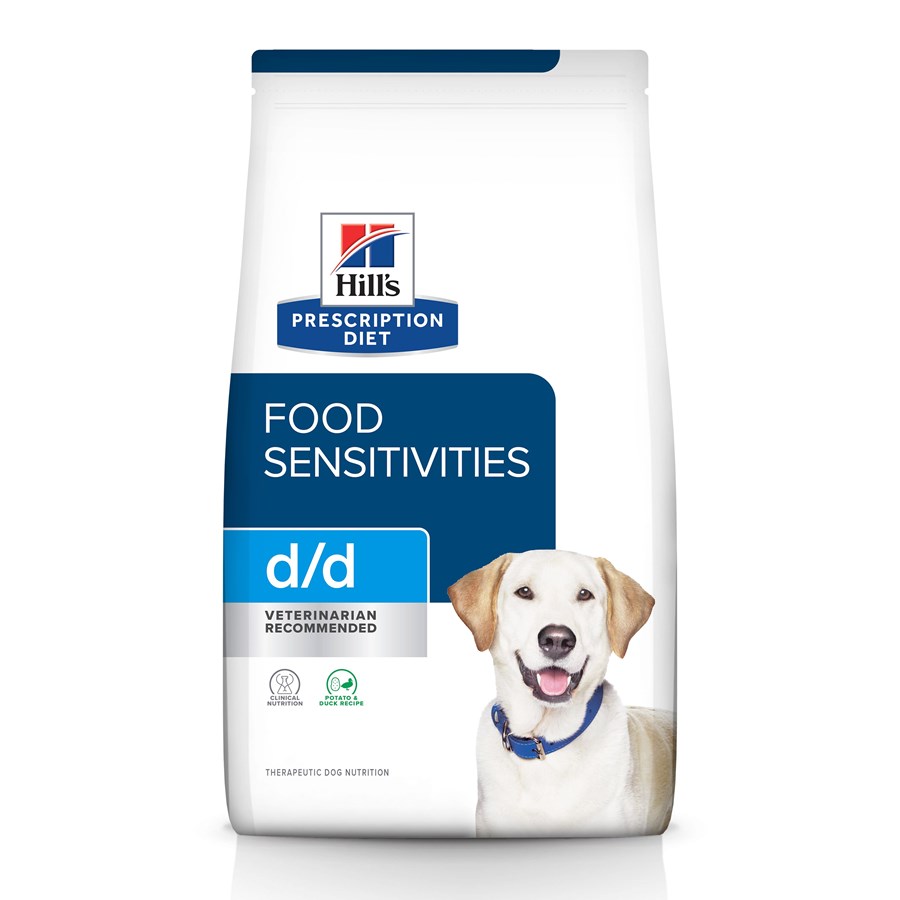
Hypoallergenic dog foods avoid common allergens. They use proteins that rarely cause reactions. These foods reduce itchiness and skin redness. They help dogs with food allergies feel better. Often, they contain novel proteins like duck or venison.
Grain-free Options
Grain-free dog foods remove wheat, corn, and soy. These grains can cause skin problems in some dogs. Grain-free diets focus on meat and vegetables. They support healthy skin and a shiny coat. These options suit dogs sensitive to grains.
Limited Ingredient Diets
Limited ingredient diets use few components. Fewer ingredients lower allergy risks. These diets often include one protein and one carbohydrate. They help identify what triggers your dog’s allergies. Limited diets promote easier digestion and skin healing.
Credit: www.petsmart.com
Top Ingredients To Look For
Choosing the right dog food is key for dry skin and allergies. Certain ingredients help soothe irritation and boost skin health. These ingredients support your dog’s immune system and improve coat shine. Knowing what to find on the label makes a big difference.
Omega-3 And Omega-6 Fatty Acids
Omega-3 and Omega-6 fatty acids are vital for skin health. They reduce inflammation and calm itchy skin. These fats help keep the coat soft and shiny. Fish oil and flaxseed are common sources of these acids. Including them in your dog’s diet helps fight dryness and allergies.
Natural Antioxidants
Natural antioxidants protect skin cells from damage. Ingredients like vitamin E, vitamin C, and berries are rich in antioxidants. They support the immune system and reduce allergic reactions. Antioxidants also help repair skin and prevent irritation. Choosing dog food with these nutrients aids in healthier skin.
Probiotics And Prebiotics
Probiotics improve gut health, which links to skin condition. Prebiotics feed good bacteria in the gut. Together, they help balance the digestive system and reduce allergies. Yogurt, chicory root, and certain fibers provide these benefits. Including probiotics and prebiotics in food supports overall wellness and skin comfort.
Ingredients To Avoid
Choosing the right dog food is key for pets with dry skin and allergies. Some ingredients can cause irritation or worsen symptoms. Avoiding these helps keep your dog comfortable and healthy.
Common Allergens In Dog Food
Wheat, corn, and soy are common allergens in dog food. They often cause skin problems and itching. Dairy products can also trigger allergic reactions. Some dogs react to beef or chicken proteins. Identifying these allergens can protect your dog’s skin and health.
Artificial Additives And Preservatives
Artificial colors, flavors, and preservatives can irritate your dog’s skin. These chemicals may cause allergic reactions or worsen dryness. Look for dog foods without BHA, BHT, or ethoxyquin. Natural alternatives are safer and better for sensitive skin.
Fillers And By-products
Fillers like corn gluten meal or rice hulls add no nutrition. They can lead to allergies and digestive issues. By-products include parts of animals not fit for human food. These ingredients often cause allergic reactions and skin problems. Choose dog food with whole, real ingredients instead.
Credit: www.nbcnews.com
Recommended Dog Food Brands
Choosing the right dog food is key for dogs with dry skin and allergies. The right brand can soothe their skin and reduce allergic reactions. Quality ingredients and proper nutrition make a big difference. Below are some trusted dog food brands that meet these needs.
Premium Brand Choices
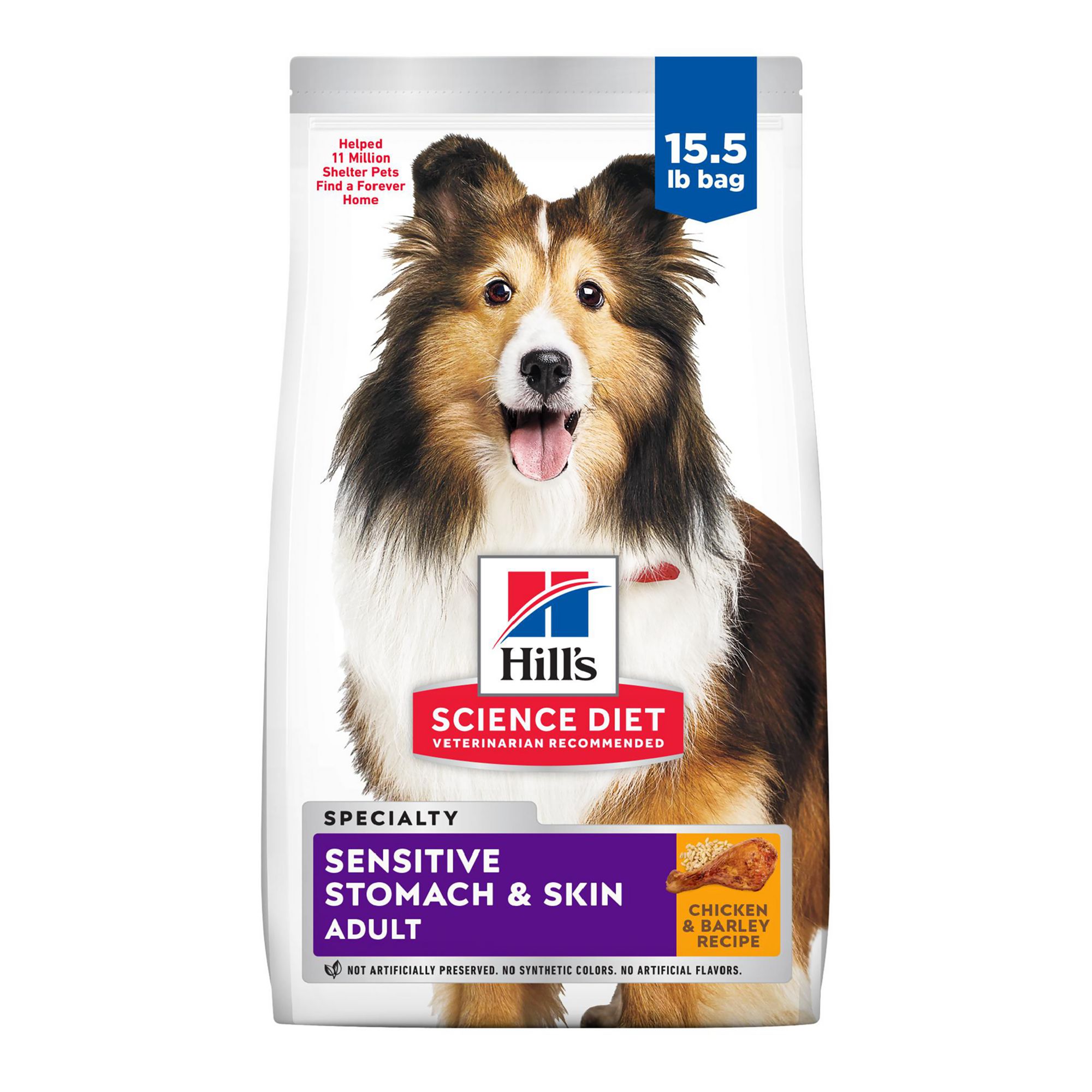
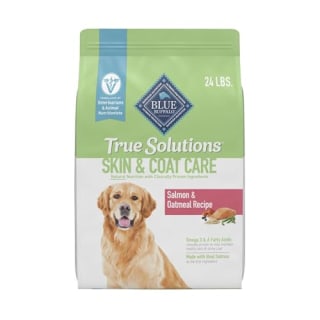
These brands use high-quality ingredients and special formulas. They often include omega fatty acids and limited allergens. Examples include Blue Buffalo Basics and Hill’s Science Diet. These options support healthy skin and coat. They usually cost more but offer excellent nutrition.
Budget-friendly Options
Good nutrition doesn’t always mean high cost. Brands like Natural Balance and Nutro offer affordable formulas. They focus on simple ingredients and avoid common allergens. These foods help manage dry skin without breaking the bank. They work well for many dogs with mild allergies.
Veterinarian-recommended Products
Some dog foods are designed with vets’ input. Royal Canin and Purina Pro Plan are popular choices. These brands provide special diets for skin sensitivity and allergies. They often require a vet’s approval or prescription. These foods aim to improve skin health and comfort.
Tips For Transitioning Dog Food Safely
Changing your dog’s food can help manage dry skin and allergies. Doing it carefully keeps your dog healthy and happy. Sudden changes may cause stomach upset or refusal to eat. Follow these tips to switch food safely and smoothly.
Gradual Introduction Process
Start by mixing 25% new food with 75% old food. Feed this mix for three days. Then, increase new food to 50% for another three days. Next, raise new food to 75% for three days. Finally, feed 100% new food. This slow change helps your dog’s stomach adjust.
Monitoring Your Dog’s Reaction
Watch for signs of discomfort or allergic reaction. Check for itching, redness, or loose stools. Notice any changes in energy or appetite. Keep a daily log of your dog’s behavior and symptoms. This helps spot problems early and track progress.
When To Consult A Vet
Contact your vet if your dog vomits or has diarrhea for more than two days. Seek help if itching or skin issues worsen. Get advice before trying new foods for severe allergies. A vet can suggest special diets or tests for your dog.
Additional Remedies For Dry Skin And Allergies
Dry skin and allergies can make dogs uncomfortable. The right food helps, but other steps improve their skin health. These extra remedies support healing and reduce itching.
Supplements To Support Skin Health
Supplements provide extra nutrients for healthy skin. Omega-3 and Omega-6 fatty acids reduce inflammation and dryness. Vitamin E helps repair skin cells. Probiotics boost the immune system and fight allergies. Always check with a vet before adding supplements.
Bathing And Grooming Tips
Regular baths keep skin clean and free from irritants. Use gentle shampoos made for sensitive skin. Avoid harsh soaps that strip natural oils. Brush your dog often to remove dead hair and dirt. Dry the skin well after baths to prevent moisture loss.
Environmental Management
Keep your dog’s environment clean to reduce allergens. Wash bedding and toys regularly. Avoid smoking or using strong chemicals near your pet. Use air purifiers to lower dust and pollen. Control fleas and ticks with vet-approved products.
Frequently Asked Questions
What Ingredients Help Dogs With Dry Skin And Allergies?
Omega-3 fatty acids, zinc, and vitamin E improve skin health. Limited allergens like novel proteins reduce allergic reactions. Grain-free formulas can also help sensitive dogs.
How Do I Choose The Best Dog Food For Allergies?
Look for hypoallergenic, limited ingredient diets with high-quality proteins. Avoid common allergens like wheat, soy, and dairy. Consult your vet for personalized recommendations.
Can Homemade Dog Food Treat Dry Skin And Allergies?
Yes, homemade diets can be tailored to avoid allergens. Use fresh, natural ingredients rich in omega fatty acids. Always consult a vet to ensure nutritional balance.
How Long To See Results From Allergy-friendly Dog Food?
Improvements usually appear within 4 to 6 weeks. Consistent feeding is key to reduce itching and improve coat condition. If no change, consult your vet.
Conclusion
Choosing the best dog food for dry skin and allergies helps your pet feel better. Healthy skin means less itching and happier dogs. Quality ingredients support a strong immune system and shiny coats. Watch your dog’s reaction to new food closely.
Changes take time, so stay patient and consistent. Good nutrition can reduce allergy symptoms naturally. Treat your dog with care and the right diet. Simple steps can make a big difference in their health. Your dog deserves comfort and wellness every day.


