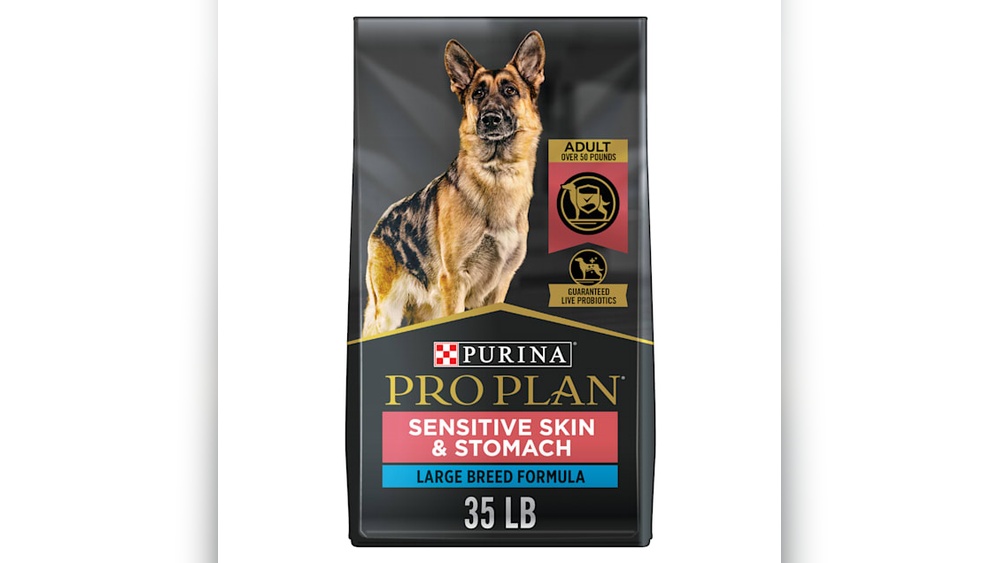
Finding the best dry dog food for your large breed can feel overwhelming. You want something that keeps your dog healthy, energetic, and happy every day.
But with so many options out there, how do you choose the right one? This guide will help you discover top-rated dry dog foods designed specifically for large breeds. By the end, you’ll know exactly what to look for to give your furry friend the nutrition they deserve.
Keep reading to make the best choice for your dog’s well-being.
Benefits Of Dry Dog Food
Dry dog food offers many benefits for large breed dogs. It meets their unique nutritional needs and fits well into busy lifestyles. Choosing the right dry food supports your dog’s health and happiness every day.
This type of food is easy to feed and store. It also helps keep your dog’s teeth clean and strong. Let’s explore the key benefits of dry dog food for large breeds.
Nutritional Advantages
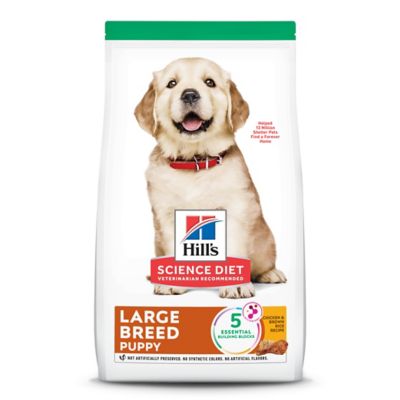
Dry dog food is specially made for large breeds. It contains the right balance of proteins, fats, and vitamins. These nutrients help build strong muscles and support joint health. Large dogs need more calories, and dry food provides them efficiently. It often includes added supplements for bone strength and digestion. This helps keep your dog active and healthy.
Convenience And Storage
Dry dog food is simple to store and use. It stays fresh for a long time without refrigeration. This makes it easy to keep on hand at home. Measuring and serving dry food is quick and mess-free. Bags of dry food are easy to carry and store in small spaces. This convenience suits busy owners and active dogs alike.
Dental Health Support
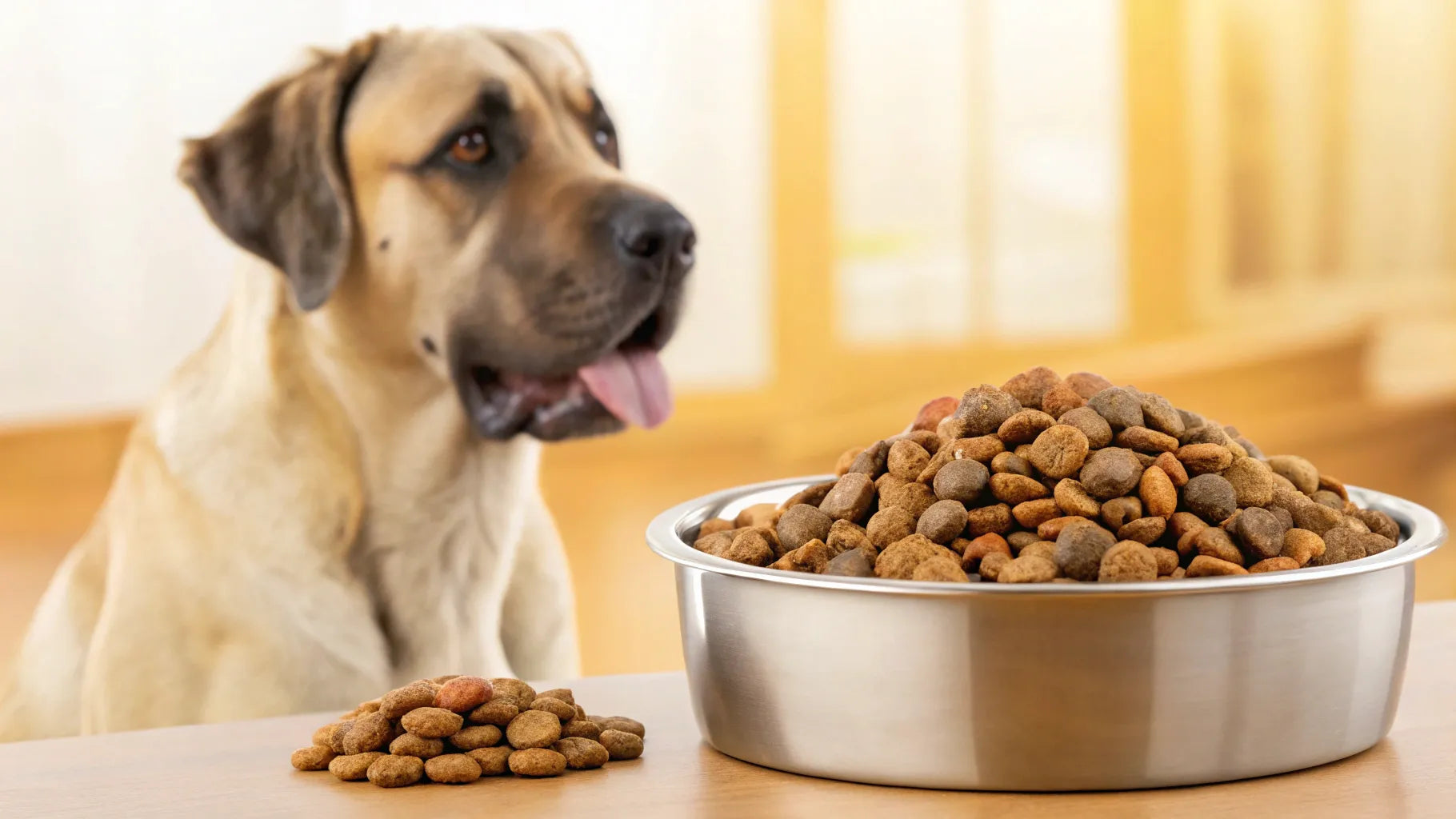
Chewing dry kibble helps clean your dog’s teeth. It reduces plaque and tartar buildup naturally. This can lower the risk of dental problems like gum disease. Crunchy dry food also massages gums, promoting better oral health. Large breeds often face dental issues, so dry food helps protect their smiles.
Credit: www.tractorsupply.com
Key Nutrients For Large Breeds
Large breed dogs need special nutrients to stay healthy and strong. Their size requires a balanced diet with key ingredients. These nutrients support muscle growth, energy, and overall well-being. Understanding these key nutrients helps you choose the best dry dog food for your big friend.
Protein Sources And Quality
Protein builds and repairs muscles. Large breeds need high-quality protein from meat like chicken, beef, or fish. Avoid foods with too many fillers or low-grade protein. Good protein sources keep your dog’s muscles strong and support growth.
Essential Fatty Acids
Fats provide energy and keep skin healthy. Omega-3 and Omega-6 fatty acids reduce inflammation. These fats come from fish oils or flaxseed. They help maintain a shiny coat and support brain function in large dogs.
Vitamins And Minerals
Vitamins and minerals keep the body working well. Calcium and phosphorus are important for strong bones. Vitamins A, E, and C support the immune system. Balanced minerals help with muscle function and overall health.
Joint Support Ingredients
Large dogs often face joint problems. Ingredients like glucosamine and chondroitin protect cartilage. They reduce joint pain and improve mobility. Adding these helps your dog move comfortably and stay active longer.
Top Dry Dog Food Brands
Choosing the right dry dog food brand matters for large breed dogs. Good brands use quality ingredients and balanced nutrition. They support your dog’s health and energy. Some brands focus on special needs like joint care or digestion. Others offer options that fit your budget without losing quality. Here are top dry dog food brands to consider.
Premium Options
Premium brands often use real meat as the first ingredient. They include vitamins and minerals for strong bones. Many premium choices have added supplements for joint health. These foods help maintain healthy muscles and shiny coats. Brands like Orijen and Blue Buffalo are popular in this category. Their recipes suit large dogs with active lifestyles.
Budget-friendly Choices
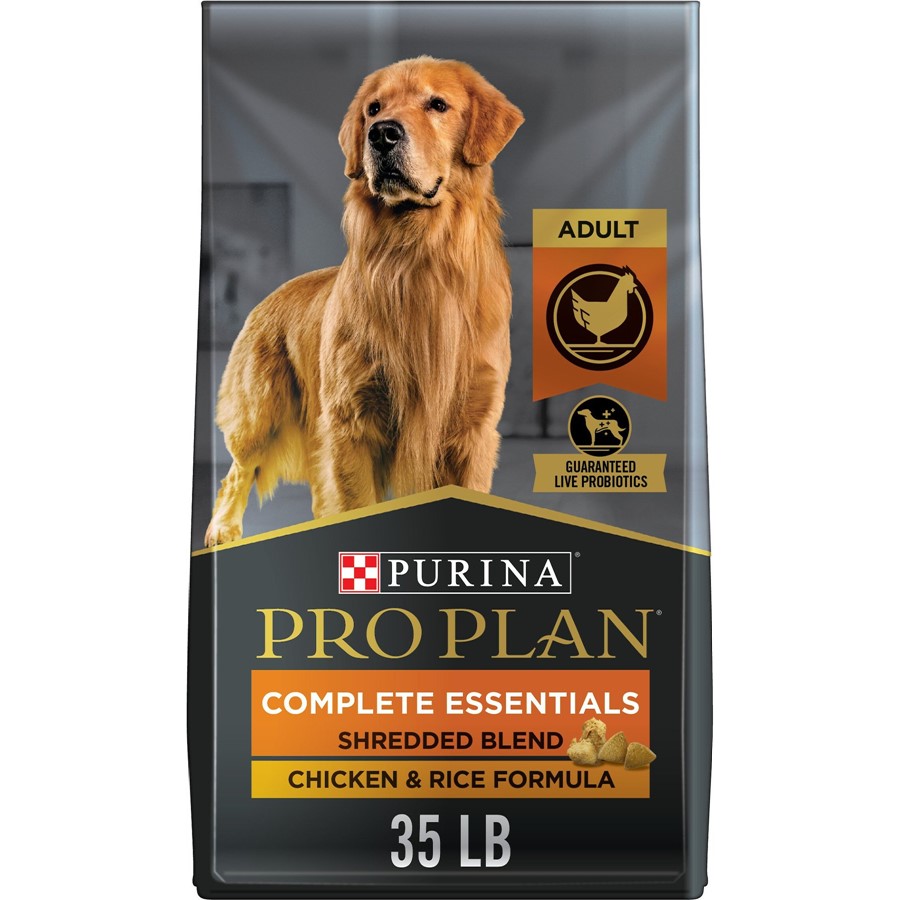
Budget-friendly dog foods offer good nutrition at a lower cost. They may use a mix of meat and grains to balance price and quality. These brands still meet important health standards. Pedigree and Purina ONE provide affordable meals for large breeds. These options keep your dog healthy without breaking the bank.
Grain-free Formulas
Grain-free foods exclude corn, wheat, and soy. These can help dogs with allergies or sensitive stomachs. Many grain-free recipes use potatoes or peas instead. Taste of the Wild and Merrick are known for grain-free dry foods. They offer rich protein sources and natural ingredients. Grain-free formulas support digestion and energy for large dogs.
Credit: www.houndsy.com
Choosing The Right Food
Choosing the right dry dog food for large breeds is very important. Large dogs have special needs. Their food must support their size and keep them healthy. The right food helps with energy, joints, and digestion. Understanding your dog’s needs makes feeding easier and better.
Age And Activity Level
Large dogs need different nutrients at each life stage. Puppies need food rich in protein and fat. Adults require balanced food to maintain weight and energy. Senior dogs benefit from food with joint support and fewer calories. Activity level also matters. Active dogs need more calories. Less active dogs need fewer calories to avoid weight gain.
Allergy Considerations
Some large dogs have food allergies or sensitivities. Common allergens include wheat, soy, and certain proteins. Watch for signs like itching, swelling, or upset stomach. Choose foods with limited ingredients or hypoallergenic formulas. Grain-free options may help some dogs. Always check ingredient lists carefully.
Feeding Guidelines
Follow feeding instructions on the dog food package. These guidelines help provide the right amount of food. Adjust portions based on your dog’s weight and activity. Monitor your dog’s weight regularly. Overfeeding can cause obesity, which is risky for large breeds. Underfeeding can lead to poor health and low energy.
Tips For Transitioning Foods
Changing your large dog’s food needs care and patience. Sudden changes can upset their stomach. A smooth switch helps your dog enjoy the new food and stay healthy. Follow these tips for a good food transition.
Gradual Introduction
Start by mixing a small amount of the new food with the old. Slowly increase the new food over 7 to 10 days. This gentle change helps your dog’s body adjust. Watch your dog’s eating habits during this time. Keep the feeding times the same to avoid stress.
Monitoring Digestive Health
Check your dog for any signs of stomach upset. Look for vomiting, diarrhea, or constipation. If these happen, slow down the transition. Make sure your dog drinks plenty of water. Healthy digestion shows your dog is happy with the new food.
Credit: www.petcarerx.com
Common Mistakes To Avoid
Choosing the best dry dog food for large breeds requires care. Many dog owners make common mistakes that affect their pet’s health. Avoiding these errors helps your dog stay strong and active. Understanding what not to do is as important as picking the right food.
Overfeeding And Obesity
Overfeeding large dogs can lead to serious health problems. Large breeds gain weight quickly if given too much food. Obesity strains their joints and heart. It also shortens their life span. Follow feeding guidelines on the package carefully. Measure your dog’s food to avoid extra calories. Regular exercise helps keep your dog fit and healthy.
Ignoring Ingredient Labels
Not reading ingredient labels can harm your dog’s diet. Some foods contain fillers and low-quality proteins. Large breeds need strong muscles and good energy sources. Look for real meat and whole grains in the ingredients. Avoid foods with too many artificial additives or by-products. Clear labels help you choose nutritious and safe options for your dog.
Frequently Asked Questions
What Ingredients Make Dry Dog Food Best For Large Breeds?
High-quality protein, healthy fats, and joint-supporting nutrients like glucosamine are key. Large breeds need balanced nutrition for muscle and bone health. Avoid fillers and artificial additives for better digestion and energy.
How Often Should I Feed Large Breed Dogs Dry Food?
Feed large breed dogs twice daily to maintain energy and avoid bloating. Portion sizes depend on weight, age, and activity level. Follow feeding guidelines on the packaging or consult your vet for personalized advice.
Can Dry Dog Food Prevent Joint Problems In Large Breeds?
Yes, dry dog foods with glucosamine and chondroitin help support joint health. Omega-3 fatty acids reduce inflammation and improve mobility. Proper nutrition can delay or reduce joint issues common in large breeds.
What Is The Best Protein Source For Large Breed Dog Food?
Chicken, beef, lamb, and fish are excellent protein sources. They provide essential amino acids for muscle growth and maintenance. Choose foods with named meat sources rather than by-products for higher quality.
Conclusion
Choosing the right dry dog food helps keep large breeds healthy. Good nutrition supports strong bones and shiny coats. Quality ingredients give your dog energy and strength. Always check the label for protein and fat levels. Feeding the best food shows you care for your pet.
A happy dog means a happy home. Take time to find food that suits your dog’s needs. Small changes make a big difference in your dog’s life.