Is your dog constantly scratching or showing flaky, dry skin? It’s tough to watch your furry friend feel uncomfortable.
You want to help, but with so many products and remedies out there, it’s hard to know what truly works. What if you could find the best thing for your dog’s dry skin—something safe, effective, and easy to use? Keep reading, because we’ll share simple, proven solutions that will bring relief to your dog and peace of mind to you.
Your dog deserves to feel healthy and happy again, and the answer might be closer than you think.

Credit: www.amazon.com
Causes Of Dog Dry Skin
Dry skin is a common problem for many dogs. It can cause itching, flaking, and discomfort. Understanding the causes helps to find the best treatment. Several reasons can lead to dry skin in dogs. These range from the environment to health issues.
Environmental Factors
Cold weather often dries out a dog’s skin. Indoor heating makes the air dry too. Frequent baths with harsh shampoos remove natural oils. Exposure to wind and sun also harms the skin. These conditions strip moisture and cause dryness.
Diet And Nutrition
Poor diet can cause dry, flaky skin. Dogs need fatty acids like omega-3 and omega-6. These keep the skin healthy and shiny. Lack of vitamins and minerals weakens the skin barrier. Feeding a balanced, nutritious diet supports skin health.
Allergies And Sensitivities
Allergies can trigger skin dryness and irritation. Dogs react to food, pollen, or dust mites. Some dogs are sensitive to certain shampoos or soaps. These allergies cause inflammation and damage the skin. Identifying allergens helps reduce dry skin problems.
Parasites And Infections
Parasites like fleas and mites irritate the skin. They cause itching and scratching, leading to dryness. Bacterial or fungal infections also harm the skin’s surface. These infections make the skin flaky and rough. Treating parasites and infections restores skin health.
Credit: www.akcpetinsurance.com
Signs Of Dry Skin In Dogs
Dry skin in dogs can cause discomfort and health issues. Early signs help you act fast. Spotting these signs saves your dog from pain. Knowing the symptoms helps to find the right treatment. Observe your dog closely for any changes in skin and coat.
Flaking And Itching
Dry skin often leads to visible flakes. These flakes look like dandruff on your dog’s fur. Dogs with dry skin scratch or lick more than usual. Constant itching can cause wounds and infections. Watch for frequent scratching and flaky patches on the skin.
Redness And Irritation
Dry skin can make your dog’s skin red and inflamed. Irritated skin may look swollen or raw in some areas. This can cause your dog to feel pain or discomfort. Redness often appears around the face, belly, and paws. Check your dog’s skin for any unusual redness or swelling.
Hair Loss And Dull Coat
Dry skin can make your dog lose hair in patches. The coat may look dull, rough, or brittle. Healthy skin helps keep fur shiny and smooth. Hair loss shows that the skin is not getting enough moisture. Look for thin fur and rough patches on your dog’s body.
Home Remedies For Dry Skin
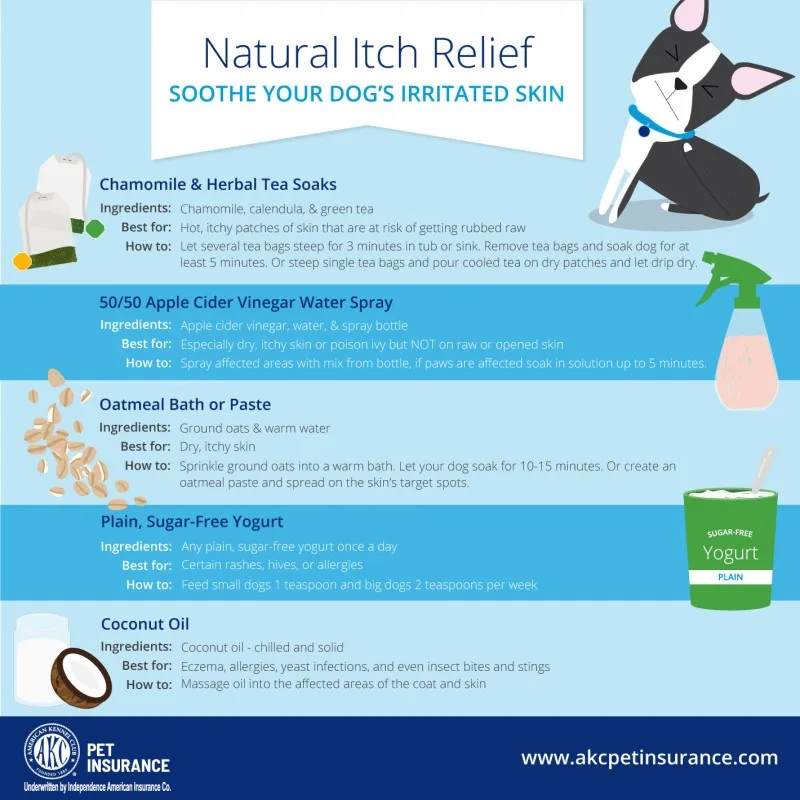
Dry skin can cause discomfort for dogs and worry for owners. Home remedies often provide gentle care without harsh chemicals. These natural methods soothe the skin and help restore moisture. Regular use can improve your dog’s comfort and skin health.
Oatmeal Baths
Oatmeal soothes itchy and dry skin. Grind plain oatmeal into a fine powder. Mix it with warm water to create a bath. Let your dog soak for 10 to 15 minutes. This bath helps calm irritation and adds moisture.
Coconut Oil Applications
Coconut oil is a natural moisturizer. Apply a small amount to dry spots on your dog’s skin. Massage gently to help absorption. It reduces dryness and can fight bacteria. Use it regularly for best results.
Aloe Vera Gel
Aloe vera has cooling and healing properties. Use pure aloe vera gel on dry patches. Avoid gels with added chemicals or alcohol. Aloe helps reduce redness and soothes inflammation. Apply it twice a day until the skin improves.
Humidifiers And Hydration
Dry air can worsen your dog’s skin condition. Use a humidifier indoors to add moisture to the air. Make sure your dog drinks plenty of fresh water. Proper hydration supports healthy skin from the inside out.
Dietary Changes To Improve Skin Health
Diet plays a big role in a dog’s skin health. Changing your dog’s diet can ease dry skin and boost coat shine. Nutrients help repair skin and reduce itchiness. A balanced diet supports overall wellness, including the skin.
Omega-3 Fatty Acids
Omega-3 fatty acids help reduce inflammation and dry patches. Fish oil is a rich source of omega-3s. Adding omega-3 to your dog’s diet improves skin moisture. It also helps calm irritated, itchy skin quickly.
Balanced Nutrition
Balanced nutrition is key to healthy skin. Dogs need protein, fats, vitamins, and minerals in their meals. Protein supports skin repair and hair growth. Vitamins like A and E protect the skin from damage.
Supplements For Skin
Supplements can support skin health when diet lacks nutrients. Look for skin-friendly supplements with omega fatty acids and biotin. These boost skin hydration and strength. Always consult a vet before adding supplements.
Topical Treatments And Shampoos
Topical treatments and shampoos play a key role in treating dry skin in dogs. These products help soothe irritation and add moisture to the skin. They also remove dirt and allergens that can worsen dryness. Choosing the right product can improve your dog’s comfort and skin health quickly.
Medicated Shampoos
Medicated shampoos contain ingredients that reduce itching and inflammation. They often include antifungal or antibacterial agents. These shampoos help control infections that cause dry, flaky skin. Use them as directed by your vet for best results. Regular use can restore the skin’s natural balance and reduce discomfort.
Moisturizing Sprays
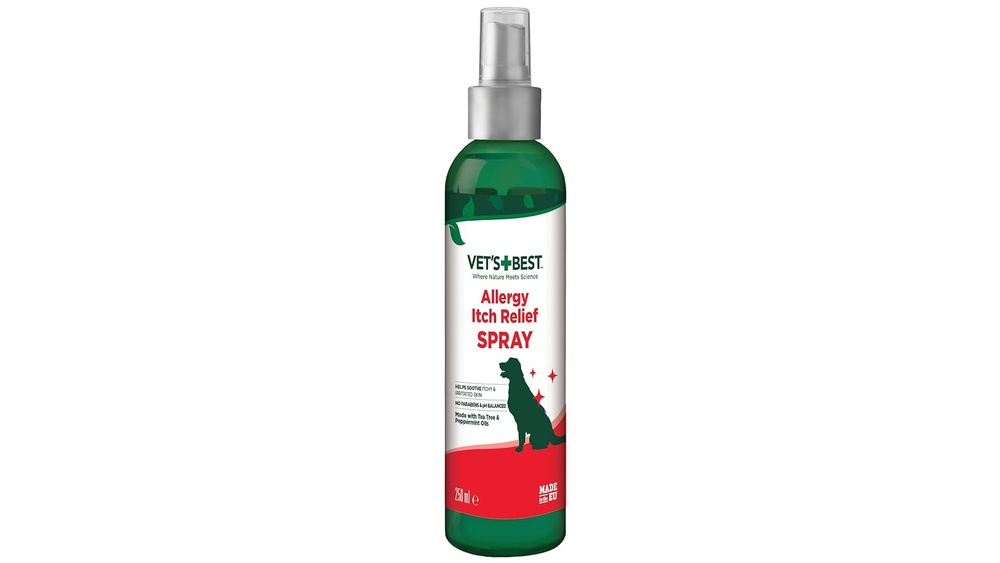
Moisturizing sprays provide instant relief for dry, itchy skin. They hydrate the skin without needing a full bath. Sprays are easy to apply and can be used between baths. Many sprays contain soothing ingredients like aloe vera or oatmeal. They calm redness and help the skin heal faster.
Natural Oils
Natural oils are gentle and effective for dry dog skin. Coconut oil, olive oil, and fish oil are popular choices. These oils nourish the skin and improve its barrier function. They also add shine to your dog’s coat. Apply oils sparingly to avoid greasy fur. Oils can be mixed with shampoos for extra moisture.
When To See A Veterinarian
Knowing when to see a veterinarian is important for your dog’s dry skin. Some skin issues need expert care. Acting early can stop problems from getting worse.
Persistent Symptoms
Dry skin that lasts more than two weeks needs a vet check. If your dog keeps scratching or licking, it may mean something serious. Persistent symptoms can signal underlying health problems.
Signs Of Infection
Watch for redness, swelling, or oozing on your dog’s skin. These signs often mean an infection. Infections can spread and cause pain. A vet can provide the right treatment quickly.
Allergic Reactions
Sudden itching or hives could be allergies. Allergic reactions may need special medicines. A vet can identify the allergen and suggest ways to protect your dog.

Credit: www.4-legger.com
Frequently Asked Questions
What Causes Dry Skin In Dogs?
Dry skin in dogs can be caused by allergies, poor diet, dehydration, harsh weather, or frequent bathing. Identifying the cause helps in choosing the best treatment.
How Can I Naturally Treat My Dog’s Dry Skin?
Natural treatments include adding omega-3 fatty acids to their diet, using coconut oil, and regular moisturizing with dog-safe lotions. These support skin hydration and reduce itching.
Which Dog Shampoos Are Best For Dry Skin?
Look for shampoos labeled for sensitive or dry skin. Ingredients like oatmeal, aloe vera, and vitamin E soothe and moisturize your dog’s skin effectively.
How Often Should I Bathe A Dog With Dry Skin?
Limit baths to once every 3-4 weeks using mild shampoo. Overbathing strips natural oils, worsening dryness and irritation.
Conclusion
Dry skin can make dogs uncomfortable and restless. Treating it early helps your dog feel better fast. Use gentle shampoos and keep your dog’s skin moisturized. A healthy diet supports skin health too. Regular vet visits catch problems early. Simple care steps can make a big difference.
Your dog deserves comfort and healthy skin every day. Stay patient and consistent with care. Watch your dog’s skin improve over time. This helps your dog stay happy and active.