
Are you tired of finding your yard dug up or your plants trampled? Keeping dogs out of your yard can feel like a constant battle.
But what if there was a simple, effective way to protect your space without causing harm? You’ll discover easy tips and tricks that really work to keep dogs away. By the end, you’ll have the tools to enjoy your yard again—peaceful, beautiful, and dog-free.
Keep reading to find out how!
Physical Barriers
Physical barriers form the most direct way to keep dogs out of your yard. They create a clear boundary that dogs find hard to cross. Using the right barrier keeps your garden safe and your neighbors’ pets away. These barriers can be simple or strong, depending on your needs.
Fencing Options
Fences are the first choice for many homeowners. Wood fences offer privacy and block dogs from seeing inside. Chain-link fences are durable but let dogs see through. Vinyl fences resist weather and require less upkeep. Choose a fence that fits your yard size and style. Height matters. A fence at least six feet tall stops most dogs from jumping over.
Gates And Latches
Gates control entry points and need strong latches. Simple latches may not keep clever dogs out. Use locks or self-closing hinges for better security. Make sure the gate fits well. Gaps under gates allow small dogs to slip through. Check gates often to fix loose parts or holes.
Landscaping Barriers
Plants and shrubs can act as natural barriers. Thorny bushes like roses or holly deter dogs from coming close. Rocks and mulch create rough paths dogs avoid. Raised garden beds add height, making access harder. Combine plants with fences for a strong defense. This method looks good and keeps dogs away without harsh chemicals.
Credit: turffactorydirect.com
Scent Deterrents
Scent deterrents use smells dogs dislike to keep them away. Dogs have a strong sense of smell. Certain odors can stop them from entering your yard. These scents create an invisible barrier without harming the animals. Using scent deterrents is safe and easy. They work well alongside other methods to protect your garden or lawn.
Natural Repellents
Natural repellents come from plants and herbs. Dogs avoid smells like citrus, vinegar, and garlic. Planting rosemary, lavender, or rue around your yard helps. Spraying diluted vinegar near entrances can also deter dogs. These options are safe for children and pets. They keep your yard fresh and free from chemicals.
Commercial Sprays
Commercial sprays target dog scents with strong odors. These products often use ingredients like citronella or essential oils. They are easy to apply and last longer than natural options. Follow the instructions on the label for best results. Many sprays repel dogs without causing harm. These are a good choice for large yards or stubborn dogs.
Homemade Solutions
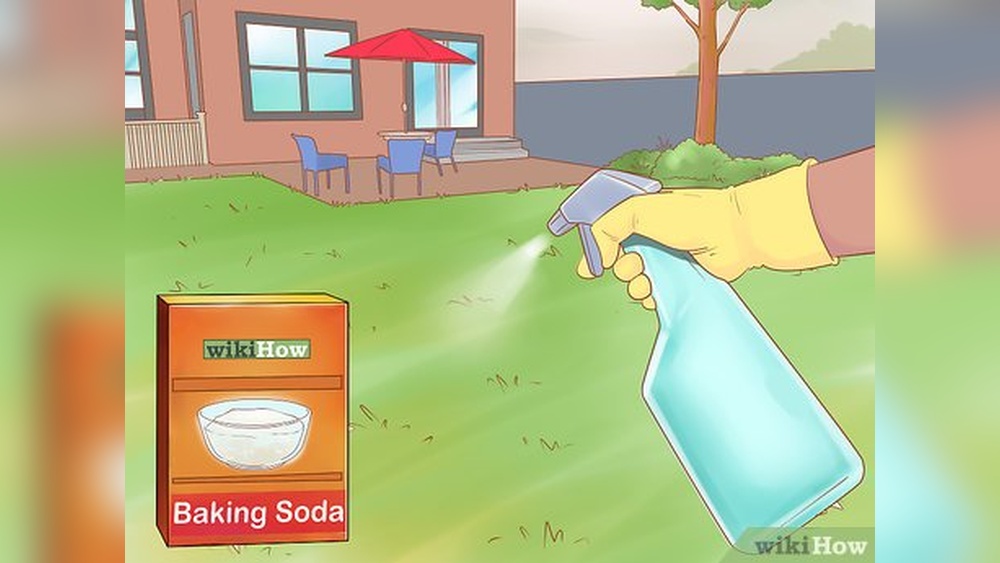
Homemade scent deterrents are simple and cheap. Mix water with vinegar or lemon juice in a spray bottle. Sprinkle cayenne pepper or coffee grounds near your fence. Dogs dislike these strong smells and stay away. Test small areas first to avoid plant damage. These DIY options give control over what goes in your yard.
Sound Devices
Sound devices offer a gentle way to keep dogs out of your yard. They use noises that dogs find unpleasant but humans barely notice. These tools help protect your space without harm. Quiet and effective, sound devices suit many homes and gardens.
Ultrasonic Repellents
Ultrasonic repellents send high-pitched sounds. Dogs hear them clearly, but people do not. The noise makes dogs uncomfortable and encourages them to leave. These devices cover a wide area and work day and night. They do not use chemicals or traps. Safe for pets and children, they keep your yard calm and dog-free.
Motion-activated Alarms
Motion-activated alarms startle dogs with sudden sounds. They activate only when dogs enter your yard. This surprise noise helps train dogs to stay away. These alarms use sensors to detect movement. They save energy by working only when needed. Easy to install, they protect your yard without constant noise.

Credit: www.youtube.com
Training And Behavior
Training and behavior play a key role in keeping dogs out of your yard. Dogs learn from their environment and habits. Changing their behavior helps reduce unwanted visits. This approach is safe and long-lasting. It focuses on teaching dogs boundaries and respect for your space.
Neighbor Collaboration
Talk with neighbors about the dog problem. Share your concerns calmly and clearly. Ask if their dogs wander into your yard. Work together to find solutions. Consistent rules from all sides help dogs learn limits. A joint effort makes training more effective.
Positive Reinforcement
Use treats and praise to reward good behavior. When a dog stays out of your yard, give a reward. This encourages dogs to repeat the right actions. Avoid punishment as it can cause fear or aggression. Positive training builds trust and better habits. Small rewards go a long way in training dogs.
Environmental Adjustments
Making changes to your yard can stop dogs from coming in. These small fixes help create a space dogs want to avoid. You do not need fences or sprays. Start with simple environmental adjustments. These are easy and work well.
Removing Attractants
Dogs enter yards because they find food or smells. Remove anything that draws them in. Clean up fallen fruit, pet food, and bird seed. Keep your yard free of scraps and crumbs. Clear away animal droppings quickly. These steps reduce smells that attract dogs.
Secure Trash And Compost
Trash and compost bins are magnets for dogs. Use bins with tight lids that dogs cannot open. Store them in a shed or garage if possible. Avoid leaving trash bags outside overnight. Compost piles should be covered well. This cuts off easy food sources for stray dogs.
Legal And Safety Measures
Keeping dogs out of your yard requires more than fences and signs. Legal and safety measures protect you and the animals. Knowing the rules and acting kindly helps avoid trouble. This section covers key points to keep your yard safe and respectful.
Local Regulations
Check local laws about pets and property boundaries. Some places have rules on fences and pet barriers. You may need permits for certain fences or devices. Follow these laws to avoid fines or complaints. Respect neighbors’ rights and community guidelines. Local animal control offices can offer useful advice.
Humane Treatment
Use gentle methods to keep dogs away. Avoid harmful traps or chemicals that can injure animals. Natural deterrents like scents or plants work well. Humane treatment shows respect and reduces risk of injury. Treat animals kindly to keep peace in your neighborhood. Safe methods protect both your yard and the dogs.
Credit: www.youtube.com
Frequently Asked Questions
How Can I Naturally Keep Dogs Out Of My Yard?
Use natural deterrents like vinegar, citrus peels, or coffee grounds. These smells repel dogs without harming them. Planting dog-repellent plants like rue or lavender also helps keep dogs away naturally.
What Fencing Is Best To Keep Dogs Out?
A tall, sturdy fence with no gaps works best. Chain-link or wooden fences at least 6 feet high prevent dogs from jumping or squeezing through. Ensure the bottom is secure to stop digging.
Are Commercial Dog Repellents Safe And Effective?
Yes, most commercial repellents are safe when used as directed. They contain natural ingredients like citronella or bitter apple. These sprays deter dogs by taste or smell but should be reapplied after rain.
Can Motion-activated Devices Keep Dogs Out?
Motion-activated sprinklers or ultrasonic devices are effective and humane. They startle dogs with water bursts or sound when they enter your yard. These devices discourage dogs without causing harm.
Conclusion
Keeping dogs out of your yard takes patience and simple steps. Use fences or barriers to block their way. Natural repellents can help, too. Always be kind and avoid harm. Check your yard often to keep it safe. Small changes make a big difference.
Protect your space while respecting animals nearby. Stay consistent, and results will come. Your yard can stay clean and peaceful.


