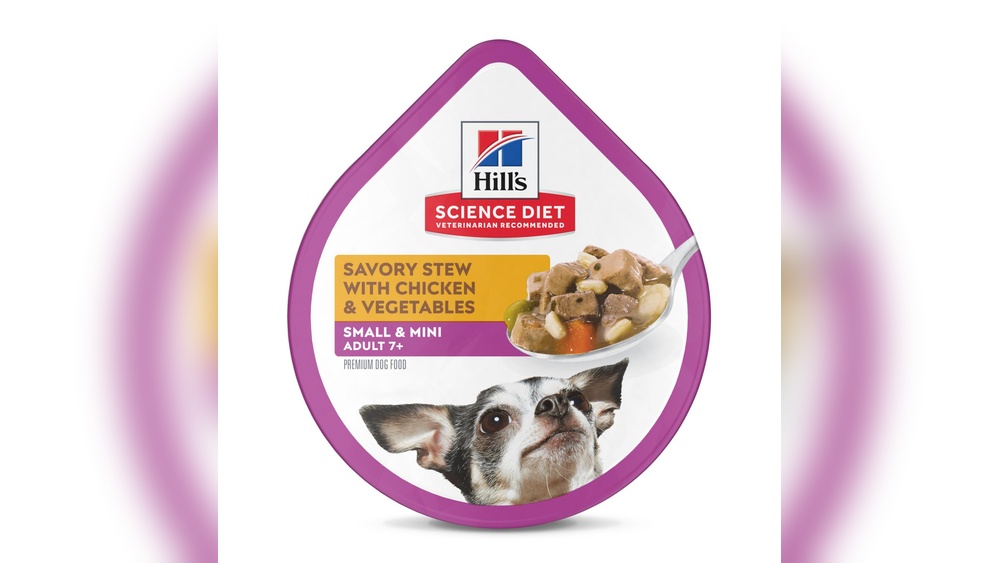
Your senior small dog deserves the best care, especially when it comes to food. As your furry friend ages, their nutritional needs change, and choosing the right food can make a big difference in their health and happiness.
Imagine giving your dog meals that boost their energy, support their joints, and keep their coat shiny. You’ll discover the best food options tailored just for senior small dogs. Keep reading to find out how to make every meal count for your loyal companion.
Nutritional Needs Of Senior Small Dogs
Senior small dogs have special dietary needs. Their bodies change as they grow older. Proper nutrition helps them stay healthy and active. Feeding the right food supports their energy and body functions.
Understanding these needs can improve their quality of life. It can also prevent common health problems. Let’s explore the key nutritional needs of senior small dogs.
Calorie Requirements
Senior small dogs need fewer calories than younger dogs. Their activity level decreases with age. Eating too many calories can cause weight gain. Weight gain can lead to joint and heart problems. Choose food with moderate calories to maintain a healthy weight.
Essential Nutrients
Protein helps maintain muscle mass in senior dogs. Look for high-quality protein sources like chicken or fish. Fat provides energy but should be balanced to avoid weight gain. Fiber supports good digestion and prevents constipation. Vitamins and minerals strengthen the immune system and bones. Omega-3 fatty acids reduce inflammation and improve skin health.
Common Health Concerns
Senior small dogs often face joint problems like arthritis. Food with glucosamine and chondroitin can ease joint pain. Dental health can decline, so kibble texture matters. Kidney and liver health require limited phosphorus and sodium. Watch for signs of allergies or food intolerance. A diet designed for seniors can help manage these issues.
Key Ingredients To Look For
Choosing the right food for senior small dogs means focusing on key ingredients. These ingredients support their health and energy. They also help maintain strong bones and a healthy coat. Proper nutrition can improve their quality of life as they age.
High-quality Proteins
Proteins help keep muscles strong and repair body tissues. Senior dogs need easy-to-digest proteins from sources like chicken, turkey, or fish. Avoid low-quality protein fillers like by-products or meat meals. Good protein supports energy and overall health.
Healthy Fats
Healthy fats provide energy and keep skin and coat shiny. Omega-3 and omega-6 fatty acids reduce inflammation and support brain health. Fish oil and flaxseed are great sources. Small amounts of fat are enough for senior dogs.
Vitamins And Minerals
Vitamins and minerals help keep bones strong and the immune system active. Calcium and phosphorus are important for bone health. Antioxidants like vitamins C and E protect cells from damage. Look for balanced amounts in senior dog food.
Fiber For Digestion
Fiber aids digestion and keeps the gut healthy. It helps prevent constipation, common in older dogs. Ingredients like beet pulp, pumpkin, and brown rice are good fiber sources. Proper fiber intake improves nutrient absorption and comfort.
Top Commercial Foods For Senior Small Dogs
Choosing the right commercial food for senior small dogs supports their health and energy. Senior dogs need special nutrients for joints, digestion, and overall wellbeing. Many brands offer formulas made just for older, smaller breeds. These foods help maintain a healthy weight and keep teeth clean.
Dry Kibble Options
Dry kibble is popular for its convenience and dental benefits. Many senior small dog kibbles have smaller pieces for easy chewing. They contain balanced protein and fat levels to support aging muscles. Some formulas include added fiber to aid digestion. Look for kibble with omega-3 fatty acids to help joint health.
Wet Food Choices
Wet food offers higher moisture, which helps keep senior dogs hydrated. It is softer, making it easier to eat for dogs with dental issues. Wet foods often have rich flavors that appeal to picky eaters. These options provide good protein and essential vitamins. They also support healthy skin and coat.
Grain-free Alternatives
Grain-free foods avoid wheat, corn, and soy, which some dogs find hard to digest. These recipes usually rely on vegetables and legumes for carbohydrates. Grain-free diets can reduce allergies and digestive problems in sensitive dogs. They focus on quality protein sources like chicken or fish. Choosing grain-free helps maintain energy and vitality.
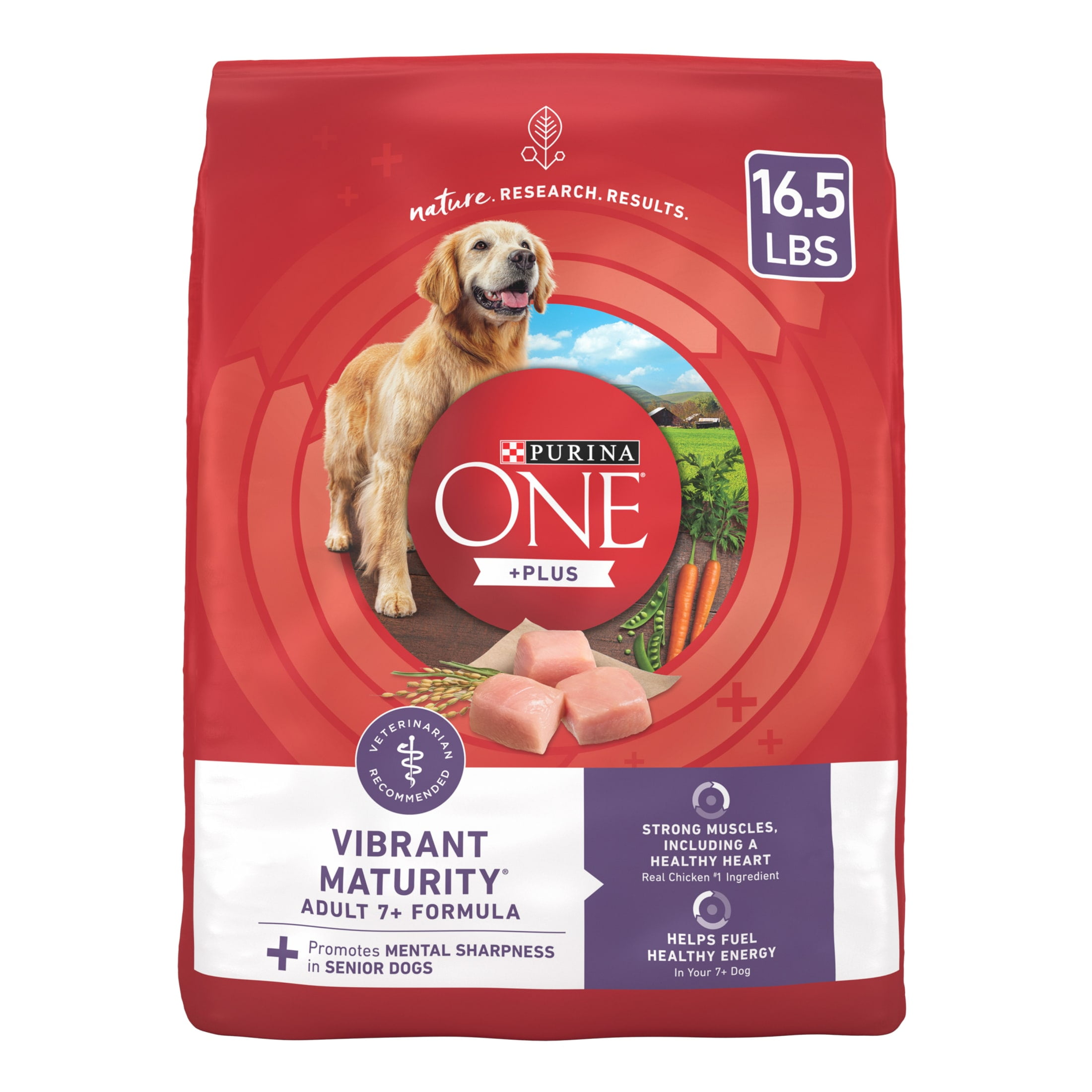
Credit: www.walmart.com
Homemade Meal Ideas
Preparing homemade meals for senior small dogs offers control over their nutrition. You can choose fresh ingredients that support their health and energy. Homemade food can be gentle on their stomachs and tailored to their tastes. It also helps avoid fillers and additives often found in commercial dog food.
Balanced Recipes
Balanced recipes include proteins, carbs, and healthy fats. Use lean meats like chicken, turkey, or fish for protein. Add cooked rice, sweet potatoes, or oats for carbohydrates. Include vegetables like carrots, green beans, or peas for vitamins and fiber. Make sure the meal contains the right amount of calories for your dog’s age and activity level.
Safe Ingredients
Choose ingredients safe for dogs. Avoid onions, garlic, grapes, and chocolate. Use fresh, organic vegetables and lean meats. Cook all meats thoroughly to kill bacteria. Avoid added salt, sugar, and spices. Fresh water should always be available to keep your dog hydrated.
Supplement Tips
Supplements help fill nutritional gaps in homemade meals. Add fish oil for omega-3 fatty acids, which support skin and coat health. Use calcium powder or crushed eggshells for strong bones. Consult your vet to find the right vitamins or minerals your dog needs. Supplements ensure your dog gets complete nutrition every day.
Feeding Tips For Aging Small Dogs
Feeding aging small dogs requires careful attention to their changing needs. Their metabolism slows down, and they may need fewer calories. Nutrients must support joint health, digestion, and energy levels. Adjusting feeding habits helps keep them healthy and happy.
Portion Control
Measure food portions carefully to avoid overfeeding. Small dogs need fewer calories as they age. Too much food can lead to weight gain and health issues. Use a kitchen scale or measuring cup for accuracy. Follow your vet’s advice on portion size.
Meal Frequency
Divide daily food into smaller, more frequent meals. This helps digestion and maintains steady energy. Feeding two to three times a day works well for senior dogs. Smaller meals reduce the risk of bloating and discomfort. Keep feeding times consistent to create a routine.
Monitoring Weight And Health
Check your dog’s weight regularly to catch changes early. Watch for signs of weight gain or loss. Both can indicate health problems. Observe your dog’s energy, coat, and appetite. Visit the vet often for health checks and diet advice.

Credit: www.meijer.com
Foods To Avoid
Choosing the right food for senior small dogs is crucial for their health. Some foods can harm them or cause health problems. Avoiding these foods keeps your dog safe and healthy. Below are key types of foods to skip for your senior small dog.
Toxic Ingredients
Some ingredients are very dangerous for dogs. Chocolate, grapes, and raisins can cause serious illness. Onions and garlic can damage their blood cells. Xylitol, found in sugar-free gum, can cause low blood sugar and liver failure. Avoid all foods containing these toxic ingredients.
High-fat And Sugary Foods
Fatty and sugary foods can lead to obesity and heart problems. Senior small dogs need a balanced diet with limited fat. Too much sugar can cause diabetes and dental issues. Avoid giving your dog fried foods, sweets, or human junk food.
Allergens Common In Dogs
Some dogs have food allergies that cause itching and digestive problems. Common allergens include wheat, corn, soy, and dairy. These ingredients can cause discomfort and reduce your dog’s quality of life. Choose foods without these allergens if your dog shows sensitivity.

Credit: www.animalhospitalofclemmons.com
Frequently Asked Questions
What Is The Best Diet For Senior Small Dogs?
A balanced diet rich in protein, fiber, and healthy fats suits senior small dogs. It supports joints, digestion, and energy. Choose foods with antioxidants and vitamins to boost immunity and promote overall health.
How Much Food Should A Senior Small Dog Eat Daily?
Senior small dogs need smaller portions than younger dogs. Feed them 2 to 3 small meals daily. Adjust quantity based on activity level, weight, and health to avoid obesity or malnutrition.
Are Grain-free Foods Good For Senior Small Dogs?
Grain-free foods can benefit senior small dogs with allergies or sensitivities. However, consult your vet before switching. A well-balanced diet including whole grains often provides essential nutrients.
Should Senior Small Dogs Have Supplements In Their Diet?
Supplements like glucosamine, omega-3, and antioxidants support joint health and mobility. Always consult your vet before adding supplements to ensure safety and proper dosage for your senior small dog.
Conclusion
Choosing the right food keeps senior small dogs happy and healthy. Balanced meals support their energy and strong bones. Watch for ingredients that help digestion and immunity. Fresh water is just as important every day. Feeding your dog well shows how much you care.
Small changes can make a big difference in their life. Enjoy every moment with your loyal companion.