If your dog is showing signs of discomfort when peeing or seems to be going more often than usual, it could be a urinary tract infection (UTI). You want to help your furry friend feel better quickly and safely.
But with so many treatment options out there, how do you know which one is truly the best for your dog? You’ll discover the most effective UTI treatments that can bring relief fast and keep your dog healthy. Keep reading to learn exactly what you need to do to protect your pet and ease their pain.
Credit: www.walmart.com
Causes Of Uti In Dogs
Urinary tract infections (UTIs) are common in dogs. They happen when bacteria enter the urinary system. This can cause pain and discomfort. Knowing what causes UTIs helps in treating and preventing them.
Several factors lead to UTIs in dogs. Some are related to bacteria, while others involve the dog’s health or environment. Spotting symptoms early can save your pet from severe problems.
Common Bacterial Infections
Most UTIs in dogs come from bacteria. Escherichia coli (E. coli) is the most common cause. It lives in the intestines but can spread to the bladder. Other bacteria like Staphylococcus and Proteus also cause infections. These germs multiply quickly in the urinary tract and cause irritation.
Risk Factors
Some dogs have a higher risk of UTIs. Female dogs get them more often than males. Older dogs and those with weak immune systems are also at risk. Dogs with bladder stones or diabetes can develop infections easier. Poor hygiene or not drinking enough water adds to the risk.
Symptoms To Watch
Watch for signs of a UTI in your dog. Frequent urination or accidents in the house are common. Your dog may strain or cry when urinating. Blood in the urine or strong odor can appear. Some dogs lick their genital area more than usual. Early detection helps prevent serious health issues.

Credit: www.amazon.com
Veterinary Diagnosis
Veterinary diagnosis is key to treating urinary tract infections (UTIs) in dogs. Accurate diagnosis helps find the cause and guides proper treatment. A vet uses several methods to check your dog’s health. Each step gives important clues about the infection’s presence and severity.
Urine Analysis
Urine analysis is the first test for UTI diagnosis. The vet collects a urine sample from your dog. This sample shows if bacteria or blood is in the urine. It also reveals crystals or other substances that may cause irritation. Results help the vet decide the right medicine and treatment plan.
Physical Examination
The vet performs a physical exam to check your dog’s body. They look for signs like pain, swelling, or unusual behavior. The vet may press the abdomen to feel the bladder area. This exam shows if the infection affects other organs. It also helps rule out other health problems.
Imaging Techniques
Imaging techniques like X-rays or ultrasound provide a clear view inside your dog. These images reveal stones, tumors, or blockages in the urinary tract. They help the vet see the bladder and kidneys’ condition. Imaging supports a full diagnosis and helps plan surgery if needed.
Antibiotic Treatments
Antibiotic treatments play a key role in curing urinary tract infections (UTIs) in dogs. These medicines fight the bacteria causing the infection. Using the right antibiotic helps your dog heal faster and feel better.
Choosing the correct antibiotic depends on the type of bacteria. A vet often tests a urine sample to find the best medicine. Giving the full course of antibiotics is important, even if your dog seems healthy.
Commonly Prescribed Antibiotics
Several antibiotics treat dog UTIs effectively. Amoxicillin is often the first choice. It fights many common bacteria in the urinary tract. Cephalexin is another option for mild to moderate infections. Enrofloxacin works well for tougher infections and resistant bacteria. Trimethoprim-sulfamethoxazole is also common and can target a wide range of bacteria.
Dosage And Duration
Dosage depends on your dog’s weight and infection severity. Vets usually prescribe antibiotics for 7 to 14 days. It is crucial to finish the entire treatment to stop the infection fully. Stopping early can cause the infection to return or worsen. Administer the medicine exactly as the vet directs.
Possible Side Effects
Antibiotics may cause some side effects in dogs. Common problems include vomiting, diarrhea, and loss of appetite. Allergic reactions are rare but possible. If your dog shows swelling, itching, or trouble breathing, contact a vet immediately. Most side effects are mild and go away after treatment ends.
Natural Remedies
Natural remedies offer gentle ways to help treat urinary tract infections (UTIs) in dogs. They support healing and may reduce discomfort. Many pet owners prefer these options to avoid strong medications. Always consult a vet before starting any treatment. Natural methods can work well alongside veterinary care.
Cranberry Supplements
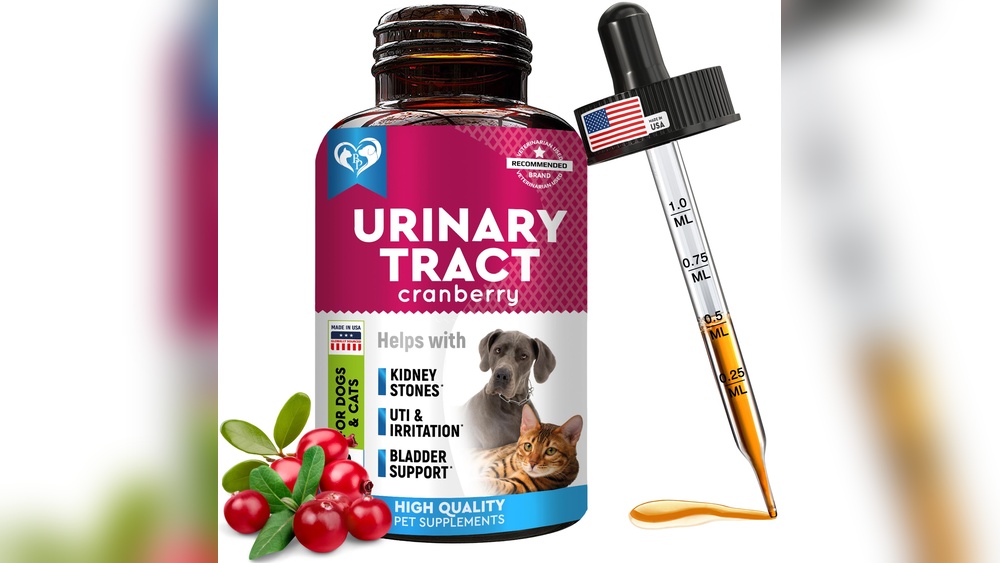
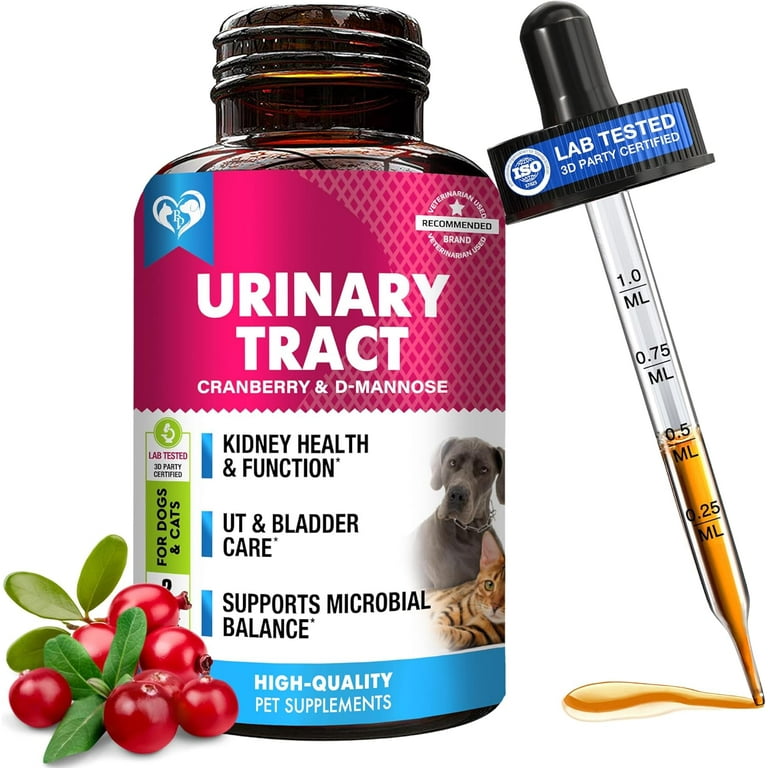
Cranberry supplements are popular for UTI support in dogs. They help stop bacteria from sticking to the bladder walls. This reduces infection risk and eases symptoms. Cranberries also promote urine acidity, which discourages bacterial growth. Choose supplements made for pets to ensure safety and proper dosage.
Herbal Treatments
Herbs like marshmallow root and uva ursi have natural antibacterial effects. These herbs soothe the urinary tract and reduce inflammation. Herbal teas or extracts can be given to dogs under vet guidance. Avoid herbs that may harm dogs or interfere with medicines. Use herbs as a mild aid, not a sole treatment.
Dietary Adjustments
Diet plays a key role in preventing and managing UTIs. Increase water intake to flush out bacteria. Wet dog food helps boost hydration compared to dry kibble. Foods rich in antioxidants support immune health. Avoid salty or sugary treats that may worsen infections. A balanced diet helps keep your dog’s urinary tract healthy.
Home Care Tips
Taking care of your dog at home is important during a UTI treatment. Simple actions can help your dog heal faster and feel better. These home care tips support the medicine your vet gives and keep your dog comfortable.
Hydration Importance
Water helps flush out bacteria from your dog’s bladder. Always provide fresh, clean water. Encourage your dog to drink often. Wet food can also increase water intake. Proper hydration reduces pain and speeds healing.
Hygiene Practices
Keep your dog’s genital area clean and dry. Use a soft cloth with warm water to gently wipe the area daily. Change bedding regularly to avoid bacteria buildup. Avoid harsh soaps or chemicals that can irritate the skin.
Monitoring Recovery
Watch for signs of improvement or worsening. Check if your dog urinates normally and without pain. Note any changes in behavior or appetite. Contact your vet if symptoms persist or get worse. Early action helps prevent complications.

Credit: todaysveterinarypractice.com
Frequently Asked Questions
What Are The Symptoms Of A Uti In Dogs?
Common UTI symptoms in dogs include frequent urination, straining, blood in urine, and licking the genital area. Dogs may also show signs of discomfort or lethargy. Early detection helps effective treatment and prevents complications.
How Is A Uti Diagnosed In Dogs?
Veterinarians diagnose UTIs through urine analysis and culture tests. These tests identify bacteria and guide appropriate antibiotic choice. Physical exams and medical history also help confirm the diagnosis.
What Is The Best Antibiotic For Dog Uti Treatment?
The best antibiotic depends on the bacteria type and sensitivity. Common choices include amoxicillin, cephalexin, and enrofloxacin. Always use antibiotics prescribed by a vet to ensure safe and effective treatment.
Can Diet Help Prevent Utis In Dogs?
Yes, a balanced diet supports urinary tract health. Specialized diets can reduce urine acidity and prevent crystal formation. Consult your vet for the best dietary plan to help prevent UTIs.
Conclusion
Treating a UTI in dogs quickly helps them feel better fast. Always watch for signs like frequent urination or discomfort. A vet’s advice ensures the right medicine and care. Clean water and good hygiene support healing. Early treatment prevents serious problems later on.
Keep your dog comfortable and follow all vet instructions. Healthy pets mean happy homes. Simple steps make a big difference in your dog’s health. Stay alert and act quickly to protect your furry friend.