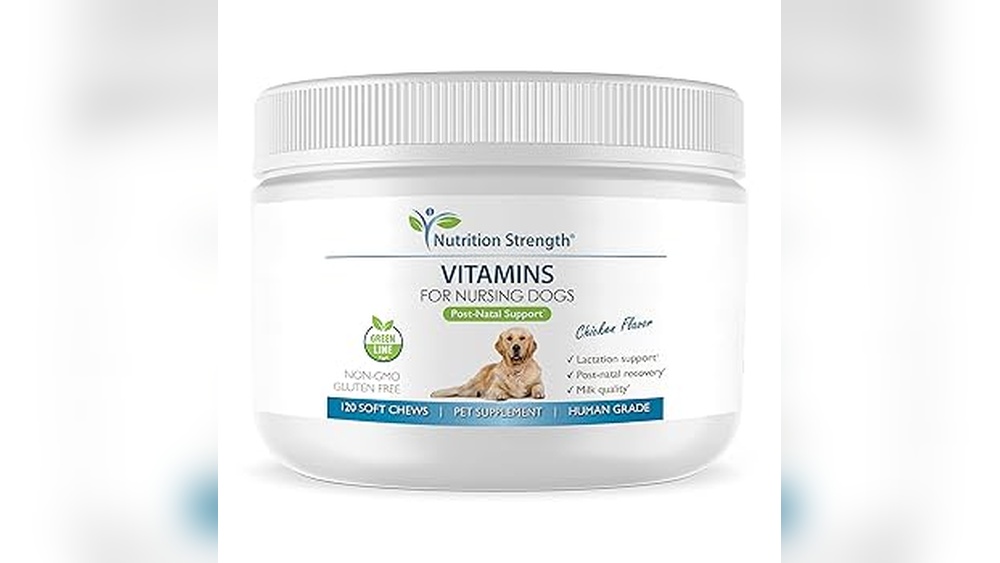
If you have a lactating dog, you want to give her the best care possible. Her body is working hard to feed her puppies, and the right vitamins can make a huge difference.
But with so many options out there, how do you know which vitamins are truly best for her health and energy? You’ll discover the essential vitamins that support your dog during this crucial time. Keep reading to learn how to boost her wellbeing and help her puppies grow strong and healthy.
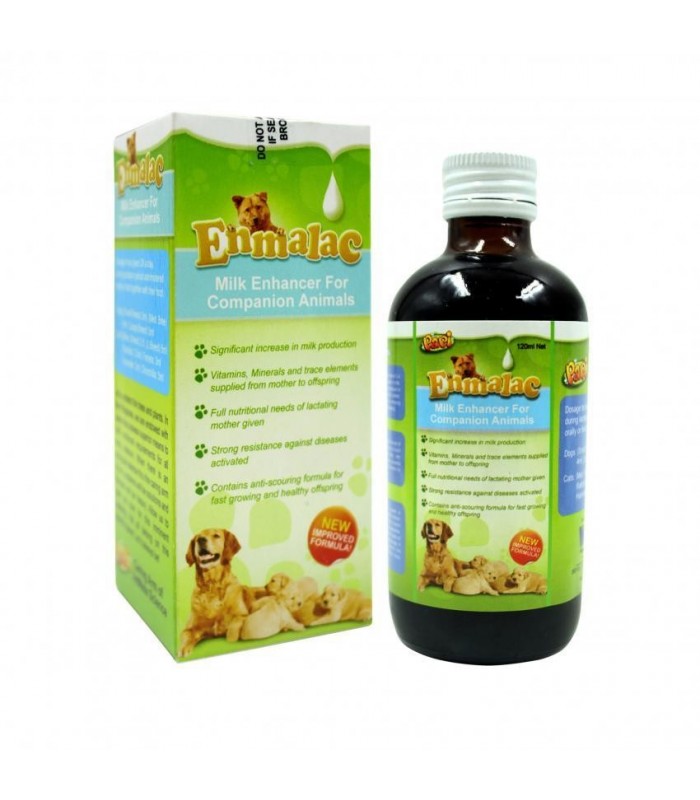
Credit: fortunepaw.com
Key Nutrients For Lactating Dogs
Lactating dogs need special nutrients to stay healthy and care for their puppies. Their bodies work hard to produce enough milk. Proper nutrition supports milk quality and quantity. Key nutrients include vitamins, minerals, and fatty acids. Each plays a vital role in the dog’s health during this demanding phase.
Role Of Vitamins In Milk Production
Vitamins help the dog’s body work well during lactation. Vitamin A supports healthy skin and vision. Vitamin D aids calcium absorption, which is important for strong bones. Vitamin E protects cells from damage. B vitamins boost energy and improve metabolism. These vitamins keep milk nutritious and support the mother’s health.
Importance Of Minerals And Fatty Acids
Minerals like calcium and phosphorus build strong bones for mother and puppies. Iron helps form healthy blood cells. Zinc supports healing and immune health. Fatty acids, especially omega-3 and omega-6, improve brain development in puppies. They also keep the mother’s coat shiny and skin healthy. These nutrients ensure both mom and babies thrive during lactation.

Credit: onedesignmarketing.com.br
Top Vitamins For Nursing Dogs
Nursing dogs need extra care and nutrition. Vitamins play a key role in their health. They support milk production and keep the mother strong. Choosing the right vitamins helps both the dog and her puppies grow well.
Here are the top vitamins that nursing dogs need most. Each one supports a vital body function during this demanding time.
Vitamin A For Immune Support
Vitamin A helps keep the immune system strong. It protects nursing dogs from infections. This vitamin also supports healthy skin and eyes. Nursing dogs need enough Vitamin A to stay healthy and care for their puppies.
Vitamin D For Bone Health
Vitamin D helps the body absorb calcium. This is important for strong bones and teeth. Nursing dogs use calcium to produce milk. Without enough Vitamin D, bone health can suffer. This vitamin keeps the mother’s bones healthy during nursing.
Vitamin E As An Antioxidant
Vitamin E protects cells from damage. It acts as an antioxidant in the body. This vitamin supports muscle and tissue health. Nursing dogs benefit from Vitamin E to stay energetic and healthy. It also helps the puppies grow strong.
B-complex Vitamins For Energy
B-complex vitamins help convert food into energy. Nursing dogs need extra energy to feed their puppies. These vitamins support the nervous system too. B-complex vitamins keep the mother active and alert. They help her meet the high demands of nursing.
Essential Minerals To Include
Essential minerals play a key role in a lactating dog’s health. These minerals support milk production and keep the mother dog strong. Proper mineral balance helps avoid health problems during this demanding phase.
Calcium And Phosphorus Balance
Calcium and phosphorus work together to build strong bones and teeth. Lactating dogs need more calcium to produce milk rich in nutrients. A correct balance prevents bone loss and supports muscle function. Too much or too little can cause serious health issues.
Iron For Red Blood Cells
Iron helps form red blood cells that carry oxygen throughout the body. Lactating dogs need extra iron to replace what they lose during milk production. Iron also boosts energy and supports overall health. A lack of iron may cause weakness and fatigue.
Zinc For Skin And Coat
Zinc keeps a dog’s skin healthy and coat shiny. It helps heal wounds and fight infections. Lactating dogs need zinc to maintain good skin condition during this stressful time. Zinc also supports the immune system and promotes growth.
Choosing The Right Supplements
Choosing the right supplements for lactating dogs is important for their health and the puppies’. Supplements help meet higher nutritional needs. Proper vitamins support milk production and energy levels. Select vitamins carefully to avoid harm and ensure benefits.
Natural Vs Synthetic Vitamins
Natural vitamins come from plants or animals. They often have better absorption in the body. Synthetic vitamins are made in labs and may cost less. Both types can be effective if made well. Choose based on quality and your dog’s needs.
Dosage Guidelines For Lactating Dogs
Correct dosage is key to safe supplementation. Too little vitamins may not help the dog. Too much can cause health problems. Follow veterinary advice for dosage amounts. Adjust doses as the dog’s condition changes during lactation.
Signs Of Deficiency And Excess
Watch for signs of vitamin lack like weak muscles or dull coat. Too many vitamins can cause vomiting or diarrhea. Observe your dog’s behavior and health closely. Report any unusual symptoms to your vet quickly.
Diet Tips For Supporting Lactation
Supporting a lactating dog’s diet is key to her health and the puppies’ growth. Proper nutrition helps maintain milk supply and strength. Focus on balanced meals rich in essential nutrients. Avoid common mistakes that could harm your dog or her pups.
High-quality Protein Sources
Protein is vital for milk production and energy. Choose lean meats like chicken, turkey, and beef. Eggs and fish provide excellent protein and healthy fats. Dairy products like cottage cheese can also support protein needs. Avoid low-quality fillers and processed foods. Fresh, natural protein sources help maintain strong muscles and milk quality.
Hydration Needs During Nursing
Water is crucial for milk production. Provide plenty of fresh, clean water at all times. Nursing dogs drink more than usual and can become dehydrated fast. Wet dog food can help increase fluid intake. Watch for signs of dehydration like dry gums or lethargy. Proper hydration keeps your dog healthy and her milk flowing.
Foods To Avoid
Certain foods can harm lactating dogs and their puppies. Avoid chocolate, caffeine, grapes, and raisins as they are toxic. Onions and garlic can cause blood problems. Fatty, salty, or sugary snacks upset digestion. Raw or undercooked meat increases infection risk. Keep treats safe and stick to vet-approved foods only.
Consulting Your Veterinarian
Consulting your veterinarian is vital before giving vitamins to a lactating dog. Each dog has unique health needs that affect their supplement requirements. A vet can guide you on the safest and most effective vitamins for your dog’s condition. This ensures the health of both the mother and her puppies during this demanding time.
Tailoring Supplements To Individual Needs
Not all lactating dogs need the same vitamins. A vet checks your dog’s health and diet before suggesting supplements. They consider age, breed, and medical history. This helps avoid giving unnecessary or harmful vitamins. Personalized care improves the dog’s recovery and milk quality for puppies.
Monitoring Health During Lactation
Regular vet visits help track your dog’s health while nursing. The vet watches for signs of vitamin deficiencies or excesses. Blood tests may be done to check nutrient levels. Timely adjustments to supplements keep the dog strong and healthy. This ongoing care supports the best outcomes for mother and puppies.

Credit: www.amazon.com
Frequently Asked Questions
What Vitamins Are Essential For Lactating Dogs?
Lactating dogs need vitamins A, D, E, and B-complex for milk production. These vitamins support immunity, energy, and overall health during nursing.
How Does Vitamin D Benefit Nursing Dogs?
Vitamin D helps calcium absorption, crucial for strong bones and milk quality. It prevents deficiencies that can affect both mother and puppies.
Can Vitamin Supplements Improve Milk Production In Dogs?
Yes, supplements with vitamins A, E, and B-complex can boost milk quantity and quality. Always consult a vet before starting supplements.
Are There Risks In Over-supplementing Lactating Dogs?
Excess vitamins, especially A and D, can cause toxicity. Proper dosage is vital, so follow veterinary guidance to avoid health issues.
Conclusion
Choosing the right vitamins helps lactating dogs stay healthy and strong. Good nutrition supports milk production and puppy growth. Vitamins like calcium, vitamin A, and B-complex are important. Always check with your vet before giving supplements. Balanced care makes a big difference for mother and pups.
Healthy moms mean happy, thriving puppies. Keep their diet simple and full of essential nutrients. Small steps lead to great results in dog health.