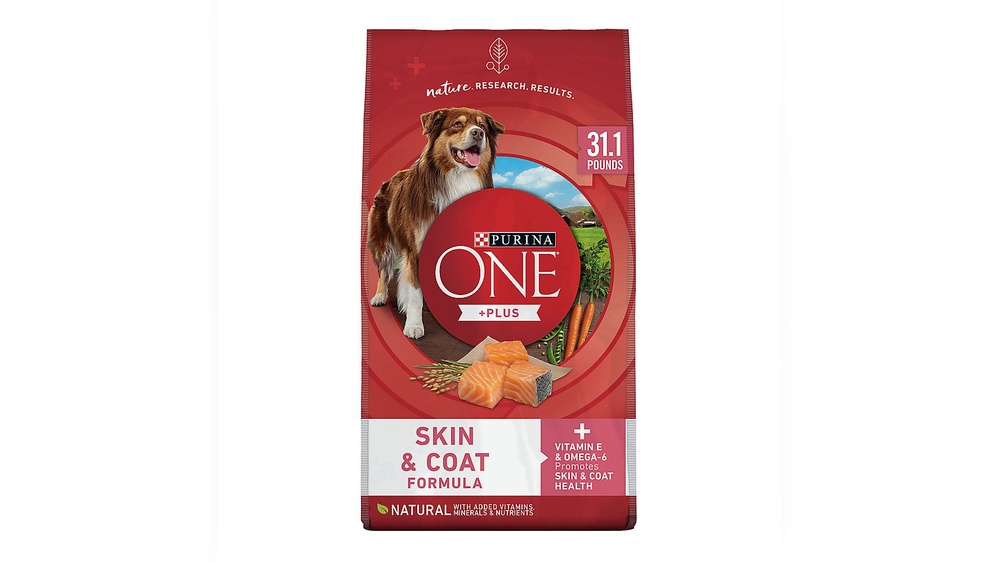
If your dog is struggling with skin allergies, you know how tough it can be to see them constantly scratching, licking, or feeling uncomfortable. What if the right food could help ease their irritation and support healthier skin?
Choosing the best food for skin allergies in dogs isn’t just about nutrition—it’s about giving your furry friend relief and comfort every day. You’ll discover which ingredients to look for, what to avoid, and how the right diet can transform your dog’s skin health.
Keep reading to find out how you can make a real difference for your dog’s well-being.
Common Skin Allergies In Dogs
Skin allergies are common in dogs and cause discomfort. These allergies affect the skin, causing itching and redness. Understanding common skin allergies helps in managing your dog’s health better.
Symptoms To Watch For
Itching is the most common symptom of skin allergies in dogs. Watch for redness and swelling on the skin. Hair loss and dry patches may also appear. Dogs might lick or chew their paws often. Scabs and sores can develop from constant scratching.
Triggers And Causes
Food ingredients can trigger allergic reactions in dogs. Environmental factors like pollen and dust mites also cause allergies. Flea bites are another common cause of skin irritation. Some dogs react to chemicals in shampoos or cleaning products. Identifying triggers is key to reducing allergy symptoms.
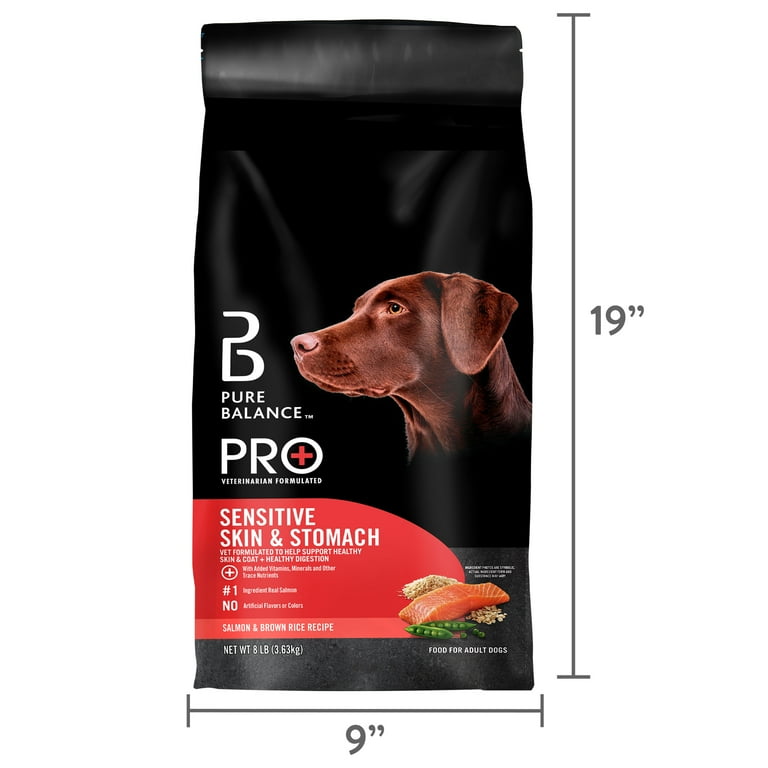
Credit: www.walmart.com
Nutritional Needs For Allergic Dogs
Dogs with skin allergies need special nutrition to support their skin health. Their diet must help reduce itching and inflammation. Proper nutrients can strengthen the skin barrier and improve healing. Choosing the right food helps manage allergy symptoms and keeps your dog comfortable.
Essential Nutrients For Skin Health
Omega-3 and Omega-6 fatty acids are vital for healthy skin. They reduce inflammation and keep the skin moist. Proteins provide building blocks for skin repair and growth. Vitamins like A, E, and zinc support skin healing and immune function. Antioxidants help protect skin cells from damage. Balanced nutrition supports overall skin strength and resilience.
Foods To Avoid
Common allergens include beef, dairy, wheat, and soy. These ingredients can worsen skin allergies in many dogs. Artificial additives and preservatives may trigger allergic reactions. Avoid foods with fillers and by-products that irritate the skin. Choosing limited-ingredient diets often helps reduce allergy symptoms. Fresh, simple ingredients usually work best for sensitive dogs.
Top Healing Diets For Skin Allergies
Skin allergies in dogs cause itchiness, redness, and discomfort. Changing their diet can help soothe these symptoms. Choosing the right food can reduce allergic reactions and improve skin health. The following diets are known to help dogs with skin allergies heal and feel better.
Hypoallergenic Diets
Hypoallergenic diets use ingredients less likely to cause allergies. They often contain hydrolyzed proteins, broken down into tiny parts. These small proteins are harder to trigger allergic responses. Hypoallergenic diets also avoid common allergens like wheat, soy, and corn. These diets support healing by lowering skin inflammation and irritation.
Limited Ingredient Diets
Limited ingredient diets contain fewer ingredients to reduce allergy triggers. They use simple recipes with one protein and one carbohydrate source. This makes it easier to identify which ingredient causes allergies. Limited ingredient diets help calm the immune system and improve skin condition. They are a good choice for dogs with multiple allergies.
Novel Protein Diets
Novel protein diets include proteins your dog has not eaten before. Examples are duck, venison, or rabbit. These proteins reduce the chance of an allergic reaction. Novel protein diets give the skin a chance to heal by avoiding familiar allergens. They often improve coat shine and reduce itching effectively.
Natural Ingredients That Soothe Skin
Natural ingredients can help calm your dog’s irritated skin. They work gently without harsh chemicals. These ingredients support healing and reduce itching. Feeding your dog with the right nutrients can improve skin health over time. Many natural foods contain elements that soothe allergies and protect the skin barrier.
Choosing foods rich in these natural ingredients can ease your dog’s discomfort. They promote healthy skin and a shiny coat. Here are two key types of ingredients to consider.
Omega-3 And Omega-6 Fatty Acids
Omega-3 and Omega-6 fatty acids are vital for skin health. They reduce inflammation and help repair skin cells. These fats keep the skin hydrated and soft. Fish oil, flaxseed, and sunflower oil are good sources. Adding these to your dog’s diet can lessen redness and itching. Balanced fatty acids also support the immune system. This helps your dog fight allergies naturally.
Probiotics And Antioxidants
Probiotics improve your dog’s gut health, which affects the skin. A healthy gut reduces allergic reactions and inflammation. Foods like yogurt and fermented vegetables contain probiotics. Antioxidants protect skin cells from damage caused by free radicals. Vitamins C and E are powerful antioxidants found in fruits and vegetables. These nutrients help repair damaged skin and boost healing. They also support the immune system, helping your dog stay healthy.
Homemade Recipes For Allergic Dogs
Homemade recipes offer a safe way to feed dogs with skin allergies. They help avoid common allergens found in many commercial foods. Preparing meals at home lets you control every ingredient. This ensures your dog eats only what suits their sensitive skin. Fresh ingredients can soothe irritation and improve coat health.
Choosing the right foods for homemade recipes supports your dog’s overall well-being. It also reduces allergic reactions and promotes healing. Using simple, natural ingredients can make a big difference. These meals often contain limited proteins and carbohydrates, lowering allergy risks.
Simple Balanced Meals
Balanced meals contain proteins, carbs, and fats in the right amounts. For allergic dogs, lean meats like turkey or fish work well. Cooked sweet potatoes or rice serve as gentle carbohydrate sources. Adding small amounts of pumpkin or carrots provides fiber and vitamins. Use olive oil or fish oil for healthy fats. Avoid common allergens like beef, dairy, or wheat. Always cook ingredients thoroughly to help digestion. Mixing these items creates a tasty and safe meal.
Treats That Support Skin Health
Homemade treats can boost your dog’s skin health. Use ingredients rich in omega-3 fatty acids, such as flaxseed or fish oil. Mix oats, pumpkin puree, and eggs to form a dough. Shape into small bites and bake until firm. These treats reduce itching and improve coat shine. Avoid store-bought treats with artificial additives. Healthy snacks keep your dog happy and their skin calm.
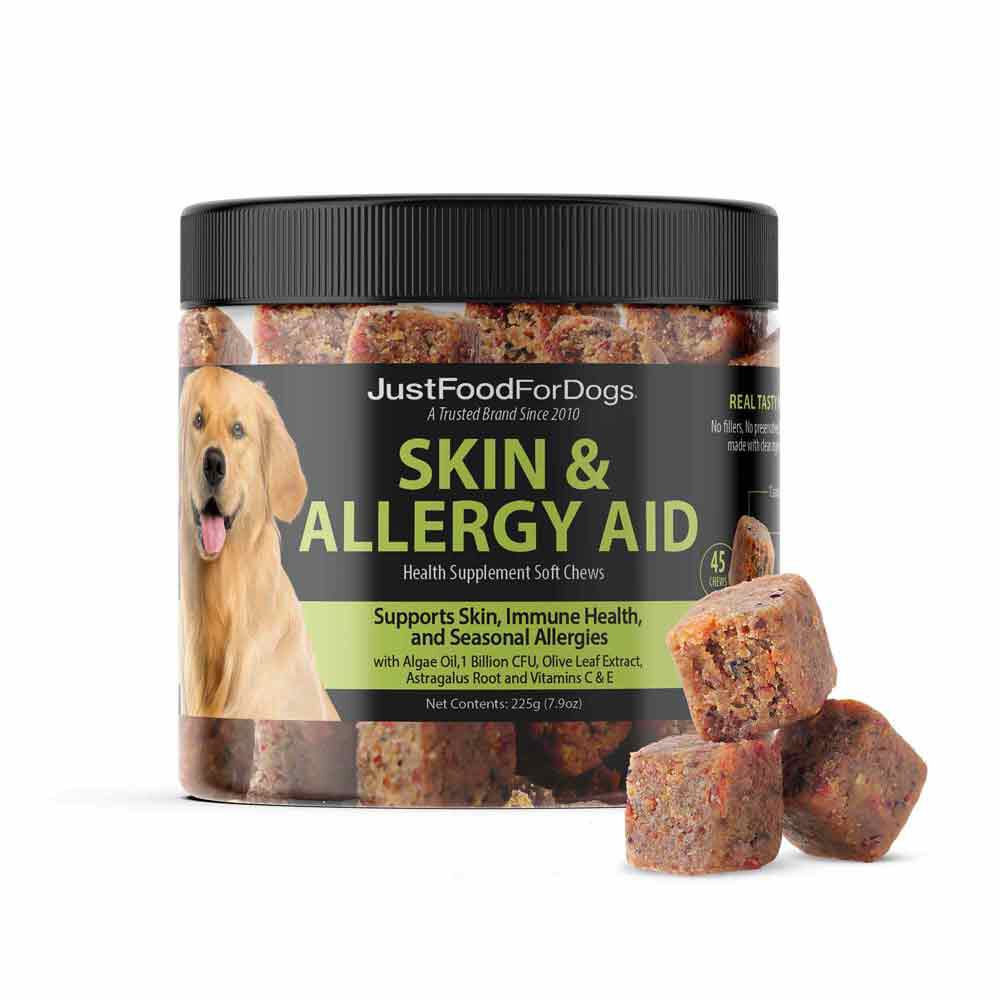
Credit: www.justfoodfordogs.com
Tips For Transitioning Diets Safely
Changing your dog’s diet for skin allergies needs care and patience. A sudden switch can upset their stomach and skin. Taking small, careful steps helps your dog adjust well. It also lets you see if the new food suits them. Follow these tips to keep your dog safe and comfortable during the change.
Gradual Food Changes
Start by mixing a small amount of new food with the old. Increase the new food slowly over 7 to 10 days. This slow change helps your dog’s digestive system adapt. Avoid switching all at once. Sudden changes can cause vomiting or diarrhea. Watch your dog’s eating habits each day during this time.
Monitoring Reactions
Check your dog’s skin and behavior closely after changing food. Look for itching, redness, or swelling. Note any changes in energy or appetite. Keep a daily journal of symptoms and food amounts. If signs of allergy get worse, stop the new food. Consult your vet for advice and possible allergy tests.
When To Consult A Veterinarian
Skin allergies in dogs can be tough to manage. Diet changes often help reduce symptoms. But sometimes, food alone may not solve the problem. Knowing when to see a veterinarian is very important. A vet can offer advice and treatments beyond diet adjustments.
Signs Diet Alone Isn’t Enough
Watch for itching that does not stop. Red, inflamed skin or constant scratching are clear signs. If your dog’s skin gets worse, diet changes may not be enough. Other symptoms include hair loss or sores that do not heal. These signs mean a vet’s help is needed quickly.
Professional Allergy Testing
A vet can perform allergy tests to find exact triggers. These tests help identify specific foods or environmental factors causing allergies. Testing guides better treatment plans tailored to your dog’s needs. Allergy testing can save time and prevent unnecessary diet changes. It helps manage your dog’s health more effectively.
:strip_icc()/Spruce-best-dog-food-for-allergies-4173781-024027f06d344cd8acf7267d38694fa3.jpg)
Credit: www.thesprucepets.com
Frequently Asked Questions
What Foods Help Reduce Skin Allergies In Dogs?
Foods rich in omega-3 fatty acids, like fish oil, help reduce inflammation. Limited ingredient diets and hypoallergenic foods also minimize allergic reactions in dogs.
Can Grain-free Diets Improve Dog Skin Allergies?
Yes, grain-free diets can reduce skin allergies in dogs sensitive to grains. They eliminate common allergens and support healthier skin and coat.
Which Proteins Are Best For Dogs With Skin Allergies?
Novel proteins like duck, venison, or rabbit are ideal. They reduce allergic reactions since dogs are less likely to be exposed to these proteins before.
How Do Probiotics Benefit Dogs With Skin Allergies?
Probiotics improve gut health and boost the immune system. A healthy gut helps reduce allergic skin flare-ups in dogs.
Conclusion
Choosing the right food helps ease your dog’s skin allergies. Natural ingredients reduce irritation and support healing. Avoiding common allergens keeps your dog comfortable and happy. Consistent diet changes show results over time. Consult your vet to find the best food for your dog.
Healthy skin means a healthier, more active pet. Careful food choices make a big difference every day. Your dog deserves comfort and relief from allergies. Keep feeding them what helps the skin heal well. Simple steps lead to lasting, positive changes.