
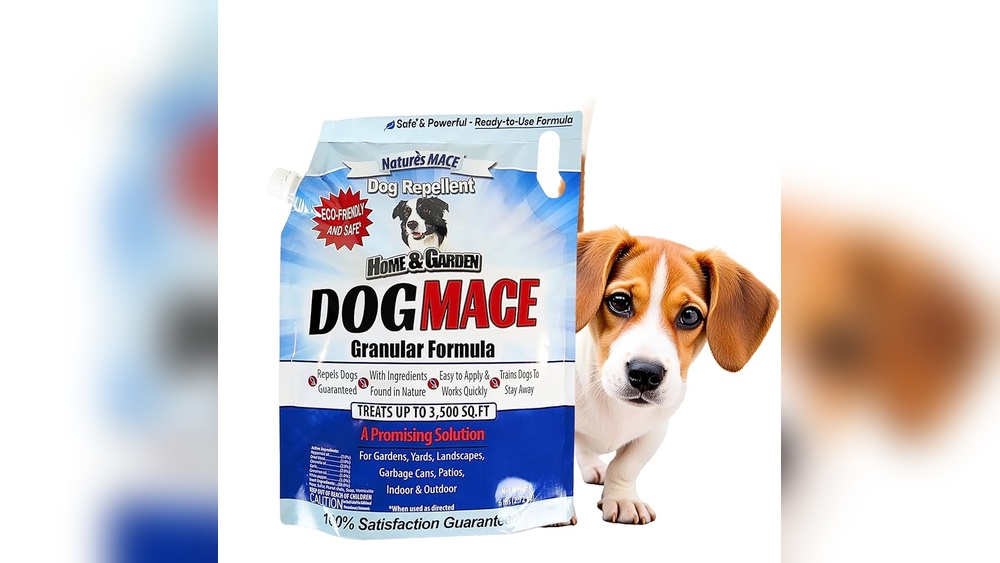
If you love your green lawn but struggle with dogs digging, digging, and leaving unwanted marks, you’re not alone. Finding the best dog repellent for grass can save your yard from damage and keep it looking fresh and beautiful.
Imagine enjoying your outdoor space without worrying about paw prints or brown spots ruining your hard work. You’ll discover simple, effective solutions that protect your grass while being safe for pets. Ready to reclaim your lawn? Let’s dive in and find the perfect dog repellent for your grass.
Why Dogs Damage Lawns
Dogs can cause damage to lawns in several ways. Understanding why dogs damage lawns helps in finding the best dog repellent for grass. Many pet owners notice brown spots and worn patches on their grass. These signs show how dogs affect the health and look of lawns.
Common Causes Of Lawn Damage
Dogs dig holes and run on the grass. Their paws can tear up the soft soil and grass blades. Constant running creates worn paths where grass struggles to grow. Dogs may also dig out plants or roots, leaving bare spots behind. These actions weaken the lawn’s surface and make it uneven.
Impact Of Dog Urine On Grass
Dog urine contains high nitrogen levels. While nitrogen is good for grass in small amounts, too much causes damage. Urine burns the grass and creates brown or yellow spots. These spots show where the grass has died or lost color. Repeated urination in the same spot makes it hard for grass to recover.
Behavior Patterns That Harm Lawns
Dogs mark their territory by urinating on grass. This behavior causes repeated damage to certain areas. Some dogs dig to bury toys or bones, which uproots the grass. Dogs also chase insects or animals, trampling the lawn. These patterns lead to uneven and patchy grass that looks unhealthy.
Types Of Dog Repellents
Dogs love to explore grass, but their visits can damage your lawn. Dog repellents help protect grass without harming pets. These repellents come in different types, each with its own method. Understanding these types helps you choose the best option for your lawn.
Natural Repellents
Natural repellents use safe ingredients to keep dogs away. Common ingredients include vinegar, citrus, and essential oils. These scents dogs dislike create a barrier on the grass. Natural repellents are pet-friendly and easy to apply. They need regular reapplication, especially after rain or watering.
Chemical Repellents
Chemical repellents contain substances that dogs find unpleasant. They often use bitter or sharp odors to deter dogs. These repellents last longer than natural ones but require careful use. Always follow instructions to avoid harming pets or plants. Chemical repellents can be effective for heavy dog traffic areas.
Electronic Devices
Electronic devices use sensors to detect dog movement. They emit a mild electric pulse or spray when a dog approaches. These devices train dogs to avoid the grass area over time. They work best in small to medium-sized yards. Electronic repellents are safe and do not cause harm to dogs.
Ultrasonic Repellents
Ultrasonic repellents produce high-frequency sounds that dogs dislike. These sounds are inaudible to humans but annoying to dogs. The devices activate when dogs come near the grass. Ultrasonic repellents are quiet and easy to use. Their effectiveness depends on dog sensitivity to sound.
Top Natural Dog Repellents
Natural dog repellents keep your grass safe without harsh chemicals. They use scents and ingredients dogs dislike. These repellents work gently and are safe for pets and the environment. Here are some of the best natural options to try in your garden.
Essential Oils And Sprays
Essential oils like citrus, peppermint, and eucalyptus repel dogs effectively. Mix a few drops with water and spray on your lawn. The strong smell keeps dogs away without harming the grass. Reapply after rain or watering for best results.
Homemade Remedies
Simple homemade solutions use common household items. Vinegar and water spray discourages dogs from entering your grass. A mix of crushed garlic and water works as well. These remedies are cheap, easy, and safe for plants.
Plant-based Solutions
Certain plants naturally repel dogs due to their scent. Rue, lavender, and rosemary grow well in many gardens. Plant these around your lawn edges to create a natural barrier. Dogs avoid these plants, protecting your grass naturally.
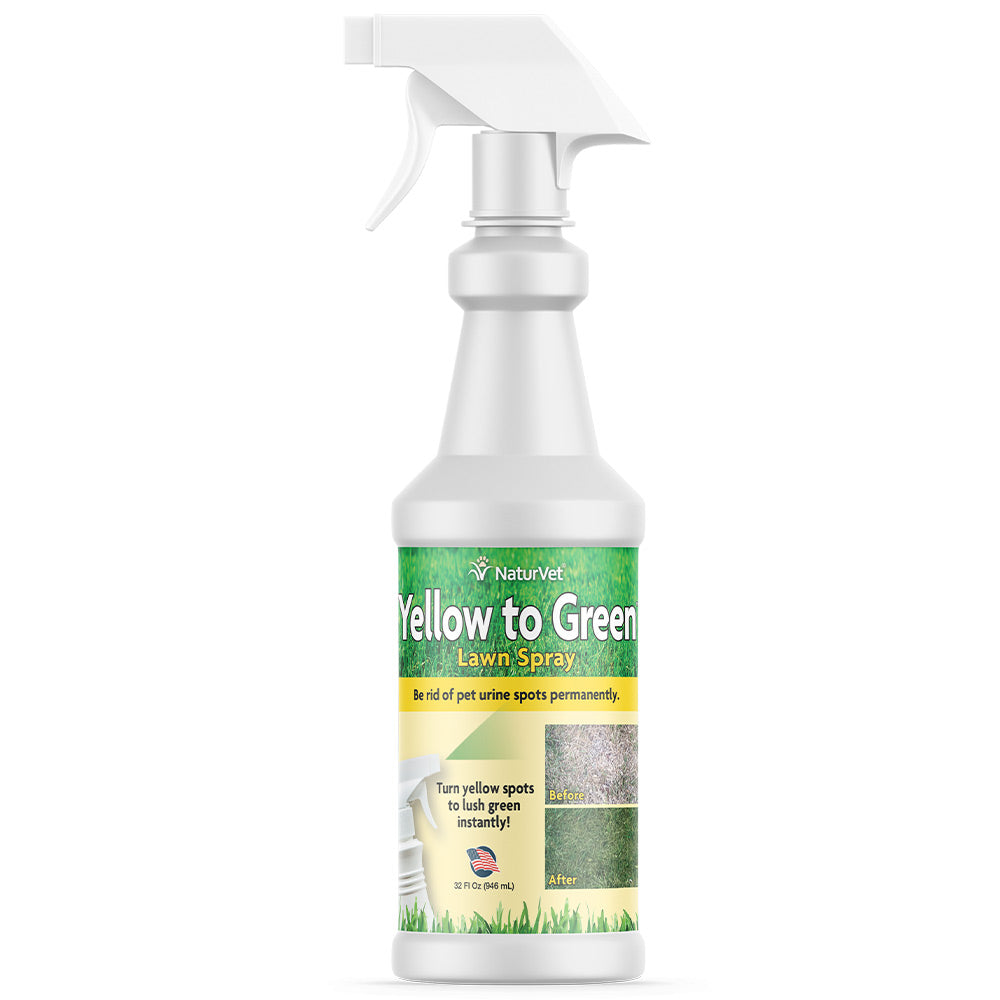
Credit: naturvet.com
Effective Chemical Repellents
Chemical repellents offer a strong solution to keep dogs off your grass. These products use scents or tastes that dogs dislike. They help protect your lawn without harming pets or plants. Applying the right chemical repellent can save your grass from digging, urinating, and chewing. Choosing an effective product ensures long-lasting results and a healthy yard.
Popular Commercial Products
Many brands make chemical dog repellents for grass. Common options include sprays and granules. These products often contain natural ingredients like citronella or bitter apple. Some use synthetic scents that dogs avoid. Popular sprays work fast and last for days. Granules release repellent slowly, giving longer protection. Check labels to find the best fit for your yard.
Safety Considerations
Choose repellents safe for pets and children. Avoid harsh chemicals that can harm skin or plants. Always read the instructions before use. Test the product on a small grass area first. Watch your pets for any allergic reactions. Store repellents out of reach of kids and animals. Safe use keeps your family and lawn healthy.
Application Tips
Apply repellents evenly on the grass surface. Use a sprayer for liquids or spread granules by hand. Treat areas where dogs usually enter or dig. Reapply after rain or heavy watering. Follow timing guidelines on the product label. Avoid overuse to prevent grass damage. Consistent application improves repellent effectiveness.
Electronic And Ultrasonic Options
Electronic and ultrasonic dog repellents offer a modern way to protect your grass. These devices use sound waves that dogs dislike. The sounds are high-pitched and mostly inaudible to humans. They create a safe zone without harming pets or people. Many homeowners prefer these options for their ease and cleanliness. They avoid chemicals and keep your lawn natural.
How Ultrasonic Devices Work
Ultrasonic devices send out high-frequency sounds. Dogs hear these sounds as unpleasant noises. The devices activate when motion is detected. This sudden noise scares dogs away from the grass. The sound does not bother neighbors or other animals. It creates an invisible barrier to protect your lawn.
Pros And Cons
Pros include no chemicals or sprays needed. They are safe for pets and children. These devices are quiet for humans. Cons include some dogs ignoring the sound. Effectiveness may vary with dog breed and size. Batteries or power sources need regular checking. Ultrasonic repellents work best in small to medium areas.
Installation And Maintenance
Installation is simple and fast. Place the device where dogs enter your grass. Make sure the sensor faces the right direction. Most devices need batteries or a power outlet. Check the device often to ensure it works. Clean sensors to avoid dust blocking detection. Replace batteries as required for best performance.
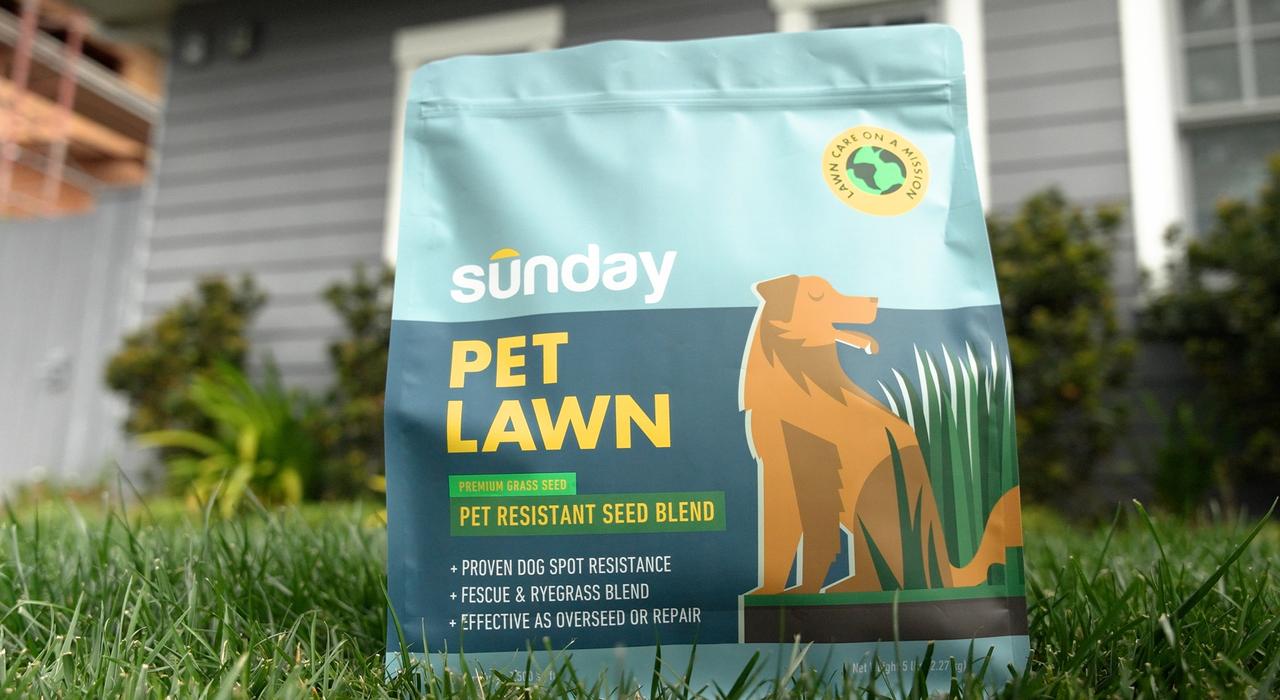
Credit: www.getsunday.com
Preventive Lawn Care Strategies
Preventive lawn care strategies help protect grass from dog damage. Healthy grass can resist stains and holes better. These strategies keep your lawn green and fresh. They also reduce the need for harsh chemicals later.
Lawn Treatments To Reduce Damage
Applying lawn treatments can make grass stronger. Use fertilizers designed to boost root growth. Strong roots help grass recover from wear faster. Water the lawn deeply but less often. This encourages deep root growth and resilience. Choose grass types that handle foot traffic well. These steps help your lawn stay healthy around dogs.
Training Dogs To Avoid Lawns
Teaching dogs to stay off the grass protects it. Use clear commands like “stay” or “no” near the lawn. Reward dogs when they follow these rules. Create a specific play area for dogs outside the lawn. Consistent training helps dogs learn lawn boundaries quickly. This reduces damage and keeps your yard neat.
Using Barriers And Fencing
Barriers and fences create a physical limit for dogs. Low fences or garden edging can stop dogs from entering the lawn. Use natural barriers like bushes or shrubs to block access. Temporary fences work well during lawn repairs. These tools protect grass by keeping dogs away. They help maintain your lawn’s beauty and health.
Choosing The Right Repellent
Choosing the right dog repellent for your grass is important. The perfect repellent keeps your lawn safe and your dog comfortable. Different repellents work better for different dogs and situations. Knowing what to consider helps you pick the best product for your needs.
Factors To Consider
Check the repellent’s ingredients. Some may irritate your dog or grass. Look for safe, natural options. Think about how long the repellent lasts. A longer-lasting product needs fewer applications. Also, consider your budget. Some repellents cost more but work better. Read reviews to learn about real results. Choose one that fits your lawn size and dog’s habits.
Matching Repellents To Dog Behavior
Dogs react differently to repellents. Some dislike smell, others dislike taste or texture. Observe your dog’s behavior to find what works. For example, if your dog avoids strong smells, use scent-based repellents. If your dog likes to dig or chew, try taste-based types. Understanding your dog helps you pick a repellent that truly works.
Environmental Impact
Choose repellents that are eco-friendly. Avoid products with harsh chemicals that harm plants and soil. Natural repellents protect your grass and local wildlife. They also keep water sources clean. Using safe repellents helps keep your garden healthy and green. Always check for biodegradable and non-toxic labels before buying.

Credit: www.amazon.com
Tips For Maintaining A Healthy Lawn
Maintaining a healthy lawn requires regular care and attention. A strong, green lawn stands up better to dogs and other challenges. Proper lawn care helps repair damage and keeps the grass growing well. Follow these simple tips for a beautiful yard that lasts all year.
Repairing Damaged Grass
Start by removing dead grass and debris. Rake the area gently to loosen soil. Spread grass seed evenly on bare spots. Cover seeds with a thin layer of soil or mulch. Water the patch lightly every day until grass grows. Avoid heavy foot traffic on new grass. This helps roots grow strong and deep.
Soil And Water Management
Good soil is key to healthy grass. Test soil pH and nutrients regularly. Add fertilizer based on test results. Water grass early in the morning for best results. Use about one inch of water per week. Avoid overwatering to prevent root rot. Aerate soil to improve air and water flow. This keeps roots healthy and grass thick.
Seasonal Lawn Care
Adjust care based on the season. In spring, remove leaves and dead grass. Reseed thin areas to promote growth. In summer, water deeply but less often. Mow grass to about 3 inches tall. In fall, fertilize to prepare grass for winter. Clear fallen leaves to avoid smothering grass. Winter care is minimal but avoid heavy traffic on frozen grass.
Frequently Asked Questions
What Is The Best Dog Repellent For Grass?
The best dog repellent for grass is non-toxic and safe for pets. It uses natural ingredients like citrus or vinegar to deter dogs without harming your lawn.
How Do Dog Repellents Protect My Grass?
Dog repellents create a scent barrier that discourages dogs from urinating or digging. This helps prevent grass damage and keeps your lawn healthy and green.
Are Natural Dog Repellents Effective On Grass?
Yes, natural dog repellents with ingredients like citronella, vinegar, or essential oils effectively keep dogs off grass. They are safe and eco-friendly solutions for lawn protection.
Can Dog Repellents Harm My Lawn Or Pets?
Most dog repellents designed for grass are safe for both lawns and pets. Always choose products labeled non-toxic and follow usage instructions to avoid damage or irritation.
Conclusion
Protecting your grass from dogs keeps your yard clean and green. Choosing the right dog repellent helps stop unwanted digging and damage. Natural and safe repellents work well without harming pets or plants. Consistent use creates a clear boundary dogs learn to avoid.
Healthy grass means a nicer space for your family to enjoy. Try different repellents to find what suits your lawn best. Keep your outdoor area fresh and inviting all year long. Simple steps make a big difference in grass care.


