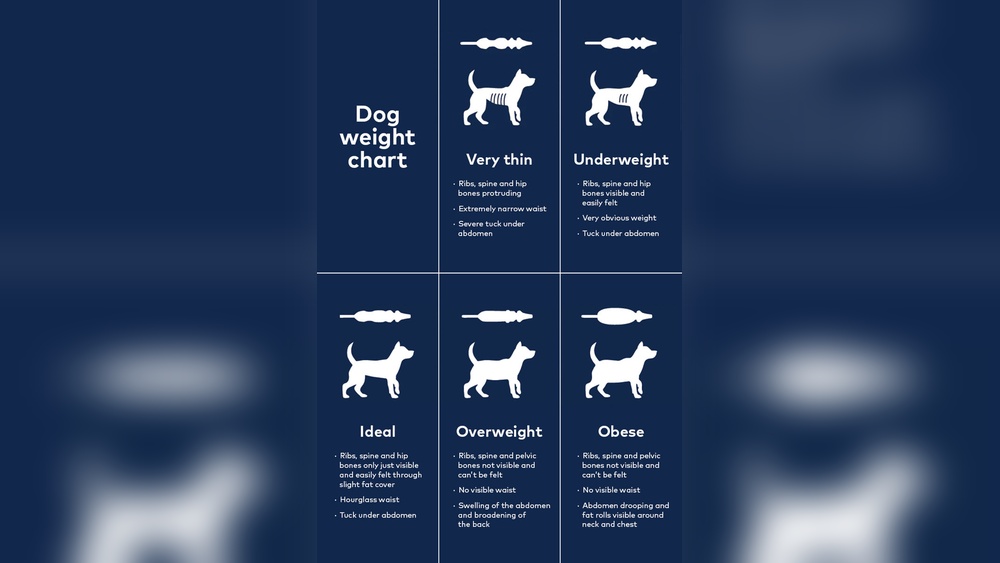
Are you worried because your dog isn’t gaining enough weight? You want your furry friend to be healthy, energetic, and strong.
But finding the right food to help your dog put on weight can be confusing. Not all foods are made equal, and feeding the wrong ones might do more harm than good. You’ll discover the best foods that can safely and effectively help your dog gain healthy weight.
Keep reading to learn how to give your dog the nutrition they need to thrive.
Credit: labiosthetique.ee
High-calorie Dog Foods
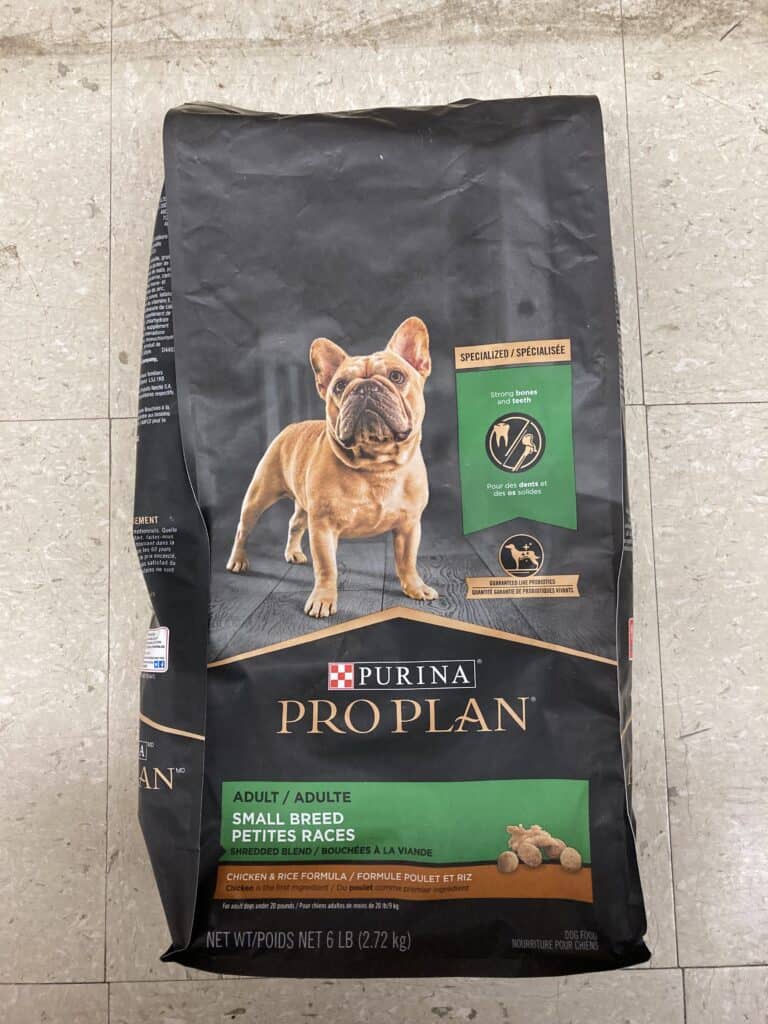
High-calorie dog foods help dogs gain weight safely and healthily. These foods provide extra energy and nutrients. They support muscle growth and improve overall health. Choosing the right high-calorie food is key for a dog’s weight gain journey.
Commercial Weight Gain Formulas
Commercial weight gain formulas are made to boost a dog’s calorie intake. They contain balanced nutrients and extra fats. These formulas support healthy weight gain without causing digestive problems. Many vets recommend these products for underweight dogs. They come in dry kibble, canned food, or powders to mix with meals.
These foods often include added protein and fats. They also have vitamins and minerals for strong bones. Feeding the right portion ensures steady weight gain. Follow package directions and vet advice for best results.
Homemade High-calorie Meals
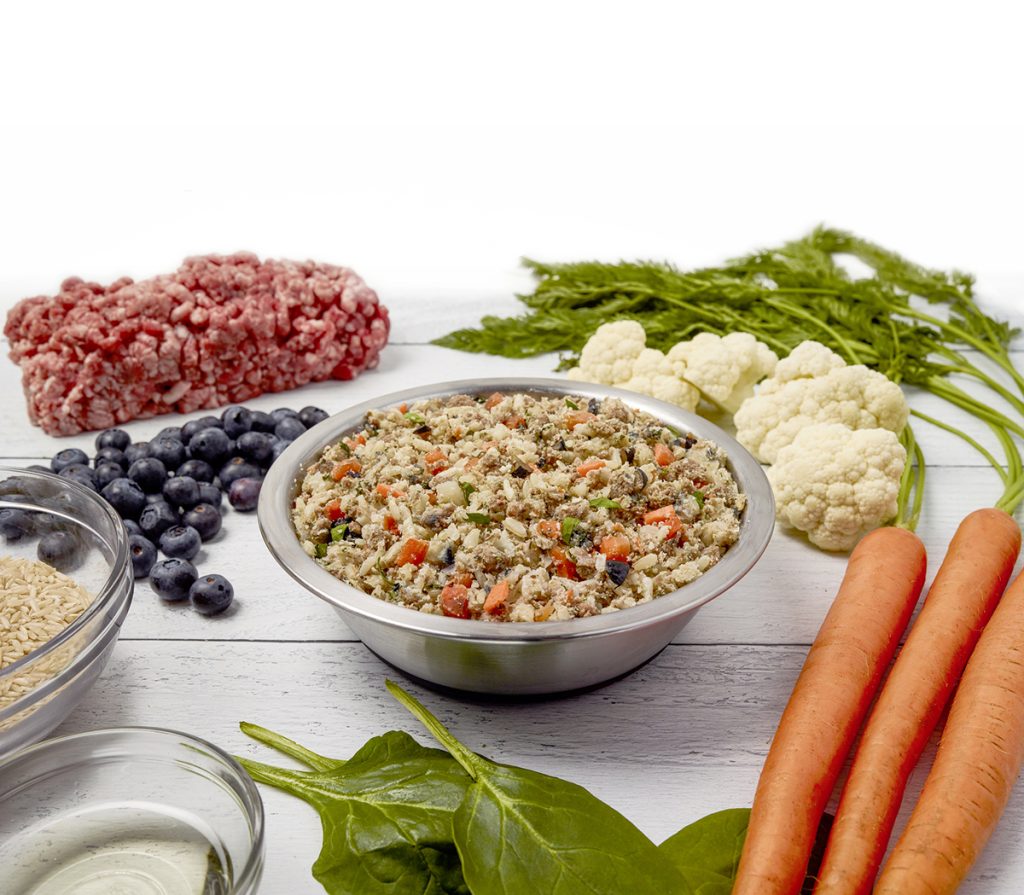
Homemade meals let you control ingredients and calories. Adding healthy fats like olive oil or coconut oil boosts calorie content. Cooked lean meats, eggs, and rice make good meal bases. Mixing in vegetables adds fiber and nutrients.
Use recipes designed for dogs to avoid harmful foods. Homemade meals can be tastier and fresher than commercial options. Prepare meals in small batches to keep them fresh. Consult your vet to balance nutrients properly.
Credit: blog.justfoodfordogs.com
Protein-rich Options
Protein is very important for dogs that need to gain weight. It helps build muscles and keeps dogs strong. Feeding your dog food with high protein supports healthy weight gain. It also boosts energy and improves overall health.
Choose foods that are easy to digest and rich in protein. These options provide essential nutrients for growing muscles and increasing body mass. Here are some of the best protein-rich foods for dogs.
Lean Meats And Fish
Lean meats like chicken, turkey, and beef are great protein sources. They have little fat but plenty of muscle-building nutrients. Fish, such as salmon and whitefish, also offer high protein and healthy fats.
Always cook meats and fish thoroughly before feeding them to your dog. Remove bones and skin to prevent choking or digestive issues. These foods help your dog gain weight without unhealthy fats.
Eggs And Dairy Products
Eggs are a complete protein source and easy to prepare. Cooked eggs provide essential amino acids that support muscle growth. Many dogs enjoy eggs as a tasty treat or meal addition.
Dairy products like plain yogurt and cottage cheese offer protein and calcium. These help strengthen bones and muscles. Use dairy in small amounts to avoid upset stomachs. These foods support healthy weight gain and overall nutrition.
Healthy Fats For Weight Gain
Healthy fats are a great way to help your dog gain weight safely. They provide extra calories without making your dog feel too full. These fats also support skin, coat, and overall health. Including the right fats in your dog’s diet can lead to steady and healthy weight gain.
Not all fats are equal. Choosing good fats ensures your dog gets the benefits without any harm. Two excellent sources of healthy fats are fish oil and coconut oil. Nut butters and seeds also offer good fats with added nutrients.
Fish Oil And Coconut Oil
Fish oil is rich in omega-3 fatty acids. These fats reduce inflammation and improve heart health. Adding fish oil to your dog’s meals can boost calories and promote a shiny coat.
Coconut oil contains medium-chain triglycerides (MCTs). MCTs provide quick energy and help with digestion. Coconut oil also supports brain health and can help your dog gain weight gradually.
Nut Butters And Seeds
Nut butters, like peanut or almond butter, offer healthy fats and protein. Use them in small amounts to avoid weight spikes. Always choose natural, unsalted nut butters to keep your dog safe.
Seeds such as chia and flax are packed with omega-3 fats and fiber. They help improve digestion and add calories. Grinding seeds before feeding helps your dog absorb the nutrients better.
Carbohydrates That Add Calories
Carbohydrates provide a great source of calories for dogs needing to gain weight. They offer energy and help build fat stores safely. Choosing the right carbohydrates supports healthy weight gain without upsetting digestion. Some carbs are easy to digest and rich in nutrients that support overall health. Including these in a dog’s diet boosts calorie intake naturally.
Rice And Oats
Rice is a gentle carbohydrate that many dogs enjoy. It is easy to digest and packs a good amount of calories. White rice works well for dogs with sensitive stomachs. Brown rice has more fiber and nutrients but is slightly harder to digest. Oats provide slow-releasing energy and help keep blood sugar stable. Both rice and oats help add bulk to meals and increase calorie content without causing weight gain too fast.
Sweet Potatoes And Pumpkin
Sweet potatoes offer a tasty, calorie-rich carbohydrate option. They contain fiber and vitamins that support digestion and immune health. Pumpkin is another great choice. It is low in fat but high in fiber and calories. Both sweet potatoes and pumpkin can be cooked and mashed easily. Dogs usually love their natural sweetness, making mealtime more enjoyable. These vegetables add calories and important nutrients for weight gain.
Supplements To Boost Appetite
Supplements can help increase your dog’s appetite and support healthy weight gain. They provide extra nutrients that may be missing in regular food. Using the right supplements encourages your dog to eat more and digest food better.
Vitamins And Minerals
Vitamins and minerals improve your dog’s overall health. They help the body absorb nutrients and boost energy levels. Vitamin B complex supports metabolism and appetite. Zinc and iron are important for immune health and digestion. A balanced vitamin and mineral supplement can make food more appealing to your dog.
Probiotics And Enzymes
Probiotics add good bacteria to your dog’s gut. They improve digestion and reduce stomach problems. Enzymes help break down food into nutrients your dog can use. Both probiotics and enzymes can reduce discomfort while eating. This leads to better appetite and weight gain over time.
Feeding Tips For Weight Gain
Helping your dog gain weight needs careful feeding habits. Feeding the right way supports healthy weight gain. It helps your dog grow stronger and feel better.
Feeding tips make the process easier. They help you give the right amount of food. Also, they guide you on how to track progress well.
Meal Frequency And Portion Sizes
Give your dog smaller meals more often. Four to six meals per day work well. Smaller portions help with digestion and absorption. Avoid one or two large meals. It can upset your dog’s stomach.
Start with slightly bigger portions than usual. Increase the amount gradually. Watch your dog’s appetite and energy levels. Adjust portions to match their needs.
Monitoring Progress And Adjustments
Weigh your dog regularly. Weekly checks show if weight gain is steady. Keep a simple record of weight and feeding habits. Look for changes in energy or mood.
If weight does not increase, increase meal size or frequency. If your dog gains too fast, reduce portions slightly. Consult your vet if you notice health issues. Always adjust food based on your dog’s response.
Credit: www.walmart.com
Frequently Asked Questions
What Foods Help Dogs Gain Weight Safely?
High-calorie foods like cooked chicken, rice, and eggs help dogs gain weight safely. Add healthy fats like fish oil or peanut butter for extra calories.
Can I Feed My Dog Human Food To Gain Weight?
Yes, but choose dog-safe human foods like boiled chicken, sweet potatoes, and carrots. Avoid toxic foods like chocolate, onions, and grapes.
How Often Should I Feed My Dog To Gain Weight?
Feed smaller, frequent meals 3-4 times daily. This improves digestion and increases calorie intake, promoting healthy weight gain.
Are Supplements Effective For A Dog’s Weight Gain?
Supplements like omega-3 fatty acids and probiotics support health but shouldn’t replace balanced meals. Consult a vet before adding supplements.
Conclusion
Choosing the right food helps your dog gain healthy weight. Focus on nutritious, high-calorie options like lean meats and healthy fats. Feed small, frequent meals to encourage eating. Watch your dog’s progress and adjust food as needed. Always keep fresh water nearby for hydration.
Consult your vet for advice tailored to your dog’s needs. A balanced diet supports your dog’s energy and overall health. Healthy weight gain improves your dog’s life quality and happiness. Simple steps can make a big difference for your furry friend.