
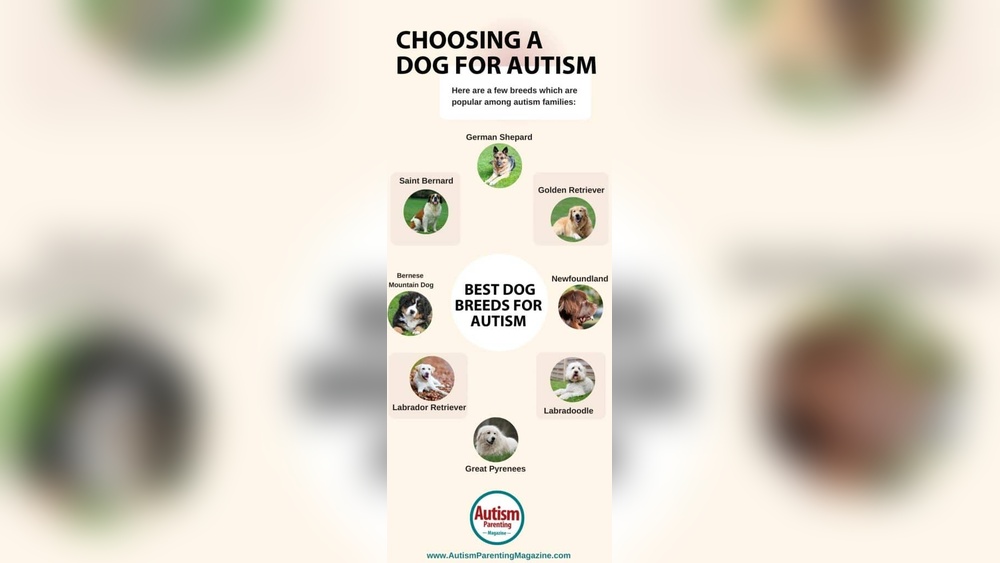
Choosing the right dog can make a big difference in your daily life, especially if you’re an autistic adult. The perfect furry friend can offer comfort, companionship, and even help reduce stress.
But with so many breeds out there, how do you find the one that fits you best? This guide will help you discover the best dog breeds designed to support your unique needs. By the end, you’ll feel confident in picking a loyal companion who understands and enriches your world.
Keep reading to find the dog that’s just right for you.
Traits Of Supportive Dog Breeds
Supportive dog breeds share key traits that help autistic adults feel safe and understood. These traits make the dog a true companion and aid in daily life challenges. Understanding these qualities helps in choosing the right dog breed for support and comfort.
Calm Temperament
A calm temperament is vital for support dogs. Calm dogs create a peaceful environment. They avoid sudden movements or loud barks that might startle. These dogs stay relaxed, even in busy or noisy places. This calmness helps autistic adults stay grounded and less anxious.
Intelligence And Trainability
Smart dogs learn commands and routines quickly. This intelligence makes training easier and more effective. Trainable dogs respond well to instructions and cues. They can be taught to recognize signs of distress. These dogs assist in managing stress and sensory overload.
Affection And Loyalty
Supportive dogs show strong affection and loyalty. They bond closely with their owners. This connection offers comfort and emotional support. Loyal dogs stay by the side of their person. Their presence helps reduce feelings of loneliness and fear.
Size Considerations
Size matters when choosing a support dog. Smaller dogs are easier to handle and carry. Larger dogs offer more physical support and protection. The right size depends on personal needs and living space. Comfort and ease of care are important factors.

Credit: www.scala-santa.com
Top Dog Breeds For Autistic Adults
Choosing the right dog breed can make a big difference for autistic adults. Dogs provide comfort, support, and companionship. Some breeds are known for their calm nature and ability to connect well with people. These traits help autistic adults feel safe and understood.
Here are some of the best dog breeds that offer gentle care and strong bonds. Each breed has unique qualities that suit different needs. Learning about these dogs helps in picking the perfect match.
Labrador Retriever
Labradors are friendly and patient dogs. They adapt well to different environments. Their loyalty and calm behavior help reduce stress. Labs are great for people who need a steady companion. They enjoy being active but also like quiet time.
Golden Retriever
Golden Retrievers are gentle and loving. They respond well to training and routines. Their soft nature makes them great for emotional support. They enjoy spending time with their humans. Goldens offer comfort with their calm presence.
Poodle
Poodles are smart and easy to train. They come in small and large sizes. Their hypoallergenic coat suits people with allergies. Poodles are attentive and enjoy mental games. They form strong bonds with their owners.
Cavalier King Charles Spaniel
This breed is small and affectionate. Cavaliers love close contact and gentle petting. They stay calm in quiet settings. Their friendly nature helps reduce feelings of loneliness. They adapt well to different living spaces.
Border Collie
Border Collies are highly intelligent and active. They need regular exercise and mental tasks. Their focus and energy can be a good match for some adults. Border Collies respond well to clear commands. They offer both companionship and engagement.
Benefits Of Dogs For Autistic Adults
Dogs offer many benefits for autistic adults. They provide comfort and companionship that can improve daily life. These animals help create a sense of calm and safety. Their presence can make challenges easier to face.
Having a dog also encourages good habits and social connections. These benefits support emotional and mental well-being. Caring for a dog gives a clear focus and purpose each day.
Emotional Support
Dogs offer steady emotional support to autistic adults. They listen without judgment and provide comfort during tough times. Their loyalty and affection help reduce feelings of loneliness. This bond can improve mood and increase feelings of safety.
Routine And Structure
Caring for a dog creates a daily routine. Feeding, walking, and grooming give structure to the day. This helps build consistency and predictability. Routines can reduce anxiety and improve focus in daily tasks.
Social Interaction
Dogs encourage social interaction in various settings. Walking a dog often leads to casual conversations with others. This helps autistic adults practice social skills in a relaxed way. Dogs act as a natural icebreaker, making connections easier.
Stress Reduction
Spending time with dogs lowers stress levels. Petting a dog releases calming hormones in the body. Their presence helps reduce anxiety and nervousness. This calming effect supports better mental health overall.
Choosing The Right Dog
Choosing the right dog for autistic adults is very important. The right dog can offer comfort, support, and companionship. Picking a dog that fits your lifestyle and needs helps build a strong bond. This section guides you through key points to consider before bringing a dog home.
Assessing Personal Needs
Think about what you want from a dog. Do you need a calm companion or an active friend? Consider how much time you have for training and care. Some dogs need more attention and others are more independent. Match a dog’s traits with your daily life and personality.
Matching Energy Levels
Energy levels vary between dog breeds. High-energy dogs need lots of exercise and play. Low-energy dogs prefer quiet time and short walks. Choose a dog whose energy matches your own. This helps keep both of you happy and healthy.
Considering Allergies
Check if anyone in your home has allergies to dogs. Some breeds shed less and cause fewer allergy problems. Hypoallergenic breeds can be a better choice. Protect your health by picking a dog that fits your allergy needs.
Adoption Vs. Breeder
Decide whether to adopt or buy from a breeder. Adoption gives a home to a dog in need. Breeders provide specific breeds with known traits. Both options have pros and cons. Choose what feels right for you and your lifestyle.
Training And Care Tips
Training and caring for a dog that suits autistic adults requires patience and understanding. Dogs need clear guidance and a calm approach. Consistent routines help both the dog and owner feel secure. Proper care ensures the dog stays happy and healthy. Here are some important tips for training and care.
Basic Obedience Training
Start training with simple commands like sit, stay, and come. Use short training sessions of five to ten minutes. Reward good behavior with treats or praise. Avoid loud or harsh corrections. Repeat commands calmly and clearly. Consistent practice builds trust and understanding.
Socialization Strategies
Introduce your dog slowly to new people and places. Choose quiet environments at first. Use positive reinforcement to encourage calm behavior. Watch your dog’s body language for signs of stress. Regular socialization helps reduce anxiety and fear. It also improves the dog’s confidence.
Health And Nutrition
Feed your dog a balanced diet suited to its breed and size. Fresh water must always be available. Schedule regular vet check-ups to catch health issues early. Exercise helps maintain a healthy weight and mood. Avoid sudden changes in food or routine to prevent upset stomachs.
Creating A Safe Environment
Set up a quiet space where your dog can rest. Remove sharp or dangerous objects from their area. Use baby gates to limit access if needed. Keep toys and bedding clean and safe. A calm environment reduces stress for both dog and owner. Safety promotes comfort and trust.

Credit: udservices.org

Credit: www.countryliving.com
Frequently Asked Questions
What Dog Breeds Are Best For Autistic Adults?
Breeds like Labrador Retrievers, Golden Retrievers, and Poodles are ideal. They are gentle, intelligent, and easy to train, providing comfort and companionship.
How Do Dogs Help Autistic Adults Emotionally?
Dogs offer consistent companionship, reduce anxiety, and improve social interaction. Their presence creates a calming effect, enhancing emotional well-being for autistic adults.
Are Small Or Large Dogs Better For Autistic Adults?
Both sizes can be suitable depending on individual needs. Small dogs are easier to manage, while large dogs offer more physical support and protection.
Can Therapy Dogs Benefit Autistic Adults Daily?
Yes, therapy dogs provide emotional support, improve communication, and reduce stress. They help autistic adults navigate daily challenges with greater confidence.
Conclusion
Choosing the right dog breed can bring comfort and joy to autistic adults. Some breeds offer calmness, while others provide gentle support. Each person’s needs are different, so think about what fits best. Dogs can help reduce stress and offer companionship every day.
A loyal friend can make life easier and happier. Take time to learn about breeds and what they offer. The right dog can become a true partner in life.


