Your dog’s smile says a lot about their health and happiness. But keeping those teeth clean can be a challenge.
What if you could give your furry friend treats that not only taste great but also help keep their teeth strong and clean? You’ll discover the best teeth treats for dogs that make dental care easy and enjoyable. Ready to find out how to boost your dog’s oral health with tasty rewards?
Keep reading!
Credit: www.nbcnews.com
Benefits Of Teeth Treats
Teeth treats offer many benefits for dogs. They support dental health in a simple way. Giving your dog these treats helps keep their mouth clean and fresh. These treats are easy to use and liked by most dogs. Here are some key benefits of teeth treats for dogs.
Improving Oral Hygiene
Teeth treats help clean your dog’s teeth naturally. Chewing removes food particles stuck between teeth. This action reduces bacteria in the mouth. Regular use of teeth treats supports healthy gums. Healthy gums mean fewer dental problems later.
Reducing Bad Breath
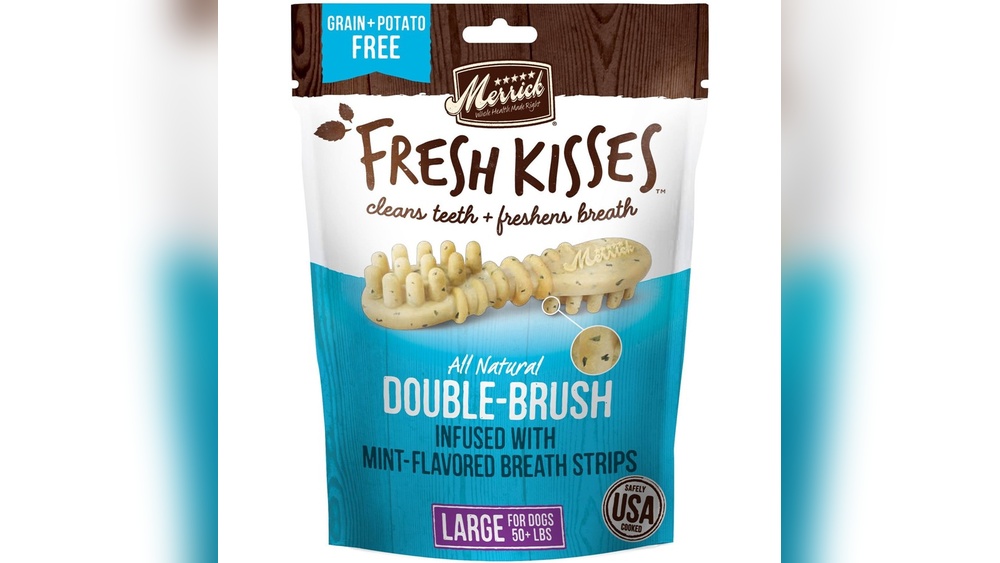
Bad breath in dogs often comes from bacteria. Teeth treats fight these bacteria effectively. As your dog chews, harmful germs decrease. This leads to fresher breath and a cleaner mouth. Treats with mint or special ingredients work even better.
Preventing Tartar And Plaque
Tartar and plaque cause tooth decay and pain. Teeth treats help stop their buildup on teeth. The texture of treats scrapes away plaque gently. Preventing tartar keeps teeth strong and healthy. This reduces the need for costly dental cleanings.

Credit: shop.smucker.com
Key Ingredients To Look For
Choosing the best teeth treats for dogs means focusing on their ingredients. Good ingredients help clean teeth and support overall health. They also keep your dog safe and happy while chewing.
Understanding key components makes it easier to pick effective treats. Not all treats work the same. Some ingredients fight plaque. Others help strengthen teeth and gums.
Natural Enzymes
Natural enzymes help break down plaque and tartar. These enzymes come from natural sources like fruits and plants. They fight bacteria that cause bad breath and dental problems. Enzyme-rich treats keep your dog’s mouth cleaner without harsh chemicals.
Choose treats with papaya, pineapple, or other enzyme-rich ingredients. These support healthy teeth and fresh breath naturally.
Safe Chewing Materials
Safe chewing materials protect your dog’s teeth from damage. Look for treats made from durable, non-toxic ingredients. Avoid hard items that can break teeth or cause choking.
Materials like natural rubber, soft bones, or specially designed chews are good choices. They provide a fun chewing experience while cleaning teeth gently.
Added Vitamins And Minerals
Vitamins and minerals strengthen teeth and gums. Calcium, phosphorus, and vitamin D support strong teeth. Some treats include these nutrients to boost dental health.
Minerals help repair small tooth damages and keep gums healthy. Treats with added vitamins also improve your dog’s overall well-being.
Top Treats For Different Sizes
Choosing the right teeth treats for dogs depends on their size. Different breeds have different chewing needs. Small breeds need smaller, softer treats. Large breeds require bigger, tougher options. Medium breeds fall in between. This section highlights the best treats for each size group.
Small Breed Favorites
Small dogs have delicate teeth and smaller mouths. Soft, bite-sized treats work best. Look for treats that are easy to chew and digest. Options like dental sticks made for tiny teeth help clean gently. Avoid hard treats that can break small teeth. Treats with natural ingredients support healthy gums.
Medium Breed Options
Medium dogs need treats that balance toughness and size. Chews that last longer can keep them busy. Look for medium-sized dental bones or crunchy biscuits. These help reduce plaque and tartar build-up. Treats with added vitamins support overall health. Choose options that fit comfortably in their mouth.
Large Breed Choices
Large dogs have strong jaws and need durable treats. Hard, thick chews help clean teeth deeply. Large dental bones and rubber chew toys work well. These treats reduce bad breath and dental disease risks. Avoid small treats that pose choking hazards. Durable treats also satisfy their natural chewing instincts.
Homemade Vs. Store-bought Treats
Choosing the best teeth treats for dogs can be tricky. Homemade and store-bought treats both have their fans. Each option offers unique benefits for your dog’s dental health. Understanding these differences helps pick the right choice for your pet.
Benefits Of Homemade Treats
Homemade treats let you control every ingredient. You can avoid artificial additives and preservatives. This is great for dogs with allergies or sensitivities. Homemade snacks often use fresh, natural ingredients. You can make treats that suit your dog’s taste and health needs. Baking at home also allows you to create soft or crunchy textures. These textures help clean teeth and massage gums.
Popular Store-bought Brands
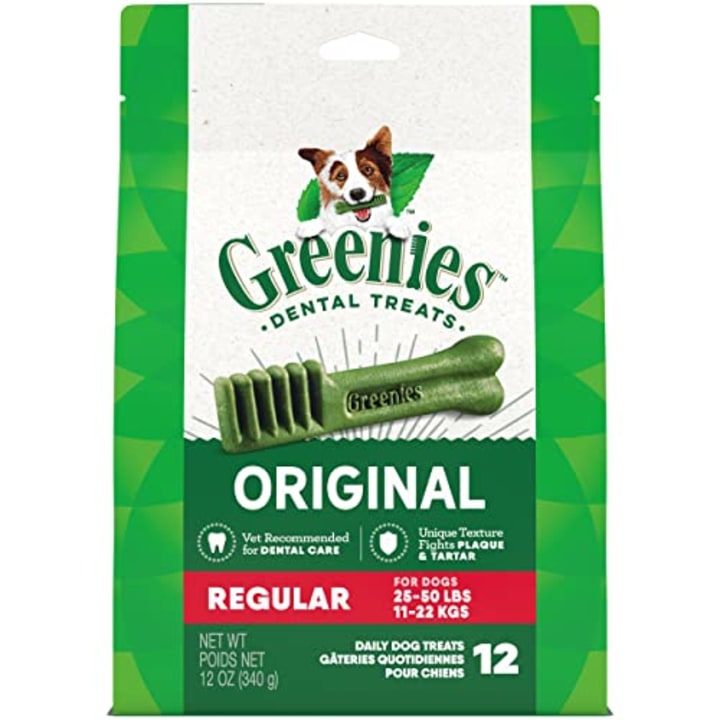
Many store-bought brands focus on dental health. Some popular options include Greenies, Pedigree Dentastix, and Milk-Bone Brushing Chews. These treats often contain enzymes to reduce plaque and tartar. They come in different sizes and flavors. Store-bought treats are convenient and easy to find. They also have controlled calorie counts to avoid overfeeding. Most are tested for safety and effectiveness.
Safety Considerations
Always check ingredient lists for harmful substances. Avoid treats with excessive sugar, artificial colors, or preservatives. Homemade treats must be stored properly to prevent spoilage. Hard treats may cause tooth fractures in some dogs. Monitor your dog while chewing any treat. Large pieces can cause choking hazards. Speak to your vet before introducing new treats. Safe treats support dental health without causing harm.
How To Choose The Right Treat
Choosing the right teeth treat for your dog is important. The right treat helps keep teeth clean and breath fresh. Not all treats work the same for every dog. Picking the best one depends on your dog’s health and habits.
Assessing Your Dog’s Needs
Start by looking at your dog’s dental health. Some dogs have weak teeth or gums. Others may need treats that reduce plaque and tartar. Age matters too. Puppies need softer treats, while adult dogs can handle harder ones. Size of your dog also affects treat choice. Small dogs need smaller treats to chew safely.
Considering Allergies And Sensitivities
Check the ingredients in teeth treats. Some dogs have allergies to certain foods. Common allergens include wheat, corn, and soy. Avoid treats with artificial colors or flavors. Natural ingredients are usually safer. Watch your dog after giving a new treat. Signs of allergies include itching, swelling, or upset stomach.
Consulting Your Veterinarian
Your vet knows your dog’s health best. Ask for advice before choosing a new treat. Vets can recommend safe and effective options. They may suggest treats that fit your dog’s diet. Regular vet visits help monitor dental health too. Your vet can guide how often to give teeth treats.
:strip_icc()/sps-greenies-dental-dog-treats-anna-mejorada-04-30002aab22934f34925739de50887309.jpeg)
Credit: www.thesprucepets.com
Tips For Effective Use
Using teeth treats for dogs correctly helps keep their teeth clean and healthy. Proper use makes the treats more effective and safe. Follow simple tips to get the best results and keep your dog happy.
Frequency And Portion Control
Give teeth treats to your dog in small amounts. Too many treats can cause weight gain or upset stomach. Limit treats to one or two times a day. Watch the size of each treat. Choose treats that fit your dog’s size and chewing ability.
Combining Treats With Brushing
Teeth treats work best with regular brushing. Brushing removes plaque that treats cannot reach. Use a dog-safe toothbrush and toothpaste. Brush your dog’s teeth two to three times a week. Treats help maintain fresh breath between brushing sessions.
Monitoring Your Dog’s Response
Observe how your dog reacts to new teeth treats. Check for any signs of allergies or digestive problems. Stop use if your dog shows discomfort or unusual behavior. Consult your vet if unsure about any reactions. Adjust treat type or frequency based on your dog’s needs.
Frequently Asked Questions
What Are The Best Natural Teeth Treats For Dogs?
Natural teeth treats like bully sticks and dental chews help clean dogs’ teeth. They reduce plaque and tartar buildup. These treats also promote healthy gums and freshen breath naturally without harmful chemicals.
How Do Dental Chews Improve Dog Oral Health?
Dental chews mechanically scrape plaque off teeth during chewing. They stimulate saliva production, which helps fight bacteria. Regular use can reduce bad breath, prevent gum disease, and keep your dog’s teeth strong and clean.
Are Homemade Teeth Treats Safe For Dogs?
Yes, homemade teeth treats made from dog-safe ingredients are generally safe. Avoid toxic foods like chocolate or xylitol. Homemade treats allow control over ingredients, ensuring they support dental health without additives or preservatives.
How Often Should I Give Teeth Treats To My Dog?
Giving teeth treats 2-3 times a week is ideal for oral health. Overfeeding can cause weight gain or digestive issues. Always supervise your dog during chewing to prevent choking hazards.
Conclusion
Choosing the right teeth treats helps keep dogs’ teeth clean and healthy. Regular treats support strong gums and fresh breath. Dogs enjoy tasty treats that also care for their mouth. Always pick treats made for dental health and safe ingredients.
Remember, good dental care means happier dogs and fewer vet visits. Treat your dog’s smile with care every day. Small steps lead to big benefits for your pet’s teeth. Healthy teeth make dogs feel good and stay active.