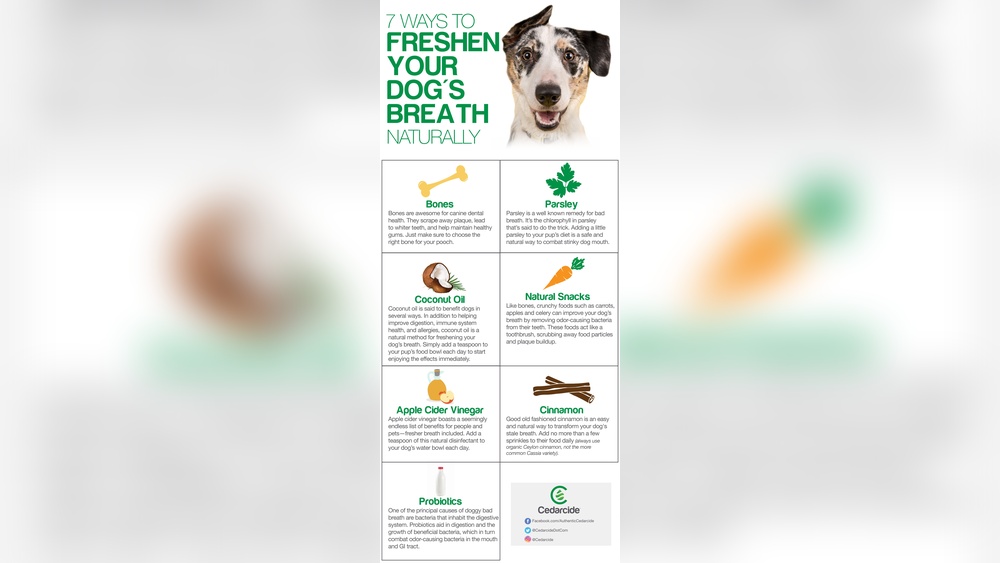
Is your dog’s bad breath making cuddle time less enjoyable? You’re not alone, and the good news is, you can fix it.
Bad breath in dogs isn’t just unpleasant—it can be a sign of health issues that need attention. Imagine having fresh-smelling kisses from your furry friend every day. You’ll discover the best ways to get rid of your dog’s bad breath quickly and safely.
Keep reading, because your dog’s smile—and your nose—will thank you.

Credit: indulgebangkok.com
Causes Of Bad Breath In Dogs
Bad breath in dogs can be unpleasant and worrying. Understanding its causes helps in finding the right solution. Several factors can lead to bad breath, ranging from common habits to health problems. Knowing these causes lets you care for your dog better and keep their breath fresh.
Dental Disease
Dental disease is the top cause of bad breath in dogs. Plaque and tartar build up on teeth and gums. This creates bacteria that cause a foul smell. Untreated dental problems can lead to pain and tooth loss. Regular dental checks are essential to avoid this issue.
Diet And Eating Habits
What your dog eats affects their breath. Some foods cause stronger odors than others. Dogs that eat garbage, spoiled food, or strong-smelling treats may have bad breath. Eating habits like chewing on dirty objects can also add to the problem.
Health Issues
Bad breath can signal health problems beyond the mouth. Kidney disease, diabetes, and digestive issues often cause unusual smells. These conditions need veterinary attention. Early detection helps manage the health issue and improves breath.
Poor Oral Hygiene
Neglecting your dog’s oral care leads to bad breath. Lack of brushing allows bacteria and food particles to stay in the mouth. This causes plaque and bad odors to build up. Regular brushing and dental care keep your dog’s mouth clean and fresh.
Credit: www.labiosthetique.ee
Daily Oral Care For Dogs
Daily oral care keeps your dog’s breath fresh and teeth healthy. It helps stop plaque and bad odors before they start. Regular care also prevents gum disease and costly vet visits.
Start small. Make brushing part of your dog’s routine. Choose the right tools and treats. Consistency is key for a happy, healthy mouth.
Brushing Techniques
Use a soft-bristled toothbrush made for dogs. Hold the brush at a 45-degree angle. Gently brush in small circles on teeth and gums. Focus on the back teeth where plaque builds up fast. Brush for about two minutes. Praise your dog to keep the mood positive.
Choosing The Right Toothpaste
Use toothpaste made just for dogs. Human toothpaste can harm pets. Pick flavors your dog likes, such as chicken or peanut butter. This makes brushing easier and more enjoyable. Avoid fluoride, as it is toxic to dogs if swallowed.
Using Dental Chews
Dental chews help reduce plaque and freshen breath. Choose chews approved by vets for safety. They clean teeth as your dog chews. Offer them regularly but not too many. Chews add extra care between brushings.
Diet Changes To Improve Breath
Changing your dog’s diet can improve bad breath significantly. Certain foods support oral health and reduce odor. Small adjustments in meals help keep your dog’s breath fresh. Focus on nutrition that cleans the mouth naturally.
Choosing the right diet supports teeth and gums. It lowers bacteria that cause bad smells. Here are easy ways to improve breath through diet.
Foods That Help Freshen Breath
Crunchy vegetables like carrots and celery clean teeth while chewing. Apples offer natural sweetness and help remove plaque. Yogurt with probiotics can reduce mouth bacteria. Some dog foods include mint or parsley for fresh breath. Always pick healthy treats that aid dental health.
Avoiding Bad Breath Triggers
Avoid feeding your dog sugary or sticky foods. These increase bacteria growth in the mouth. Human snacks like chocolate or sweets harm teeth and breath. Fatty or processed dog foods can worsen odor. Limit treats and focus on balanced nutrition for better breath.
Adding Supplements
Dental chews help scrape off plaque and freshen breath. Fish oil supplements reduce inflammation and improve gum health. Digestive enzymes can lower bad bacteria in the gut. Always consult your vet before adding new supplements. Proper supplements support diet and fight bad breath effectively.
Credit: www.gerrardlarriett.com
Home Remedies For Fresh Breath
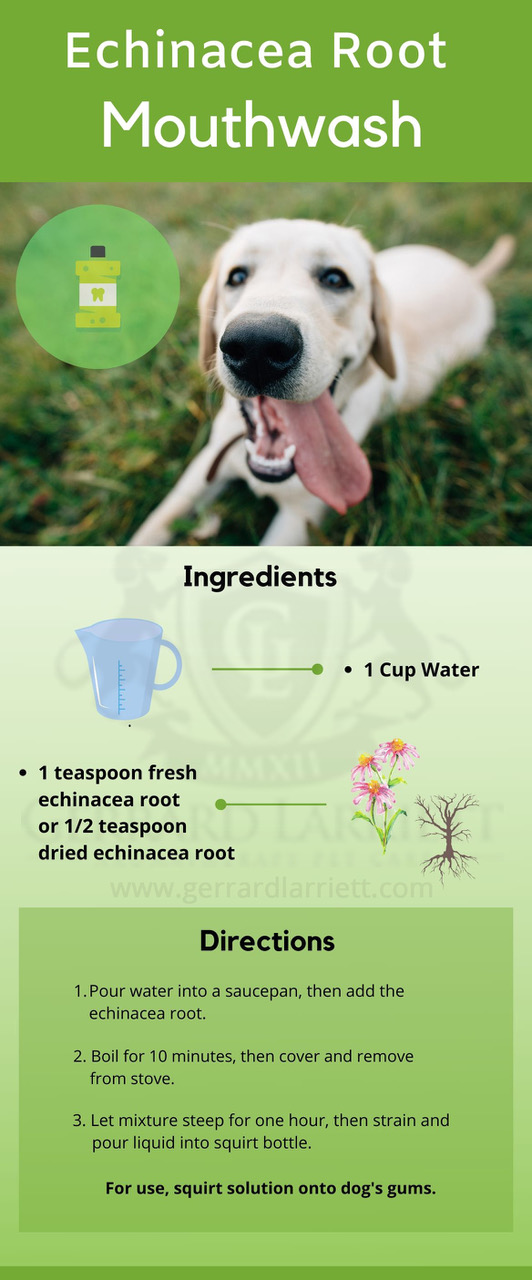
Bad breath in dogs can be unpleasant for both pets and owners. Home remedies offer simple ways to keep your dog’s breath fresh. These methods use natural ingredients and safe practices. They help improve oral health and reduce bad odors.
Natural Breath Fresheners
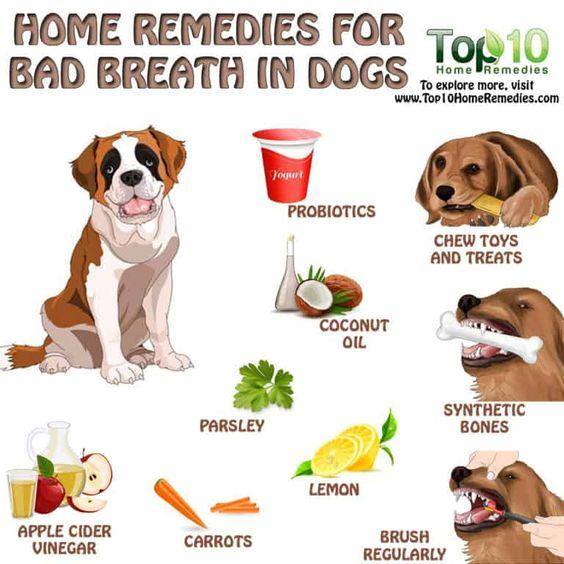
Certain foods and treats can freshen your dog’s breath naturally. Carrots and apples act as gentle toothbrushes. They clean teeth while your dog chews. Plain yogurt with probiotics supports good bacteria. Parsley is a great herb for masking odors. Use small amounts to avoid stomach upset.
Safe Herbal Options
Herbs like mint and chamomile soothe your dog’s mouth. These herbs reduce inflammation and fight bacteria. You can add dried herbs to your dog’s water or food. Always check with your vet before introducing new herbs. Avoid anything toxic like garlic or onion.
Hydration Tips
Water is essential for fresh breath and oral health. Make sure your dog drinks clean, fresh water daily. Water helps wash away food particles and bacteria. A pet water fountain encourages more drinking. Change water often to keep it fresh and inviting.
When To See The Vet
Bad breath in dogs can signal more than just poor hygiene. Knowing when to visit the vet is key to your dog’s health. Persistent bad breath might indicate hidden health issues. Early vet visits can prevent serious problems.
Signs Of Serious Problems
Watch for signs like swollen gums or bleeding. Difficulty eating or drooling often means pain. Yellow or brown teeth buildup is a warning. Sudden bad breath with vomiting calls for urgent care. These signs need professional attention immediately.
Professional Dental Cleaning
Vets can clean your dog’s teeth safely. This removes plaque and tartar that cause bad breath. Cleanings reach places brushing cannot. Regular dental cleanings help prevent gum disease. This keeps your dog’s mouth healthy and fresh.
Medical Treatments
Some bad breath cases need medication. Infections may require antibiotics prescribed by vets. Dental disease might need special treatments or surgery. Your vet decides the best care after a check-up. Follow their advice to improve your dog’s breath and health.
Preventing Bad Breath Long-term
Preventing bad breath in dogs requires ongoing care and attention. Consistent habits help keep your dog’s mouth healthy. This reduces the chances of bad breath returning. Focus on regular health checks, daily cleaning, and good lifestyle choices. These steps build a strong defense against smelly breath over time.
Regular Checkups
Take your dog to the vet regularly. The vet checks for dental problems early. Issues like gum disease or tooth decay cause bad breath. Early detection means easier treatment. Schedule visits at least twice a year. This keeps your dog’s mouth in good shape.
Consistent Oral Care Routine
Brush your dog’s teeth every day. Use toothpaste made for dogs only. Regular brushing removes plaque and food bits. This helps prevent bacteria buildup. Dental chews also support oral health. Combine brushing with chews for best results.
Lifestyle Adjustments
Feed your dog a balanced diet. Avoid foods that cause bad breath. Provide fresh water at all times. Exercise also promotes good health. Healthy dogs often have fresher breath. Small lifestyle changes make a big difference.
Frequently Asked Questions
What Causes Bad Breath In Dogs?
Bad breath in dogs often results from poor dental hygiene, plaque buildup, or gum disease. Other causes include dietary habits, infections, or underlying health issues like kidney problems. Regular dental care and vet check-ups can help identify and treat the root cause effectively.
How Can I Naturally Freshen My Dog’s Breath?
Natural ways to freshen your dog’s breath include giving dental chews, brushing their teeth regularly, and adding fresh parsley to their diet. Chewing on raw carrots or apple slices can also help reduce plaque and improve breath naturally without harsh chemicals.
Are Dental Chews Effective For Dog Bad Breath?
Yes, dental chews are effective in reducing plaque and tartar, which cause bad breath. They promote saliva production, helping clean the mouth and freshen breath. Choose vet-approved dental chews specifically designed to maintain oral hygiene safely.
When Should I See A Vet For My Dog’s Bad Breath?
See a vet if bad breath persists more than two weeks despite home care. Also, visit if your dog shows signs of pain, excessive drooling, or difficulty eating. Persistent bad breath may indicate serious dental or health problems needing professional treatment.
Conclusion
Bad breath in dogs can signal health issues. Regular brushing helps keep their mouth clean. Giving dental treats supports fresh breath daily. A balanced diet improves overall oral health. Visit the vet for check-ups and advice. Consistency matters to see real improvements fast.
Healthy breath means a happy, comfortable dog. Small steps make a big difference over time. Start caring for your dog’s breath today. Your dog will thank you with a wagging tail.