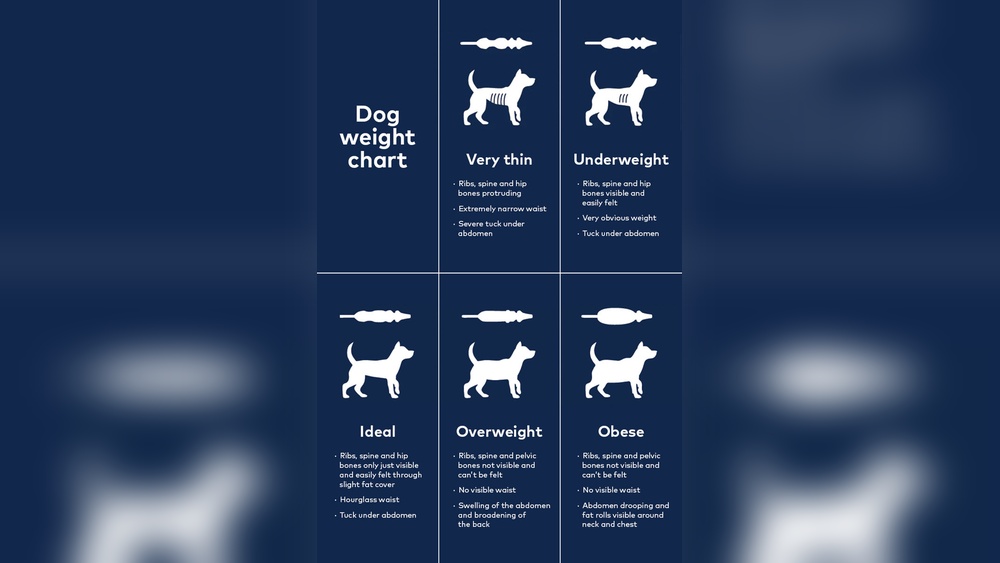
Is your dog struggling to put on weight no matter how much you feed them? You’re not alone, and the good news is that the right food can make all the difference.
Choosing the best food for your dog to gain weight isn’t just about adding more calories—it’s about giving your furry friend the nutrients they need to grow healthy and strong. Keep reading, because we’ll guide you through the top foods that will help your dog gain weight safely and effectively.
Your dog’s health and happiness depend on it!
Why Dogs Need Weight Gain
Dogs need to gain weight for many health reasons. Maintaining a healthy weight helps them stay strong and active. Underweight dogs may lack energy and face health problems. Gaining weight safely supports their overall well-being and improves their quality of life.
Common Causes Of Weight Loss
Weight loss in dogs can happen for several reasons. Poor diet or lack of food is a major cause. Illnesses like parasites, infections, or organ problems also reduce weight. Stress and anxiety can stop dogs from eating enough. Older dogs may lose weight due to aging and weaker digestion.
Health Risks Of Underweight Dogs
Underweight dogs face many health risks. They can have weak immune systems, making infections more likely. Low body fat affects their ability to stay warm. Muscle loss causes weakness and less stamina. Underweight dogs heal slower from injuries and sickness. Their organs may not work properly without enough nutrients.
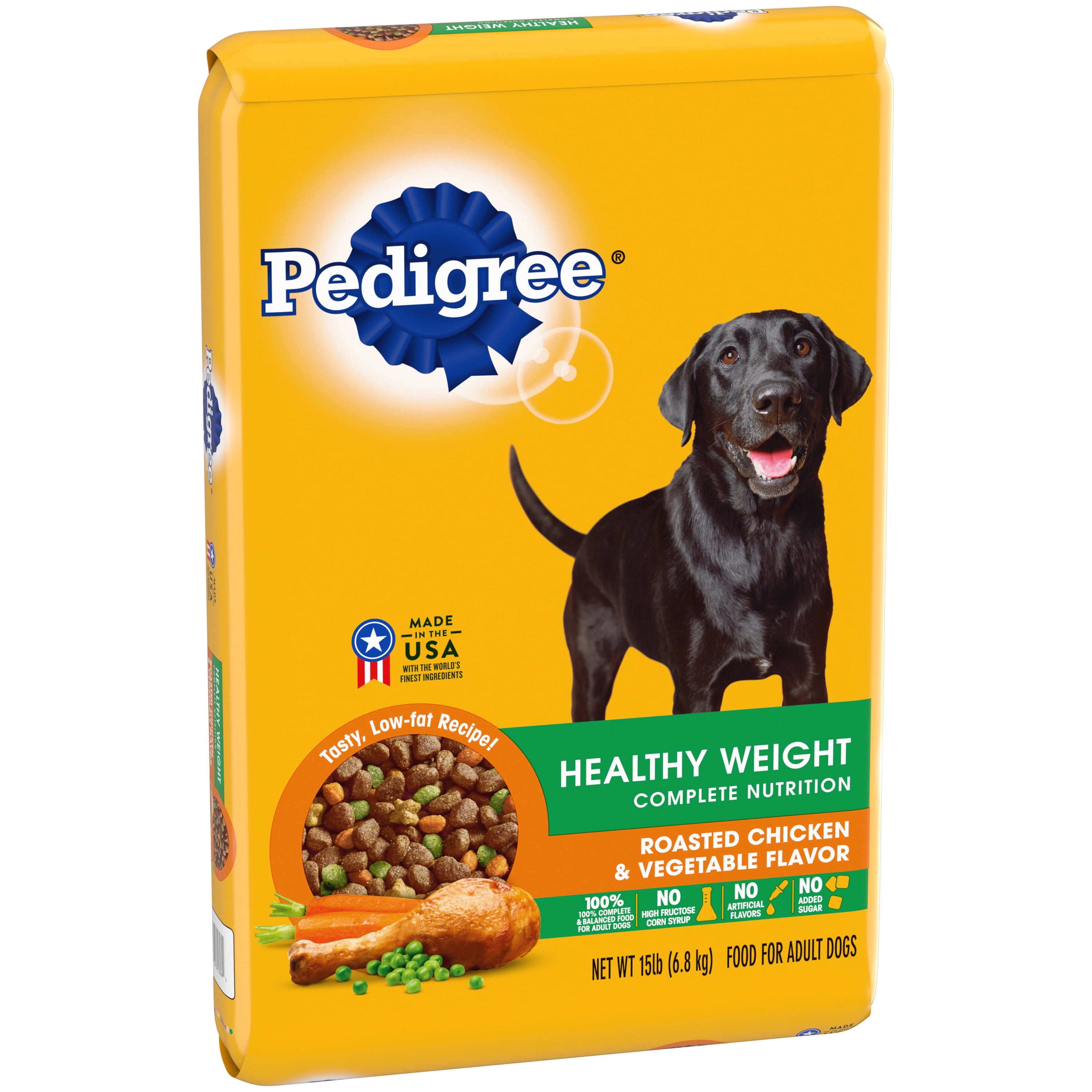
Credit: www.walmart.com
Key Nutrients For Weight Gain
Gaining weight for dogs requires the right balance of nutrients. These nutrients help build muscle and store healthy fat. Feeding your dog foods rich in these key nutrients supports safe and steady weight gain. Understanding these nutrients helps you choose the best food for your dog’s needs.
High-quality Proteins
Proteins build and repair muscles. Choose meat, fish, or eggs as protein sources. High-quality proteins provide essential amino acids. These amino acids help your dog grow stronger and healthier. Avoid low-quality protein fillers like by-products or excessive grains.
Healthy Fats
Fats supply energy and help gain weight fast. Good fats come from fish oils, flaxseed, and chicken fat. These fats support skin health and a shiny coat. Healthy fats also improve brain function and reduce inflammation.
Complex Carbohydrates
Complex carbs provide lasting energy for your dog. Brown rice, sweet potatoes, and oats are excellent sources. These carbs digest slowly, preventing blood sugar spikes. They help maintain energy throughout the day and support weight gain.
Essential Vitamins And Minerals
Vitamins and minerals keep your dog’s body working well. Calcium and phosphorus build strong bones and teeth. Vitamin E and C act as antioxidants to protect cells. Zinc and iron support the immune system and oxygen transport.
Top Commercial Foods For Weight Gain
Choosing the right commercial food can help your dog gain weight safely. Quality foods with good calories and nutrients support healthy weight gain. Many brands offer products designed specifically for dogs that need to build weight. These foods provide energy and essential nutrients in balanced amounts.
High-calorie Dry Kibble
High-calorie dry kibble offers a simple way to boost your dog’s calorie intake. These kibbles contain more fats and proteins than regular dog food. They help increase energy levels and support muscle growth. Dry kibble is easy to store and serve. It also helps keep your dog’s teeth clean.
Canned Foods With Rich Nutrients
Canned foods often have higher moisture and nutrient content. These foods are soft, making them easier to chew and digest. They contain fats and proteins that support weight gain. Rich canned foods can be mixed with dry kibble. This adds variety and extra calories to your dog’s meals.
Specialty Weight Gain Formulas
Specialty weight gain formulas are made for dogs needing extra nutrition. These formulas include higher calories, healthy fats, and proteins. They are designed to promote safe and steady weight gain. Some formulas also contain vitamins and minerals for overall health. Feeding these foods can improve your dog’s strength and vitality.
Homemade Food Options
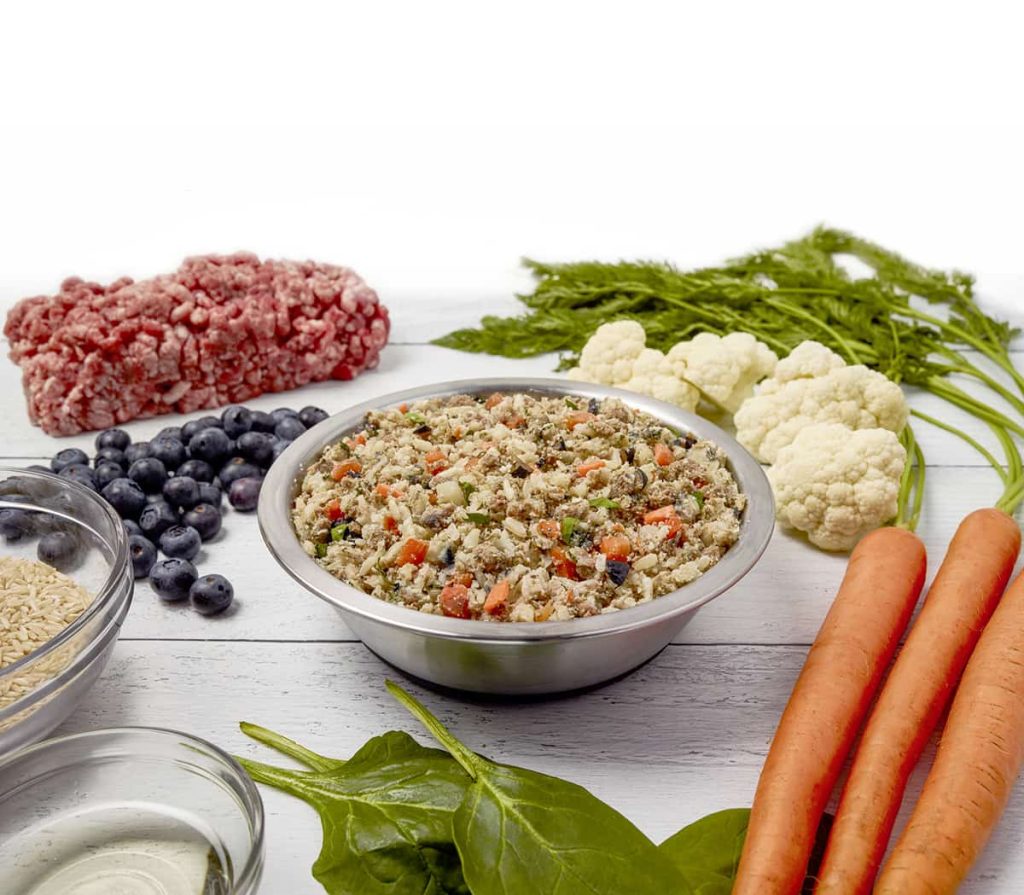
Preparing homemade food for your dog helps control what they eat. It ensures meals are healthy and tailored to weight gain needs. Homemade diets can be rich in essential nutrients. These meals improve energy and support muscle growth. You can mix fresh ingredients that your dog enjoys. It also reduces fillers and unhealthy additives found in some commercial foods.
Protein-rich Ingredients
Protein builds muscle and supports overall health. Good sources include chicken, turkey, and lean beef. Fish like salmon offers protein and omega-3 fatty acids. Eggs are another excellent protein option. Cook meats thoroughly to avoid any bacteria. Avoid seasoning to keep meals safe for dogs.
Healthy Fat Sources
Fats provide energy and help absorb vitamins. Use olive oil or coconut oil in small amounts. Peanut butter is a tasty fat source but choose natural types without xylitol. Fish oils boost fat intake and improve coat health. Keep fat balanced to prevent digestive upset.
Carbohydrate Choices
Carbs supply energy and support digestion. Cooked sweet potatoes and brown rice are easy to digest. Oatmeal adds fiber and nutrients. Avoid raw grains or anything hard to digest. These carbohydrates help your dog gain weight gradually and safely.
Supplements To Boost Calories
Supplements to boost calories can help dogs gain weight safely. These supplements add extra energy without making dogs feel too full. They support muscle growth and improve overall health. Including the right supplements can make feeding easier and more effective.
Fish Oil And Omega Fatty Acids
Fish oil is rich in omega fatty acids. These fats provide extra calories and improve skin and coat health. Omega fatty acids support the immune system and reduce inflammation. Adding fish oil helps dogs gain weight in a healthy way.
Protein Powders
Protein powders add concentrated protein to your dog’s diet. Protein helps build and repair muscles. It also supports energy levels and overall growth. Choose powders made specifically for dogs to ensure safety and good nutrition.
Vitamin And Mineral Boosters
Vitamins and minerals support many body functions. They help with digestion, energy production, and muscle strength. Boosters ensure dogs get all necessary nutrients during weight gain. They keep dogs healthy while increasing their calorie intake.
Credit: kamat.com
Feeding Tips For Effective Weight Gain
Helping a dog gain weight needs careful feeding habits. Proper feeding supports healthy weight gain and keeps your dog strong. This section shares key tips to feed your dog for effective weight gain.
Meal Frequency And Portion Control
Feed your dog small meals several times a day. This keeps energy steady and improves digestion. Give slightly larger portions but avoid overloading. Consistent meal times build a routine your dog trusts.
Encouraging Appetite
Make meals tasty by mixing wet food with dry kibble. Warm food a little to release aroma and attract your dog. Offer favorite treats as extra calories. Avoid sudden diet changes to keep appetite steady.
Avoiding Overfeeding Risks
Watch your dog’s weight regularly to prevent excess fat. Do not feed too much at once. Extra weight can harm joints and heart. Balance meals with exercise to build muscle, not fat.
Monitoring Progress And Adjustments
Monitoring your dog’s progress during weight gain is important. It helps you know if the food and plan are working well. Watching changes closely lets you make quick fixes. This keeps your dog healthy and on track to reach a good weight.
Regular checks show how your dog’s body reacts. Adjusting the diet or feeding schedule may be needed. Careful observation prevents problems and supports steady growth.
Tracking Weight Changes
Weigh your dog once or twice a week. Use the same scale for accurate results. Write down the weight each time to see trends. Small weight gains mean the plan is working. No change or weight loss means you should adjust the food or amount. Keep notes about your dog’s energy and appetite too. These signs help you understand progress better.
When To Consult A Veterinarian
Visit the vet if your dog does not gain weight after weeks. Sudden weight loss or poor appetite needs quick attention. The vet can check for health issues causing the problem. They may suggest special diets or tests. Never change food or medicine without vet advice. Professional help ensures your dog stays safe and healthy.

Credit: www.eversub.com
Frequently Asked Questions
What Foods Help Dogs Gain Weight Safely?
High-quality proteins like chicken and beef support muscle growth. Healthy fats from fish oil and peanut butter add calories. Complex carbs like sweet potatoes provide energy. Balanced dog food with added nutrients ensures safe weight gain without health risks.
How Often Should I Feed My Dog To Gain Weight?
Feed your dog 3 to 4 small meals daily. This improves digestion and nutrient absorption. Avoid overfeeding once to prevent obesity. Regular portions help steady weight gain and maintain energy throughout the day.
Can Homemade Meals Help My Dog Gain Weight?
Yes, homemade meals with balanced proteins, fats, and carbs support weight gain. Include lean meats, rice, and vegetables. Consult a vet for proper portion and nutrient balance to avoid deficiencies.
Are High-calorie Dog Foods Effective For Weight Gain?
High-calorie dog foods are formulated to boost weight safely. They contain extra fats and proteins. These foods help underweight dogs gain muscle and fat efficiently under vet supervision.
Conclusion
Choosing the best food helps your dog gain weight safely. Nutrient-rich meals support healthy muscle and fat growth. Consistent feeding with quality ingredients improves overall health. Watch your dog’s progress and adjust portions as needed. Good food and care lead to a happy, stronger pet.
Remember, patience and proper nutrition make all the difference. Keep your dog’s needs in mind every day. Healthy weight gain starts with the right diet and love.