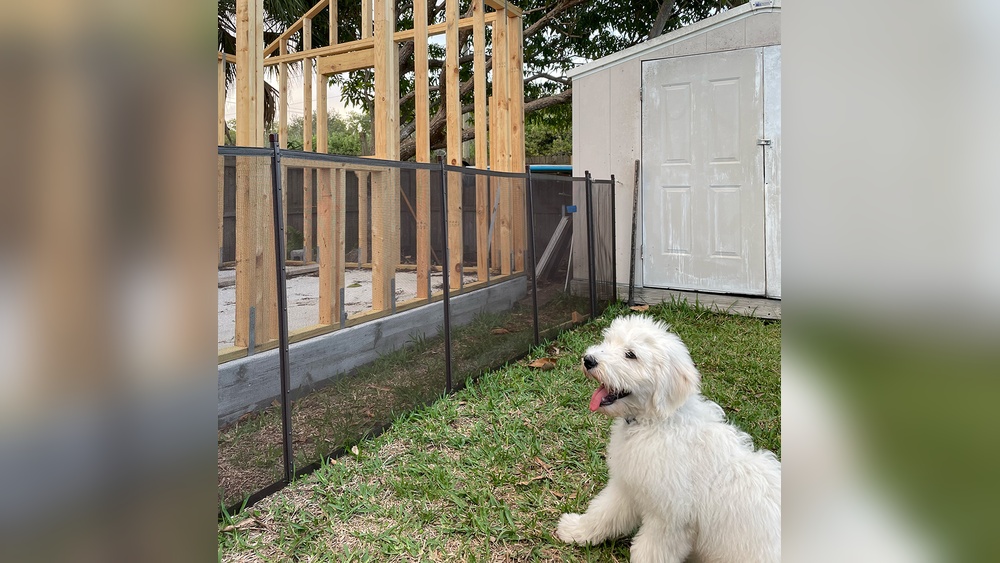
You want your dog to stay safe and happy in your yard. But choosing the best fence to keep dogs in can be tricky.
You need something strong, reliable, and just right for your furry friend’s size and energy. Imagine a fence that not only keeps your dog secure but also fits your home and lifestyle perfectly. Keep reading, and you’ll discover the top fence options that will give you peace of mind and your dog the freedom to play safely.

Credit: www.help.sc.ug
Choosing Dog-friendly Fences
Choosing the right fence keeps your dog safe and happy. A good fence stops your dog from running away. It also protects them from dangers outside. Not all fences work well for dogs. Some dogs can jump or dig under weak fences. Others may feel trapped by solid walls.
A dog-friendly fence fits your dog’s size and behavior. It suits your yard and your budget. It also lets your dog see outside without feeling scared. The right fence helps your dog enjoy the outdoors safely.
Factors To Consider
Think about your dog’s size and energy level. Small dogs need different fences than big dogs. Active dogs need stronger fences to keep them inside. Check local rules about fence height and type. Consider the fence material. Some dogs chew wood fences easily. Others can squeeze through wide gaps.
Height And Strength
Height stops dogs from jumping over. Most dogs need fences at least 6 feet tall. Strong materials like metal or thick wood last longer. Avoid weak fences that dogs can break or push down. Secure the bottom to stop digging. A sturdy fence keeps your dog safe and inside.
Visibility And Openness
Dogs like to see outside. Open fences with spaces let your dog watch birds and people. Solid fences give privacy but may make dogs anxious. Choose a fence that balances visibility and safety. Good visibility reduces boredom and stress. It helps your dog feel calm and relaxed.
Credit: www.greenwayfence.com
Durable Fence Materials
Choosing the right fence material ensures your dog stays safe and secure. Durable fences last longer and resist wear. They handle weather and dog activity well. Below are common strong materials for dog fences.
Chain Link Fences
Chain link fences are sturdy and affordable. They allow good visibility for you and your dog. Dogs cannot chew through the metal links. The fence resists rust with proper coating. It suits active dogs who like to see outside.
Wooden Fences
Wooden fences offer privacy and strength. They block your dog’s view of distractions. Wood can be treated to resist rot and insects. Solid panels keep dogs from slipping through gaps. Regular maintenance keeps wood safe and strong.
Vinyl Fences
Vinyl fences are tough and low-maintenance. They do not rot, warp, or need painting. Vinyl resists scratches and dog bites well. This material holds up in sun and rain. It comes in many styles and colors.
Metal Fences
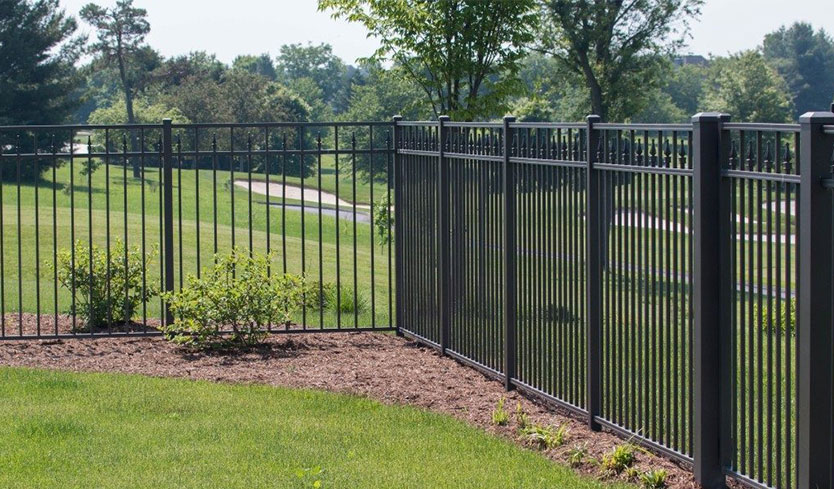
Metal fences, like wrought iron or aluminum, are very strong. They provide a secure boundary for dogs. Metal fences can be decorative and durable. They require occasional rust prevention treatment. Metal stands up to strong dogs well.
Safe Fence Designs
Choosing a safe fence design is key to keeping dogs secure. The right fence stops escapes and keeps pets happy. It also protects them from outside dangers. Safety means strong materials and smart design. Each part of the fence must work well together. This includes panels, gates, and locks. Let’s explore how to build a safe fence for dogs.
Solid Panels Vs. Open Slats
Solid panels block the dog’s view outside the yard. This helps reduce barking and stress. Dogs feel calmer without distractions. Solid fences also stop small dogs from slipping through gaps. Open slats let fresh air and light in. They allow dogs to see outside but may invite barking. Choose solid panels for shy or escape-prone dogs. Open slats work for calm dogs who don’t jump.
Preventing Digging And Climbing
Dogs can dig under fences to escape. Bury wire mesh a few inches deep to stop this. Add a concrete footer if your dog is a strong digger. Climbing can be a problem for some dogs. Use tall fences at least 6 feet high. Smooth surfaces make climbing hard. Avoid horizontal boards that dogs can use as steps. Check fences regularly for weak spots or damage.
Gates And Locks
Gates are escape points if not secure. Choose gates that fit tightly with no gaps. Use locks that are hard for dogs to open. Slide bolt locks or carabiner clips work well. Automatic closing hinges add extra safety. Keep gate keys out of dog’s reach. Regularly test gates and locks to keep them strong. Gates should open easily for humans but stay closed for dogs.
Specialized Dog Fences
Specialized dog fences offer unique solutions to keep dogs safe and secure. These fences cater to specific needs and situations. They provide control without traditional barriers. Ideal for different dog sizes and behaviors. Understanding each type helps choose the best fence for your dog.
Invisible Fences
Invisible fences use a buried wire around your yard. Dogs wear a collar that senses the wire. When dogs approach the boundary, the collar gives a warning beep. If they continue, a mild static correction occurs. This trains dogs to stay inside the safe zone. Invisible fences keep yards visually open. They suit owners wanting an unobtrusive boundary.
Electric Fences
Electric fences deliver a low-voltage shock to deter dogs from escaping. They work through collars that activate near the boundary. These fences need careful training to be effective. Electric fences are strong and cover large areas well. They require regular maintenance and supervision. Perfect for dogs that respect boundaries once trained.
Portable And Temporary Fences
Portable fences are easy to set up and move anywhere. They suit short-term needs like trips or events. Temporary fences use lightweight materials like mesh or panels. These fences create quick, flexible play areas. They keep dogs safe without permanent installation. Great for renters or families that travel often.
Maintenance And Longevity
Choosing the right fence depends on your dog’s size and behavior. Different breeds need different fence types. A good fence keeps your dog safe and happy. It also prevents escapes and injuries. Below are the best fence options based on dog types.
Small Breeds
Small dogs need fences that block gaps and holes. Chain link fences with small openings work well. Solid wood fences also keep small dogs safe. The fence should be at least four feet high. Small dogs can squeeze through narrow spaces easily.
Large Breeds
Large dogs need strong and tall fences. Metal or wooden fences over six feet high are best. Large dogs can jump or push weak fences down. Make sure the fence posts are sturdy and well-anchored. Avoid fences with wide gaps that large dogs can fit through.
Escape Artists
Some dogs are great at escaping. These dogs dig, climb, or jump fences. Use fences with solid bottoms to block digging. Add a roll bar or inward-facing topper to stop climbing. Electric or invisible fences can help, but physical barriers work better. Watch your dog’s behavior to choose the best fence.

Credit: zenskapijaca.rs
Frequently Asked Questions
What Is The Safest Fence Type For Dogs?
The safest fences for dogs are tall, solid, and durable. Wood and vinyl fences prevent escape and protect dogs from outside threats. Chain-link fences need privacy slats to avoid distractions. Always ensure the fence is at least 6 feet high for larger breeds.
How High Should A Dog Fence Be?
A dog fence should be at least 6 feet high for most breeds. Larger or more agile dogs may require higher fences to prevent jumping over. Smaller dogs may manage with 4-foot fences but consider breed behavior and jumping ability before deciding.
Can Dogs Dig Under Fences And How To Stop It?
Yes, many dogs dig under fences to escape. To prevent digging, bury the fence base 12 inches underground or install a concrete footer. Adding gravel or chicken wire along the base also discourages digging effectively.
Are Invisible Fences Effective For Keeping Dogs In?
Invisible fences can contain some dogs but are not foolproof. They rely on electric signals and dog training, which some dogs may resist. They don’t prevent physical dangers or other animals entering, so a physical fence is often safer.
Conclusion
Choosing the right fence keeps your dog safe and happy. Strong materials and proper height matter most. A good fence stops escapes and protects your pet. Think about your dog’s size and behavior too. Regular checks help keep the fence in good shape.
Safe spaces mean less worry for you and your dog. A well-chosen fence creates peace at home. Your furry friend deserves the best protection. Keep them close, secure, and joyful every day.