If your dog is constantly scratching, licking, or showing signs of irritated skin, it could be due to yeast allergies. Finding the best dog food for yeast skin allergies can make a huge difference in your furry friend’s comfort and health.
You want to give your dog relief without endless vet visits or expensive treatments. This guide will help you discover the top foods that soothe yeast-related skin problems, support your dog’s immune system, and improve their overall well-being. Keep reading to find the perfect diet that can bring your dog back to happy, itch-free days.
Causes Of Yeast Skin Allergies In Dogs
Yeast skin allergies in dogs cause itching, redness, and discomfort. These allergies occur when yeast grows too much on the dog’s skin. This growth leads to irritation and infection. Understanding the causes helps in choosing the right dog food and care.
Common Triggers
Yeast overgrowth can start from many triggers. Warm and moist skin areas create a perfect place for yeast. Poor grooming and skin wounds also allow yeast to grow. Some dogs have weak immune systems that cannot control yeast. Allergies to fleas or environmental factors can worsen yeast infections. Stress and hormonal imbalances might play a role too.
Role Of Diet
The diet greatly affects yeast allergies in dogs. Foods high in sugar and carbohydrates feed yeast and make it grow faster. Ingredients like corn, wheat, and soy often cause allergies and yeast problems. A balanced diet with limited grains and low sugars helps control yeast. Adding omega-3 fatty acids and probiotics supports healthy skin and immunity. Choosing the right dog food reduces yeast flare-ups and soothes skin.
Symptoms Of Yeast Skin Allergies
Yeast skin allergies in dogs cause uncomfortable symptoms. These symptoms affect your pet’s health and happiness. Recognizing them early helps in managing the condition well. Watch closely for changes in your dog’s skin and behavior.
Signs To Watch For
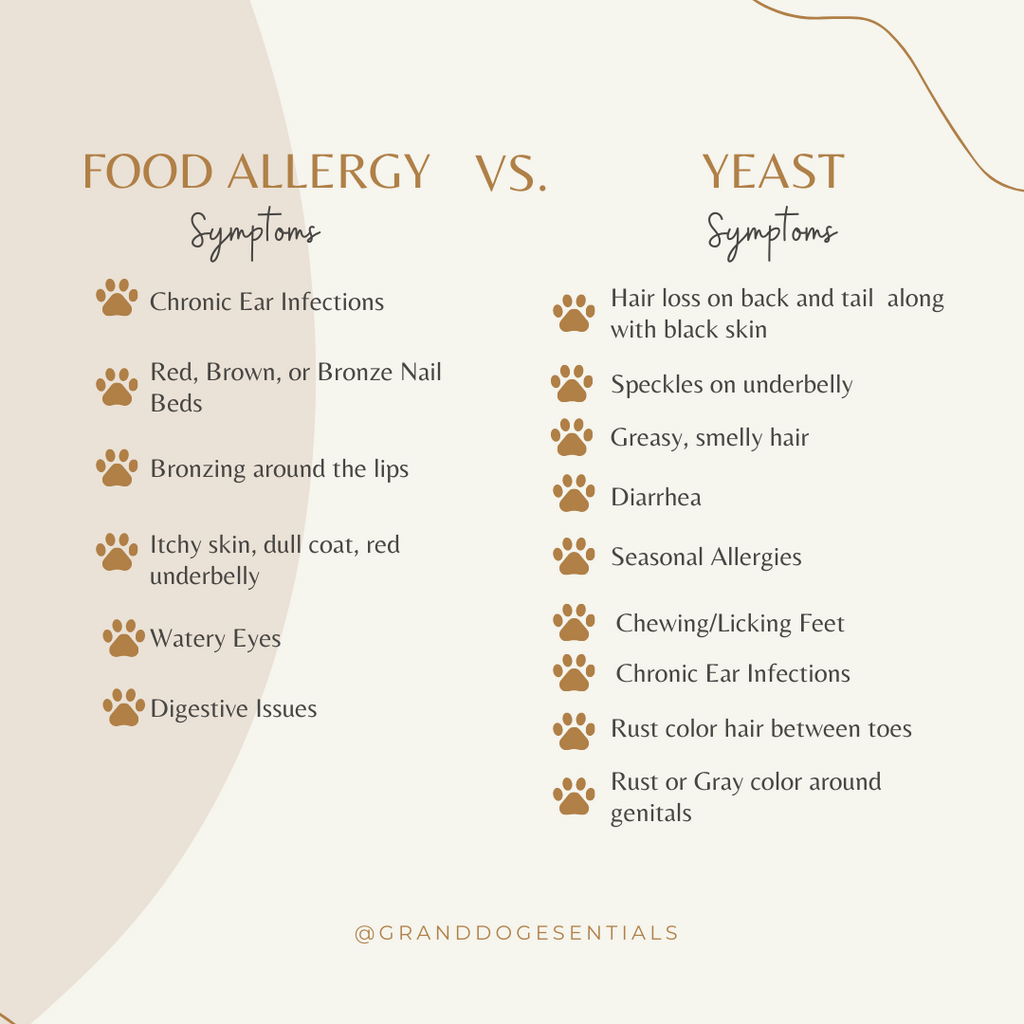
Look for redness and inflammation on the skin. Your dog may scratch or lick the affected areas often. A strong, musty odor is a common sign of yeast infection. Notice flaky or greasy patches on the skin too. Hair loss may appear in spots where yeast grows. Ear infections with discharge and odor also occur frequently.
Severity Levels
Symptoms range from mild irritation to severe discomfort. Mild cases show slight redness and occasional scratching. Moderate cases include persistent itching and more hair loss. Severe cases cause open sores and thickened skin. Dogs with severe symptoms may feel pain and distress. Early treatment can prevent the condition from worsening.
Dietary Needs For Dogs With Yeast Allergies
Dogs with yeast skin allergies need special diets to feel better. Their skin reacts to yeast growth, causing itchiness and redness. Feeding the right food helps control yeast and supports skin health. Knowing what nutrients help and what ingredients to avoid is important. This guide explains the key dietary needs for dogs with yeast allergies.
Essential Nutrients
Protein is vital for skin repair and immune health. Choose high-quality, easily digestible proteins like chicken or fish. Omega-3 and omega-6 fatty acids reduce inflammation and soothe skin. Look for fish oil or flaxseed oil in the dog food. Vitamins like E and C protect skin cells from damage. Zinc supports healing and strengthens the skin barrier. Fiber promotes good digestion and helps balance yeast levels. Water is crucial for hydration and toxin removal.
Ingredients To Avoid
Grains such as wheat, corn, and soy can worsen yeast allergies. These ingredients often cause inflammation and feed yeast growth. Sugars and starches also promote yeast overgrowth on the skin. Artificial colors, flavors, and preservatives may trigger allergic reactions. Dairy products can cause digestive upset and worsen symptoms. Avoid foods with fillers and by-products that offer little nutrition. Choose simple recipes with limited ingredients to reduce allergy risks.

Credit: www.lur.cat
Top Dog Foods For Yeast Skin Allergies
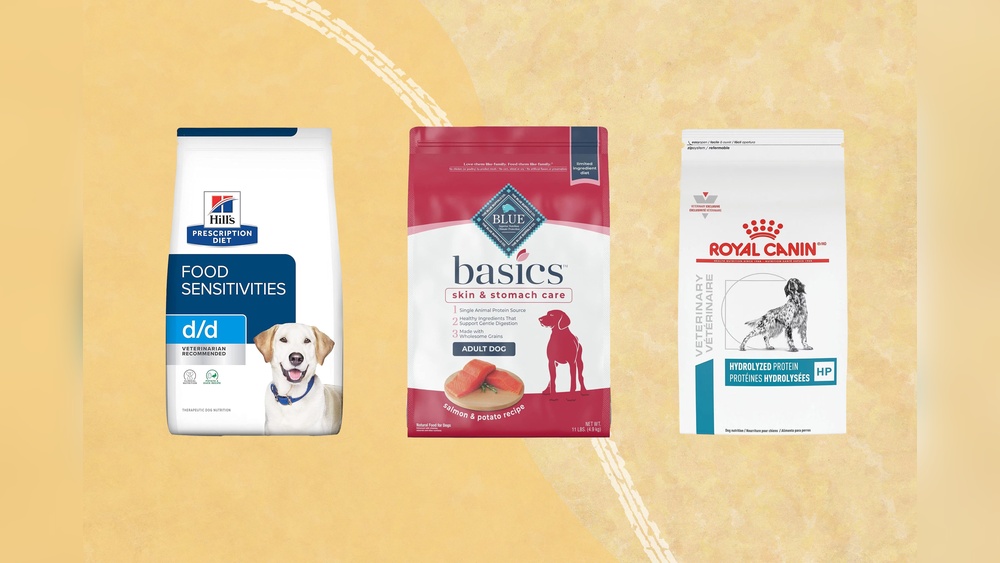
Finding the right food helps dogs with yeast skin allergies feel better. The right diet can reduce itching and redness. Choosing foods that avoid common triggers supports healthy skin. Below are top dog food types that help control yeast allergies effectively.
Grain-free Options
Grain-free dog foods remove wheat, corn, and soy. These grains often cause allergies and skin problems. Grain-free diets use potatoes, peas, or sweet potatoes instead. They reduce yeast overgrowth by limiting sugars that feed yeast. Many dogs show less itching and inflammation on grain-free diets.
Limited Ingredient Diets
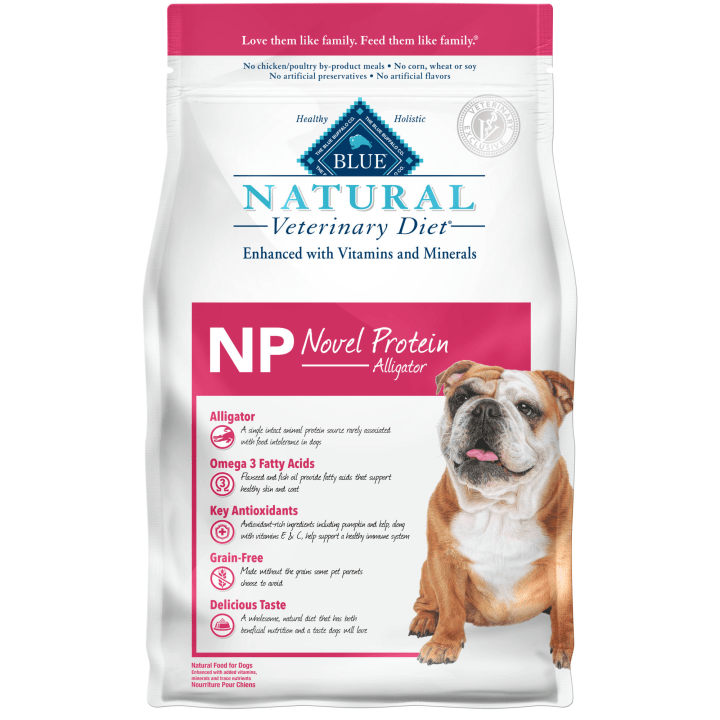
Limited ingredient diets have fewer ingredients to reduce allergies. They focus on one protein and one carbohydrate source. This simple formula lowers the chance of allergic reactions. These diets avoid common allergens like beef, dairy, or chicken. Limited ingredient foods help identify and avoid specific triggers.
Hypoallergenic Formulas
Hypoallergenic dog foods use special proteins that rarely cause allergies. Hydrolyzed proteins are broken down into tiny pieces. The immune system does not recognize these pieces as allergens. These formulas support dogs with severe yeast allergies. They often include added omega fatty acids to soothe skin and reduce inflammation.
Natural Remedies To Complement Diet
Natural remedies can support your dog’s diet to ease yeast skin allergies. These options help balance the skin and reduce irritation. They work well alongside the best dog food choices for yeast issues. Using natural treatments can improve your pet’s comfort and health.
Probiotics And Supplements
Probiotics help balance good bacteria in your dog’s gut. A healthy gut supports the immune system and skin health. Supplements like omega-3 fatty acids reduce inflammation and soothe itchy skin. Zinc and vitamins A and E also promote skin healing. Choose products made for dogs and follow dosage instructions carefully.
Herbal Treatments
Herbs like chamomile and calendula calm irritated skin. Aloe vera gel soothes redness and dryness. Coconut oil has antifungal properties and moisturizes the skin. Always test a small area first to avoid reactions. Use herbal treatments alongside a vet-approved diet for best results.
Credit: iwaki-hasedera.or.jp
Tips For Managing Yeast Allergies
Managing yeast allergies in dogs requires consistent care and attention. Simple daily habits can reduce itching and discomfort. These tips help keep your dog’s skin healthy and calm.
Bathing And Grooming
Regular baths wash away yeast and dirt. Use shampoos made for yeast infections. Avoid harsh soaps that dry the skin. Gently dry your dog after baths to prevent moisture buildup. Brush your dog often to remove dead skin and loose hair. Clean ears carefully to stop yeast growth. Healthy skin starts with good grooming habits.
Environmental Factors
Keep your dog’s sleeping area clean and dry. Change bedding regularly to reduce yeast spores. Avoid damp places where yeast thrives. Control humidity in your home to limit yeast growth. Wash your dog’s toys and blankets often. A clean environment lowers the chance of flare-ups.
When To See A Veterinarian
Knowing when to see a veterinarian is important for dogs with yeast skin allergies. Early care can stop the problem from getting worse. Watch your dog’s skin and behavior closely. Signs of discomfort or infection need quick attention. A vet can give the right diagnosis and treatment plan. Don’t wait too long to get professional help.
Warning Signs
Look for constant scratching or licking of the skin. Red, inflamed, or scaly patches may appear. You might notice a bad smell from the skin. Hair loss in certain areas is common. Pus or sores can show infection. Dogs may seem restless or irritable. These signs mean a vet visit is needed.
Treatment Options
The vet may suggest medicated shampoos or creams. Oral medications can help control yeast infections. Special diets reduce yeast growth and improve skin health. Allergy testing might identify triggers to avoid. Regular follow-up visits ensure the treatment works well. Early treatment helps your dog feel better fast.
Credit: granddog.ca
Frequently Asked Questions
What Ingredients Help With Yeast Skin Allergies In Dogs?
Ingredients like coconut oil, fish oil, and probiotics reduce yeast growth. Limited grains and novel proteins also prevent allergic reactions in dogs with yeast skin issues.
Can Grain-free Dog Food Improve Yeast Allergies?
Yes, grain-free dog food often reduces yeast flare-ups. Grains may feed yeast, so avoiding them can improve skin health in allergic dogs.
How Long Does It Take For Dog Food To Heal Yeast Allergies?
Improvement usually appears in 4 to 6 weeks. Consistent feeding of the right diet helps reduce yeast and heal the skin over time.
Are Probiotics Beneficial For Dogs With Yeast Skin Allergies?
Probiotics support gut health and balance yeast levels. They strengthen the immune system, reducing allergy symptoms and promoting healthier skin in affected dogs.
Conclusion
Choosing the right dog food helps reduce yeast skin allergies effectively. Focus on ingredients that soothe and support your dog’s skin. Avoid foods with grains, fillers, or artificial additives. Natural, limited-ingredient diets work best for sensitive dogs. Watch your pet’s reaction after changing food.
Healthy skin means a happier, more comfortable dog. Always consult your vet for advice tailored to your pet. Small changes can make a big difference over time. Your dog deserves care that protects and heals. Keep learning and adjusting to find the perfect diet.