
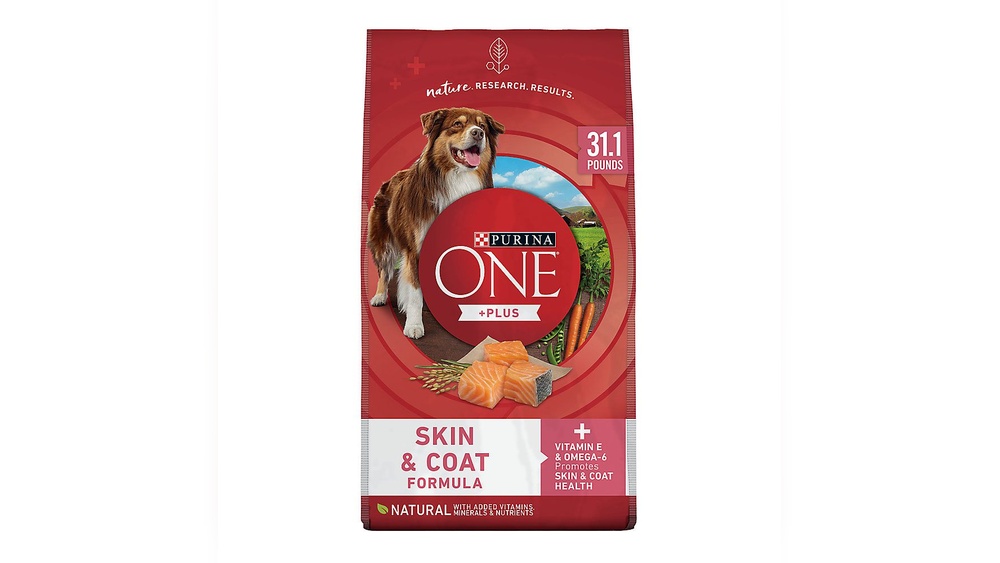
If your dog struggles with allergies, finding the right food can feel overwhelming. You want to give your furry friend meals that are gentle, healthy, and tasty—but not all dog foods are created equal.
That’s where hypoallergenic dog food comes in. Choosing the best brand can help ease your dog’s discomfort and improve their overall well-being. You’ll discover top hypoallergenic dog food brands that are trusted by pet owners and vets alike. Keep reading to find the perfect match for your dog’s unique needs.

Credit: www.rover.com
Why Choose Hypoallergenic Dog Food
Choosing hypoallergenic dog food helps dogs with sensitive stomachs and allergies. It reduces the risk of allergic reactions and improves their overall health. Such diets contain limited ingredients that are less likely to cause allergies. They support better digestion and help maintain a healthy coat and skin.
Common Allergens In Dog Food
Many dogs react to ingredients like beef, chicken, dairy, and wheat. Soy, corn, and eggs also cause allergies in some dogs. These common allergens can trigger itching, redness, or digestive issues. Identifying these ingredients helps in selecting the right food.
Signs Of Food Allergies In Dogs
Dogs with food allergies often scratch or bite their skin. They may have red, inflamed patches or hair loss. Vomiting and diarrhea can also be signs of allergies. Watch for chronic ear infections or a bad smell from their skin.
Benefits Of Hypoallergenic Diets
Hypoallergenic diets reduce allergic reactions and improve comfort. They help dogs feel less itchy and have healthier skin. These diets support better digestion and can lower the risk of other health problems. Feeding hypoallergenic food can lead to a happier, more active dog.
:strip_icc()/Spruce-best-dog-food-for-allergies-4173781-024027f06d344cd8acf7267d38694fa3.jpg)
Credit: www.thesprucepets.com
Key Ingredients In Hypoallergenic Dog Food
Choosing the right ingredients in hypoallergenic dog food helps reduce allergy risks. These foods avoid common triggers that cause skin or stomach problems. Understanding key ingredients makes it easier to pick the best food for your dog. Simple, gentle components support your dog’s health and comfort.
Novel Proteins
Novel proteins come from sources dogs rarely eat. Examples include duck, venison, or kangaroo. These proteins lower the chance of allergic reactions. Dogs allergic to chicken or beef often do well on novel proteins. They provide essential amino acids without common allergens.
Limited Ingredient Formulas
Limited ingredient formulas use fewer ingredients to reduce allergy chances. They focus on one protein and one carbohydrate source. This simple approach makes it easier to spot food sensitivities. Limited ingredients reduce the risk of digestive or skin issues.
Grain-free Options
Grain-free dog foods remove wheat, corn, and soy. Some dogs react to these grains with allergies or digestion problems. Grain-free options use potatoes, peas, or lentils instead. These alternatives provide energy without common grain allergens.
Top Hypoallergenic Dog Food Brands
Choosing the right hypoallergenic dog food helps reduce allergies and skin problems. Many brands now offer special recipes to support sensitive dogs. These foods use limited ingredients and avoid common allergens. Below are some top hypoallergenic dog food brands trusted by pet owners.
Brand A: Features And Benefits
Brand A uses novel proteins like duck or venison. This helps dogs with common allergies. Their recipes are free from wheat, soy, and dairy. The food includes added omega fatty acids for healthy skin. It also contains no artificial colors or preservatives.
Brand B: Features And Benefits
Brand B focuses on hydrolyzed protein formulas. Hydrolyzed proteins are broken down to reduce allergic reactions. This brand is suitable for dogs with severe food sensitivities. It also uses easy-to-digest carbohydrates like sweet potatoes. The food supports digestive health and boosts the immune system.
Brand C: Features And Benefits
Brand C offers grain-free options with limited ingredients. Their recipes often feature fish or novel meats. This helps avoid triggers from common meats like chicken or beef. Brand C includes probiotics to improve gut health. Their formulas support shiny coats and strong joints.
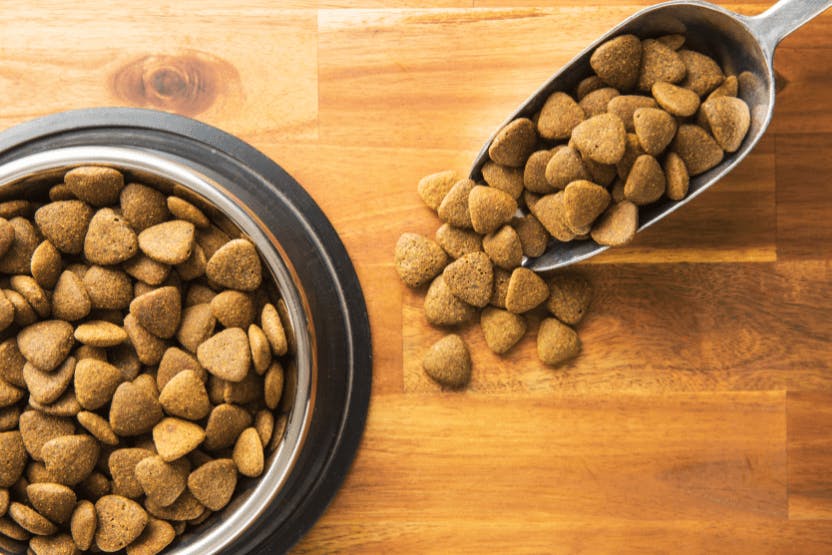
Credit: wagwalking.com
Choosing The Right Food For Your Dog
Choosing the right hypoallergenic dog food is vital for your pet’s health. Dogs with allergies need special care. The right food helps reduce itching, swelling, and stomach troubles. You must consider many factors to find the best fit. Understanding your dog’s needs and taking careful steps ensures success.
Considering Your Dog’s Specific Needs
Each dog has unique allergies and health issues. Some react to common ingredients like beef or dairy. Others need foods with novel proteins or limited ingredients. Age, size, and activity level also affect food choice. Reading labels and checking ingredients helps avoid allergens. Choose foods made for sensitive stomachs or skin problems.
Consulting Your Veterinarian
Your vet knows your dog’s health history best. They can suggest tests to identify allergens. A vet’s advice helps select suitable hypoallergenic foods. They monitor your dog’s progress after switching food. Regular checkups ensure your dog stays healthy and comfortable. Always ask your vet before making big diet changes.
Transitioning To New Food
Switch dog food slowly to avoid stomach upset. Mix old and new food over 7 to 10 days. Gradually increase new food while decreasing the old. Watch for any signs of discomfort or allergy flare-ups. If problems appear, slow the transition or consult your vet. Patience helps your dog adjust and thrive on new food.
Homemade Hypoallergenic Diets
Homemade hypoallergenic diets offer a natural way to care for dogs with food sensitivities. You control every ingredient, avoiding allergens and fillers. Cooking at home lets you tailor meals to your dog’s specific needs.
These diets often use limited ingredients to reduce allergic reactions. Simple recipes with fresh foods can improve digestion and skin health. Homemade meals also provide variety and freshness that commercial foods may lack.
Safe Ingredients To Use
Choose proteins like turkey, duck, or lamb. These meats are less likely to cause allergies. Use carbohydrates such as sweet potatoes or rice for energy. Vegetables like green beans and carrots add fiber and vitamins.
Oils such as fish oil or coconut oil support healthy skin and coat. Avoid common allergens like beef, chicken, dairy, and wheat. Always introduce new foods slowly to watch for reactions.
Potential Risks And Precautions
Homemade diets may lack essential nutrients if not balanced correctly. Consult a veterinarian or pet nutritionist before starting. Incorrect recipes can cause vitamin or mineral deficiencies.
Food safety is critical. Cook meats thoroughly to prevent bacteria. Store meals properly to avoid spoilage. Watch your dog closely for any new symptoms or allergies.
Tips For Managing Food Allergies
Managing food allergies in dogs requires care and attention. Knowing how to handle these allergies helps keep your dog healthy and happy. Simple steps make a big difference. Understanding your dog’s needs is key to managing their diet safely.
Monitoring Symptoms
Watch your dog closely after meals. Look for itching, redness, or swelling on the skin. Check for vomiting or diarrhea. Keep a daily record of any signs. This helps find out what foods cause problems. Early detection prevents serious health issues.
Avoiding Cross-contamination
Use separate bowls for your dog’s food. Clean feeding areas before and after meals. Store allergen-free food away from regular dog food. Avoid sharing utensils between different diets. Small particles can cause allergic reactions. Careful food handling keeps allergens away.
Regular Check-ups
Visit the vet regularly for allergy testing. Discuss your dog’s symptoms and diet changes. Vets can suggest the best hypoallergenic food brands. They monitor your dog’s health over time. Regular visits ensure your dog stays allergy-free and strong.
Frequently Asked Questions
What Makes Dog Food Hypoallergenic?
Hypoallergenic dog food contains limited ingredients that reduce allergy risks. It avoids common allergens like wheat, soy, and certain proteins. This food supports dogs with sensitive stomachs or skin issues by minimizing immune reactions and promoting better digestion.
Which Ingredients Are Best In Hypoallergenic Dog Food?
Best ingredients include novel proteins like duck, venison, or fish. Limited carbohydrates such as sweet potatoes or peas are ideal. These ingredients help prevent allergic reactions and improve nutrient absorption for dogs with sensitivities.
How To Choose The Right Hypoallergenic Dog Food?
Choose food based on your dog’s allergies and vet recommendations. Check for limited ingredients, no artificial additives, and quality protein sources. Always introduce new food gradually to monitor tolerance and avoid adverse reactions.
Can Hypoallergenic Dog Food Improve Skin And Coat?
Yes, hypoallergenic dog food often contains omega-3 and omega-6 fatty acids. These nutrients reduce inflammation and support healthy skin and coat. Dogs with allergies often see noticeable improvement after switching to hypoallergenic diets.
Conclusion
Choosing the right hypoallergenic dog food helps your pet stay healthy. These brands offer safe options for sensitive dogs. Feeding your dog well reduces allergy problems and improves comfort. Always check ingredients to avoid triggers. Consult your vet for advice and guidance.
Happy pets mean happy owners. Give your dog the care they deserve every day. Simple steps lead to better health and joy.


