
If you love hitting the trails and want a loyal companion by your side, choosing the right dog can make all the difference. Not every dog is built for the pace, stamina, and terrain that trail running demands.
You need a partner who can keep up, stay safe, and enjoy the adventure just as much as you do. You’ll discover the best dogs for trail running—breeds known for their energy, endurance, and love of the outdoors. Keep reading to find the perfect furry friend to boost your trail runs and make every mile more exciting.
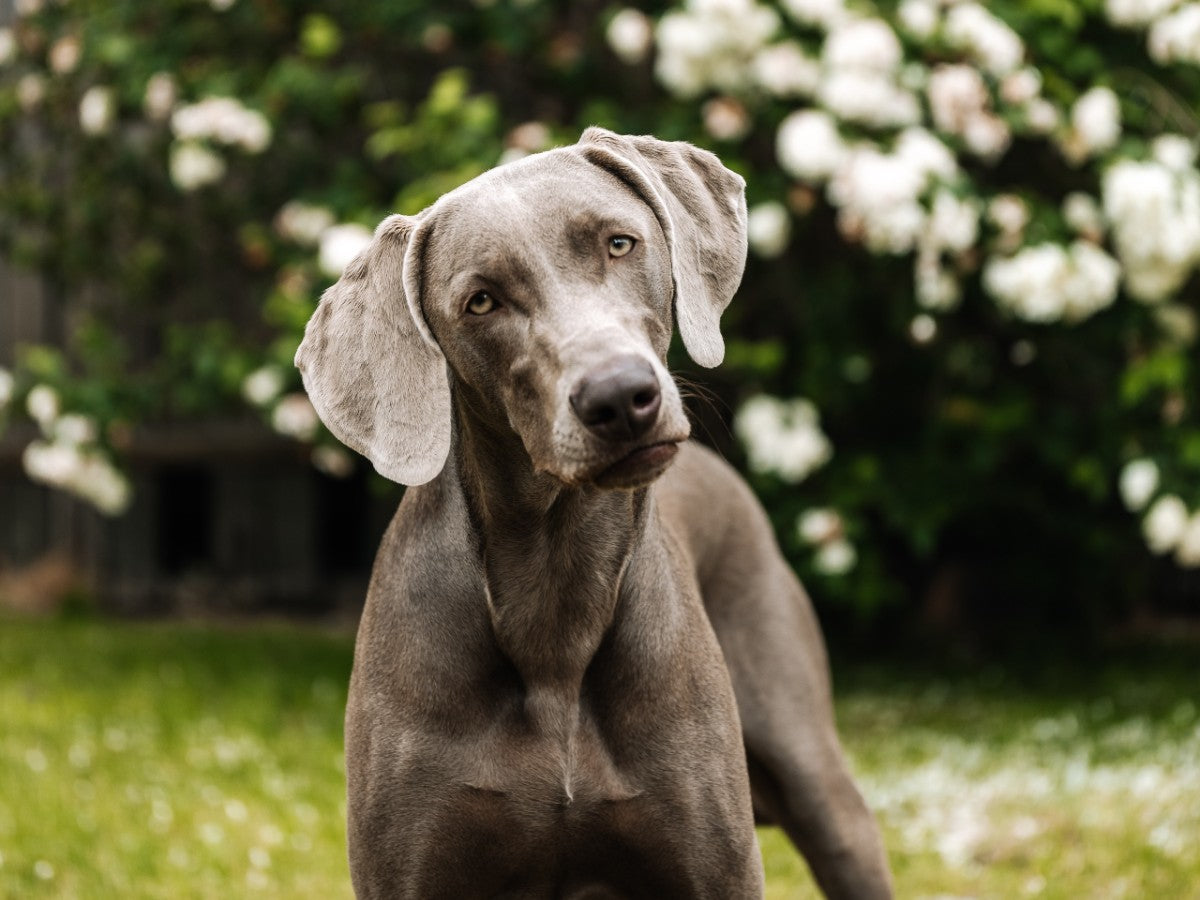
Credit: podcast.pastorbankie.org
Traits Of Ideal Trail Running Dogs
Trail running with dogs is a rewarding activity. Choosing the right dog matters a lot. Some traits help dogs enjoy and succeed on trails. These traits make running safer and more fun. Understanding these traits helps you pick the best trail running buddy.
Endurance And Stamina
Trail running demands long-lasting energy. Dogs need strong endurance to keep pace. Stamina helps dogs run for miles without tiring fast. Dogs with good endurance recover quickly after runs. This trait ensures your dog enjoys every trail run.
Agility And Speed
Trails can be rough and twisty. Agility lets dogs move smoothly over rocks and roots. Speed helps dogs keep up and explore faster. Agile dogs avoid injuries by dodging obstacles easily. Speed adds excitement and keeps dogs engaged.
Temperament And Trainability
Good temperament means calmness and focus on trails. Dogs should listen well and follow commands. Trainable dogs learn trail rules quickly and stay safe. Friendly dogs enjoy meeting other trail runners and animals. A balanced temperament helps dogs adapt to outdoor challenges.
Size And Weight Considerations
Smaller dogs may struggle on tough terrain. Larger dogs might tire faster on long runs. Medium size often balances strength and endurance. Weight affects a dog’s speed and agility. Choose a size that fits your trail style and distance.
Top Energetic Breeds For Trail Running
Trail running needs dogs with lots of energy and endurance. Some breeds naturally thrive on long runs and rough paths. These dogs enjoy exploring and keep up with fast paces easily. Choosing the right breed makes trail running more fun and safe. Here are some top energetic breeds for trail running.
Border Collie
Border Collies are smart and full of energy. They run fast and love to work hard. These dogs enjoy long runs and challenging trails. Their stamina helps them keep going for hours. They need exercise to stay happy and healthy.
Australian Shepherd
Australian Shepherds are active and agile dogs. They have strong legs made for running. These dogs enjoy exploring nature and following trails. Their intelligence makes them easy to train for running. They need daily exercise to avoid boredom.
Vizsla
Vizslas are lean and built for speed. They have great endurance and love to run. These dogs bond closely with their owners. They enjoy long trail runs and outdoor adventures. They need plenty of activity to stay calm.
Siberian Husky
Siberian Huskies have strong muscles and great stamina. They love cold weather and long-distance running. These dogs are natural runners and love the outdoors. Their energy helps them cover tough trails easily. They need regular exercise to stay happy.
Labrador Retriever
Labrador Retrievers have a friendly and active nature. They enjoy running and playing outside. These dogs have good endurance and love to explore. They adapt well to different trail conditions. They need daily exercise to keep fit.
Jack Russell Terrier
Jack Russell Terriers are small but very energetic. They have quick legs and sharp senses. These dogs love chasing and running on trails. Their size makes them great for narrow paths. They need lots of playtime and exercise daily.
Preparing Your Dog For Trail Running
Preparing your dog for trail running is essential for a safe and fun experience. Dogs need proper training, the right gear, and good care on the trail. This helps them stay healthy and enjoy the adventure. Understanding their needs improves your trail runs together.
Training And Conditioning
Start training your dog with short walks on rough paths. Gradually increase distance and speed over weeks. Teach basic commands like “stop,” “come,” and “leave it.” This keeps your dog safe on busy or tricky trails. Conditioning helps build their strength and endurance. Avoid pushing your dog too hard at the start.
Gear And Safety Equipment
Use a sturdy leash and a well-fitting harness for control. Protective boots can shield paws from sharp rocks and hot surfaces. A reflective collar or vest improves visibility. Carry a first aid kit for emergencies. Check your dog’s gear before every run to avoid discomfort.
Hydration And Nutrition
Bring fresh water and a portable bowl for your dog. Offer water breaks often, especially on warm days. Pack lightweight, high-energy snacks for long runs. Avoid feeding your dog right before running to prevent stomach issues. Proper hydration and nutrition keep your dog energized and safe.
Trail Etiquette For Dogs
Keep your dog on a leash unless the trail allows off-leash. Clean up after your dog to keep trails clean. Respect other hikers and their pets. Avoid disturbing wildlife by keeping your dog close. Teaching good trail manners helps everyone enjoy the outdoors.
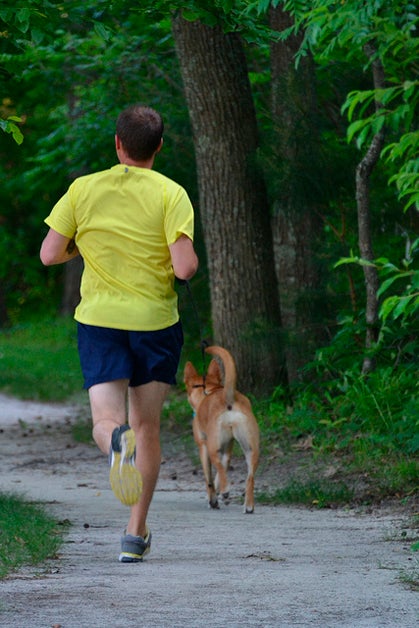
Credit: www.trailrunnermag.com
Health Considerations On The Trail
Trail running with your dog is a great way to stay active together. Keeping your dog’s health in check is important on the trail. Dogs can face many challenges like rough terrain, heat, or cold. Watching their health closely helps avoid serious problems. Knowing the signs and taking action keeps your dog safe and happy.
Recognizing Signs Of Fatigue
Dogs may slow down or stop more often when tired. Heavy panting and drooling are common signs. Limping or stumbling shows they need rest. Pay attention to changes in behavior or energy. Early rest helps prevent serious exhaustion or injury.
Preventing Injuries
Rough trails can hurt paws and joints. Check paws often for cuts or thorns. Use dog booties to protect feet on rocky paths. Avoid slippery or unstable ground. Warm up your dog with a slow walk before running.
Dealing With Weather Conditions
Hot weather can cause heatstroke quickly. Offer water breaks often during warm runs. Shade helps cool your dog down. In cold weather, watch for shivering or stiff muscles. Use dog jackets if needed for extra warmth.
Post-run Care
Cooling down is important after a run. Walk your dog slowly to lower heart rate. Check paws and skin for injuries or irritations. Offer fresh water and a comfortable rest spot. A quick vet visit is wise if you see unusual signs.
Choosing The Right Trail Routes
Choosing the right trail routes is key for a great running experience with your dog. Trails affect your dog’s safety, comfort, and fun. Picking the right path helps avoid injury and stress. It also keeps both of you motivated to run more often.
Trail Difficulty And Terrain
Pick trails that match your dog’s fitness and breed. Some dogs handle rough, rocky paths well. Others prefer flat, smooth routes. Hard trails can tire your dog too fast. Easy trails help build your dog’s stamina gradually. Check for slippery or sharp surfaces. These can hurt your dog’s paws. Soft dirt and grass are gentle on paws and joints.
Dog-friendly Trails
Not all trails allow dogs. Find trails where dogs are welcome. Many parks list dog-friendly paths online. Some trails have leash rules. Follow these for safety. Watch for wildlife that might scare your dog. Trails with water stops help keep your dog hydrated. Avoid crowded trails to reduce stress for your dog.
Seasonal Trail Tips
Trails change with seasons. In summer, avoid hot midday runs. Early mornings or late evenings work best. Hot surfaces can burn paws. In winter, check for ice or snow hazards. Keep your dog warm with a coat if needed. Spring and fall offer cooler weather. Watch for ticks and insects during these seasons. Always carry water for both you and your dog.

Credit: longhaultrekkers.com
Frequently Asked Questions
What Breeds Are Best For Trail Running?
Breeds like Border Collies, Australian Shepherds, and Vizslas excel in trail running. They have high energy, agility, and endurance. These dogs handle rough terrain well and love outdoor activities, making them ideal trail running companions.
How To Prepare My Dog For Trail Running?
Start with short, easy runs on safe trails. Gradually increase distance and difficulty. Ensure your dog is healthy, hydrated, and warmed up. Use a leash and carry water. Check paws regularly for injuries or debris.
Are Small Dogs Suitable For Trail Running?
Small dogs can run trails but may tire quickly. Choose sturdy, energetic small breeds like Jack Russell Terriers. Always consider the terrain and distance. Monitor their stamina and avoid overly challenging trails to keep them safe.
How To Keep My Dog Safe While Trail Running?
Keep your dog on a leash or under voice control. Bring water and a first-aid kit. Avoid extreme weather and rough terrain. Check for ticks and injuries after runs. Proper preparation ensures your dog’s safety and enjoyment.
Conclusion
Choosing the right dog can make trail running more fun and safe. Some breeds have lots of energy and love long runs. Others enjoy the outdoors but need shorter trips. Match your dog’s size and stamina with your trail plans.
Always watch your dog’s health and comfort during runs. Enjoy every step together on nature’s paths. Great trails and a happy dog make the best team. Keep exploring and share the joy of running with your furry friend.


