If your dog struggles with allergies or a sensitive stomach, you know how tough it can be to find the right food. You want to keep your furry friend happy, healthy, and comfortable every day.
But with so many options out there, which one is truly the best? This guide will help you discover the top foods designed to ease your dog’s discomfort and support their digestive health. Keep reading to learn how you can make mealtime a safe and enjoyable experience for your loyal companion.
Credit: ecorporates.com
Common Dog Allergies
Dogs can suffer from allergies just like humans. These allergies often affect their skin, stomach, or overall health. Knowing the common allergies helps in choosing the right food. Proper diet can ease their discomfort and improve their quality of life.
Types Of Allergies
Food allergies are the most frequent in dogs. Ingredients like beef, dairy, chicken, and wheat often cause reactions. Environmental allergies come from pollen, dust, or mold. Flea allergy dermatitis results from flea bites and causes intense itching. Some dogs have contact allergies to materials or chemicals.
Symptoms To Watch For
Itching and scratching are common signs of allergies. Red or inflamed skin may appear, especially in paws and ears. Dogs might lick or chew their paws a lot. Vomiting and diarrhea can signal food allergies. Hair loss and ear infections also indicate allergic reactions.
Causes Of Sensitive Stomachs
Sensitive stomachs in dogs can cause discomfort and health issues. Understanding what triggers these problems helps owners choose the best food. Causes vary and often overlap, making it important to identify specific factors. Some causes come from what dogs eat, while others come from their surroundings.
Dietary Triggers
Many dogs with sensitive stomachs react to certain foods. Common triggers include dairy, wheat, and soy. These ingredients can cause allergies or intolerance. Some dogs struggle to digest rich or fatty foods. Sudden changes in diet also upset their stomachs. Feeding smaller, frequent meals helps reduce symptoms. Choosing hypoallergenic or limited ingredient diets can ease digestion.
Environmental Factors
Environment can affect a dog’s stomach health. Stress and anxiety often cause digestive issues. Exposure to toxins or chemicals may irritate the gut. Parasites like worms can also lead to stomach problems. Poor hygiene and dirty water increase risks. Keeping a clean, calm environment supports digestive health. Regular vet checkups help detect environmental causes early.
Key Ingredients To Look For
Choosing the right food for dogs with allergies and sensitive stomachs is important. The right ingredients can reduce discomfort and improve health. Some ingredients cause fewer allergic reactions. Others help with digestion and nutrient absorption. Knowing what to include in your dog’s diet makes a big difference.
Hypoallergenic Proteins
Proteins are a key part of dog food. Some proteins cause allergies more than others. Hypoallergenic proteins are less likely to cause reactions. Examples include duck, venison, and rabbit. These proteins are new to many dogs. This lowers the chance of allergies. Hydrolyzed proteins are also helpful. They are broken into tiny pieces. This makes them easier to digest and less likely to trigger allergies.
Digestive Aids And Fiber
Digestive aids support the stomach and intestines. Probiotics are good bacteria that help digestion. They keep the gut healthy and balanced. Prebiotics feed these good bacteria. Together, they improve nutrient absorption. Fiber is also important. It helps regulate digestion and bowel movements. Soluble fiber like pumpkin or oats soothes the gut. Insoluble fiber adds bulk and helps waste pass. Choosing food with the right fiber mix helps sensitive stomachs feel better.
Credit: www.petpalaceresort.com
Ingredients To Avoid
Choosing the right food for dogs with allergies and sensitive stomachs is very important. Some ingredients cause reactions or upset the stomach. Avoiding these ingredients helps keep your dog healthy and happy. Understanding which ingredients to avoid makes feeding easier and safer.
Common Allergens
Many dogs react to certain proteins like beef, chicken, or dairy. Wheat, soy, and corn are also common allergens. These ingredients can cause itching, redness, and digestive issues. Choosing foods without these allergens reduces the risk of reactions. Look for limited ingredient diets to avoid common triggers.
Artificial Additives
Artificial colors, flavors, and preservatives can upset sensitive stomachs. These additives may cause allergies or digestive problems. Avoid foods with ingredients like BHA, BHT, and ethoxyquin. Natural foods with no artificial additives are safer for sensitive dogs. Always check labels to find clean, simple ingredients.
Top Dog Foods For Allergies
Finding the right food for dogs with allergies can be tough. Allergies cause itching, stomach upset, and discomfort. Choosing the best dog food helps reduce these symptoms. Some foods avoid common allergens and soothe sensitive stomachs. Let’s explore top dog food types that work well for allergic dogs.
Limited Ingredient Diets
Limited ingredient diets contain fewer ingredients than regular dog foods. This helps identify and avoid allergens. These diets focus on a single protein and carbohydrate source. They reduce the chance of allergic reactions. Such foods are easy to digest. They often include ingredients like sweet potatoes, peas, or rice. Limited ingredient diets support dogs with sensitive stomachs. They also help owners find which ingredient causes issues.
Novel Protein Options
Novel proteins are rare or new protein sources for dogs. Dogs often react to common proteins like chicken or beef. Novel proteins include duck, venison, or kangaroo. These proteins lower allergy risk because dogs have not eaten them before. Novel protein foods provide essential nutrients while avoiding common allergens. They improve digestion and reduce skin problems. Choosing novel proteins can calm allergic reactions and support overall health.
Best Foods For Sensitive Stomachs
Choosing the right food helps dogs with sensitive stomachs feel better. These foods reduce tummy troubles and improve digestion. They also support overall health and energy. Focus on foods that are gentle and easy to digest. Ingredients should be simple and natural.
Easily Digestible Formulas
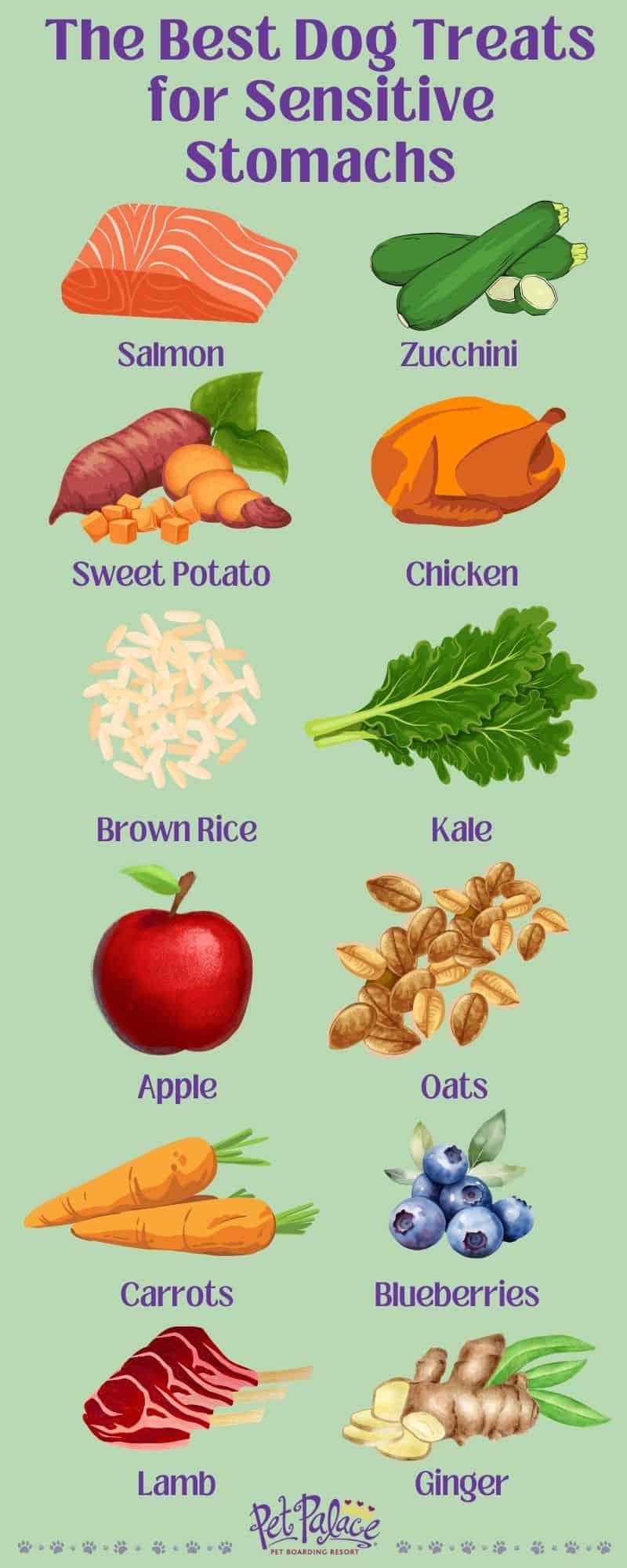
Foods with easily digestible formulas help dogs absorb nutrients quickly. These formulas often include rice, chicken, or fish. Such proteins are less likely to upset the stomach. Avoid foods with fillers like corn or wheat. These can cause more stomach problems. Look for limited ingredient diets that focus on one protein source. This simplifies digestion and reduces allergic reactions.
Probiotics And Prebiotics
Probiotics and prebiotics support a healthy gut. Probiotics add good bacteria to the digestive system. Prebiotics feed these good bacteria to keep them strong. Together, they improve digestion and reduce gas or bloating. Foods with natural sources of probiotics include yogurt and fermented vegetables. Many dog foods now include added probiotics and prebiotics. These help maintain a balanced gut environment for sensitive stomachs.
Homemade Diet Ideas
Preparing homemade meals for dogs with allergies or sensitive stomachs gives you full control over ingredients. It helps avoid triggers and ensures fresh, natural food. Simple, balanced recipes can support your dog’s health and digestion.
Homemade diets also allow easy adjustments based on your dog’s reactions. You can introduce new foods slowly and watch for any issues. This approach suits dogs needing special care and gentle nutrition.
Simple Recipes
Start with lean proteins like boiled chicken or turkey. Mix with cooked rice or sweet potatoes for gentle carbohydrates. Add steamed vegetables such as carrots or green beans for fiber and vitamins. Avoid common allergens like wheat, soy, or dairy.
Try this easy recipe: 1 cup boiled chicken, 1 cup cooked rice, ½ cup steamed carrots. Serve small portions to monitor tolerance. Cook all ingredients thoroughly to aid digestion. Keep seasoning and oils to a minimum or avoid them.
Nutritional Balance Tips
Balance protein, carbohydrates, and fats for overall health. Include omega-3 fatty acids from fish oil or flaxseed for skin and coat. Add calcium from crushed eggshells or supplements to support bones. Consult your vet about vitamins and minerals to add.
Rotate protein sources to prevent new allergies. Keep meals consistent and introduce changes gradually. Monitor your dog’s weight and energy to adjust portions. Homemade meals require careful planning to meet all nutritional needs.

Credit: www.hillspet.com
Transitioning Your Dog’s Diet
Changing your dog’s food needs care and patience. Dogs with allergies or sensitive stomachs react easily to new foods. A sudden change can cause upset stomachs or allergic reactions. Take time to switch foods to help your dog adjust smoothly. This helps keep your dog healthy and happy.
Gradual Introduction
Start by mixing a small amount of new food with the current food. Use about 25% new food and 75% old food for three days. Then increase the new food to 50% for the next three days. After that, mix 75% new food with 25% old food. Finally, give only the new food. This slow change lets your dog’s stomach adapt.
Monitoring Reactions
Watch your dog closely during the transition. Look for signs like itching, redness, or vomiting. Check for diarrhea or changes in appetite. If any problem appears, slow the transition or stop the new food. Keep a daily log of your dog’s behavior and health. This helps find the best food for your dog’s needs.
When To Consult A Vet
Knowing when to consult a vet is key for dogs with allergies and sensitive stomachs. Not all symptoms need urgent care, but some signs require a professional check-up. Early vet visits help find the right food and treatment fast. This reduces your dog’s discomfort and prevents more serious problems.
Persistent Symptoms
Watch your dog closely for ongoing signs of trouble. Itchy skin, constant scratching, or licking paws can show allergies. Vomiting and diarrhea that last more than a day need attention. Weight loss or lack of appetite also call for a vet visit. Persistent symptoms mean the problem is not going away on its own.
Allergy Testing Options
Vets offer tests to find specific allergens causing your dog’s issues. Blood tests check for reactions to common foods and environmental triggers. Skin tests can also identify allergies by exposing small areas to allergens. Knowing the exact cause helps choose the best diet and care. Allergy testing gives clear guidance for managing your dog’s health.
Frequently Asked Questions
What Foods Are Best For Dogs With Allergies?
Hypoallergenic dog foods with limited ingredients are best. They avoid common allergens like wheat, soy, and dairy. Novel proteins like duck or venison reduce allergic reactions. Always check for grain-free options if your dog is sensitive to grains.
How To Identify Food Allergies In Dogs?
Look for symptoms like itching, redness, and ear infections. Digestive issues such as vomiting or diarrhea also signal allergies. Consult a vet for testing and diagnosis. Food trials help pinpoint specific allergens by eliminating ingredients gradually.
Can Sensitive Stomach Dogs Eat Grain-free Food?
Yes, grain-free diets often help sensitive stomachs. They reduce fillers that cause digestive upset. Choose foods with easily digestible proteins and added probiotics. Always introduce new food slowly to avoid stomach distress.
Are Homemade Diets Good For Allergic Dogs?
Homemade diets can be beneficial if balanced correctly. Use vet-approved recipes focusing on hypoallergenic proteins and limited ingredients. Avoid common allergens and include necessary vitamins. Regular vet checkups ensure nutritional adequacy and health.
Conclusion
Choosing the right food helps dogs with allergies and sensitive stomachs feel better. Simple ingredients reduce the chance of reactions and discomfort. Always watch your dog’s health and behavior after feeding new food. Consult your vet for advice tailored to your dog’s needs.
A happy dog means a happy home. Keep your dog’s diet gentle and balanced for best results. Small changes can make a big difference in your dog’s wellbeing. Remember, patience is key to finding the perfect food.