
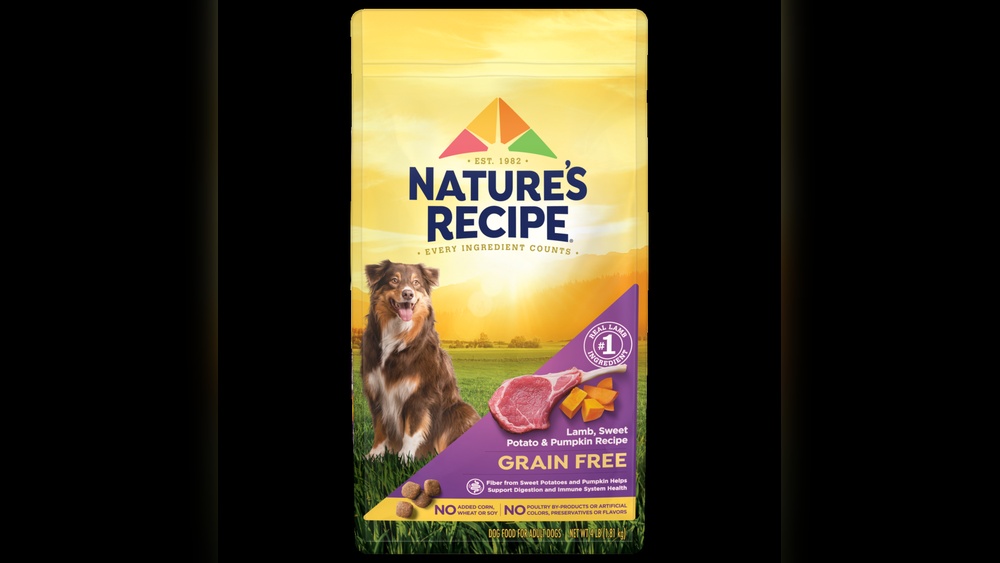
Choosing the best grain food for your dog can feel overwhelming. You want to give your furry friend something healthy, tasty, and easy to digest.
But with so many options out there, how do you know what’s truly best? This guide will help you cut through the noise and find the perfect grain food that supports your dog’s energy, digestion, and overall health. Keep reading, and you’ll discover simple tips and trusted choices that make mealtime a win for both you and your dog.
Benefits Of Grains In Dog Diets
Grains have a special place in many dog diets. They provide more than just fillers. Grains offer essential nutrients that help dogs stay healthy and active. Including grains in dog food can support overall well-being.
Energy And Nutrient Sources
Grains are a great source of carbohydrates. Carbohydrates give dogs the energy they need daily. Dogs use this energy for play, exercise, and normal body functions. Grains also contain protein, which helps build strong muscles. They provide a steady energy release, avoiding sudden spikes.
Digestive Health Support
Many grains have fiber, which aids digestion. Fiber helps keep the dog’s digestive system working smoothly. It can prevent constipation and promote regular bowel movements. A healthy gut supports better nutrient absorption and overall health.
Essential Vitamins And Minerals
Grains supply important vitamins like B vitamins. These vitamins help with metabolism and nerve function. Grains also contain minerals such as iron, magnesium, and zinc. These minerals support immune health, bone strength, and oxygen transport.
Common Grains Safe For Dogs
Many grains are safe and healthy for dogs. These grains provide energy, fiber, and essential nutrients. Including the right grains in your dog’s diet can improve digestion and overall health. Here are some common grains that dogs can eat safely.
Brown Rice
Brown rice is a popular grain for dogs. It has more fiber than white rice. This fiber helps with digestion and keeps your dog’s stomach calm. Brown rice also contains vitamins and minerals that support health. It is easy to cook and mix with dog food.
Oats
Oats are gentle on a dog’s stomach. They provide good energy and help with bowel movements. Oats are rich in fiber and can lower cholesterol. Many dog foods include oats for extra nutrition. Serve oats cooked and plain to avoid stomach upset.
Barley
Barley is a whole grain that dogs can enjoy. It has fiber and many vitamins. Barley helps keep blood sugar levels steady. It also supports healthy skin and coat. Cook barley well before feeding it to your dog.
Quinoa
Quinoa is a grain-like seed with high protein. It contains all essential amino acids dogs need. Quinoa is gluten-free and easy to digest. It also has fiber, vitamins, and minerals. Serve quinoa cooked and plain for best results.
Grains To Avoid For Dogs
Not all grains are safe for dogs. Some grains can cause health issues or allergies. Knowing which grains to avoid helps keep your dog healthy and happy. This section highlights the main grains that may harm your dog’s diet.
Wheat And Gluten Concerns
Wheat contains gluten, a protein some dogs cannot digest well. Gluten may cause stomach upset or skin problems. Dogs with gluten intolerance can suffer from itching and hair loss. Avoiding wheat helps prevent these issues. Look for grain-free or gluten-free dog food options.
Corn And Allergies
Corn is a common allergen in dog food. Some dogs develop skin allergies or digestive problems from corn. Corn is also low in nutrients compared to other grains. Dogs allergic to corn may scratch a lot or have ear infections. Choosing foods without corn reduces allergy risks.
Processed Grain Products
Processed grains lose many nutrients during manufacturing. These grains often contain fillers and additives harmful to dogs. Foods with processed grains can cause weight gain and poor digestion. Whole grains are a better choice for your dog’s energy and health. Always read labels to avoid processed grain products.
Credit: allo.com
Choosing Grain-based Dog Foods
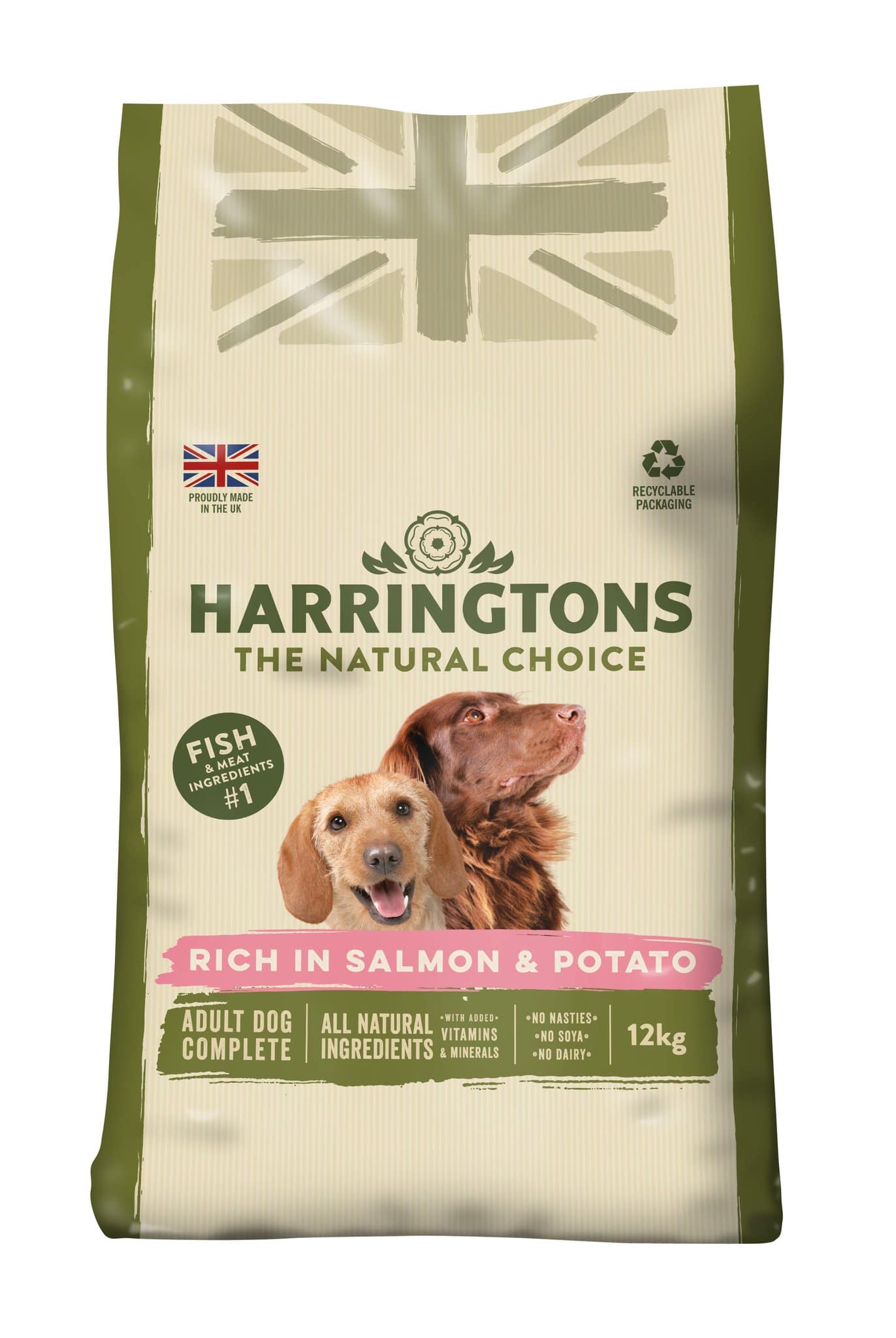
Grain-based dog foods provide essential nutrients for your pet’s health. Grains supply energy, fiber, and important vitamins. Choosing the right grain food helps keep your dog strong and active.
It is important to understand different grain options. Not all grains are the same. Knowing what to look for makes a big difference in your dog’s diet.
Reading Ingredient Labels
Check the first few ingredients on the label. Ingredients are listed by weight. Look for whole grains near the top. Avoid foods with too many fillers or artificial additives. Simple and natural ingredients are better for your dog’s digestion and health.
Whole Grains Vs. Refined Grains
Whole grains contain the entire grain kernel. They offer more fiber and nutrients. Refined grains lose many nutrients during processing. Whole grains support digestion and help maintain healthy weight. Choose foods with brown rice, oats, or barley for better nutrition.
Grain-free Vs. Grain-inclusive
Grain-free diets avoid all grains but may use more potatoes or peas. Grain-inclusive foods have grains as a key source of energy. Some dogs do well on grain-inclusive diets unless they have allergies. Consult your vet for the best choice based on your dog’s needs.
Homemade Grain Recipes For Dogs
Homemade grain recipes for dogs offer a healthy way to feed your pet. They provide energy and nutrients dogs need. Making food at home lets you control the ingredients. This helps avoid fillers and additives found in some commercial foods.
Grains like rice, oats, and barley are easy to cook. They mix well with meats and vegetables. These recipes can suit dogs with sensitive stomachs. You can also add variety to your dog’s diet with homemade grain meals.
Simple Grain Mix Meals
Start with cooked rice or oats as a base. Add lean meat like chicken or turkey. Include vegetables like carrots or green beans. Mix all ingredients well for a balanced meal. Serve in small portions to test your dog’s reaction. Adjust ingredients based on your dog’s preferences.
Adding Grains To Homemade Treats
Use grains in dog treat recipes for extra nutrition. Try oats in biscuit dough for crunch and fiber. Add cooked quinoa to meatballs for a soft texture. Bake treats at low temperatures to keep nutrients. Store treats in an airtight container to keep freshness. Homemade treats with grains make healthy snacks.

Credit: www.forbes.com
Signs Of Grain Sensitivities
Grain sensitivities in dogs can cause discomfort and health problems. Recognizing early signs helps protect your pet’s well-being. Sensitivities often appear in the digestive system or on the skin. Watch your dog closely for changes after eating grain-based foods.
Digestive Issues
Dogs with grain sensitivities often have stomach problems. Vomiting and diarrhea happen frequently. Some dogs also show gas and bloating. These signs indicate the digestive system struggles with grains. Loss of appetite or weight loss can also occur. Monitor your dog’s bathroom habits carefully.
Skin And Coat Reactions
Grain sensitivities may cause skin problems. Itching and redness are common signs. Your dog might scratch or lick the skin a lot. Hair loss or flaky skin can appear too. These reactions show the immune system’s response to grains. Check your dog’s coat for any unusual changes regularly.
Consulting Your Vet About Grains
Consulting your vet about grains in your dog’s diet is an important step. Vets can provide advice based on your dog’s health needs. Each dog is unique and may react differently to grains. Your vet helps decide if grains suit your dog’s diet well.
Tailoring Grain Intake
Your vet can suggest the best grains for your dog. They consider your dog’s age, weight, and health. Some dogs need more fiber, others less. Tailoring grain intake ensures your dog gets the right nutrition. It prevents problems like allergies or digestive issues.
Monitoring Health Changes
After adding grains, watch your dog closely. Look for changes in energy, digestion, and coat health. Your vet may recommend regular check-ups to track progress. Early detection of problems helps keep your dog healthy. Monitoring health changes keeps your dog’s diet safe and effective.
:strip_icc()/Spruce-best-dog-food-at-walmart-4173197-a02410eb5618412b8495e0eaba6420a8.jpg)
Credit: medsourcellc.com
Frequently Asked Questions
What Grains Are Best For Dogs’ Nutrition?
Whole grains like brown rice, oats, and barley are best. They provide fiber, vitamins, and minerals essential for dogs’ health. Avoid processed grains or fillers that offer little nutritional value.
Can Dogs With Allergies Eat Grain-based Food?
Some dogs have grain allergies, but many do not. Choose hypoallergenic or limited-ingredient grain options if allergies exist. Consult a vet for tailored advice on grain inclusion.
How Do Grains Benefit A Dog’s Diet?
Grains offer energy, fiber, and essential nutrients. They aid digestion and maintain a healthy weight. Including grains supports overall canine well-being when balanced properly.
Are Grains Safe For All Dog Breeds?
Grains are generally safe for most breeds when fed appropriately. Size, age, and health impact grain tolerance. Always monitor for allergies or sensitivities after introducing grains.
Conclusion
Choosing the best grain food for dogs helps keep them healthy and happy. Grains provide energy and important nutrients for your pet. Each dog is different, so watch how they respond to new foods. Good grains include oats, brown rice, and barley.
Avoid grains that cause allergies or stomach problems. Feeding the right grains supports strong bones and a shiny coat. Remember, balanced meals make your dog feel their best every day. Keep learning about your dog’s needs to give them the best care possible.


