Is your dog constantly scratching, biting, or licking their skin? Watching your furry friend struggle with itchiness can be heartbreaking and frustrating.
You want to help, but with so many treatments out there, it’s hard to know which one truly works. What if you could find the best solution that brings quick relief and keeps your dog comfortable? Keep reading, because you’ll discover the most effective treatments for itchy dogs—and how to choose the right one for your beloved pet.
Your dog’s comfort and happiness are just a few steps away.
Credit: www.akcpetinsurance.com
Common Causes Of Itchy Dogs
Itchy skin is a common problem in dogs. It causes discomfort and restless behavior. Understanding the causes helps find the best treatment. Many factors can lead to itching in dogs.
Allergies And Sensitivities
Dogs can develop allergies to food, pollen, or dust. These allergies cause skin irritation and itching. Some dogs react to certain shampoos or cleaning products. Identifying the allergy source is key to reducing itchiness.
Parasites And Infections
Fleas, ticks, and mites often cause itching. These parasites bite and irritate the skin. Bacterial or fungal infections also lead to itchy spots. Treating parasites and infections clears the skin quickly.
Dry Skin And Environmental Factors
Dry air or cold weather can dry a dog’s skin. Dry skin feels tight and causes scratching. Harsh soaps and frequent baths worsen dryness. Protecting the skin with moisturizers helps soothe itchiness.
Signs Your Dog Needs Treatment
Dogs cannot tell us when they feel itchy or uncomfortable. Watch their behavior closely. Notice signs that show your dog needs treatment for itchiness. Early detection helps prevent serious problems. Keep an eye on how often your dog scratches or bites itself. Check the skin for any changes. These clues guide you to act quickly.
Excessive Scratching And Biting
Scratching and biting happen sometimes. But too much is a warning. Dogs may scratch or bite to relieve itchiness or pain. Watch if your dog does this many times a day. Look for repeated licking too. These actions cause wounds and make the skin worse.
Redness And Skin Irritation
Red skin shows irritation or inflammation. It can be a sign of allergies or infection. Touch your dog’s skin gently. Feel if it is warm or swollen. These symptoms mean your dog needs care. Untreated skin irritation may lead to more pain and damage.
Hair Loss And Scabs
Hair loss is a serious sign of skin trouble. Check for bald spots or thinning fur. Scabs or crusts appear from constant scratching or biting. These marks hurt your dog and may cause infection. Treating hair loss early helps the skin heal faster.
Home Remedies For Quick Relief
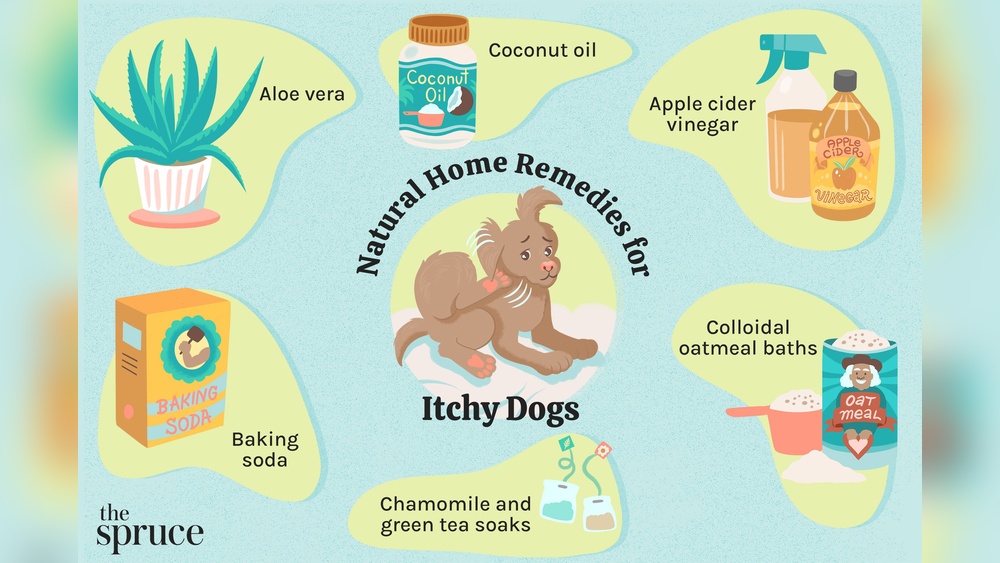
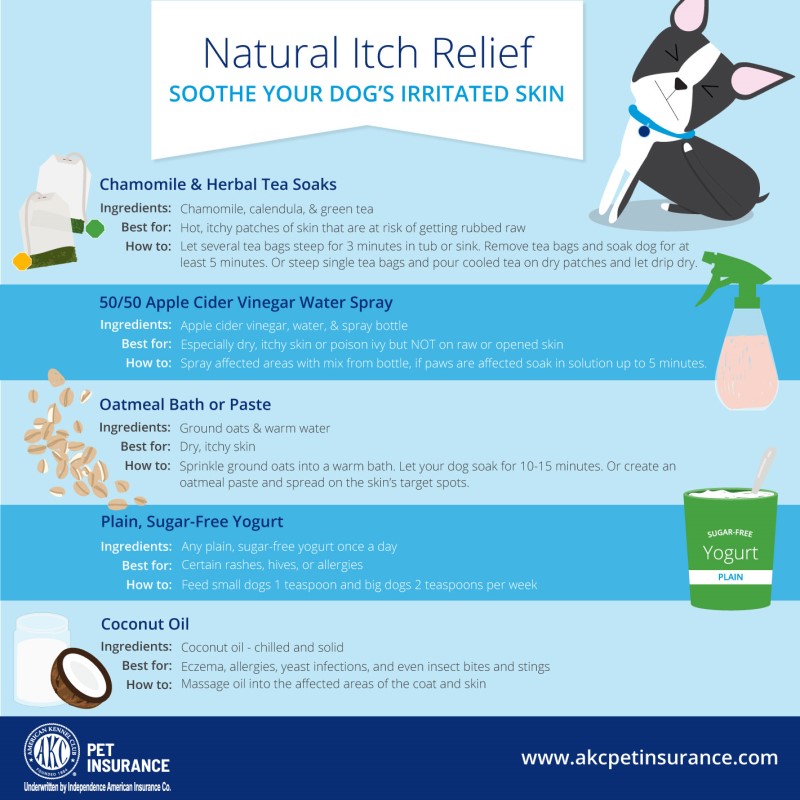
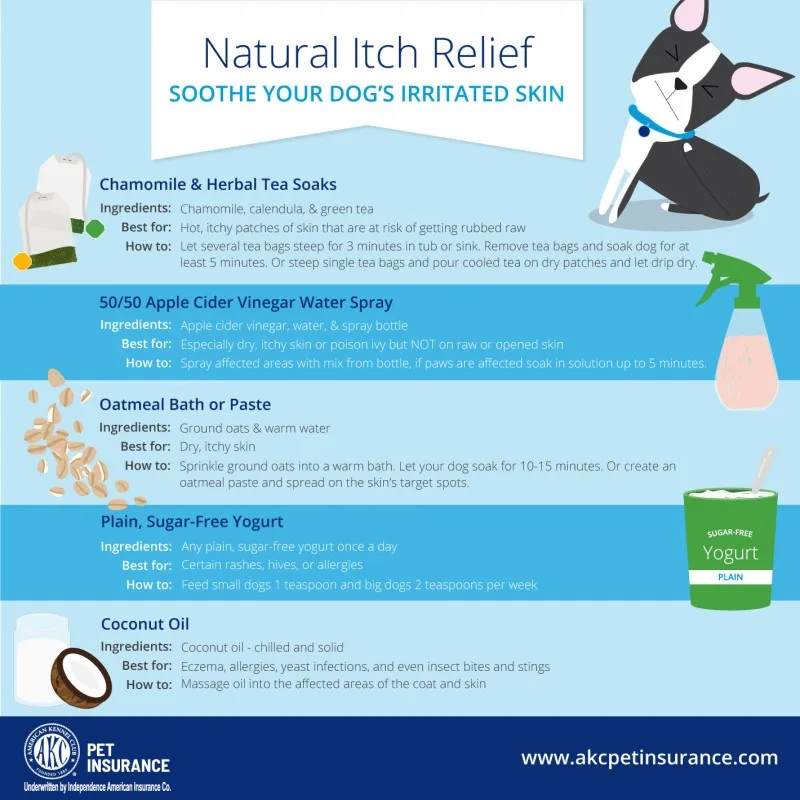
Itchy dogs often need fast relief to feel better. Home remedies can soothe their skin and calm irritation quickly. These treatments use natural ingredients that are safe and easy to find. Try these simple methods to help your dog feel comfortable again.
Oatmeal Baths
Oatmeal baths help calm itchy skin with gentle moisture. Ground oatmeal mixes well in warm water for a soothing soak. Let your dog stay in the bath for 10 to 15 minutes. Rinse with clean water to remove oatmeal residue. This bath helps reduce redness and stops scratching fast.
Aloe Vera Applications
Aloe vera gel cools irritated skin and lowers inflammation. Use pure aloe vera directly on itchy spots. Gently rub the gel into your dog’s skin. It helps heal wounds and eases dryness. Avoid aloe with added chemicals or perfumes that may cause harm.
Coconut Oil Treatments
Coconut oil moisturizes dry skin and fights bacteria. Apply a small amount on itchy patches with your fingers. Massage gently to allow absorption. Coconut oil can also be added to your dog’s food for healthier skin from inside. Use regularly for best results.
Over-the-counter Options
Many dog owners find relief for their pets through over-the-counter treatments. These options are easy to buy and use at home. They help reduce itching and soothe irritated skin. Some products clean the skin, while others calm inflammation or boost skin health.
Over-the-counter options work best for mild to moderate itching. Persistent or severe cases need a vet’s advice. Choosing the right product depends on your dog’s skin condition and allergies.
Anti-itch Shampoos
Anti-itch shampoos wash away allergens and dirt. They contain ingredients that cool and soothe the skin. Use these shampoos two to three times a week for relief. Avoid shampoos with harsh chemicals that may dry out skin. Look for formulas with oatmeal or aloe vera for gentle care.
Topical Sprays And Creams
Topical sprays and creams provide quick itch relief. They can reduce redness and swelling on the skin. Apply these products directly to itchy spots. Choose sprays for easy application on larger areas. Creams work well on small, targeted spots. Check ingredient lists to avoid harmful chemicals.
Oral Supplements
Oral supplements support skin health from inside. Omega-3 fatty acids help reduce inflammation and itching. Vitamins like E and biotin improve skin strength and shine. These supplements take time to show results. Use them along with other treatments for best effect. Always follow dosage instructions carefully.
When To See A Veterinarian
Knowing when to see a veterinarian is key for your dog’s health. Itching can be normal sometimes. But constant or severe itching needs medical care. Early action can stop bigger problems. A vet can find the root cause and suggest the right treatment. Watch your dog closely and act fast.
Persistent Itching
Dogs scratch often, but long-lasting itching is a warning sign. If your dog scratches for more than a week, see a vet. Constant itching may mean skin disease or parasites. Ignoring it can lead to skin damage and pain. A vet will check your dog’s skin and health carefully.
Signs Of Infection
Look for redness, swelling, or oozing on the skin. These signs mean an infection might be present. Your dog may lick or chew the area a lot. Infections need quick treatment to stop spreading. A vet can give antibiotics or special shampoos to heal the skin.
Allergy Testing And Prescription Medications
Many dogs suffer from allergies causing itching. Tests can find what triggers your dog’s allergies. Vets can prescribe medicines to reduce itching and inflammation. Prescription shampoos and creams also help soothe the skin. Follow the vet’s advice to keep your dog comfortable and healthy.
Credit: www.akcpetinsurance.com
Preventing Future Itchiness
Stopping itchiness in dogs is as important as treating it. Preventing future itchiness helps keep your dog happy and healthy. Simple habits can reduce or avoid skin problems.
Consistent care protects your dog’s skin from irritations and allergies. Let’s explore key steps to prevent itching in dogs.
Regular Grooming
Brushing your dog’s coat often removes dirt and loose hair. It helps stop skin infections and mats that cause itching. Bathing with gentle shampoos keeps the skin clean and moist. Check ears and paws during grooming to spot early signs of irritation.
Balanced Diet
A healthy diet supports your dog’s skin and coat. Foods rich in omega-3 fatty acids reduce inflammation and dryness. Fresh water every day keeps your dog hydrated. Avoid foods that can cause allergies or sensitivities. Consult your vet for the best diet plan.
Flea And Tick Control
Fleas and ticks cause intense itching and skin damage. Use vet-recommended flea and tick preventatives regularly. Clean your dog’s bedding and living areas often. Early removal of pests stops infections and allergic reactions. Protecting your dog from parasites is vital for skin health.
:strip_icc()/best-allergy-medicine-for-dogs-8414850-cc2cda924b7143f695e44bb0489fd509.jpg)
Credit: www.thesprucepets.com
Frequently Asked Questions
What Causes Itching In Dogs?
Itching in dogs is usually caused by allergies, fleas, dry skin, infections, or parasites. Identifying the cause helps in choosing the best treatment and provides relief for your dog.
How Can I Soothe My Dog’s Itchy Skin?
Use soothing shampoos, apply moisturizing creams, and provide antihistamines if recommended by a vet. Regular grooming and a balanced diet also reduce itching and improve skin health.
Are Flea Treatments Effective For Itchy Dogs?
Yes, flea treatments eliminate fleas and their bites, which often cause itching. Using vet-approved flea control products regularly helps prevent infestations and relieves your dog’s discomfort.
When Should I See A Vet For Itchy Dogs?
Visit a vet if itching persists for more than a week, worsens, or causes skin damage. Professional diagnosis is essential for effective treatment and preventing complications.
Conclusion
Treating your dog’s itchiness helps improve their comfort and happiness. Start by identifying the cause, such as allergies or fleas. Use gentle shampoos and keep their skin clean and moisturized. Regular vet visits ensure the right diagnosis and treatment plan.
A healthy diet also supports skin health. Watch for signs of worsening symptoms and act quickly. Consistent care makes a big difference for itchy dogs. Your dog’s well-being depends on your attention and love. Keep their skin healthy for a happy, itch-free life.