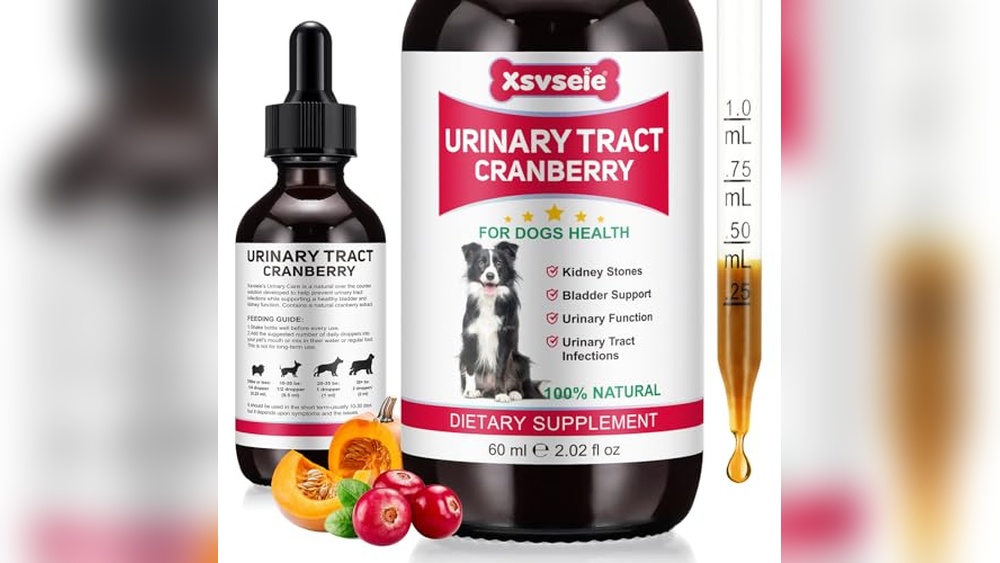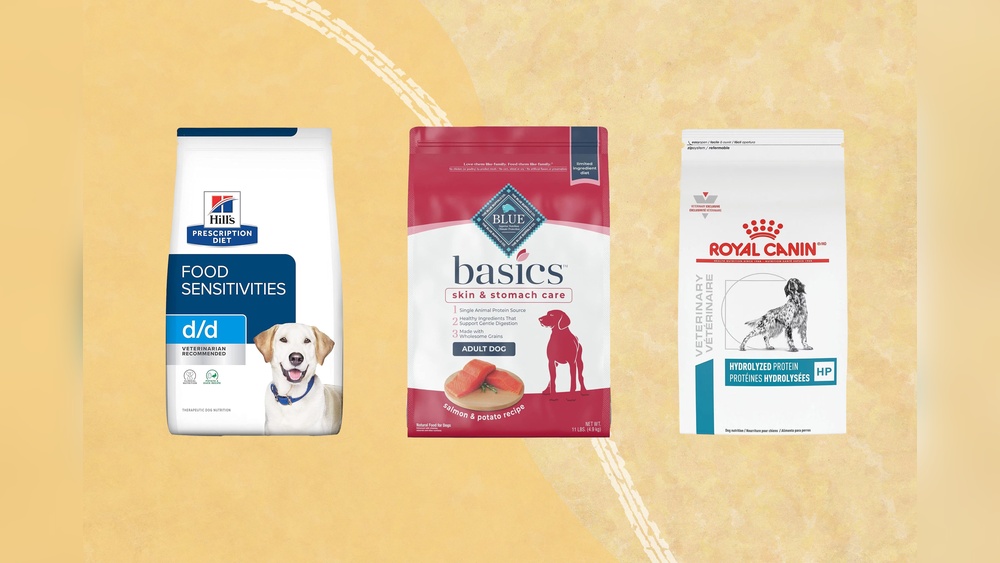
If your dog is scratching more than usual or dealing with upset stomachs, allergies could be the cause. Finding the best dog food for allergies in dogs isn’t just about picking any brand off the shelf—it’s about choosing the right nutrition that soothes your furry friend’s discomfort and boosts their health.
You want to see your dog happy, active, and itch-free, right? Keep reading, and you’ll discover simple yet powerful ways to select the perfect food to ease your dog’s allergies and bring back their wagging tail.
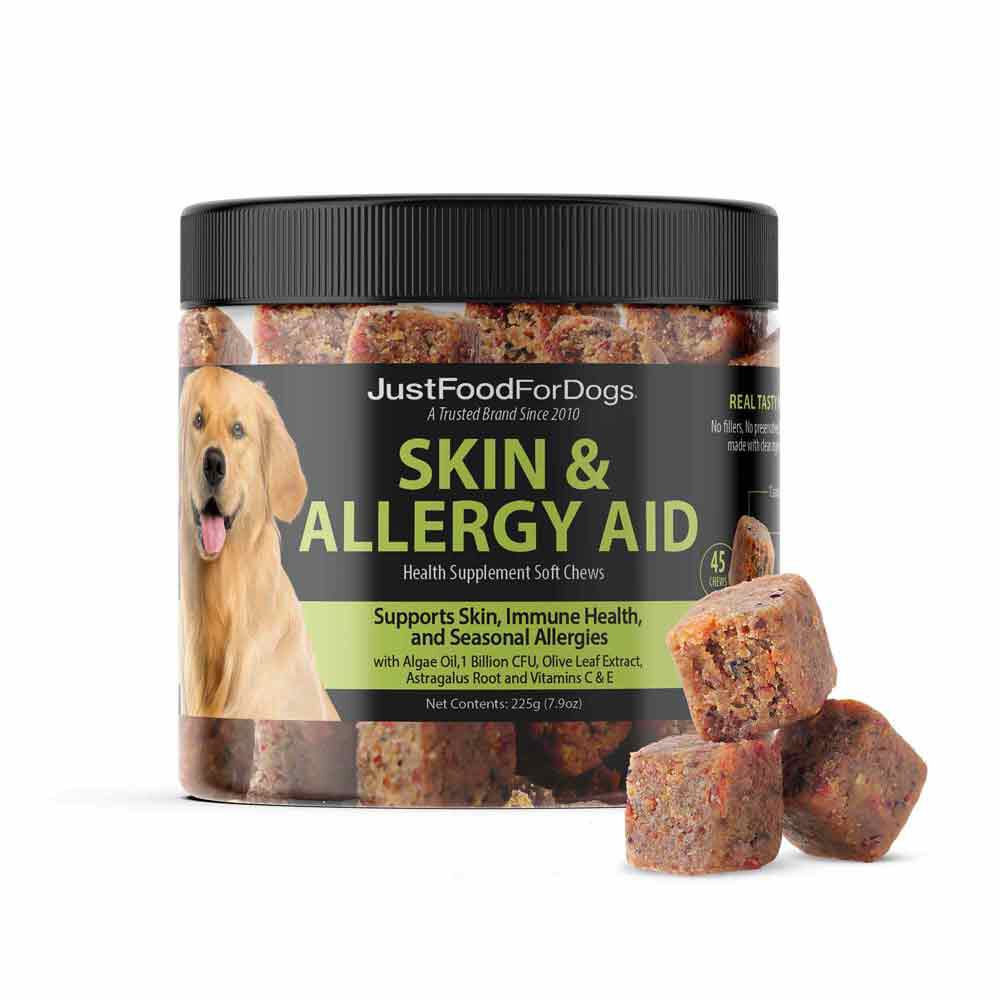
Credit: www.justfoodfordogs.com
Causes Of Dog Allergies
Dog allergies happen when the immune system reacts to certain substances. These substances are usually harmless but cause irritation or discomfort to dogs. Understanding what causes allergies helps in choosing the best dog food for allergies. It also aids in managing your dog’s health better.
Common Allergy Triggers
Many things can trigger allergies in dogs. Some common triggers include certain foods, pollen, dust mites, and fleas. Food allergies often come from ingredients like beef, chicken, dairy, or grains. Environmental allergens like grass and mold can also cause problems. Flea bites often cause allergic reactions known as flea allergy dermatitis.
Symptoms To Watch For
Dogs with allergies show signs that are easy to spot. Itching and scratching are the most common symptoms. Other signs include red or swollen skin, hair loss, and frequent licking. Some dogs have ear infections or watery eyes. These symptoms help identify allergies early and guide treatment choices.
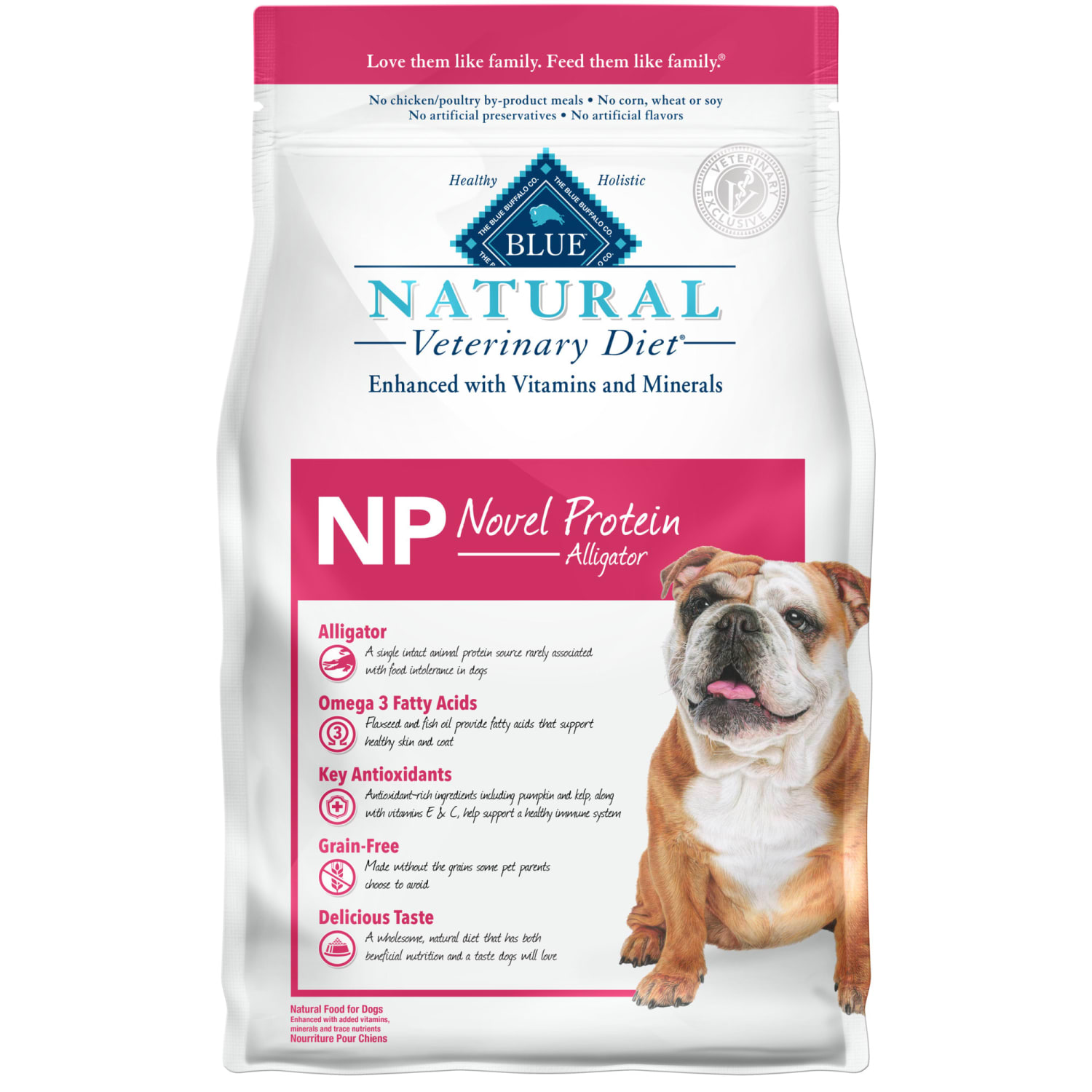
Credit: medsourcellc.com
Benefits Of Hypoallergenic Dog Food
Hypoallergenic dog food offers clear benefits for dogs with allergies. It reduces the chance of allergic reactions. This food supports your dog’s health and comfort. Choosing the right hypoallergenic diet can ease itching and skin problems. It also helps improve digestion and energy levels.
How It Helps Allergies
Hypoallergenic dog food avoids common allergens like wheat, soy, and dairy. It uses limited ingredients to reduce allergy triggers. This type of food lowers inflammation in the skin and gut. It helps calm irritated skin and reduces scratching. Many dogs feel better and show fewer allergy symptoms.
Key Ingredients To Look For
Look for novel proteins like duck, venison, or salmon. These proteins are less likely to cause allergies. Choose foods with simple carbohydrates like sweet potatoes or peas. Omega-3 fatty acids help reduce skin inflammation. Probiotics support healthy digestion and strengthen immunity. Avoid artificial colors, flavors, and preservatives that may cause reactions.
Top Hypoallergenic Dog Foods In 2025
Choosing the right hypoallergenic dog food helps reduce allergy symptoms. Dogs with allergies need gentle ingredients that do not irritate their skin or stomach. In 2025, many pet food brands offer formulas designed to support sensitive dogs. These options include dry, wet, and limited ingredient foods. Each type has benefits depending on your dog’s preferences and needs.
Best Dry Dog Foods
Dry hypoallergenic dog foods often contain novel proteins like duck or venison. These proteins reduce the chance of triggering allergies. Many formulas avoid common allergens such as wheat, soy, and corn. Dry food is convenient and helps keep teeth clean. Look for brands with simple ingredients and no artificial additives.
Best Wet Dog Foods
Wet hypoallergenic foods provide extra moisture for dogs who need hydration. These foods are softer and easier to chew. They often contain limited ingredients and novel proteins. Wet foods can improve appetite in picky eaters. Choose options without fillers or artificial flavors to protect sensitive stomachs.
Best Limited Ingredient Options
Limited ingredient dog foods use fewer ingredients to reduce allergy risks. These foods focus on one protein and one carbohydrate source. They are ideal for dogs with multiple allergies or intolerances. Simple recipes help identify specific allergens. Limited ingredient diets support digestion and skin health effectively.
Choosing The Right Food For Your Dog
Choosing the right food for your dog with allergies is very important. The right diet can reduce itching, redness, and other symptoms. It helps your dog feel better every day. Understanding your dog’s needs makes feeding easier and safer.
Each dog reacts differently to foods. Some ingredients cause allergies, while others do not. Picking the correct food means avoiding triggers and supporting your dog’s health. Careful choices lead to happier dogs and fewer vet visits.
Considering Your Dog’s Specific Allergies
Identify which ingredients cause your dog’s allergies. Common triggers include beef, dairy, wheat, and chicken. Look for foods that exclude these allergens. Novel protein sources like duck or venison often work well.
Check the food label carefully. Avoid artificial colors, flavors, and preservatives. These can worsen allergy symptoms. Limited ingredient diets can be very helpful. They keep the food simple and reduce risk.
Consulting Your Veterinarian
Your veterinarian knows your dog’s health history. They can recommend tests to find allergies. A vet-guided diet plan ensures safe and effective food choices. Discuss any symptoms and changes in behavior with them.
Follow your vet’s advice on food trials. These help confirm which foods are best. Regular check-ups track your dog’s progress. Trusting your vet makes managing allergies easier and safer.
Homemade Hypoallergenic Dog Food
Homemade hypoallergenic dog food offers a safe way to manage allergies in dogs. It helps avoid common allergens found in commercial dog foods. Preparing meals at home lets you control every ingredient. This method ensures your dog eats only what suits their health needs. Homemade diets often reduce allergy symptoms like itching and digestive issues.
Safe Ingredients To Use
Choose simple, natural ingredients with low allergy risks. Lean meats like turkey, rabbit, or duck work well. Use cooked vegetables such as sweet potatoes, carrots, or green beans. Brown rice and quinoa are gentle grains for sensitive stomachs. Avoid common allergens like wheat, corn, soy, and dairy. Fish oils add healthy fats that support skin health.
Simple Recipes To Try
Start with a basic turkey and rice recipe. Cook ground turkey thoroughly and mix with boiled brown rice. Add steamed carrots and a small amount of fish oil. Another option is a duck and sweet potato meal. Boil diced duck meat and sweet potatoes together. Mix in green beans for extra fiber and vitamins. Always cook ingredients fully to aid digestion.

Credit: www.ambassadorpet.com
Tips For Transitioning To New Dog Food
Changing your dog’s food can be tricky, especially if your dog has allergies. A sudden switch might upset their stomach or cause allergic reactions. Taking time to change food helps your dog adjust comfortably. This section shares simple tips for a smooth transition to new dog food.
Gradual Switch Methods
Start by mixing a small amount of new food with the old. Slowly increase the new food over 7 to 10 days. For example, use 25% new food and 75% old food for a few days. Then, 50% new and 50% old, and so on. This method helps your dog’s digestive system adapt. It reduces the risk of upset stomach or diarrhea.
Monitoring Your Dog’s Reaction
Watch your dog closely during the food change. Look for signs like itching, redness, or digestive issues. Check stool consistency and energy levels daily. If your dog shows bad reactions, pause the switch and consult a vet. Careful observation ensures your dog stays healthy and comfortable.
Frequently Asked Questions
What Ingredients Should I Avoid In Dog Food For Allergies?
Avoid common allergens like wheat, soy, corn, dairy, and beef. These ingredients often trigger allergic reactions in dogs. Look for foods labeled hypoallergenic or limited ingredient diets to minimize allergy risks and support your dog’s health.
How Do I Choose The Best Dog Food For Allergies?
Select foods with novel proteins and limited ingredients. Check for grain-free options if your dog is sensitive to grains. Consult your vet for personalized recommendations based on your dog’s allergy symptoms and severity.
Can Homemade Dog Food Help With Allergies?
Yes, homemade food allows control over ingredients, reducing allergen exposure. Use vet-approved recipes to ensure balanced nutrition. Homemade diets can ease symptoms but require careful planning to meet all dietary needs.
How Long Does It Take To See Improvement With Allergy Dog Food?
Improvement typically appears within 4 to 8 weeks. Consistent feeding of allergy-friendly food reduces symptoms like itching and digestive issues. If no improvement occurs, consult your vet for alternative treatments.
Conclusion
Choosing the right dog food helps reduce allergy symptoms. Dogs feel happier and healthier with proper nutrition. Always check ingredients carefully for common allergens. Consult your vet before making major diet changes. Feeding allergy-friendly food can improve your dog’s life.
Small changes bring big benefits for sensitive dogs. Stay patient and watch your dog’s health improve. Good food supports a strong, active, and happy pet.