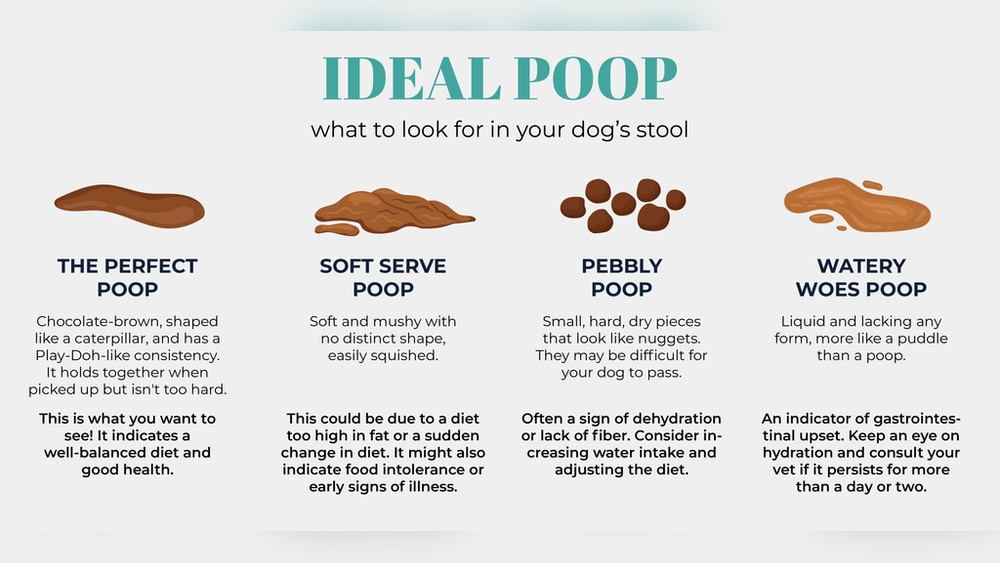
Is your dog struggling with hard, uncomfortable poop? You’re not alone, and this can be tough for both you and your furry friend.
Choosing the right food can make a huge difference in easing your dog’s digestion and improving their comfort. You’ll discover the best dog food options designed to soften stools and support healthy digestion. Keep reading to find out how you can help your dog feel better every day.

Credit: yumove.co.uk
Causes Of Hard Poop In Dogs
Hard poop in dogs can cause discomfort and health problems. Understanding the causes helps prevent this issue. Several factors affect stool consistency. Knowing these can improve your dog’s digestive health.
Dietary Factors
Food plays a big role in stool quality. Low fiber diets often cause hard poop. Fiber adds bulk and softens stool. Some dog foods lack enough fiber. Too many bones or dry treats can also harden stool.
Dehydration
Water keeps stool soft and easy to pass. Dogs that drink little water have dry, hard poop. Hot weather or illness can cause dehydration. Always provide fresh water for your dog.
Health Issues
Some medical problems cause hard stools. Constipation can result from intestinal blockages. Parasites or infections may affect digestion. Certain medications also lead to hard poop. A vet check can identify these issues.
Lack Of Exercise
Exercise helps move food through the gut. Dogs that do not move enough may have slow digestion. Slow digestion leads to dry, hard stools. Regular walks and playtime improve bowel health.
Key Ingredients For Softer Stools
Soft stools are important for your dog’s comfort and health. Certain ingredients in dog food help make stools softer and easier to pass. These ingredients support digestion and keep your dog’s gut healthy. Understanding these key components helps you choose the best food for hard poop issues.
Fiber Sources
Fiber adds bulk to your dog’s stool and helps water stay in the intestines. This softens the stool and makes it easier to pass. Good fiber sources include pumpkin, sweet potato, and beet pulp. These fibers also help maintain healthy digestion and regular bowel movements.
Probiotics And Prebiotics
Probiotics are good bacteria that live in the gut. They improve digestion and help break down food better. Prebiotics feed these good bacteria and keep them strong. Yogurt, kefir, and certain fibers act as probiotics and prebiotics. They help balance your dog’s gut and reduce hard stool problems.
Hydrating Components
Water is key for soft stools. Ingredients with high moisture, like wet food or broth, help keep your dog hydrated. Proper hydration prevents dry, hard stools. Some dog foods include ingredients like cucumber or celery for added moisture. This helps your dog’s digestion and stool consistency.
Digestive Enzymes
Digestive enzymes break down food into nutrients your dog can absorb. They support a smooth digestion process and reduce strain on the gut. Ingredients like papaya and pineapple contain natural digestive enzymes. Including these helps prevent constipation and promotes softer stools.
Top Dog Food Types For Easier Digestion
Choosing the right dog food can help ease digestion and improve stool quality. Different types of dog food affect digestion in many ways. Some foods are easier to digest and can reduce hard poop issues.
Understanding these food types helps you pick the best option for your dog’s health. Here are some popular dog food types that support better digestion.
Wet Vs Dry Food
Wet food contains more moisture, which helps soften stool. It is easier for dogs to digest and can prevent constipation. Dry food is convenient and helps keep teeth clean. Some dogs do better with a mix of both.
Grain-free Options
Grain-free dog food removes wheat, corn, and soy. These ingredients can cause allergies or digestion problems in some dogs. Grain-free diets often include vegetables and fruits for fiber. This fiber helps keep stool soft and regular.
Limited Ingredient Diets
Limited ingredient diets use fewer ingredients to reduce food sensitivities. They often focus on one protein and one carbohydrate source. This simple diet can reduce digestive upset and hard poop. It is a good choice for sensitive dogs.
Prescription Formulas
Prescription dog food is made for dogs with special digestive needs. Vets recommend these foods to manage hard poop and other issues. They contain specific fibers and nutrients that support gut health. Always use prescription food under vet guidance.
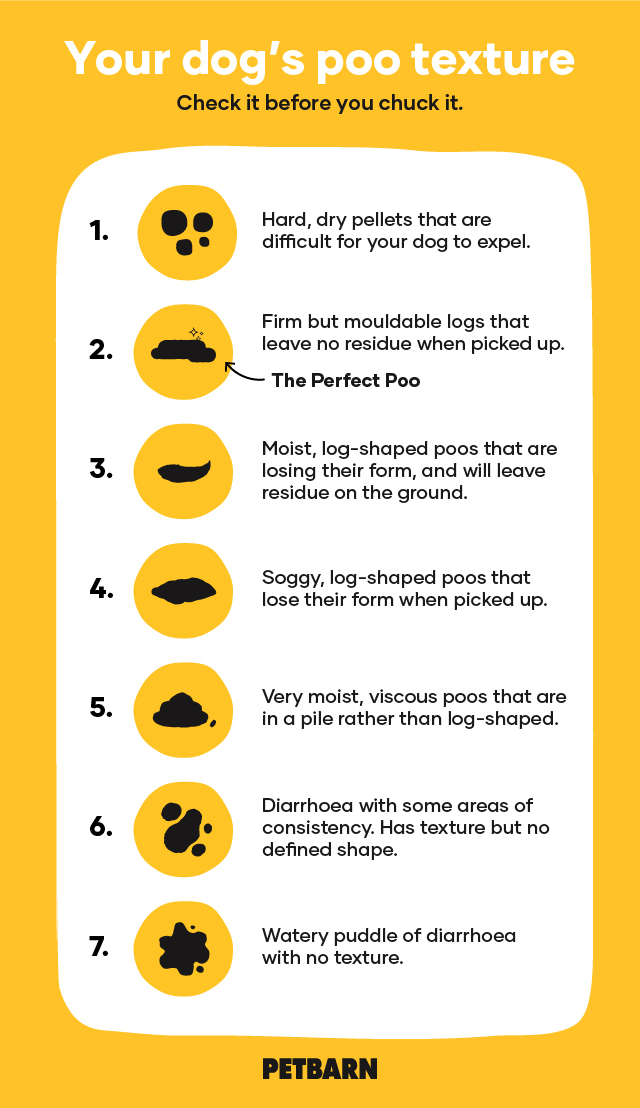
Credit: www.petbarn.com.au
Recommended Dog Food Brands
Choosing the right dog food brand helps ease your dog’s hard poop issues. Good dog food supports digestion and stool softness. Some brands focus on fiber, probiotics, or special digestion formulas. These help keep your dog comfortable and healthy. Below are trusted dog food types that work well for dogs with hard stools.
High-fiber Formulas
High-fiber dog foods add bulk to your dog’s stool. Fiber helps water hold in the stool, making it softer. Brands like Blue Buffalo and Hill’s Science Diet offer high-fiber options. These foods often use natural ingredients like pumpkin or beet pulp. They support regular bowel movements and ease constipation.
Probiotic-enriched Choices
Probiotics improve your dog’s gut health by adding good bacteria. This balances digestion and reduces hard stools. Brands such as Purina Pro Plan and Wellness include probiotics in their recipes. These choices help your dog digest food better and keep stools soft. Probiotics also boost your dog’s immune system.
Specialty Digestive Health Lines
Specialty digestive health dog foods focus on sensitive stomachs and digestion issues. Brands like Royal Canin and Natural Balance create these formulas. They contain gentle ingredients that support gut health and stool quality. These foods often have added enzymes or prebiotics to help digestion. They work well for dogs with chronic hard poop problems.
Homemade Remedies And Additives
Hard poop can be uncomfortable for dogs and worrying for owners. Many natural home remedies and additives help soften stool. These options support your dog’s digestion safely. They also add nutrients to your dog’s diet. Try these easy and effective remedies to improve your dog’s bowel health.
Adding Pumpkin Or Sweet Potato
Pumpkin and sweet potato are rich in fiber. Fiber helps soften stool and supports healthy digestion. Cooked, plain pumpkin or sweet potato works best. Add a small amount to your dog’s regular food. Start with a teaspoon and increase gradually. These vegetables provide moisture and ease bowel movements. Avoid canned pumpkin pie mix. It contains sugar and spices harmful to dogs.
Using Coconut Oil
Coconut oil improves digestion and adds healthy fats. It can help lubricate the intestines and soften stool. Use virgin, cold-pressed coconut oil for best results. Add about half a teaspoon per 10 pounds of body weight daily. Mix it into your dog’s food. Watch for any allergic reactions or loose stools. Coconut oil also supports your dog’s skin and coat health.
Natural Supplements
Natural supplements like psyllium husk and slippery elm support digestion. Psyllium husk is a fiber that absorbs water and softens stool. Slippery elm coats the digestive tract and eases bowel movements. Use these supplements in recommended amounts. Consult your vet before starting any new supplement. Natural supplements help maintain regular, healthy poops over time.
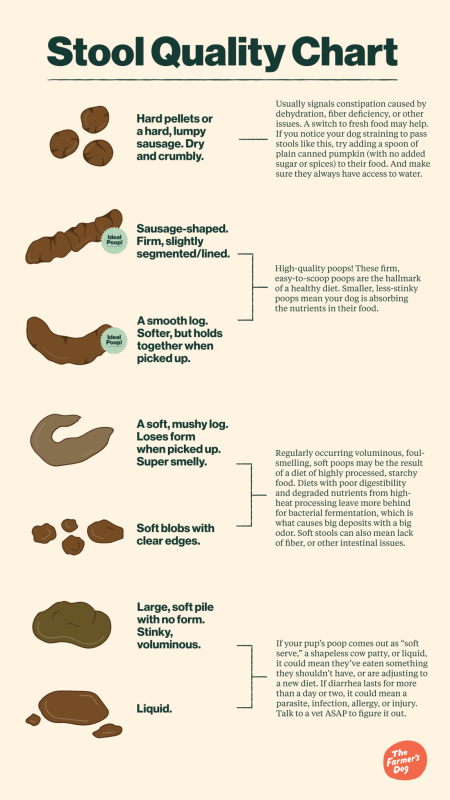
Credit: www.dogfoodadvisor.com
Tips For Improving Your Dog’s Digestion
Improving your dog’s digestion helps prevent hard poop and keeps your pet healthy. Simple changes in daily habits can make a big difference. Start with easy steps to support your dog’s digestive system.
These tips focus on feeding, water intake, exercise, and diet changes. Each step helps your dog’s body work better and feel more comfortable.
Consistent Feeding Schedule
Feed your dog at the same times every day. This routine helps the digestive system work smoothly. Avoid giving food outside scheduled times. Regular meals reduce digestive stress and promote regular bowel movements.
Ensuring Proper Hydration
Water softens stool and aids digestion. Always provide fresh, clean water for your dog. Check water bowls often and refill them. Good hydration prevents hard, dry poop and supports overall health.
Regular Exercise
Exercise helps move food through the digestive tract. Take your dog for walks or play daily. Activity reduces constipation and improves digestion. Even light exercise makes a difference in bowel health.
Monitoring And Adjusting Diet
Watch how your dog reacts to food changes. Some ingredients cause hard stools. Include fiber-rich foods to improve digestion. Consult your vet before major diet changes. Adjustments keep digestion smooth and prevent hard poop.
When To See A Veterinarian
Hard poop in dogs can signal problems beyond diet. Knowing when to see a veterinarian helps keep your pet healthy. Some signs need quick attention to avoid serious issues.
Persistent Digestive Issues
Hard stool that lasts more than a week needs a vet check. Constipation, straining, or pain during bathroom visits are warning signs. The vet can find causes and suggest treatment.
Signs Of Underlying Health Problems
Look for blood in stool, vomiting, or loss of appetite. Weight loss or lethargy also means a vet visit is needed. These signs may point to illness needing prompt care.
Diagnostic Tests
Veterinarians may run stool exams, blood tests, or X-rays. These tests help identify infections, blockages, or organ issues. Early diagnosis improves treatment success and your dog’s comfort.
Frequently Asked Questions
What Causes Hard Poop In Dogs?
Hard poop in dogs often results from dehydration, low fiber intake, or digestive issues. Poor diet and insufficient water can lead to constipation, making stools dry and hard. Identifying the cause helps in selecting the best dog food to improve digestion and stool consistency.
How Does Dog Food Affect Stool Hardness?
Dog food quality and ingredients directly impact stool softness. Foods rich in fiber and moisture promote healthy digestion and softer stools. Low-fiber or overly processed foods may cause hard, dry poop. Choosing the right diet is key to preventing constipation in dogs.
Which Ingredients Help Soften Dog Poop?
Ingredients like pumpkin, sweet potatoes, and beet pulp add fiber and moisture. Omega-3 fatty acids and probiotics also support gut health and digestion. Including these in dog food can help regulate bowel movements and prevent hard stools effectively.
Can Hydration Improve My Dog’s Poop Consistency?
Yes, proper hydration is crucial for soft poop. Water helps break down food and moves waste through the digestive tract smoothly. Always provide fresh water and consider wet or moist dog food to increase fluid intake and ease constipation.
Conclusion
Choosing the best dog food helps your pet stay healthy and happy. Hard poop can mean your dog needs more fiber or moisture. Good food supports digestion and eases bowel movements. Always check ingredients and pick natural options. Watch your dog’s reaction to new food carefully.
A balanced diet keeps your dog comfortable every day. Simple changes in food can make a big difference. Your dog deserves the best care you can give. Keep learning and adjusting to find what works well. Healthy poop means a happy dog and peace of mind.