If you want your dog to listen, behave, and be a joy to be around, finding the best dog training in St Louis is key. You might feel overwhelmed by all the options out there, but don’t worry—this guide will help you discover the right training that fits your dog’s needs and your lifestyle.
Whether your pup is a playful puppy or a stubborn adult, the right training can make a huge difference. Keep reading to learn how you can turn your furry friend into the well-behaved companion you’ve always wanted.
Choosing The Right Trainer
Choosing the right dog trainer in St Louis is a key step to help your dog learn good behavior. A good trainer can make training easier and more fun for both you and your dog. It is important to find someone who fits your dog’s needs and your training goals. Take time to explore your options carefully.
Certified Trainers In St Louis
Certified trainers have completed special courses in dog training. This means they know safe and effective methods. Look for trainers with certificates from recognized groups. Certified trainers often keep learning to stay updated. Their experience helps them handle many dog types and problems.
Training Styles To Consider
Different trainers use different styles. Some use treats and praise to teach good behavior. Others may use more strict methods. Positive reinforcement is a popular and gentle style. It encourages dogs to repeat good actions. Choose a style that feels right for your dog’s personality.
Local Training Facilities
Local training centers offer classes and private sessions. A nearby facility is easier to visit regularly. Check if the place is clean and safe for dogs. Good facilities have space for dogs to move and learn. Ask about class size and the trainer’s attention to each dog.

Credit: dogtrainingelite.com
Essential Training Tools
Training a dog in St Louis needs the right tools. These tools help your dog learn fast and behave well. Good tools make training clear and fun for your dog. They also keep your dog safe during lessons.
Collars And Leashes
Strong collars and leashes are key for control. They help guide your dog gently. Choose collars that fit well, not too tight or loose. Leashes should be sturdy but light. This keeps your dog safe on walks and during training.
Treats And Rewards
Tasty treats motivate dogs to listen and follow commands. Use small, soft treats that your dog likes. Rewards should come right after good behavior. This helps your dog understand what you want. Praise and petting also make great rewards.
Clickers And Toys
Clickers make training clear and fast. The clicking sound tells your dog it did well. Toys add fun and keep your dog interested. Use toys to reward and play after training. This builds a strong bond between you and your dog.
Basic Commands For Quick Results
Teaching your dog basic commands helps build a strong bond fast. These commands improve behavior and keep your dog safe. Simple words and clear actions make training easy for both of you.
Start with short sessions. Practice daily and reward good behavior. Consistency brings quick results and makes learning fun.
Sit And Stay
“Sit” is the first command every dog should learn. It helps calm your dog and gain control. Use a treat to guide your dog’s bottom to the ground. Say “sit” clearly and reward immediately.
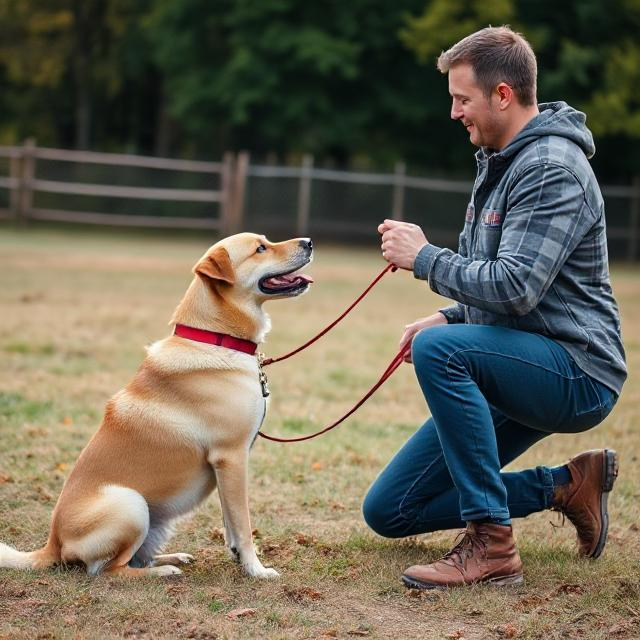
“Stay” teaches your dog to wait patiently. After your dog sits, show your open hand and say “stay.” Take a small step back. Return quickly and reward if your dog stays put.
Come And Heel
“Come” keeps your dog close and safe. Call your dog’s name, then say “come” in a happy voice. Use treats and praise when your dog reaches you. Practice in safe, quiet areas first.
“Heel” means walking close by your side. Hold a treat near your leg. Say “heel” and start walking. Reward your dog for staying near. This command makes walks calmer and more fun.
Leave It And Drop It
“Leave it” stops your dog from picking up bad things. Hold a treat in a closed fist. Say “leave it” and wait. When your dog stops trying, give a different treat as a reward.
“Drop it” helps your dog release items safely. Offer a treat and say “drop it.” Trade the item for the treat. This command protects your dog from dangerous objects.

Credit: 4leggedkids.com
Consistency And Routine
Consistency and routine are key to successful dog training in St Louis. Dogs learn best when they know what to expect each day. Following a steady schedule helps dogs understand commands faster and behave better.
Training becomes easier when sessions happen regularly. Dogs feel secure with clear rules and daily practice. This creates a strong bond between you and your dog.
Daily Training Sessions
Short training sessions every day help your dog learn quickly. Ten to fifteen minutes is enough time to focus. Daily practice keeps commands fresh in your dog’s mind. Avoid long sessions that may tire your dog or cause boredom.
Setting Realistic Goals
Set simple and clear goals for each training session. Start with basic commands like sit, stay, or come. Small steps build your dog’s confidence. Achieving goals motivates both you and your dog.
Involving The Family
Include all family members in training routines. Consistent commands from everyone prevent confusion for your dog. Family participation strengthens teamwork and improves results. Everyone learns how to handle and reward the dog properly.
Handling Common Challenges
Handling common challenges during dog training in St Louis requires patience and clear methods. Training is not just teaching commands. It involves understanding your dog’s feelings and reactions. Many dog owners face similar issues. Knowing how to address them helps create a stronger bond with your pet.
Dealing With Distractions
Distractions can break your dog’s focus quickly. Loud noises, other animals, or people may catch their attention. Start training in quiet places to build concentration. Gradually add distractions as your dog improves. Use treats and praise to keep them engaged. Short, frequent sessions work best to maintain focus.
Managing Barking And Jumping
Barking and jumping can be signs of excitement or anxiety. Teach your dog to sit calmly before greeting people. Reward quiet behavior and ignore unwanted barking. Use commands like “off” or “quiet” consistently. Patience and repetition will reduce these behaviors over time.
Overcoming Fear And Anxiety
Fear and anxiety affect many dogs during training. Identify what scares your dog and avoid forcing them. Use gentle encouragement and positive reinforcement to build confidence. Create a safe space where your dog feels secure. Gradual exposure to new situations helps reduce anxiety slowly.
Advanced Training Tips
Advanced training helps your dog behave well in many situations. It builds on basic skills. These tips improve your dog’s focus and control. Training becomes more fun and challenging for both of you.
Proofing Commands
Proofing means practicing commands in different places. It teaches your dog to obey anywhere. Start in quiet rooms, then try parks or busy streets. Use treats and praise to keep your dog interested. Repeat commands until your dog responds well every time.
Off-leash Training
Off-leash training lets your dog explore safely. It needs strong recall skills. Start in a fenced area with short distances. Call your dog often and reward quick returns. Increase distance slowly. Always stay calm and patient during practice.
Introducing Agility Exercises
Agility training builds your dog’s strength and focus. Use simple obstacles like tunnels and jumps. Guide your dog through each obstacle step-by-step. Keep sessions short and fun. Agility improves your dog’s confidence and mental sharpness.
Resources And Support In St Louis
St Louis offers many resources and support for dog owners. These help with training and caring for dogs. You can find groups, online help, and expert advice. Each of these supports makes training easier and more fun.
Access to these resources helps build a strong bond with your dog. Training becomes more effective with the right support around you.
Dog Training Clubs
Dog training clubs in St Louis bring owners together. They offer classes for basic and advanced training. Clubs often hold events to practice skills and socialize dogs. Joining a club creates a community of dog lovers. Learning in groups helps dogs stay motivated and focused.
Online Communities
Online communities connect dog owners across St Louis. These groups share tips, advice, and success stories. Members ask questions about behavior and training methods. Online support is available anytime, day or night. It is a good way to learn from many experiences.
Veterinary Recommendations
Veterinarians in St Louis often suggest trusted trainers. They know which methods work best for different breeds. Vets also help with health issues that affect training. Following their advice ensures a safe and healthy approach. It is smart to consult vets before starting training plans.
Credit: trustanalytica.org
Frequently Asked Questions
What Makes Dog Training In St Louis Unique?
Dog training in St Louis combines expert trainers with diverse methods. The city offers personalized sessions and group classes. Trainers use positive reinforcement tailored to local dog breeds and lifestyles, ensuring effective and friendly learning experiences for dogs and owners.
How Much Does Dog Training Cost In St Louis?
Dog training costs in St Louis vary by program type. Group classes range from $100 to $200. Private sessions typically cost between $50 and $120 per hour. Prices depend on trainer experience, session length, and training goals.
Which Dog Training Methods Work Best In St Louis?
Positive reinforcement is the most effective method in St Louis. It encourages desired behavior through rewards and praise. Trainers avoid harsh techniques, focusing on kindness and consistency. This approach builds trust and lasting obedience in dogs.
Where Can I Find Top-rated Dog Trainers In St Louis?
Top-rated dog trainers in St Louis are found through online reviews, local pet stores, and vet referrals. Many trainers offer free consultations. Checking certifications and client testimonials ensures quality training services for your dog.
Conclusion
Choosing the right dog training in St Louis helps build a strong bond. Consistent training brings good behavior and happy pets. Trustworthy trainers use clear methods that dogs understand. Start training early to see quick, positive results. Your dog deserves patience and care every step.
Good training makes life easier for both of you. Enjoy your time together with a well-trained dog. Simple steps lead to great progress and joy.