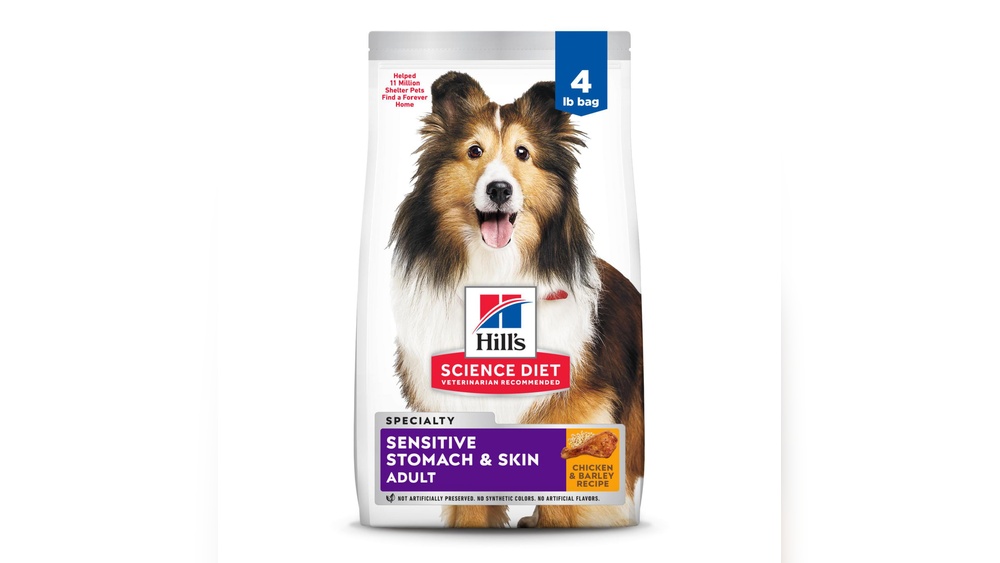
If your dog struggles with a sensitive stomach, you know how tough it can be to find the right food. Many dog foods contain chicken, which often causes upset tummies and discomfort.
You want to give your furry friend meals that are gentle, nutritious, and tasty—without the chicken. You’ll discover the best dog food options designed specifically for sensitive stomachs that skip chicken entirely. Keep reading to help your dog feel better and enjoy mealtime again.
Causes Of Sensitive Stomach In Dogs
Sensitive stomachs in dogs can cause discomfort and affect their health. Understanding the causes helps in choosing the right food. Many factors can lead to digestive problems in dogs. Identifying these causes is key to managing their diet well.
Common Digestive Issues
Many dogs face digestive troubles like upset stomach, vomiting, or diarrhea. These issues often come from eating too fast or swallowing air. Parasites and infections can also cause stomach problems. Stress and sudden diet changes may upset their digestion.
Food Allergies And Intolerances
Some dogs react badly to certain foods. Chicken is a common allergen for many sensitive dogs. Allergies can cause itching, skin problems, and stomach upset. Food intolerance leads to poor digestion and discomfort without immune reaction.
Environmental Factors
Changes in the environment impact a dog’s stomach health. Pollution, chemicals, and toxins can irritate the digestive system. Stress from loud noises or new places may also cause stomach issues. Clean surroundings and calm settings help keep dogs healthy.

Credit: www.hillspet.com
Why Avoid Chicken In Dog Food
Many dogs have sensitive stomachs that react badly to certain foods. Chicken is a common ingredient in dog food, but it can cause problems for some pets. Avoiding chicken in dog food helps reduce stomach upset and allergies. Choosing the right food supports your dog’s health and comfort.
Chicken Allergies In Dogs
Chicken is one of the top causes of food allergies in dogs. Dogs with chicken allergies may scratch, lick, or bite their skin often. They can also suffer from vomiting and diarrhea. These symptoms show that the dog’s immune system reacts to chicken proteins. Avoiding chicken helps prevent these allergic reactions and keeps dogs feeling better.
Alternatives To Chicken Protein
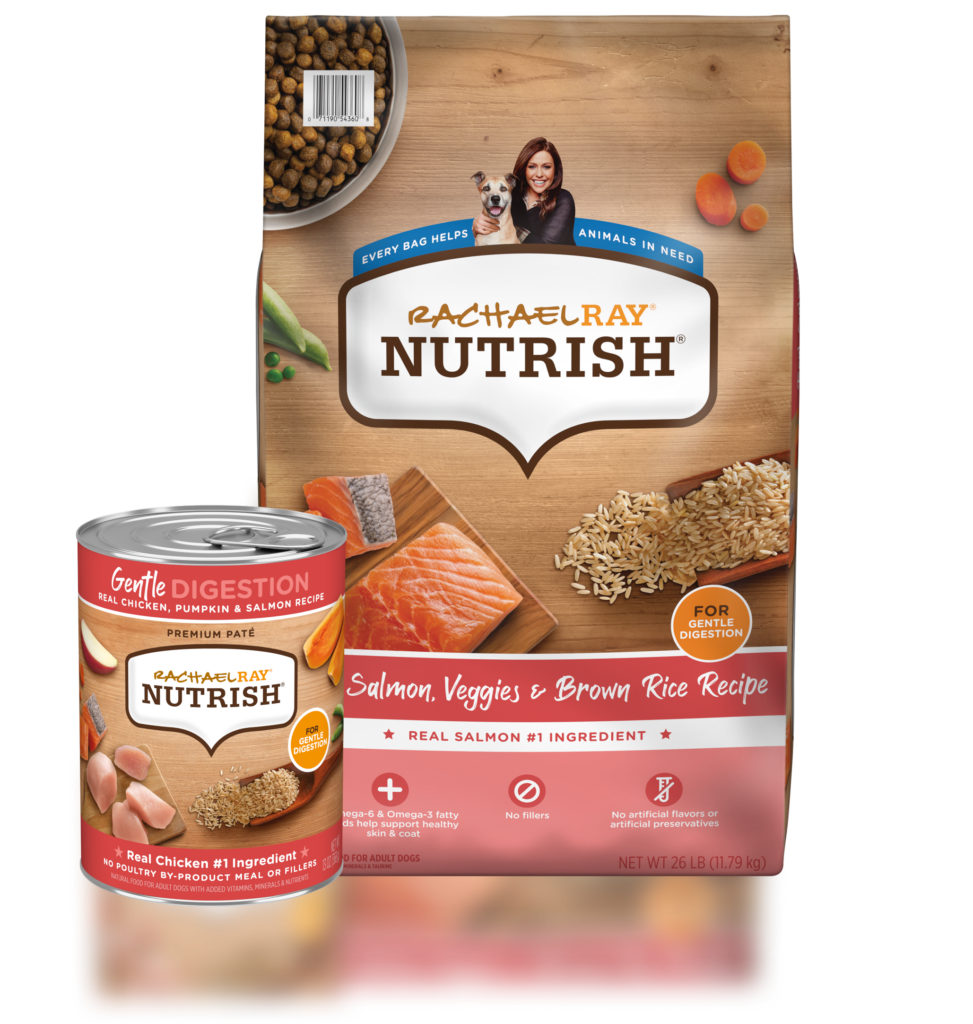
Many dog foods use other proteins instead of chicken. Fish, lamb, and turkey are good choices for sensitive dogs. These options are easier to digest and less likely to cause allergies. Some dog foods also use novel proteins like duck or venison. These alternatives support healthy digestion and reduce stomach problems.
Key Ingredients For Sensitive Stomach Diets
Choosing the right ingredients for a dog with a sensitive stomach makes a big difference. These ingredients help reduce stomach upset and improve digestion. Sensitive stomach diets avoid harsh components that cause irritation. Instead, they focus on simple, gentle foods that support gut health and comfort.
Gentle Protein Sources
Protein is essential for dogs, but some proteins can irritate the stomach. Gentle proteins like turkey, lamb, fish, and duck are easier to digest. These proteins provide good nutrition without causing digestive problems. Avoiding chicken helps many dogs that react to common proteins. Gentle proteins support muscle health and keep your dog strong.
Easily Digestible Carbohydrates
Carbohydrates give dogs energy, but some types upset sensitive stomachs. Rice, sweet potatoes, and oats digest slowly and gently. These carbs reduce stomach irritation and provide steady energy. Avoid complex grains or fillers that cause gas or bloating. Easily digestible carbs help maintain smooth digestion and better nutrient absorption.
Soothing Additives And Supplements
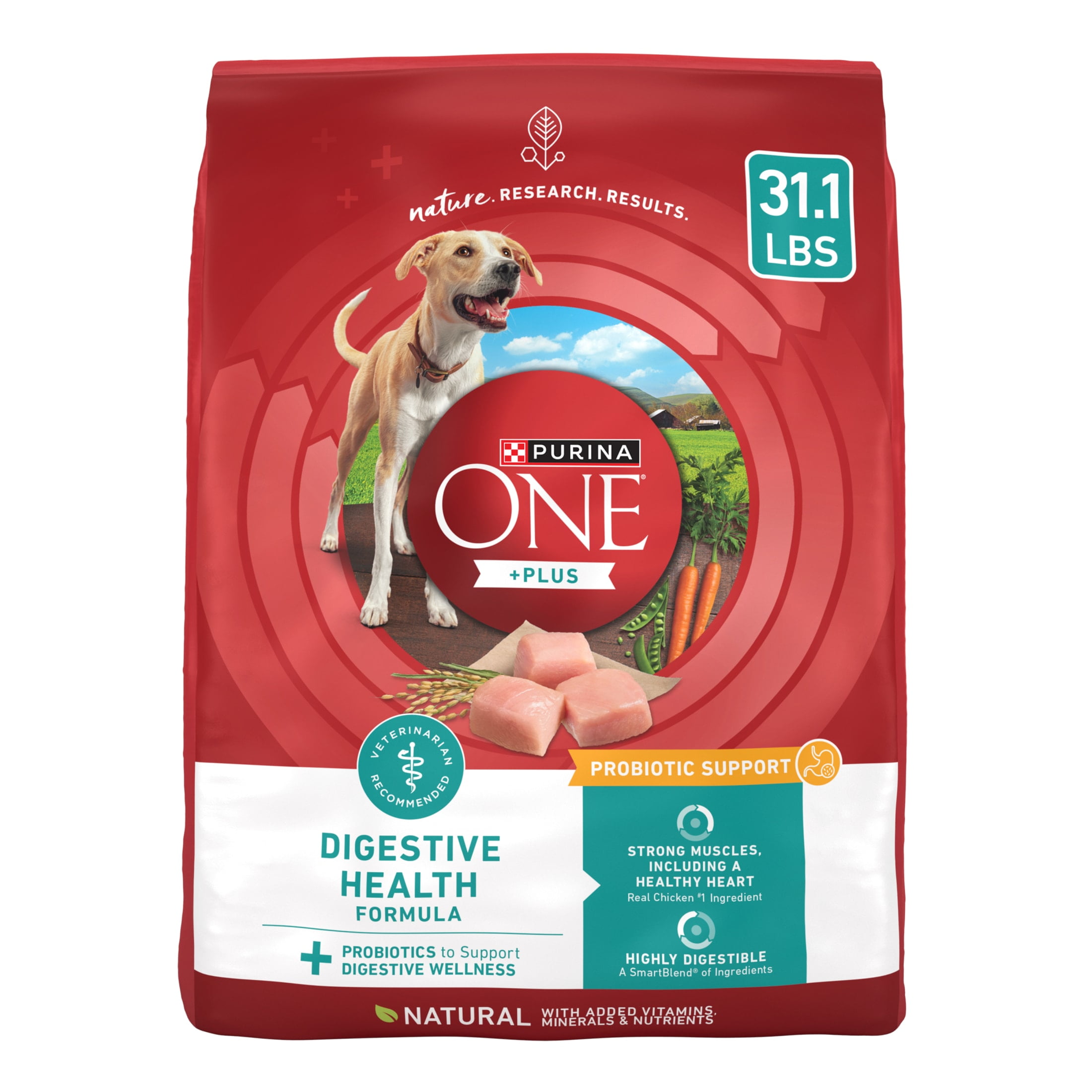
Soothing ingredients calm the digestive system and reduce discomfort. Ingredients like pumpkin, aloe vera, and slippery elm coat the stomach lining. Probiotics and prebiotics support healthy gut bacteria. These additives improve digestion and reduce inflammation. Including soothing supplements helps sensitive dogs feel better quickly.
Credit: www.walmart.com
Top Dog Foods Without Chicken
Choosing the right dog food without chicken is important for dogs with sensitive stomachs. Chicken can cause allergies or upset tummies in some dogs. Finding safe, healthy alternatives helps keep your dog happy and well. Here are top dog food options that do not contain chicken.
Grain-free Options
Grain-free dog foods avoid wheat, corn, and soy. These grains can cause stomach problems in sensitive dogs. Grain-free recipes often use potatoes, peas, or lentils instead. These ingredients are easier to digest and gentle on the stomach. Many grain-free dog foods use fish, lamb, or beef as protein sources. These options reduce the risk of chicken allergies.
Limited Ingredient Diets
Limited ingredient diets use fewer ingredients to reduce allergies. They often contain one protein and one carbohydrate source. This simplicity helps identify and avoid problem foods. These diets usually avoid chicken and focus on proteins like turkey or duck. Limited ingredient foods are easy on sensitive stomachs and reduce digestive issues.
Prescription And Veterinary Formulas
Prescription dog foods target specific health problems. Vets recommend these for dogs with food sensitivities or allergies. These formulas often exclude chicken and use novel proteins. Examples include venison, salmon, or rabbit. Prescription diets are scientifically balanced to support digestion and overall health. Always follow your vet’s advice when using these foods.
Tips For Transitioning To New Dog Food
Switching your dog’s food requires care, especially for sensitive stomachs. Sudden changes can upset digestion and cause discomfort. A smooth transition helps your dog adjust well. Patience and observation are key to success.
Gradual Introduction Methods
Start by mixing a small amount of new food with the old food. Use about 25% new food and 75% old food for the first few days. Slowly increase the new food portion over 7 to 10 days. This slow change helps your dog’s stomach adapt. Avoid switching the food too fast to prevent digestive issues.
Monitoring Your Dog’s Reaction
Watch for any signs of stomach upset like vomiting or diarrhea. Check your dog’s energy levels and appetite daily. If you notice problems, slow down the transition or pause it. Keep track of bowel movements to spot changes in consistency. Consult a vet if issues continue beyond a week.
Homemade Recipes For Sensitive Stomachs
Homemade recipes can be a great choice for dogs with sensitive stomachs. You control the ingredients and avoid chicken, a common allergen. Cooking at home lets you use fresh, gentle foods that are easy to digest. This helps keep your dog’s tummy calm and happy.
Simple recipes with limited ingredients reduce the chance of upset. Preparing meals at home also ensures your dog eats nutritious, balanced food. This approach can improve digestion and overall health.
Simple Protein And Veggie Meals
Start with a single protein source like turkey, fish, or lamb. These proteins are less likely to cause stomach issues. Cook the meat thoroughly without adding spices or oil.
Add easy-to-digest vegetables like pumpkin, zucchini, or carrots. These veggies provide fiber and vitamins for your dog’s health. Steam or boil the vegetables to soften them well.
Mix the protein and veggies in small portions. Serve at room temperature to avoid upsetting your dog’s stomach. This simple meal supports digestion and avoids chicken.
Safe Treats And Snacks
Choose treats made from limited ingredients. Freeze small pieces of cooked sweet potato or plain apple slices.
Rice cakes or plain rice treats are gentle on the stomach. Avoid treats with artificial flavors or fillers.
Homemade bone broth is a soothing snack. It provides hydration and nutrients without chicken. Keep treats small and simple to maintain digestive health.
When To Consult A Veterinarian
Knowing when to consult a veterinarian is important for dogs with sensitive stomachs. Changes in eating habits or digestion can signal health issues. Timely advice from a vet helps avoid serious problems and ensures your dog stays healthy.
Signs Of Persistent Digestive Problems
Watch for vomiting that lasts more than two days. Diarrhea that continues or gets worse needs attention. Loss of appetite or refusal to eat may mean illness. If your dog shows these signs, visit the vet promptly.
Severe Allergic Reactions
Swelling of the face, lips, or eyes is serious. Hives or difficulty breathing are urgent symptoms. These may happen after eating certain foods. Seek emergency veterinary care immediately to protect your dog.
Sudden Weight Loss Or Weakness
Unexpected weight loss can indicate internal problems. Weakness or lethargy means your dog is unwell. These signs require a professional checkup. The vet will find the cause and suggest treatment.
Changes In Stool Appearance
Blood in stool or very dark stools are warning signs. Persistent constipation or very loose stools need evaluation. These symptoms may reflect diet issues or illness. A vet can diagnose and recommend proper care.
Behavioral Changes Related To Eating
Reluctance to eat or chew may show pain. Excessive drooling or pawing at the mouth needs checking. Sudden food refusal can signal discomfort or sickness. Professional advice ensures your dog’s comfort and health.
Credit: www.nutrish.com
Frequently Asked Questions
What Ingredients Are Best For Sensitive Stomach Dog Food?
Ingredients like rice, sweet potatoes, and pumpkin soothe sensitive stomachs. Avoid common allergens such as chicken, dairy, and wheat. Look for limited ingredient dog foods to reduce digestive issues and promote gut health.
Why Avoid Chicken In Dog Food For Sensitive Stomachs?
Chicken can cause allergies or digestive upset in some dogs. It’s a common protein allergen triggering vomiting, diarrhea, or itchy skin. Choosing chicken-free dog foods helps manage sensitivities and improves digestion for sensitive stomach dogs.
Are Grain-free Dog Foods Better For Sensitive Stomachs?
Grain-free dog foods can help reduce digestive problems for sensitive dogs. Grains like corn or wheat may cause allergies or intolerance. However, consult your vet before switching to grain-free options to ensure balanced nutrition.
How To Transition Dog To Chicken-free Sensitive Stomach Food?
Switch gradually over 7-10 days by mixing increasing amounts of new food. Monitor for any digestive issues like vomiting or diarrhea. A slow transition helps avoid stomach upset and lets your dog adjust to new ingredients.
Conclusion
Choosing the right food helps your dog feel better every day. Sensitive stomachs need gentle ingredients without chicken. Safe, healthy meals support digestion and energy. Watch how your dog reacts to new food. Patience and care make a big difference.
Good food means a happy, active dog. Keep your pet’s needs in mind always. Simple changes can improve your dog’s health. Trust your choice and enjoy the journey together.