
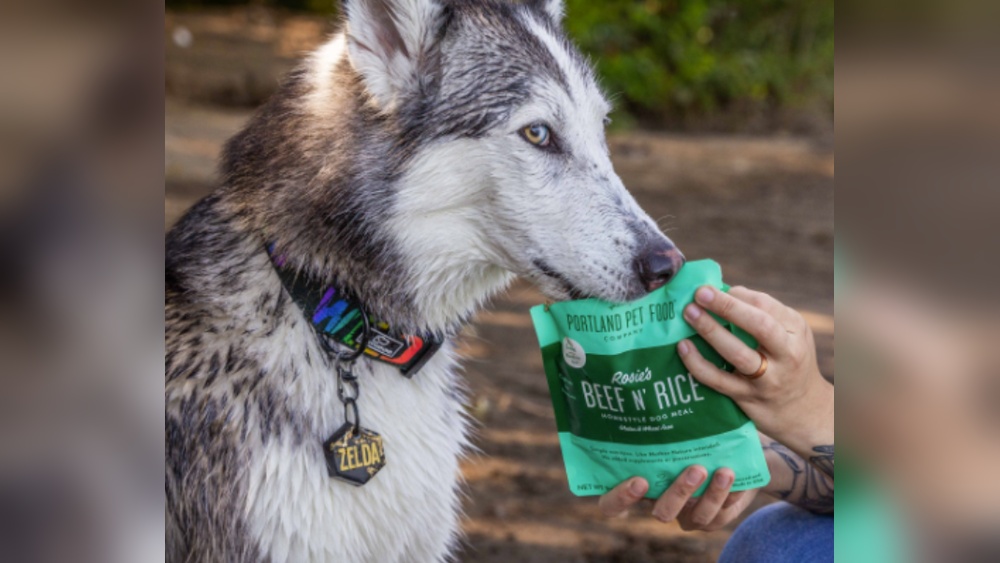
If your dog turns up their nose at every meal or struggles with tummy troubles, finding the right food can feel like a constant battle. You want to give your furry friend meals they enjoy without upsetting their sensitive stomach.
But how do you choose the best dog food that’s both tasty and gentle? This guide will help you discover the top options designed specifically for picky eaters with sensitive digestion. Keep reading to make mealtime stress-free and satisfying for your beloved pet.
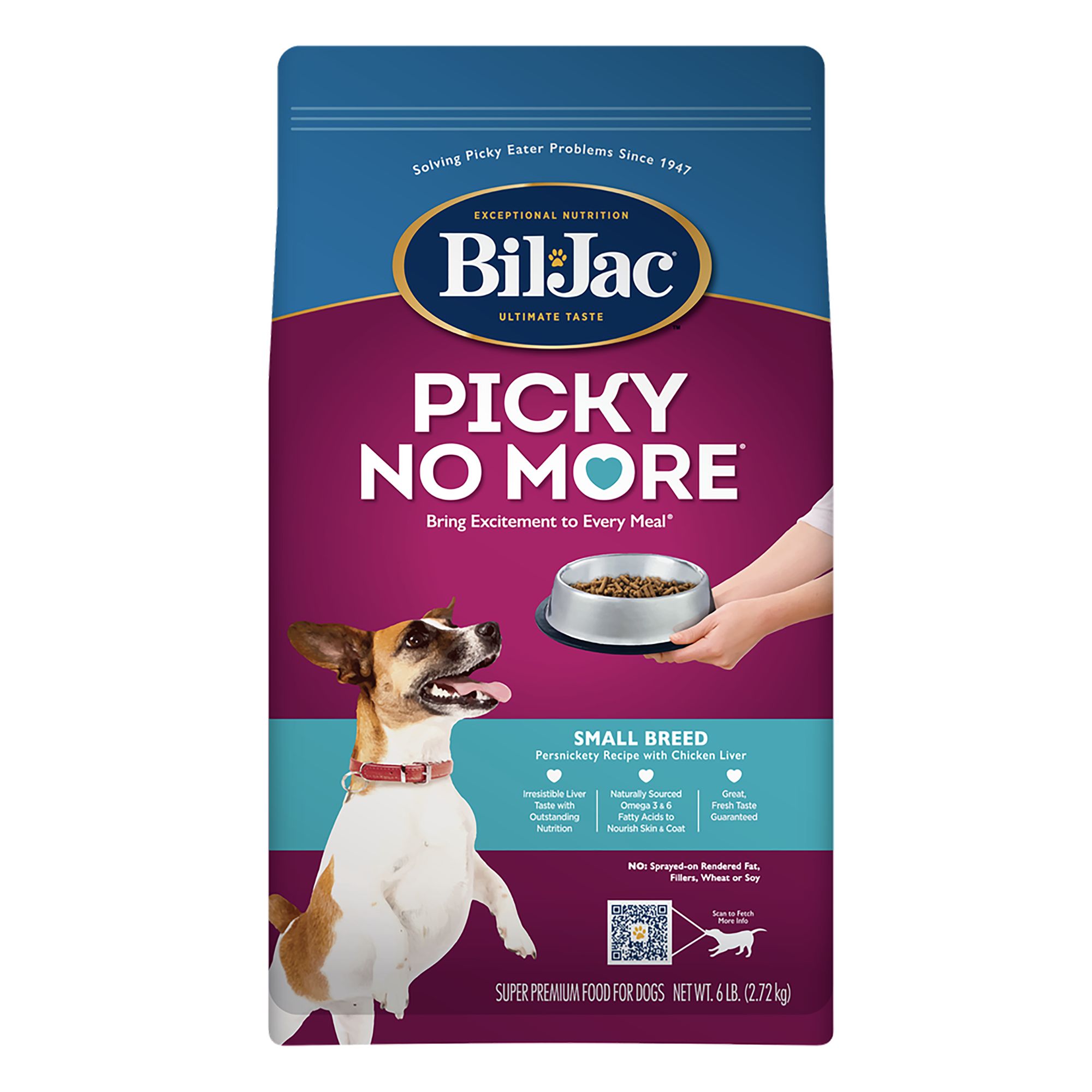
Credit: www.petsmart.com
Causes Of Picky Eating In Dogs
Picky eating in dogs can be a real challenge for many pet owners. Understanding why your dog refuses food is the first step to helping them. Several reasons can cause picky eating, especially in dogs with sensitive stomachs. These reasons range from health problems to simple preferences. Knowing these causes helps in choosing the right food and care.
Health Issues Impacting Appetite
Health problems often reduce a dog’s desire to eat. Stomach pain, dental issues, or infections can make eating uncomfortable. Dogs with allergies or digestive problems may avoid certain foods. Illnesses like kidney or liver disease also affect appetite. A vet check is important if your dog suddenly stops eating.
Behavioral Factors
Some dogs develop picky habits from their behavior. Stress or changes in the home can cause food refusal. Overfeeding treats may lead to less interest in regular meals. Dogs sometimes learn to hold out for tastier food. Training and routine can help reduce picky eating caused by behavior.
Taste And Texture Preferences
Dogs have their own likes and dislikes for taste and texture. Some prefer wet food over dry kibble. Others dislike strong smells or certain flavors. Texture matters too; crunchy or soft food can affect their choice. Offering different types helps find what your dog enjoys most.
Challenges Of Sensitive Stomachs
Choosing the best dog food for picky eaters with sensitive stomachs can be tough. Sensitive stomachs bring many challenges. Dogs may refuse food or suffer digestive issues. Careful food selection is important for their health and comfort.
Common Digestive Problems
Dogs with sensitive stomachs often face diarrhea and vomiting. Gas and bloating can cause discomfort. Some dogs may have constipation or loose stools. These problems make feeding time stressful for owners and pets.
Ingredients To Avoid
Certain ingredients can upset sensitive stomachs. Artificial colors and preservatives often cause reactions. High-fat foods may lead to digestive trouble. Wheat, corn, and soy are common allergens. Avoiding these helps reduce stomach issues.
Signs Of Food Sensitivities
Watch for itching, redness, or skin irritation. Vomiting and diarrhea after meals are clear signs. Frequent ear infections can also indicate food sensitivities. Recognizing these signs helps find the right diet.
Key Features Of Ideal Dog Food
Choosing the right dog food for picky eaters with sensitive stomachs requires careful attention. The ideal food must support digestion and appeal to your dog’s taste. It should also provide complete nutrition to keep your pet healthy and happy.
Gentle Ingredients
Dog food for sensitive stomachs should use mild ingredients. Avoid common allergens like wheat, corn, and soy. Ingredients like rice, sweet potatoes, and lean meats are easier to digest. Natural fibers help with digestion and reduce stomach upset.
Balanced Nutrition
Proper nutrition supports your dog’s overall health. The food must have the right mix of protein, fats, and carbohydrates. Vitamins and minerals are important for strong bones and immune health. Balanced nutrition helps maintain energy and a shiny coat.
Palatability And Texture
Picky eaters need food that tastes good and feels right. Soft or moist textures often appeal more to sensitive dogs. Flavors like chicken, beef, or lamb can entice reluctant eaters. A variety of textures keeps mealtime interesting and enjoyable.

Credit: www.amazon.com
Top Dog Food Picks For Picky Eaters
Picky eaters with sensitive stomachs need special dog food. Choosing the right food can improve their health and mood. The best options focus on easy digestion and strong taste.
Here are top dog food picks that suit picky eaters and protect sensitive stomachs. Each type offers benefits that help your dog enjoy mealtime.
Grain-free Options
Grain-free dog foods avoid wheat, corn, and soy. These ingredients often cause stomach upset. Grain-free recipes use vegetables and fruits instead. They reduce allergies and improve digestion. Many picky dogs prefer these flavors and textures.
Limited Ingredient Diets
Limited ingredient diets include fewer ingredients. They often contain one protein and one carb source. This simplicity helps reduce stomach problems. These diets make it easier to find food your dog likes. They also help identify any food allergies or sensitivities.
Wet Vs Dry Food Choices
Wet food has more moisture and stronger smells. This can attract picky eaters. It is easier to chew and digest for some dogs. Dry food helps keep teeth clean. It also lasts longer after opening. Mixing wet and dry food can balance taste and nutrition.
Homemade And Alternative Diet Ideas
Homemade and alternative diet ideas help manage picky eaters with sensitive stomachs. These diets offer control over ingredients, reducing the risk of allergens and irritants. Preparing food at home allows careful selection of gentle, nutritious components. Alternative diets may include special formulations designed for digestion and taste appeal.
Simple Recipes For Sensitive Stomachs
Cook plain chicken or turkey with rice for easy digestion. Use boiled vegetables like carrots or pumpkin for fiber and vitamins. Avoid spices, onions, and garlic, which can upset the stomach. Small portions served several times a day work best. Always introduce new foods slowly to monitor reactions.
Supplements To Enhance Appetite
Supplements can encourage eating and improve digestion. Probiotics help balance gut bacteria and ease stomach issues. Omega-3 fatty acids reduce inflammation and support overall health. Adding a bit of natural broth may increase food appeal. Always check supplement quality and dosage for safety.
Consulting A Veterinarian
A vet can guide diet plans for picky, sensitive dogs. They can rule out medical causes for poor appetite. Vets recommend tailored nutrition based on your dog’s needs. Regular check-ups track progress and adjust diets as needed. Professional advice ensures your dog stays healthy and happy.

Credit: www.yahoo.com
Tips To Encourage Eating Habits
Encouraging good eating habits helps picky dogs with sensitive stomachs eat better. Patience and small changes can make a big difference. Try simple tips to help your dog enjoy mealtime more.
These tips focus on making feeding easier and more pleasant. The goal is to reduce stress and improve digestion. Let’s explore some effective ways to encourage healthy eating habits.
Establishing A Feeding Routine
Feed your dog at the same times each day. A regular schedule helps build good habits. Dogs feel more secure with a routine. Avoid free feeding to keep your dog interested in meals. Set short meal times to encourage eating promptly. Remove food after 20 minutes to create healthy hunger.
Food Presentation Tricks
Serve food in a clean, quiet place. Use shallow bowls to ease eating. Warm the food slightly to enhance smell and taste. Mix dry and wet food for better texture. Add a small amount of plain broth to moisten dry food. Change bowl location sometimes to keep things fresh.
Avoiding Common Feeding Mistakes
Do not feed your dog human food or table scraps. Avoid giving too many treats between meals. Skip sudden diet changes to prevent stomach upset. Do not force your dog to eat. Watch for signs of food intolerance or allergies. Consult a vet if eating problems persist.
Frequently Asked Questions
What Ingredients Are Best For Sensitive Stomachs In Dogs?
Hypoallergenic proteins like turkey or duck are ideal for sensitive stomachs. Avoid fillers like corn and wheat. Fiber-rich ingredients like pumpkin aid digestion. Probiotics also support gut health. Choose dog food with natural, easily digestible ingredients for best results.
How To Choose Dog Food For Picky Eaters?
Select dog food with strong aroma and natural flavors to entice picky eaters. Wet food or mixing wet and dry food can increase appeal. Look for high-quality protein sources and avoid artificial additives. Gradually introduce new food to ensure acceptance.
Can Sensitive Stomach Dog Food Help With Allergies?
Yes, dog food formulated for sensitive stomachs often avoids common allergens. Limited ingredient diets reduce exposure to allergens. These foods can reduce symptoms like itching and digestive upset. Always consult a vet for allergy diagnosis and food recommendations.
Is Grain-free Dog Food Better For Sensitive Stomachs?
Grain-free dog food may help if your dog is allergic to grains. However, not all sensitive stomachs require grain-free options. Consult your vet before switching to grain-free diets. Balanced nutrition and digestibility are more important than just removing grains.
Conclusion
Finding the right food helps your dog feel better and eat well. Choose options with gentle ingredients for sensitive stomachs. Small changes can make a big difference in your pet’s health. Trust your dog’s reactions and adjust meals as needed.
Happy, healthy dogs enjoy their food and thrive daily. Keep patience and care as your guide. Every dog deserves meals that suit their needs perfectly.


