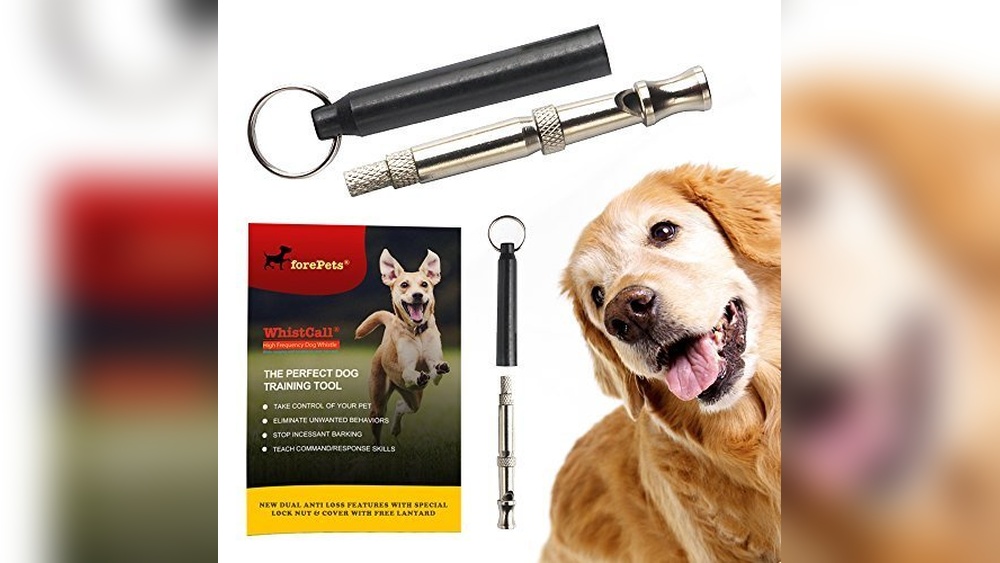
If you have a deaf dog, you know how challenging it can be to get their attention and keep them safe. A regular whistle might not work for your furry friend, but there’s a solution designed just for them.
Choosing the best whistle for a deaf dog can change the way you communicate and strengthen your bond like never before. You’ll discover simple, effective tools that make training and calling your dog easier and more reliable. Keep reading to find the perfect whistle that suits your dog’s unique needs and helps you both enjoy every moment together.

Credit: www.youtube.com
Why Use A Whistle For Deaf Dogs
Deaf dogs cannot hear sounds like other dogs. This makes training and communication harder. A whistle helps by using vibrations and light signals. It offers a clear way to get your dog’s attention. Using a whistle improves your bond and makes daily life easier. It is a smart tool for every deaf dog owner.
Benefits Of Whistle Training
Whistle training gives clear signals without loud noises. Deaf dogs respond better to vibrations and visual cues. It helps teach commands like “come” or “stop” safely. Using a whistle reduces stress for both dog and owner. It also improves your dog’s focus during training. Whistle training creates a calm and positive learning space.
How Whistles Communicate With Deaf Dogs
Deaf dogs feel the vibrations from a whistle. These vibrations catch their attention quickly. You can also use light or hand signals with the whistle. This combination makes communication simple and effective. The whistle acts as a cue for your dog to watch you. It helps your dog understand what you want clearly.
Credit: www.amazon.de
Types Of Whistles Suitable For Deaf Dogs
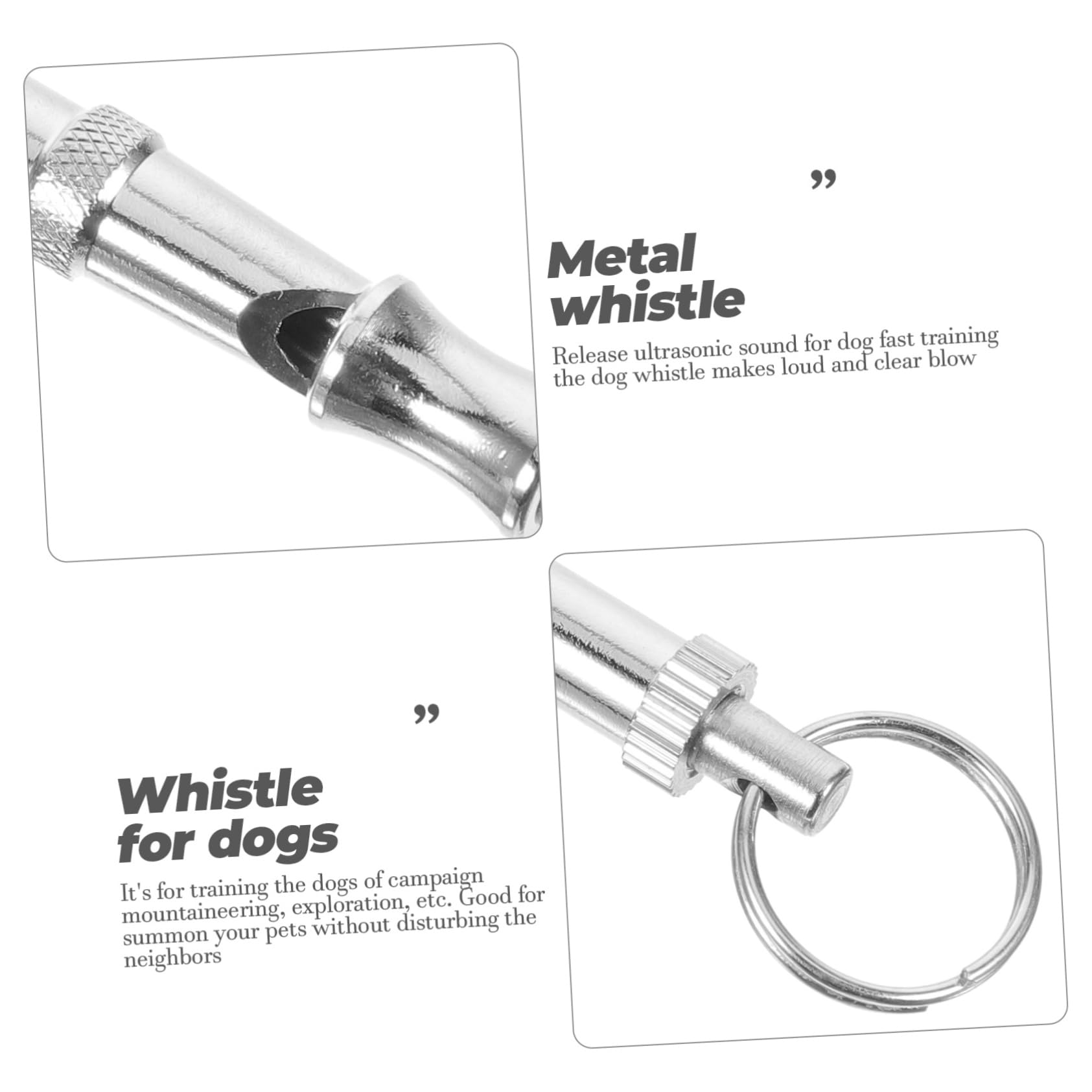
Choosing the right whistle for a deaf dog is different from picking one for hearing dogs. Deaf dogs cannot hear sound signals. They rely on other cues to understand commands. Whistles designed for deaf dogs use vibration or visual signals. These types help grab the dog’s attention effectively. Here are the main types of whistles suitable for deaf dogs.
Vibrating Whistles
Vibrating whistles create a strong vibration instead of sound. You hold or tap the whistle to make it buzz. The dog feels the vibration through the air or ground. This helps the dog notice your presence or command. Vibrating whistles are easy to use and safe. They work well for dogs that react to touch or movement.
Visual Signal Whistles
Visual signal whistles use light or color to catch the dog’s eye. Some have bright LED lights that flash when activated. Others have colorful flags or signals attached. These whistles work best in clear daylight or well-lit places. They help the dog see your signal from a distance. Visual cues are great for dogs that watch their owner closely.
Combination Whistles
Combination whistles mix vibration and visual signals. They buzz and flash lights at the same time. This dual approach increases the chance the dog notices the signal. Combination whistles suit dogs that respond to both touch and sight. They offer flexibility in different environments and situations. These whistles provide a reliable way to communicate with deaf dogs.
Key Features To Look For
Choosing the best whistle for a deaf dog means focusing on features that fit their unique needs. The right whistle uses vibration instead of sound to get your dog’s attention. This helps your dog respond better during training or daily walks.
Several key features make a whistle effective and easy to use. These features ensure comfort, durability, and clear signals for your dog.
Adjustable Vibration Intensity
Dogs have different sensitivities to vibration. A whistle with adjustable vibration levels allows you to find the right strength. This feature helps avoid discomfort for your dog. It also makes the whistle useful for different situations.
Durability And Build Quality
A good whistle lasts long and withstands daily use. Look for materials that resist water and impacts. Strong build quality means it won’t break easily. This saves money and keeps your training consistent.
Ease Of Use
The whistle should be simple to operate with one hand. Buttons or switches must be easy to press quickly. A lightweight design makes carrying and using the whistle comfortable. Easy use helps maintain your dog’s focus during training.
Top Whistle Picks For Deaf Dogs
Choosing the right whistle for a deaf dog can improve communication significantly. Vibrating whistles create a signal your dog can feel. These tools help train and guide your dog safely. The following picks are the best options for different needs and budgets.
Best Overall Vibrating Whistle
The best overall vibrating whistle offers strong vibrations and easy use. It has a durable design that lasts long. This whistle works well for dogs of all sizes. It gives clear signals without sound, perfect for deaf dogs. Many owners report quick training success with this tool.
Best Budget-friendly Option
A budget-friendly vibrating whistle provides good quality at a low price. It has simple settings and effective vibration strength. This whistle suits pet owners on a tight budget. It is lightweight and easy to carry. Despite the low cost, it remains reliable for daily use.
Best Multi-function Whistle
The best multi-function whistle combines vibration, sound, and light signals. This feature helps communicate in different situations. It is great for dogs with partial hearing or varying environments. The whistle is easy to operate and versatile. It offers more ways to get your dog’s attention quickly.
Tips For Training Deaf Dogs With Whistles
Training a deaf dog with a whistle can be very effective. It takes patience and clear methods. Using a whistle helps your dog notice commands without sound. Below are key tips to train your deaf dog using whistles.
Introducing The Whistle
Start by letting your dog see the whistle. Allow them to sniff and explore it. Blow the whistle softly near them. Watch their reaction and stay calm. Repeat often to build interest and trust.
Establishing Consistent Commands
Use the whistle for specific commands only. Choose simple signals like “come” or “stop.” Always use the same whistle pattern for each command. Practice regularly to help your dog learn quickly. Consistency makes training easier and clearer.
Combining Whistles With Visual Cues
Deaf dogs rely on sight as much as possible. Pair whistle sounds with hand signals or lights. Show a clear visual cue right after the whistle. This helps your dog connect the sound with the action. Use this method every time you train.

Credit: www.sumarse.org.pa
Common Challenges And Solutions
Training a deaf dog with a whistle has unique challenges. These challenges require simple solutions to ensure success. Understanding common issues helps make training easier and more effective.
Getting The Dog’s Attention
Deaf dogs cannot hear the whistle. Use vibrations or light signals instead. Tap the floor gently to create vibrations. Flash a flashlight to catch their eye. Combine these signals with the whistle for better results. Consistency helps your dog learn to respond.
Avoiding Overstimulation
Too many signals can confuse your dog. Keep training sessions short and calm. Use clear, simple signals only. Watch your dog for signs of stress. Stop training if your dog seems overwhelmed. Rest time helps prevent overstimulation.
Maintaining Training Consistency
Use the same signals every time. Train at the same time and place daily. Consistent routines build strong habits. Reward your dog immediately after a correct response. Consistency helps your dog understand what to do. Regular practice keeps skills sharp.
Frequently Asked Questions
What Makes A Whistle Best For A Deaf Dog?
The best whistle for a deaf dog uses strong vibrations or visual signals. It helps catch the dog’s attention effectively. Look for adjustable frequency and durability to suit your dog’s sensitivity and lifestyle.
How Do Vibration Whistles Help Deaf Dogs?
Vibration whistles emit strong vibrations that deaf dogs can feel. These vibrations act as cues, replacing sound signals. This method enhances communication and training by engaging the dog’s tactile senses.
Can A Deaf Dog Learn Whistle Commands?
Yes, deaf dogs can learn whistle commands through vibration or visual cues. Consistent training and positive reinforcement improve response. Using the right whistle type is key for success.
Are Vibration Or Ultrasonic Whistles Better For Deaf Dogs?
Vibration whistles are generally better for deaf dogs. They provide tactile feedback rather than sound. Ultrasonic whistles may not be effective if the dog cannot hear high frequencies.
Conclusion
Choosing the best whistle helps your deaf dog stay safe and happy. It makes communication clear and simple for both of you. A good whistle can build trust and improve training. Pick one that suits your dog’s needs and your lifestyle.
Small changes can bring big benefits to your dog’s life. Enjoy the bond you create with the right tool. Keep your dog close, even without sound.