
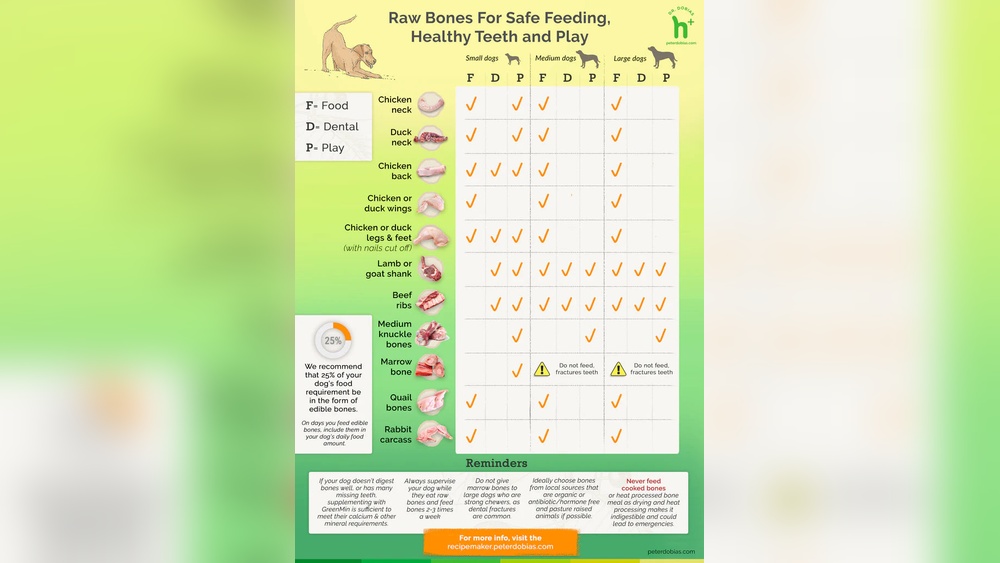
If you want to keep your dog happy and healthy, choosing the right bones is key. But with so many options out there, how do you know which bones are safe and beneficial for your furry friend?
You might worry about choking hazards or teeth damage, and that’s completely normal. You’ll discover the best bones that not only satisfy your dog’s natural chewing instincts but also support their overall health. Keep reading to find out how to pick the perfect bone that your dog will love—and you’ll feel good giving.

Credit: www.acabonacfarms.com
Why Chewing Matters
Chewing is not just a fun activity for dogs. It plays a key role in their health and happiness. Dogs have a strong urge to chew, and meeting this need helps them in many ways. Understanding why chewing matters can guide you in choosing the best bones for your dog.
Dental Health Benefits
Chewing helps clean a dog’s teeth. It removes plaque and tartar build-up naturally. This reduces the chance of gum disease and bad breath. Strong teeth and healthy gums lead to fewer vet visits. Chewing bones can keep your dog’s mouth healthy and pain-free.
Mental Stimulation
Chewing keeps your dog’s brain active. It provides a task that requires focus and effort. This mental challenge helps reduce boredom and anxiety. Dogs that chew regularly tend to behave better. Chewing bones can be a great way to keep your dog calm and happy.
Natural Instincts
Dogs have a natural need to chew. This behavior goes back to their wild ancestors. Chewing helps dogs explore their world and relieve stress. Offering bones satisfies this instinct safely. It prevents destructive chewing on furniture or shoes.
Types Of Bones For Dogs
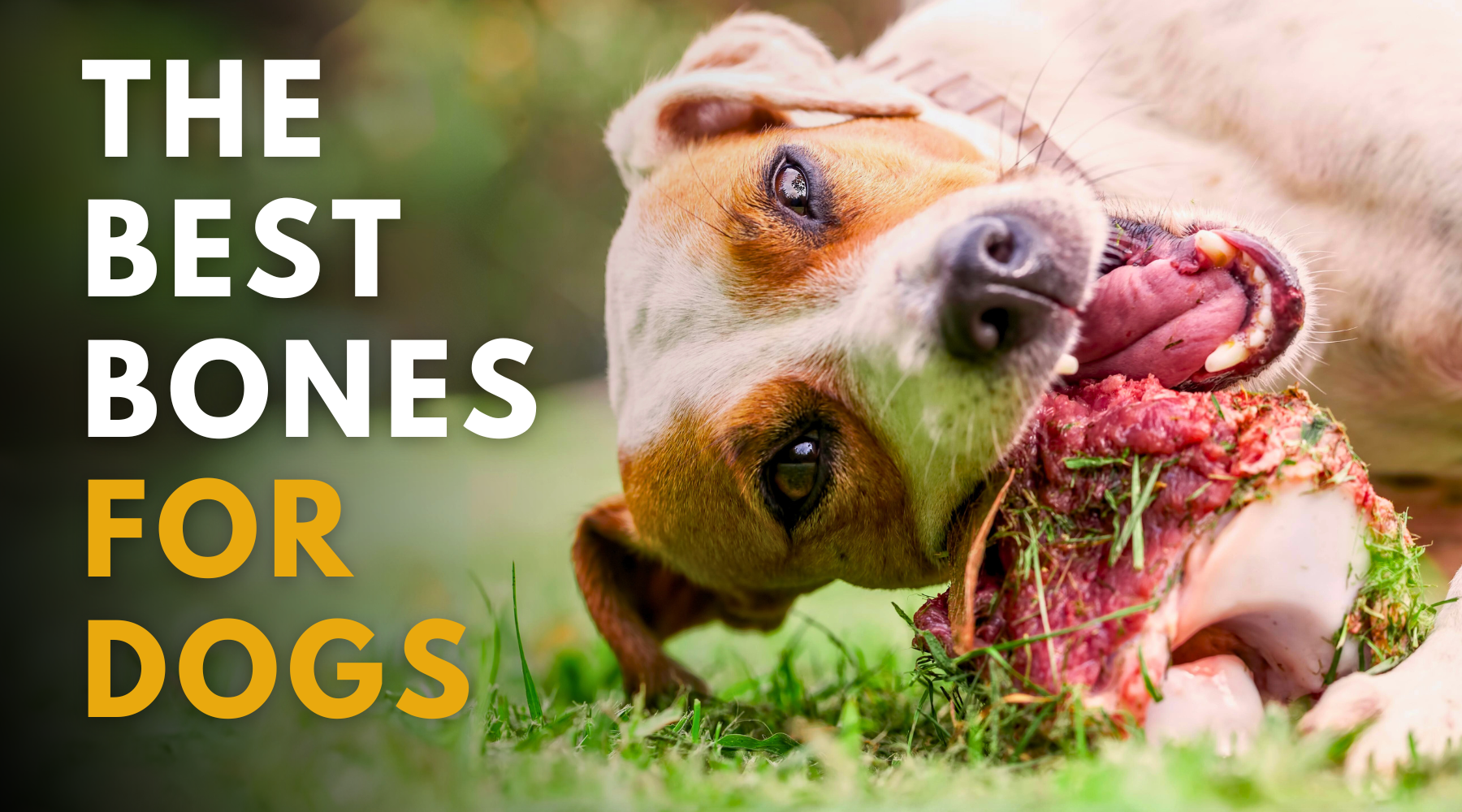
Choosing the right raw bones for your dog is important for safety. Not all bones are safe to chew or digest. Some bones can splinter and hurt your pet’s mouth or stomach. Safe raw bones provide good nutrition and help keep teeth clean. They also satisfy your dog’s natural chewing instinct.
Below are some of the best safe raw bone options for dogs. Each type offers different benefits and is easy to find.
Beef Bones
Beef bones are large and dense, making them a great chew option. They last longer and keep dogs busy. Raw beef marrow bones are soft inside and full of nutrients. Avoid cooked beef bones, as they can splinter easily. Choose bones that fit your dog’s size to prevent choking.
Pork Bones
Pork bones are softer than beef bones but still safe when raw. They are easier to chew for smaller dogs. Raw pork ribs and femur bones are popular choices. Make sure the bone is fresh and never cooked. Remove small or sharp pieces before giving them to your dog.
Lamb Bones
Lamb bones are lighter and good for medium to small dogs. They have a pleasant smell and taste that dogs enjoy. Raw lamb neck bones and shanks are safe and nutritious. Avoid cooked lamb bones to prevent splintering risks. Always supervise your dog while chewing any bone.
Safe Raw Bone Options
Not all bones are safe for dogs. Some bones can cause serious harm. Knowing which bones to avoid keeps your dog safe and healthy.
Cooked Bones Risks
Cooked bones become hard and brittle. They can easily break into sharp pieces. These pieces may cut your dog’s mouth or throat. They can also cause blockages in the stomach or intestines. Avoid giving cooked bones to your dog at all times.
Small Or Splintering Bones
Small bones can be a choking hazard. Dogs may swallow them whole and choke. Bones that splinter break into tiny sharp parts. These parts can injure your dog’s mouth and digestive tract. Always choose bones that are large and sturdy enough.
Processed Bone Products
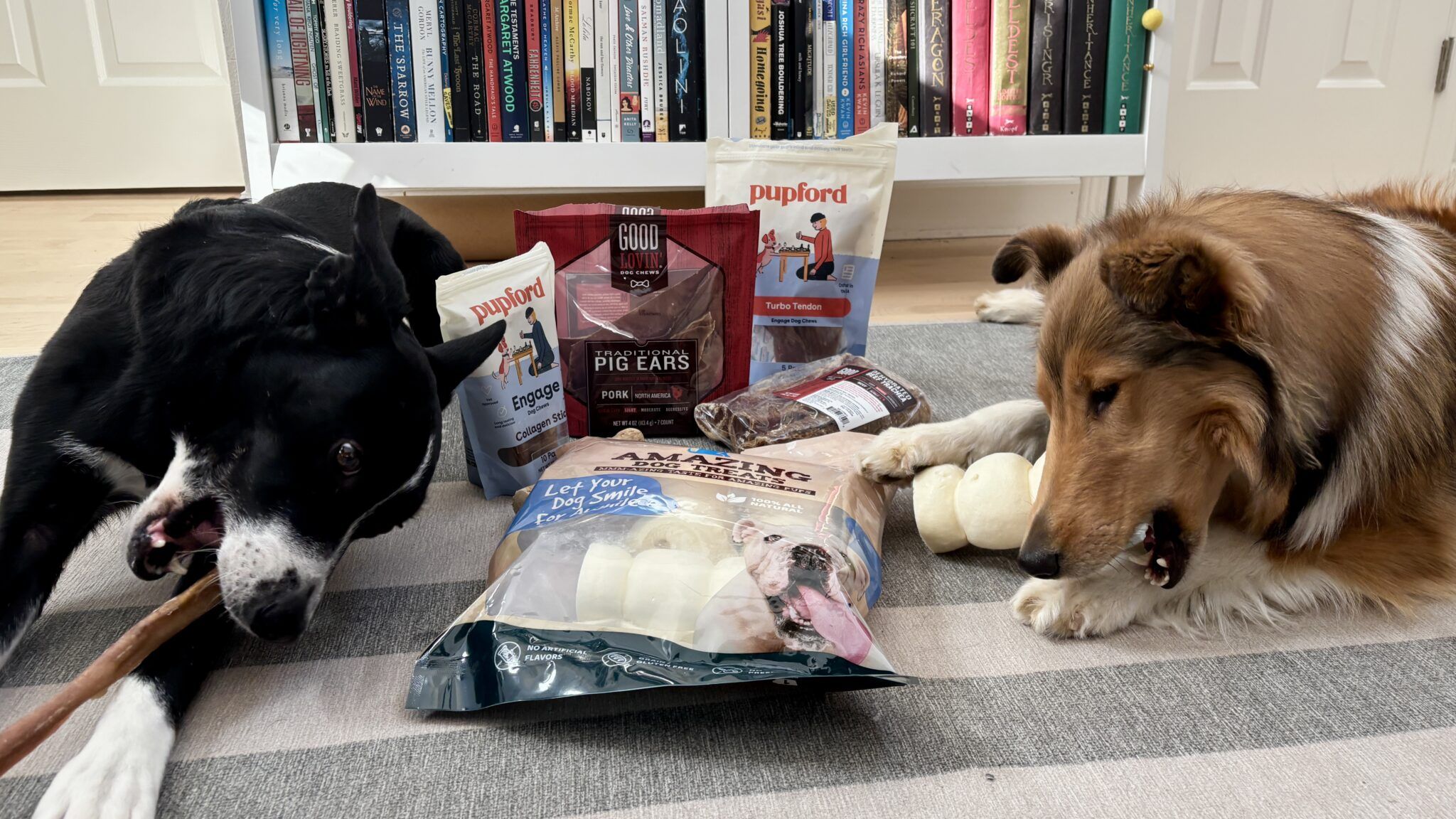
Processed bones often contain chemicals or preservatives. These can upset your dog’s stomach. Some products may have low nutritional value. They might also be hard or unsafe to chew. Stick to natural, raw bones from trusted sources.
Credit: peterdobias.com
Bones To Avoid
Homemade chew alternatives offer safe, fun ways to keep dogs busy. These options support dental health and satisfy natural chewing urges. They also reduce risks linked to store-bought bones.
Making chews at home lets you control ingredients and size. This ensures treats fit your dog’s needs and avoid allergies. Many homemade choices use simple, healthy items found in most kitchens.
Frozen Bones
Frozen bones are a cool treat for dogs, especially in summer. Freeze raw, meaty bones before giving them to your pet. This slows chewing and soothes gums during teething. Always supervise your dog with frozen bones to avoid choking.
Vegetable Chews
Vegetables make great, low-calorie chews for dogs. Carrots, sweet potatoes, and green beans are popular choices. Raw or cooked, they provide crunch and nutrients. Cut vegetables into safe sizes to prevent choking.
Diy Treats
DIY treats let you customize flavors and textures for your dog. Mix peanut butter, oats, and pumpkin to create tasty biscuits. Bake or freeze these treats for longer freshness. Use dog-safe ingredients only, avoiding chocolate and onions.
Homemade Chew Alternatives
Choosing the right bone size is very important for your dog’s safety and enjoyment. A bone that is too small can break easily and cause choking. A bone that is too big might be hard for your dog to chew. The right size helps your dog chew comfortably and stay safe.
Consider your dog’s size and chewing strength. Strong chewers need tougher bones. Small dogs need smaller, softer bones. This balance keeps your dog happy and healthy.
Matching Bone To Dog Size
Pick a bone size based on your dog’s weight and breed. Small dogs under 20 pounds need bones about 3 to 4 inches long. Medium dogs from 20 to 50 pounds do well with 5 to 7 inch bones. Large dogs over 50 pounds need bones longer than 7 inches.
Choose bones thick enough to avoid breaking into small pieces. Soft bones suit gentle chewers. Hard bones fit strong chewers better. Matching size and hardness reduces risk of injury.
Supervision Tips
Always watch your dog while chewing a bone. Stay close and check for signs of trouble. Remove bones that splinter or break into sharp pieces. Keep fresh water nearby to help your dog chew safely.
Limit chewing time to 10-15 minutes. Too much chewing can hurt teeth or gums. Stop play if your dog swallows large chunks or coughs. Supervision keeps your dog safe and happy.
Signs Of Over-chewing
Look for red or bleeding gums. This shows your dog chews too hard or long. Broken or loose teeth also mean over-chewing. Your dog may drool more than usual or seem in pain.
If your dog avoids the bone or mouth, check for injury. Watch for vomiting or choking after chewing. These signs need quick attention. Adjust bone size or chew time to prevent harm.
Credit: www.whole-dog-journal.com
Frequently Asked Questions
What Are The Safest Bones For Dogs To Chew?
The safest bones for dogs are raw, natural, and size-appropriate. Avoid cooked or small bones, as they can splinter and cause harm. Raw beef marrow bones and large femur bones are ideal for most dogs, providing dental benefits and safe chewing enjoyment.
Can Dogs Eat Cooked Bones Safely?
No, cooked bones are unsafe for dogs. Cooking makes bones brittle, increasing the risk of splintering. Splintered bones can cause choking, internal injuries, or blockages. Always choose raw bones to ensure your dog’s safety and avoid health risks associated with cooked bones.
How Do Bones Benefit Dogs’ Dental Health?
Chewing bones helps scrape plaque and tartar from dogs’ teeth. This natural action promotes healthier gums and fresher breath. Regular chewing on appropriate bones strengthens jaw muscles and reduces the risk of dental diseases, supporting overall oral hygiene in dogs.
Which Bones Should I Avoid Giving My Dog?
Avoid cooked, small, or sharp bones like chicken, pork, and fish bones. These can splinter easily and cause choking or internal damage. Also, avoid bones that are too hard, which may break your dog’s teeth. Always supervise your dog with any bone.
Conclusion
Choosing the right bones keeps your dog happy and healthy. Safe bones help clean teeth and provide fun chewing time. Always pick bones made for dogs, not cooked ones. Watch your dog while chewing to avoid choking risks. Healthy chewing supports strong jaws and good dental health.
Remember, bones are treats, not daily meals. Give your dog the best bones for a joyful life. Caring for your pet shows love and keeps them strong. Simple steps make a big difference in your dog’s well-being.


