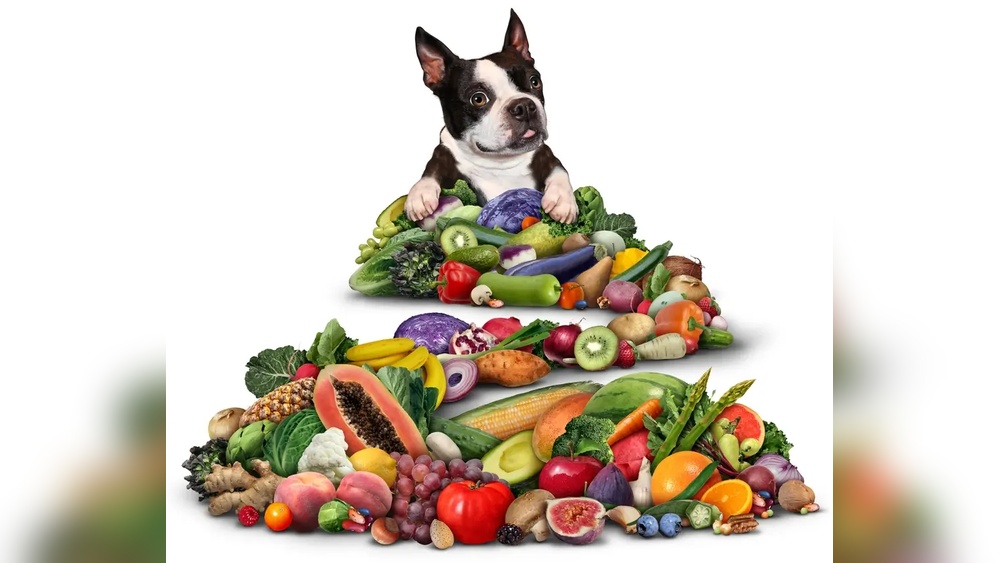
If you want your dog to feel happy and energetic every day, paying attention to their gut health is key. A healthy gut means better digestion, stronger immunity, and a happier pet overall.
But how do you choose the best food to support your dog’s digestive system? You’re about to discover simple, effective options that can make a big difference in your dog’s well-being. Keep reading, because what you feed your furry friend could change everything.
Why Gut Health Matters
Gut health is key for a dog’s overall health. The gut is where food breaks down and nutrients absorb. A healthy gut supports the immune system and keeps harmful bacteria away. Dogs with good gut health are often more energetic and happier. Poor gut health can lead to many health problems.
Impact On Overall Well-being
The gut affects more than digestion. It helps the immune system fight infections. A healthy gut improves nutrient absorption, which supports strong bones and muscles. Dogs with balanced gut bacteria have better skin and a shinier coat. Good gut health can reduce allergies and inflammation. It also helps maintain a healthy weight.
Signs Of Poor Gut Health
Watch for diarrhea or constipation in your dog. Bad breath and excessive gas can signal gut issues. A dull coat and itchy skin may show poor nutrient absorption. Vomiting and lack of appetite are common signs. If your dog seems tired or irritable, the gut might be the cause. Noticing these signs early helps prevent serious health problems.
Key Nutrients For A Healthy Gut
A healthy gut is key to your dog’s overall wellness. The right nutrients help maintain good digestion and strong immunity. Feeding your dog food rich in specific nutrients supports gut health. This helps your dog feel better and stay active.
Prebiotics And Probiotics
Prebiotics feed good bacteria in the gut. They help these bacteria grow and stay healthy. Probiotics are live bacteria that add to the gut’s natural flora. Together, they balance the digestive system. Yogurt, kefir, and certain supplements often contain probiotics. Foods like chicory root and bananas provide prebiotics.
Fiber-rich Ingredients
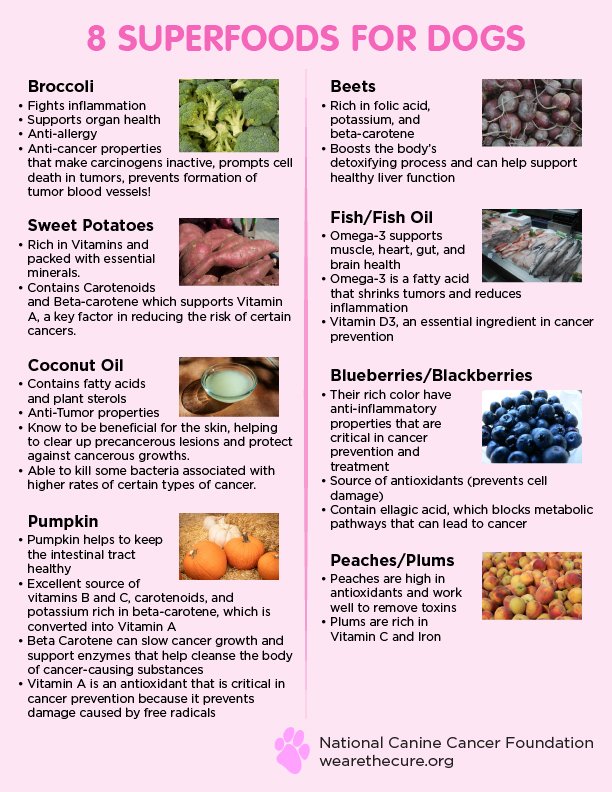
Fiber helps food move smoothly through the digestive tract. It keeps the gut clean and prevents constipation. Soluble fiber forms a gel that feeds healthy bacteria. Insoluble fiber adds bulk and aids regular bowel movements. Sweet potatoes, pumpkin, and green beans are good fiber sources for dogs.
Essential Fatty Acids
Omega-3 and Omega-6 fatty acids reduce inflammation in the gut. They support the lining of the digestive tract. These fats help keep the gut barrier strong. Fish oil, flaxseed, and chia seeds provide essential fatty acids. Healthy fats also improve your dog’s skin and coat.
Top Foods To Boost Digestive Health
Good digestion is key to your dog’s health and happiness. Certain foods can help keep their gut strong and balanced. These foods support healthy bacteria and reduce tummy troubles. Feeding the right ingredients can improve digestion and overall well-being.
Yogurt And Fermented Foods
Yogurt contains probiotics that help good bacteria grow. These bacteria aid digestion and fight harmful germs. Plain, unsweetened yogurt is best for dogs. Fermented foods like kefir also support a healthy gut. They improve nutrient absorption and ease digestion.
Pumpkin And Sweet Potatoes
Pumpkin is rich in fiber that soothes the digestive tract. It helps regulate bowel movements and reduces constipation. Sweet potatoes are another great fiber source. They also provide vitamins and minerals that support gut health. Both are gentle on sensitive stomachs.
Bone Broth Benefits
Bone broth is full of nutrients that heal the gut lining. It contains gelatin and collagen, which support digestion. The broth is easy to digest and keeps dogs hydrated. Adding it to meals can calm upset stomachs and improve nutrient absorption.
Lean Proteins And Digestibility
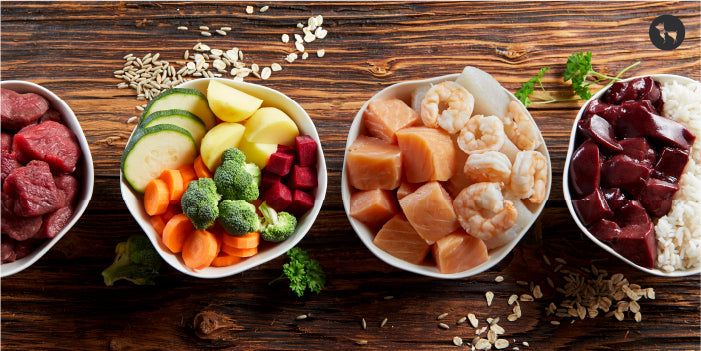
Lean proteins like chicken and turkey are easy to digest. They provide essential amino acids for gut repair and energy. Avoid fatty or processed meats that can upset the stomach. Simple, cooked proteins help maintain a balanced digestive system.
Credit: headsupfortails.com
Commercial Dog Foods For Gut Health
Commercial dog foods for gut health offer a convenient way to support your pet’s digestion. These foods contain ingredients that help balance gut bacteria and improve nutrient absorption. Choosing the right commercial food can reduce digestive issues like diarrhea and bloating. Many brands now focus on gut-friendly formulas to keep your dog healthy and happy.
Features To Look For
Pick dog food with probiotics and prebiotics. Probiotics add good bacteria to the gut. Prebiotics feed these helpful bacteria. Fiber is also important for healthy digestion. Look for soluble fiber like beet pulp or chicory root. Avoid foods with artificial preservatives or fillers. High-quality protein sources support overall health. Grain-free options may help sensitive dogs. Check the label for easy-to-digest ingredients.
Recommended Brands
Some brands specialize in gut health formulas. Hill’s Science Diet has options rich in prebiotics. Royal Canin offers foods designed for sensitive digestion. Blue Buffalo includes probiotics and fiber blends. Purina Pro Plan focuses on balanced gut nutrition. These brands have been tested by vets and pet owners. Always choose a brand that suits your dog’s needs.
Foods To Avoid For Sensitive Stomachs
Dogs with sensitive stomachs need careful diet choices. Some foods can upset their digestion. Avoiding certain items helps keep their gut calm and healthy.
Common Irritants
Fatty foods often cause stomach upset in dogs. Fried items and greasy treats slow digestion. Spicy foods also irritate sensitive tummies. Dairy products like milk and cheese may cause bloating. Some dogs cannot digest lactose well. Large amounts of fiber can lead to gas and diarrhea. Avoid feeding large servings of raw vegetables too.
Toxic Ingredients
Certain ingredients harm dogs beyond stomach issues. Chocolate contains substances toxic to dogs. Onions and garlic can damage red blood cells. Grapes and raisins may cause kidney failure. Xylitol, found in sugar-free gum, causes low blood sugar. Alcohol and caffeine are dangerous even in small doses. Always check dog food labels for these harmful items.

Credit: thepetlabco.com
Tips For Transitioning To Gut-friendly Diets
Changing your dog’s diet to improve gut health needs care and patience. Sudden switches can upset their stomach. A smooth transition helps your dog adjust and digest better. Watch your dog’s reactions closely to catch any issues early.
Gradual Food Changes
Start by mixing a small amount of new food with the old. Increase the new food portion slowly over 7 to 10 days. This slow change helps your dog’s gut get used to new ingredients. Avoid switching foods all at once. It reduces the risk of diarrhea and vomiting.
Monitoring Digestive Response
Check your dog’s stool for changes in texture or smell. Look for signs of gas, bloating, or discomfort. Note any loss of appetite or unusual behavior. Keep a daily log to track how your dog reacts. Stop the new food and consult a vet if problems persist.
Homemade Recipes For Gut Health
Homemade recipes for dogs’ gut health help control ingredients and quality. They support digestion and improve nutrient absorption. Cooking at home lets you avoid fillers and preservatives.
Gut-friendly meals usually include protein, fiber, and healthy fats. These elements help balance good bacteria in the gut. A strong gut means better overall health for your dog.
Simple Balanced Meals
Start with lean proteins like chicken or turkey. Add cooked vegetables such as carrots or pumpkin. These vegetables provide fiber to aid digestion. Include a small amount of brown rice or sweet potato for energy. Avoid onions, garlic, and spices that can harm dogs. Mix ingredients well and serve at room temperature. Simple meals keep the gut calm and healthy.
Incorporating Supplements
Probiotics support good gut bacteria growth. Add plain yogurt or probiotic powders to meals. Prebiotics like chicory root feed healthy bacteria. Use small amounts of these to avoid upset stomach. Omega-3 fatty acids reduce gut inflammation. Fish oil supplements are a great source. Always check dosage with your vet. Supplements enhance homemade meals for better gut health.
Credit: tiptopelectronics.nl
Frequently Asked Questions
What Foods Improve A Dog’s Gut Health Naturally?
Probiotic-rich foods like yogurt and kefir boost gut bacteria. Fiber from pumpkin and sweet potatoes aids digestion. Lean meats provide essential nutrients without upsetting the stomach. These foods support a balanced gut microbiome and overall dog health.
How Does Fiber Benefit My Dog’s Digestive System?
Fiber helps regulate bowel movements and prevents constipation. It feeds healthy gut bacteria, enhancing digestion and nutrient absorption. Soluble fiber slows digestion, stabilizing blood sugar. Insoluble fiber adds bulk, promoting regularity. A balanced fiber intake supports a healthy digestive tract.
Can Probiotics Help With My Dog’s Gut Issues?
Yes, probiotics introduce beneficial bacteria to the gut. They improve digestion and reduce inflammation. Probiotics can ease diarrhea and bloating. Supplements or probiotic-rich foods support a balanced gut microbiome. Consult your vet before starting probiotic treatments.
Are There Foods Dogs Should Avoid For Gut Health?
Avoid high-fat, spicy, or heavily processed foods. Chocolate, onions, and garlic are toxic to dogs. Excessive dairy may cause digestive upset. Artificial additives can harm gut bacteria. Feeding a balanced diet with natural ingredients is key for gut health.
Conclusion
Choosing the right food helps keep your dog’s gut healthy. Good gut health supports digestion and overall wellness. Foods rich in fiber and probiotics work best. Fresh ingredients are easier for dogs to digest. Avoid foods with too many additives or fillers.
A balanced diet leads to a happier, more energetic dog. Remember, small changes can make a big difference. Pay attention to your dog’s reactions to new foods. Healthy guts mean healthier dogs and fewer health issues. Keep your dog’s diet simple, natural, and nutritious.