

If your dog struggles with itchy, inflamed ears, you know how tough it can be to watch them suffer. Ear allergies are more than just a nuisance—they can affect your dog’s comfort, mood, and health.
The right dog food can make a big difference in managing these allergies and easing your pet’s discomfort. You’ll discover the best dog food options designed specifically to help with ear allergies. By choosing the right diet, you’re not just feeding your dog—you’re giving them relief and a happier life.
Keep reading to find out which foods can help your furry friend feel better fast.
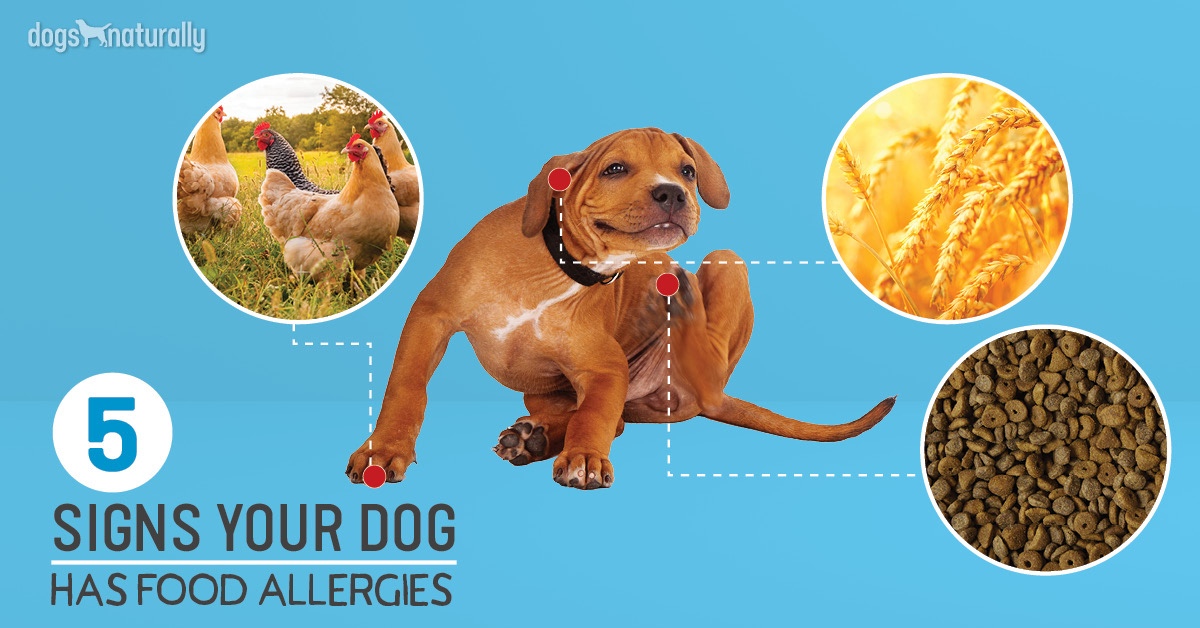
Credit: www.dogsnaturallymagazine.com
Causes Of Ear Allergies In Dogs
Ear allergies in dogs cause itching, redness, and discomfort. These allergies happen when a dog’s immune system reacts to certain triggers. Understanding the causes helps in managing and preventing these issues effectively.
Common Allergens
Many substances can trigger ear allergies in dogs. Pollen from plants is a frequent cause. Dust mites often irritate sensitive ears. Mold spores also act as allergens. Flea bites can cause allergic reactions. Some dogs react to chemicals in shampoos or cleaning products. Environmental factors play a big role in ear allergy flare-ups.
Role Of Diet In Allergies
Food choices greatly affect ear allergy symptoms. Some dogs develop allergies to certain proteins in their food. Common food allergens include beef, chicken, and dairy. Grain ingredients sometimes cause reactions. A poor diet may weaken the immune system. Feeding hypoallergenic or limited-ingredient diets can reduce symptoms. Proper nutrition supports ear health and lowers allergy risks.
:strip_icc()/Spruce-best-dog-food-for-allergies-4173781-024027f06d344cd8acf7267d38694fa3.jpg)
Credit: www.thesprucepets.com
Symptoms Of Ear Allergies
Ear allergies in dogs cause discomfort and irritation. These allergies often trigger symptoms that affect your dog’s ears. Recognizing these symptoms early helps you take quick action. Understanding what to look for can prevent serious ear problems.
Signs To Watch For
Dogs with ear allergies often scratch their ears a lot. You may see redness or swelling inside the ear. A strong, unpleasant smell can come from the ear canal. Sometimes, there is a dark, waxy discharge. Your dog might shake its head frequently. Crusts or scabs may form around the ears. These signs show your dog is in pain or itchy.
When To See A Vet
Visit the vet if symptoms last more than a few days. Sudden swelling or bleeding needs quick medical care. If your dog seems very uncomfortable or loses balance, seek help. A vet can diagnose the cause and suggest proper treatment. Early treatment stops the problem from getting worse.
Key Ingredients For Allergy Relief
Choosing the right dog food can help reduce ear allergies in dogs. Certain ingredients soothe inflammation and support skin health. Knowing these key ingredients helps find the best diet for your dog’s needs.
Hypoallergenic Proteins
Proteins cause many allergic reactions in dogs. Common proteins like beef or chicken often trigger allergies. Hypoallergenic proteins come from novel sources. Examples include duck, venison, or fish. These proteins reduce the chance of allergic reactions. They help calm your dog’s immune system and skin.
Omega Fatty Acids
Omega-3 and omega-6 fatty acids fight inflammation. They improve skin health and reduce redness. These fats come from fish oil, flaxseed, or chia seeds. Regular intake helps heal irritated ears. A balanced amount supports a healthy coat too.
Avoiding Common Triggers
Some ingredients cause ear allergies more often. Wheat, soy, corn, and dairy are common triggers. Artificial colors, flavors, and preservatives also irritate sensitive dogs. Avoiding these ingredients lowers allergy risks. Check labels carefully for hidden allergens.
Top Dog Foods For Ear Allergies
Choosing the right dog food can help reduce ear allergies. Some foods cause fewer allergic reactions. These foods support healthy skin and ears. They contain ingredients that calm inflammation and itching. Here are some top dog foods for ear allergies. Each type suits different needs and preferences.
Best Dry Foods
Dry dog food is easy to store and serve. Look for dry foods with limited allergens like chicken or beef. Grain-free options can help dogs with sensitive ears. These foods often include omega-3 and omega-6 fatty acids. These fats help improve skin health and reduce itching.
Brands with natural ingredients and no fillers work best. Avoid foods with artificial colors or preservatives. Choose dry foods that support immune health. This helps your dog fight allergy triggers naturally.
Best Wet Foods
Wet dog food offers high moisture content. This helps keep your dog hydrated and supports skin health. Wet foods with simple recipes reduce allergy risks. Look for formulas with single protein sources. Fish-based wet foods are often good for ear allergies. They provide essential fatty acids to calm inflamed skin.
Wet foods are softer and easier to digest. They can be a good choice for picky eaters. Check for quality ingredients and avoid fillers.
Limited Ingredient Options
Limited ingredient dog foods have fewer ingredients. This reduces the chance of allergic reactions. These foods focus on one protein and a few carbs. They avoid common allergens like corn, soy, and wheat. Limited ingredient diets are gentle on sensitive ears.
They also make it easier to find the cause of allergies. These foods often contain novel proteins like venison or duck. This helps dogs with multiple food sensitivities. Limited ingredient foods are a great choice for allergy management.
Homemade Diets And Supplements
Homemade diets and supplements can help dogs with ear allergies feel better. These diets avoid common allergens found in many commercial foods. Homemade meals give full control over ingredients. This control helps prevent allergic reactions and supports ear health.
Supplements add extra nutrients that promote healing and reduce inflammation. They work well alongside a balanced diet. Choosing the right recipes and supplements is key to success.
Safe Homemade Recipes
Choose fresh, simple ingredients to prepare safe meals. Lean meats like chicken or turkey are good protein sources. Rice or sweet potatoes provide easy-to-digest carbohydrates. Avoid common allergens such as wheat, corn, and soy.
Include vegetables like carrots and green beans for vitamins. Cook all ingredients thoroughly to aid digestion. Avoid spices, salt, and artificial additives. Consult a vet to ensure the diet meets all nutritional needs.
Supplements For Ear Health
Omega-3 fatty acids help reduce ear inflammation and itching. Fish oil is a popular source rich in these fats. Probiotics support gut health, improving the immune system. A stronger immune system fights allergies better.
Vitamin E protects skin cells and promotes healing. Zinc also helps maintain healthy skin and fur. Always check with a vet before adding supplements to your dog’s diet. Proper doses and types matter for safety and effect.
Tips For Managing Ear Allergies
Managing ear allergies in dogs requires a thoughtful approach. Proper care can reduce discomfort and prevent infections. Simple steps help keep your dog’s ears healthy and clean.
Dietary Changes
Food plays a key role in managing ear allergies. Choose dog food with limited ingredients. Avoid common allergens like wheat, soy, and dairy. Opt for high-quality proteins such as fish or lamb. Adding omega-3 fatty acids can reduce inflammation. Consult your vet before changing your dog’s diet.
Regular Ear Cleaning
Cleaning ears regularly removes dirt and allergens. Use a vet-recommended ear cleaner. Gently wipe the outer ear with a soft cloth or cotton ball. Never insert anything deep into the ear canal. Clean ears once or twice a week, or as advised by your vet.
Environmental Controls
Allergens in the environment can worsen ear allergies. Keep your dog’s bedding clean and dry. Vacuum floors and furniture often to reduce dust and pollen. Avoid walking your dog in areas with high grass or heavy pollen. Maintain good air circulation at home to limit allergens.
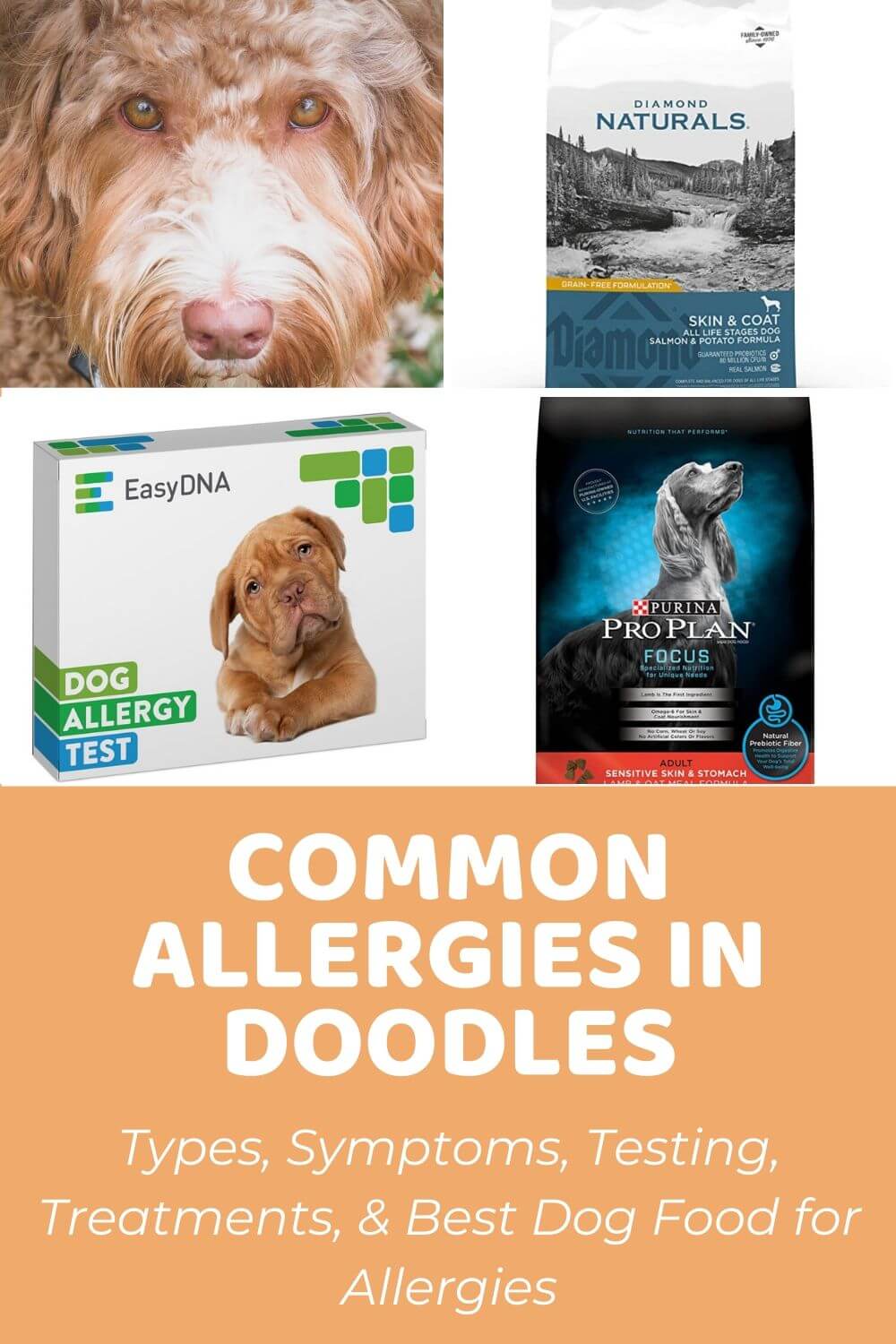
Credit: teiretail.com
Frequently Asked Questions
What Ingredients Help With Dog Ear Allergies?
Ingredients like omega-3 fatty acids, limited proteins, and hypoallergenic components reduce inflammation and irritation. Avoid common allergens such as grains or artificial additives to improve ear health.
Can Grain-free Dog Food Reduce Ear Allergies?
Yes, grain-free dog food can help if grains trigger allergies. It eliminates common allergens, reducing ear inflammation and itching caused by food sensitivities.
How To Choose The Best Dog Food For Ear Allergies?
Look for limited-ingredient, hypoallergenic dog food with omega fatty acids. Avoid artificial preservatives, fillers, and common allergens to support ear health and reduce allergic reactions.
How Long Does Dog Food Take To Improve Ear Allergies?
Improvement usually occurs within 4 to 6 weeks after switching to allergy-friendly food. Consistency is key for noticeable reduction in ear irritation and infection.
Conclusion
Choosing the right dog food can ease ear allergies effectively. A simple diet change helps reduce itching and discomfort fast. Look for foods with limited ingredients and no common allergens. Omega-3 fatty acids support healthy skin and ears. Always watch your dog’s reaction to new food closely.
Consult your vet if symptoms continue or worsen. Healthy food means happier dogs and fewer allergy problems. Care and attention make a big difference in your dog’s life. Keep your furry friend comfortable and allergy-free.


