

Choosing the right food for your dog can feel overwhelming. You want what’s best for your furry friend’s health and happiness.
But is wet food or dry food better for your dog? Each option has its fans and its benefits, and the choice you make can impact your dog’s energy, digestion, and even dental health. Keep reading to discover the key differences and find out which type suits your dog’s needs perfectly.
This could change the way you feed your pet forever.

Credit: www.mcgill.ca
Wet Food Benefits
Wet food offers many benefits for dogs. It is a great option for pet owners wanting to improve their dog’s diet. The texture and moisture content provide unique advantages. These benefits support hydration, taste, and digestion.
Higher Moisture Content
Wet food contains a lot of water. This helps dogs stay hydrated. Proper hydration supports healthy kidneys and skin. Dogs that eat wet food often drink less water. This is useful for dogs that do not drink much on their own.
Enhanced Flavor And Palatability
Wet food has a stronger smell and taste. This makes it more appealing to dogs. Picky eaters often prefer wet food. The rich flavors can encourage dogs to eat more. It helps keep their appetite steady and healthy.
Easier To Chew And Digest
The soft texture of wet food is gentle on teeth. Older dogs or those with dental problems find it easier to eat. Wet food breaks down quickly in the stomach. This can improve digestion and nutrient absorption. It supports dogs with sensitive stomachs or health issues.
Dry Food Benefits
Dry dog food offers many benefits for pet owners and dogs alike. It is easy to handle, store, and serve. Many dog owners find it practical for daily feeding. Plus, dry food often helps keep dogs’ teeth cleaner. The cost is usually lower than wet food, making it a budget-friendly choice.
Understanding these benefits can help you decide if dry food fits your dog’s needs.
Convenience And Storage
Dry dog food is simple to store. It does not spoil quickly after opening. You can keep it in a sealed bag or container. Measuring portions is fast and easy. Dry food does not need refrigeration. This makes it ideal for busy pet owners.
Dental Health Advantages
Crunchy dry food helps reduce plaque build-up. The texture scrapes teeth gently during chewing. This can lower the risk of dental problems. Healthier teeth mean fewer vet visits. Dry food supports better oral hygiene for dogs.
Cost-effectiveness
Dry food usually costs less per meal. It lasts longer than wet food once opened. Buying in bulk saves money over time. This makes dry food a good option for many families. You get good nutrition without high expenses.
Nutritional Differences
Choosing between wet and dry dog food often depends on their nutritional differences. These differences affect your dog’s health and energy levels. Understanding key factors like protein, fat, preservatives, and calories helps you pick the best food for your dog.
Protein And Fat Content
Wet dog food usually has more protein and fat than dry food. This makes it richer and better for active dogs. Dry food often contains less moisture, which concentrates some nutrients but may lower fat content. Protein supports muscle growth. Fat provides energy and keeps the coat shiny.
Preservatives And Additives
Dry dog food often includes preservatives to keep it fresh longer. These can be natural or artificial. Wet food uses fewer preservatives because it is sealed in cans or pouches. Some additives improve taste or texture but may not be healthy. Always check ingredient lists for unwanted chemicals.
Calorie Density
Dry dog food is more calorie-dense than wet food. This means smaller portions provide more energy. Wet food has high moisture, so it takes up more space in the stomach. Dogs may feel full faster eating wet food. This can be useful for dogs that need to lose weight.
Health Considerations
Choosing the right food for your dog affects their health in many ways. Wet and dry foods offer different benefits. Understanding these can help you make a better choice for your dog’s well-being.
Health is a key factor when deciding between wet or dry dog food. This section covers important points about weight, hydration, and allergies.
Weight Management
Dry food is often lower in calories than wet food. It helps control your dog’s weight better. Wet food has more moisture and can feel more filling. This may reduce overeating for some dogs. Check the calorie content on labels. Choose the right portion size to avoid weight gain.
Hydration Needs
Wet food contains much water, which helps keep dogs hydrated. This is useful for dogs that do not drink enough water. Dry food has very little moisture. Dogs eating dry food must drink more water. Hydration supports kidney and bladder health. Always provide fresh water, no matter the food type.
Allergies And Sensitivities
Some dogs have food allergies or sensitive stomachs. Wet food can be easier to digest for these dogs. It often contains fewer fillers and artificial ingredients. Dry food may have more preservatives and grains. Look for hypoallergenic or limited-ingredient options. Watch your dog for any signs of allergy or discomfort.
Age And Life Stage Factors
Age and life stage play a big role in choosing the best food for dogs. Dogs need different nutrients at different times in their lives. Their energy needs and digestion change as they grow older. Understanding these changes helps pick the right food type.
Puppies And Growth
Puppies need food rich in protein and fat. These nutrients support quick growth and strong bones. Wet food can help keep puppies hydrated. It is softer and easier to chew. Dry food helps keep teeth clean. Many puppy formulas mix both types for balance.
Adult Maintenance
Adult dogs need balanced nutrition to stay healthy. Their energy needs are lower than puppies. Dry food often suits adults well. It helps control weight and dental health. Wet food adds moisture and variety. Mixing both can keep meals interesting.
Senior Dog Requirements
Older dogs may have weaker teeth and digestion. Wet food is easier to eat and digest. It also helps keep them hydrated. Senior dog food often has fewer calories. It supports joint health and reduces weight gain. Dry food can help keep gums and teeth strong.
Mixing Wet And Dry Food
Mixing wet and dry food for dogs is a popular feeding method. It combines the benefits of both types of food. Many dog owners find this approach keeps their pets happy and healthy. It adds variety and can make mealtime more enjoyable.
Balanced Diet Benefits
Mixing wet and dry food helps provide a balanced diet. Dry food offers crunch and supports dental health. Wet food adds moisture and enhances flavor. Together, they deliver essential nutrients in different forms. This mix supports your dog’s overall well-being.
Transition Tips
Start slowly when mixing wet and dry food. Add a small amount of wet food to dry food. Gradually increase the wet food portion over several days. Watch your dog for any stomach upset. This helps your dog adjust without digestive problems.
Portion Control
Measure portions carefully when mixing foods. Combining wet and dry food can lead to overfeeding. Follow feeding guidelines on the packaging. Adjust portions based on your dog’s weight and activity. Proper portion control maintains your dog’s healthy weight.
Choosing Quality Dog Food
Choosing quality dog food matters a lot for your pet’s health. Good food supports energy, growth, and a strong immune system. It also helps keep their coat shiny and skin healthy. Picking the right food means checking many details carefully. This guide helps you find the best wet or dry food for your dog.
Reading Labels
Labels show what is inside the dog food. Look for clear ingredient lists. The first ingredients should be real meat or fish. Avoid foods with too many fillers like corn or wheat. Check for added vitamins and minerals. These keep your dog healthy. Also, watch out for artificial colors or preservatives.
Brand Reputation
Choose brands known for quality and safety. Good brands test their products often. They follow strict rules to keep food safe. Read reviews from other dog owners. See if the brand recalls food often. A strong reputation means you can trust the food’s quality.
Ingredient Quality
High-quality ingredients make a big difference. Fresh, natural meats provide protein your dog needs. Whole grains and vegetables add fiber and nutrients. Avoid by-products and fillers. These do not give much nutrition. Better ingredients help your dog feel good and stay active.

Credit: pero-online.co.uk
Common Myths About Dog Food
Dog food choices often come with many myths. These myths can confuse pet owners about what is best for their dogs. Understanding the truth helps make better decisions for your dog’s health and happiness.
Many believe wet or dry food affects teeth, nutrition, and overall health in wrong ways. Clearing up these myths helps you feed your dog right.
Wet Food Causes Teeth Problems
Some say wet food makes dogs’ teeth dirty or causes decay. This is not always true. Wet food can stick to teeth more than dry food. Regular brushing and dental check-ups prevent problems. Wet food alone does not cause bad teeth. Good dental care matters more.
Dry Food Is Always Better
Dry food is thought to be better for dogs. It is easier to store and cheaper. Dry food can help clean teeth but does not provide all nutrients alone. Some dogs need wet food for better hydration. The best choice depends on your dog’s needs, not just dry or wet.
Homemade Vs Commercial Food
Many believe homemade food is always healthier. Homemade meals may lack balanced nutrients. Commercial dog foods are tested for nutrition and safety. Homemade food needs careful planning and advice from vets. Both homemade and commercial food can be good if done right.
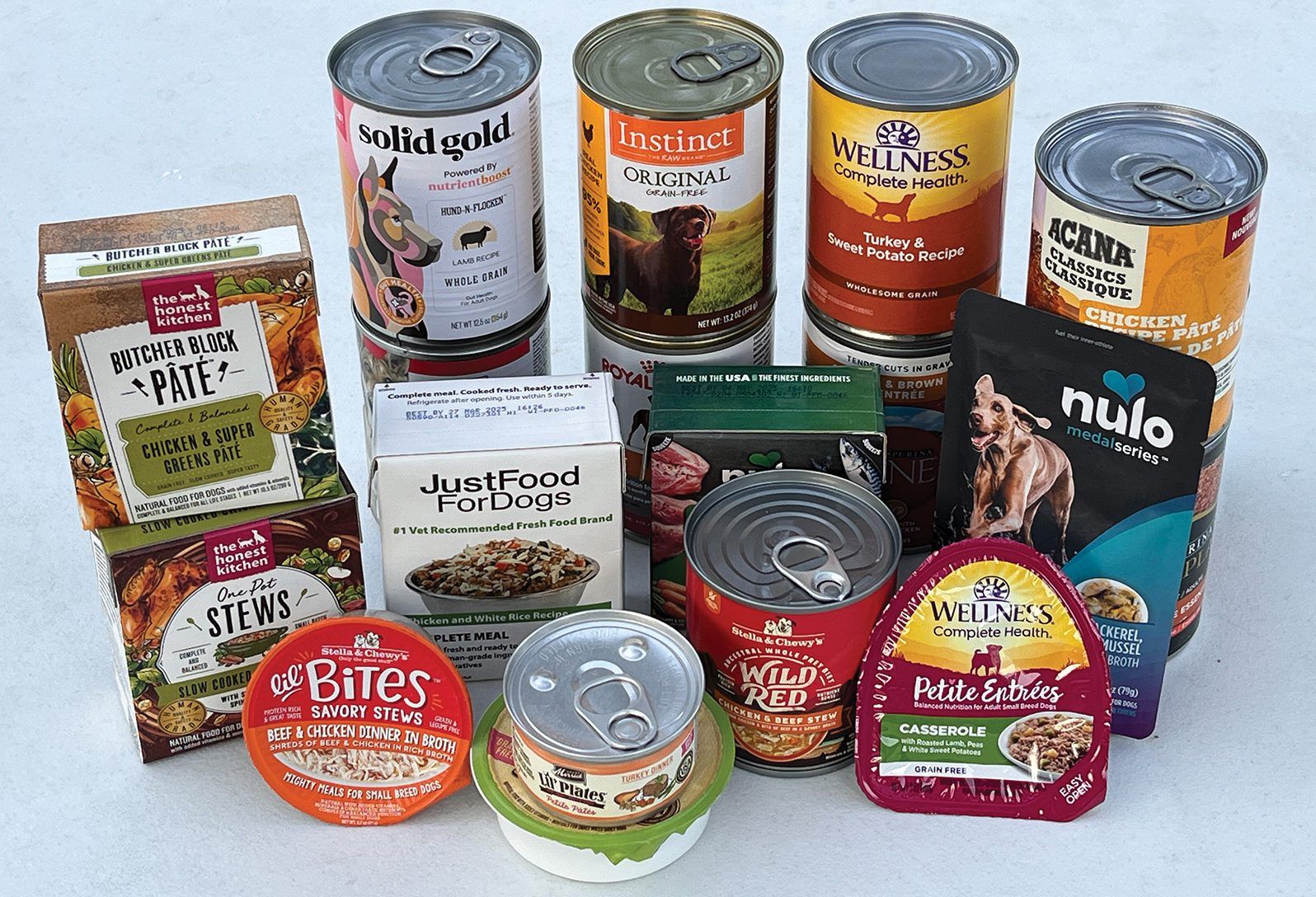
Credit: www.whole-dog-journal.com
Frequently Asked Questions
What Are The Benefits Of Wet Dog Food?
Wet dog food is high in moisture, aiding hydration and digestion. It’s palatable and ideal for picky eaters or dogs with dental issues. Wet food often contains fewer preservatives and more protein, promoting overall health and energy.
Is Dry Dog Food Better For Dental Health?
Dry dog food helps reduce plaque and tartar buildup by mechanically cleaning teeth during chewing. It is convenient, cost-effective, and has a longer shelf life. However, it may lack moisture, so ensure your dog drinks enough water.
Can I Mix Wet And Dry Dog Food?
Yes, mixing wet and dry food combines benefits like hydration and dental health. It adds variety and can improve taste appeal. Always balance portions to meet your dog’s daily nutritional needs and avoid overfeeding.
Which Food Type Is Best For Puppies?
Wet food is easier for puppies to chew and digest, providing essential nutrients. Dry food supports dental development and is convenient for portion control. A balanced mix tailored to puppy growth stages is ideal.
Conclusion
Choosing between wet and dry dog food depends on your dog’s needs. Both types offer benefits and some drawbacks. Wet food helps keep dogs hydrated and can be easier to chew. Dry food often supports dental health and is more convenient to store.
Consider your dog’s age, health, and preferences before deciding. Talk to a vet to get advice tailored to your pet. Feeding your dog the right food helps keep them happy and healthy. Every dog is different. Find what suits yours best.


