Training your dog can be a fun and rewarding experience, but choosing the right treats is key to keeping your furry friend motivated. You want tiny treats that are tasty, healthy, and easy to handle during training sessions.
If your dog loses interest or gets distracted, progress slows down. That’s why finding the best tiny treats can make all the difference in your training success. You’ll discover top picks that will keep your dog eager to learn and make every training moment count.
Keep reading to find out which treats can turn your training sessions into a joyful game for both you and your dog.
Why Tiny Treats Work
Tiny treats have a big role in dog training. They help keep your dog focused and eager to learn. Small rewards come quickly and often, which helps dogs understand what you want. Tiny treats avoid overfeeding and keep your dog healthy during training sessions.
Benefits For Training
Tiny treats give fast feedback to dogs. Dogs learn faster with many rewards. Small treats help keep training sessions short and fun. They prevent dogs from losing interest. Using tiny treats helps dogs stay motivated without filling up too fast. This makes training easier and more effective.
Ideal Size And Texture
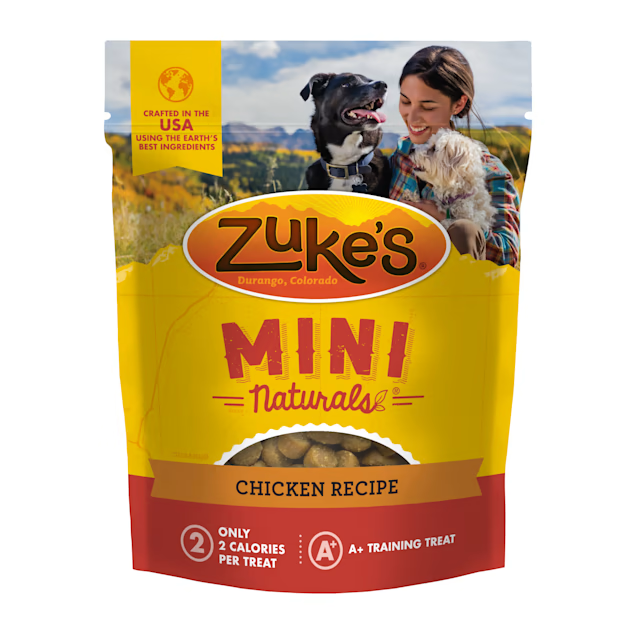
The size of treats matters a lot. Tiny treats fit easily in your hand or pocket. Dogs can eat them quickly without stopping. Soft treats work best because dogs chew fast. Crunchy or hard treats slow training down. The right texture keeps dogs eager and ready for the next command.
Credit: www.petco.com
Top Ingredients To Look For
Choosing the right ingredients in tiny treats helps keep dogs healthy and happy. Good treats fuel energy and support training success. Knowing what to look for makes picking easier and safer for your dog.
Healthy Proteins
Protein is key for strong muscles and good health. Look for treats with real meat like chicken, beef, or fish. These sources provide essential amino acids that dogs need. Treats with too many fillers or artificial proteins offer less nutrition.
Natural Additives
Natural additives like herbs and vegetables add flavor and nutrients. Ingredients such as sweet potatoes, carrots, and blueberries boost vitamins and antioxidants. Avoid treats with artificial colors, flavors, or preservatives. Natural is better for your dog’s body.
Avoiding Allergens
Allergies can cause itching, swelling, or stomach upset in dogs. Common allergens include wheat, soy, and corn. Choose treats that are grain-free or labeled hypoallergenic. Always check the ingredient list to prevent allergic reactions.
Best Store-bought Tiny Treats
Choosing the right tiny treats for dog training is important. Small treats help keep your dog’s attention without filling them up. Store-bought options offer convenience and variety. These treats are easy to carry and perfect for quick rewards during training sessions. Here are some great store-bought tiny treats to consider.
Budget-friendly Options
Affordable treats can work well for training. Look for small-sized treats that dogs enjoy. Many brands offer tasty options under a few dollars. These treats often come in large bags, so you get plenty. Simple ingredients keep costs low and dogs happy. Great for training many commands without breaking the bank.
Premium Picks
Premium treats use higher quality ingredients. They often include real meat or natural flavors. These treats are softer and easier to chew quickly. Ideal for dogs with sensitive stomachs or picky tastes. Though pricier, they provide better nutrition and taste. Use them to reward excellent behavior or important achievements.
Grain-free Choices
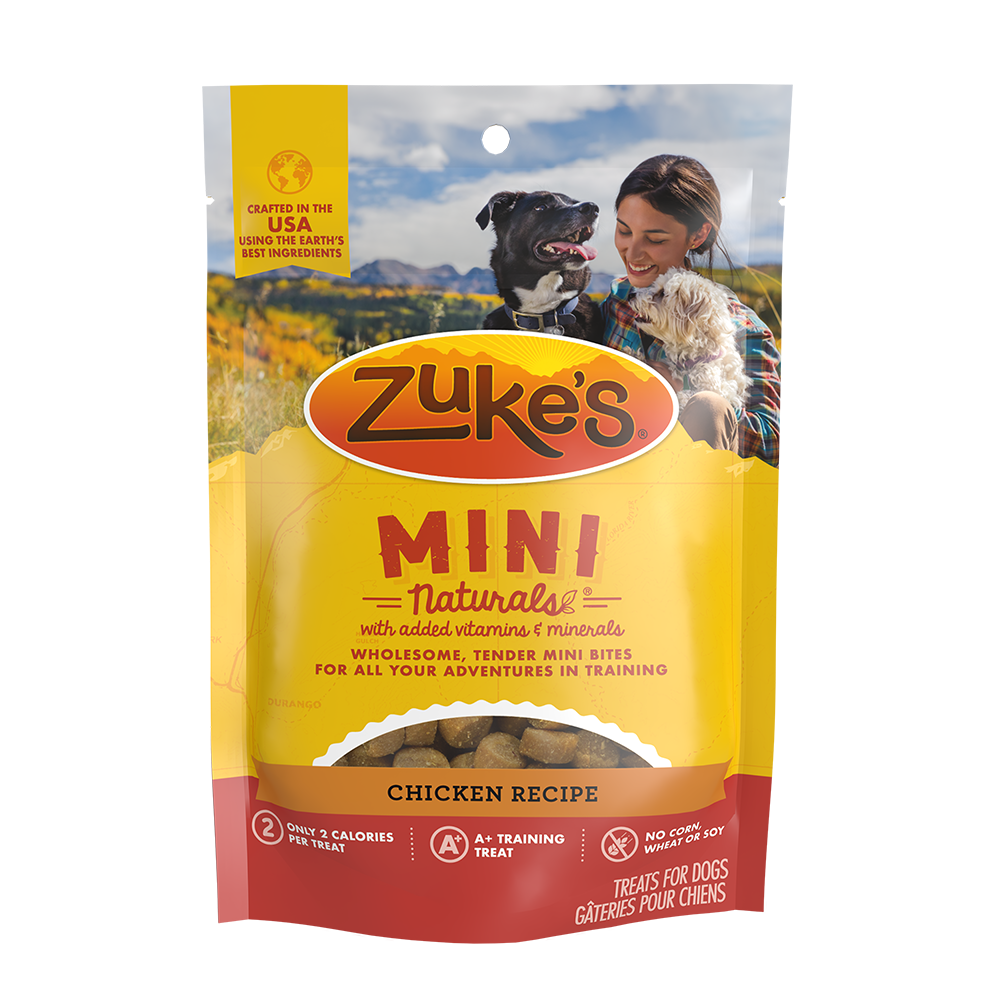
Grain-free treats suit dogs with allergies or sensitivities. These treats avoid wheat, corn, and soy. Many use sweet potatoes, peas, or chickpeas instead. Grain-free options help keep dogs healthy and happy. They come in small sizes perfect for training sessions. Good for dogs needing a special diet or cleaner ingredients.
Diy Tiny Treat Recipes
DIY tiny treat recipes are a great way to reward your dog during training. You control the ingredients and make treats your dog loves. These treats are small, tasty, and healthy. Perfect for frequent rewards without overfeeding.
Making your own treats saves money. It also ensures your dog gets natural ingredients. Plus, you can customize flavors to suit your dog’s taste and needs.
Simple Homemade Bites
Mix plain cooked chicken, sweet potato, and a little oat flour. Blend until smooth. Roll into tiny balls or use a small cookie cutter. Bake at 350°F for 15 minutes. Cool before giving to your dog. These bites are easy and quick to make.
Using Fresh Ingredients
Choose fresh, dog-safe ingredients like carrots, pumpkin, and apples. Avoid onions, garlic, or anything toxic to dogs. Fresh ingredients keep treats healthy and full of vitamins. They also add natural flavor without artificial additives. Your dog will enjoy the natural taste more.
Storage Tips
Store treats in an airtight container in the fridge. They stay fresh for up to one week. For longer storage, freeze treats in small batches. Thaw a few treats before training sessions. This keeps treats tasty and ready whenever you need them.
Treat Timing And Frequency
Treat timing and frequency play a big role in dog training success. Giving treats at the right moment helps dogs connect their actions with rewards. This connection encourages good behavior and makes learning faster.
Too many treats can lead to weight gain or loss of interest. Giving treats too rarely can confuse your dog and slow progress. Finding the right balance is key to effective training.
When To Reward
Give a treat immediately after your dog performs the desired behavior. Quick rewards help dogs understand what you want them to do. Delayed treats can confuse your dog.
Reward small steps during training. This keeps your dog motivated and eager to learn more. Use treats to mark good behavior, like sitting or staying on command.
How Often To Give Treats
Start by giving treats every time your dog succeeds. This builds a strong habit. As training improves, reduce treat frequency gradually.
Switch to occasional treats mixed with praise or play. This keeps your dog interested without overfeeding. Treats should remain special to encourage effort.

Credit: www.petco.com
Avoiding Common Treat Mistakes
Training your dog with tiny treats is a smart way to encourage good behavior. Avoiding common treat mistakes helps keep training effective and safe. Small errors can slow progress or harm your dog’s health. Pay attention to how many treats you give, what kind you choose, and how often you use them.
Overfeeding Risks
Giving too many treats leads to weight gain. Extra calories add up quickly and cause health problems. Overfeeding can make dogs less eager to learn. Keep treats small and limited. Use treats only for training moments, not as snacks all day.
Choosing The Right Treats
Pick treats that are soft and easy to chew. Hard or large treats can distract or hurt your dog. Avoid treats with artificial ingredients or too much salt. Natural, simple ingredients work best. Treats should be tasty but healthy to keep dogs motivated.
Training Consistency
Use treats consistently during training sessions. Give a treat right after your dog follows a command. This helps them connect good behavior with rewards. Don’t give treats randomly or too late. Consistent timing improves learning and builds trust.
Credit: www.zukes.com
Frequently Asked Questions
What Are The Best Tiny Treats For Dog Training?
The best tiny treats for dog training are small, soft, and highly palatable. They should be low-calorie to avoid overfeeding. Examples include small pieces of cooked chicken, cheese, or commercial training treats designed specifically for dogs.
Why Use Tiny Treats During Dog Training?
Tiny treats keep your dog motivated without causing fullness. They allow frequent rewards, reinforcing positive behavior effectively. Small treats prevent distractions and help maintain focus during training sessions.
How Often Should I Give Treats During Training?
Give treats consistently after every desired behavior to reinforce learning. Gradually reduce treat frequency as your dog masters commands. Use praise and affection alongside treats to encourage obedience.
Can Homemade Treats Work For Training Dogs?
Yes, homemade treats can work well if they are small, healthy, and tasty. Use dog-safe ingredients like boiled chicken or carrots. Avoid toxic foods like chocolate or onions for safety.
Conclusion
Choosing the right tiny treats helps keep your dog focused and happy. Small bites make training easier and less distracting. Treats that are soft and tasty work best for quick rewards. Always pick healthy options to support your dog’s well-being.
Consistency matters; use the same treats during each session. Happy dogs learn faster and enjoy training more. Keep treats handy and celebrate small wins often. Training becomes fun for both you and your dog. Small rewards lead to big progress over time.