
If your dog is struggling with inflammation, you want to do everything you can to help them feel better. Choosing the best dog food for inflammation is a powerful way to support your furry friend’s health every day.
The right ingredients can reduce swelling, ease discomfort, and boost their energy. You’ll discover simple tips and top food choices that can make a real difference. Keep reading to find out how you can give your dog the relief they deserve with the perfect diet.
Credit: fotografik-fux.ch
Causes Of Inflammation In Dogs
Inflammation in dogs can cause pain and discomfort. It happens when the body reacts to injury or illness. Understanding what causes inflammation helps in choosing the best dog food. Proper nutrition can reduce inflammation and improve your dog’s health.
Common Triggers
Infections from bacteria or viruses often cause inflammation. Allergies to food, pollen, or dust can also trigger it. Injuries like cuts or sprains lead to swelling and redness. Poor diet and obesity may increase the risk of inflammation. Some dogs inherit conditions that make them prone to inflammation.
Chronic Vs Acute Inflammation
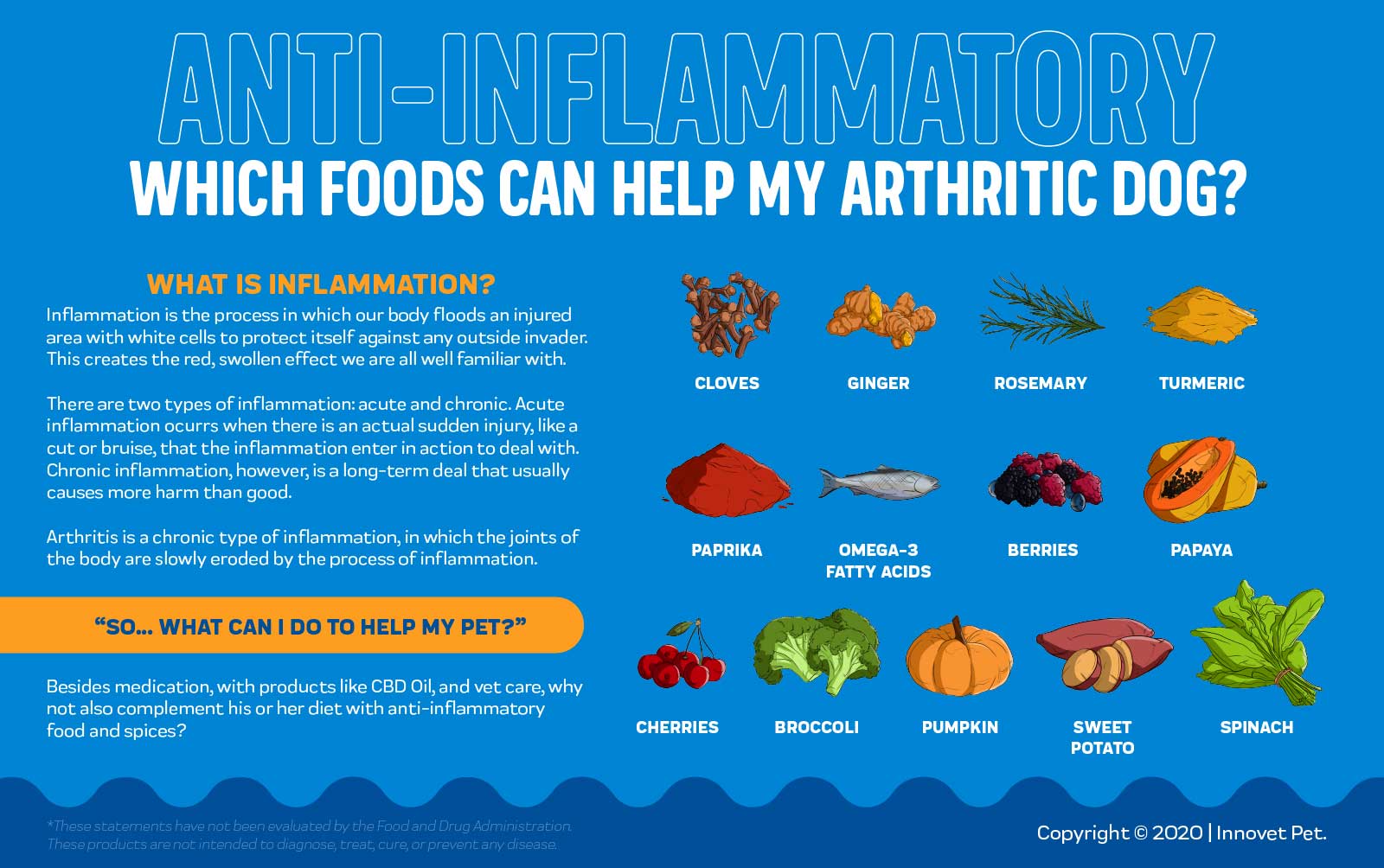
Acute inflammation is short-term and helps heal wounds quickly. It usually goes away after the injury heals. Chronic inflammation lasts longer and can harm the body. It may cause joint pain, skin problems, or organ damage. Chronic inflammation needs careful management, including the right diet.
Ingredients That Fight Inflammation
Choosing the right ingredients in dog food can help reduce inflammation. Certain natural components support your dog’s health and comfort. Foods rich in anti-inflammatory ingredients ease joint pain and improve mobility. Understanding these ingredients helps you pick the best dog food for inflammation relief.
Omega-3 Fatty Acids
Omega-3 fatty acids are vital for fighting inflammation. Found in fish oils and flaxseed, they reduce swelling in joints. These fats support healthy skin and coat too. Dogs with arthritis often benefit from omega-3 rich diets. Including these fats helps lower the body’s inflammatory response.
Antioxidants
Antioxidants protect cells from damage and reduce inflammation. Ingredients like blueberries, spinach, and sweet potatoes contain antioxidants. They help the immune system and promote healing. Antioxidants also support overall health and energy. Feeding dogs antioxidant-rich foods can calm inflammation naturally.
Natural Anti-inflammatories
Some herbs and spices act as natural anti-inflammatories. Turmeric and ginger are popular choices. These ingredients reduce pain and swelling in dogs. They also boost the immune system. Including natural anti-inflammatories in dog food supports joint health and eases discomfort.
Top Dog Food Brands For Inflammation
Choosing the right dog food can help reduce inflammation in dogs. Many brands offer special formulas designed to support joint health and reduce swelling. These foods focus on ingredients that calm the immune system and promote healing. Here are some top dog food brands known for their anti-inflammatory benefits.
Grain-free Options
Grain-free dog foods remove common allergens like wheat and corn. These foods often use sweet potatoes or peas as carbohydrate sources. Brands such as Blue Buffalo Wilderness and Taste of the Wild provide grain-free recipes rich in omega-3 fatty acids. Omega-3s help lower inflammation and support healthy skin and joints.
Limited Ingredient Diets
Limited ingredient diets use fewer components to reduce allergy risks. These diets often include a single protein and carbohydrate source. Brands like Natural Balance and Canidae offer simple recipes that ease digestion and inflammation. These foods suit dogs with sensitive stomachs or food allergies.
Prescription Formulas
Prescription dog foods target specific health issues like inflammation. These diets contain precise nutrients to support joint function. Hill’s Prescription Diet and Royal Canin Veterinary Diet are trusted brands recommended by vets. These foods include antioxidants and omega fatty acids to reduce swelling and pain.
Homemade Anti-inflammatory Dog Meals
Homemade anti-inflammatory dog meals offer a natural way to support your pet’s health. Preparing meals at home lets you control the ingredients. This helps reduce inflammation and improve your dog’s comfort.
Many commercial dog foods contain additives and fillers that may worsen inflammation. Homemade meals avoid these and focus on fresh, wholesome ingredients. Plus, cooking for your dog can be a rewarding experience.
Key Ingredients To Include
Choose ingredients that fight inflammation naturally. Fatty fish like salmon or sardines provide omega-3 fatty acids. These fats help reduce joint pain and swelling.
Vegetables such as sweet potatoes, spinach, and carrots add antioxidants. Antioxidants protect cells from damage and support healing. Turmeric is a powerful spice known for its anti-inflammatory effects. Use it sparingly and mix well with other foods.
Lean proteins like chicken and turkey offer essential nutrients without extra fat. Avoid grains like corn and wheat, which can trigger inflammation in some dogs. Coconut oil can also help with inflammation and improve skin health.
Recipes To Try
Start with a simple salmon and sweet potato meal. Cook salmon thoroughly and mash the sweet potatoes. Mix together with a small amount of spinach for extra nutrients.
Another option is turkey with pumpkin and carrots. Cook ground turkey and steam the vegetables. Combine all ingredients and add a pinch of turmeric for flavor.
Chicken and vegetable stew works well too. Boil chicken breasts with green beans and carrots. Let it cool, then serve in small portions.
Always check with your vet before changing your dog’s diet. Homemade meals can be healthy but need proper balance. Keep meals fresh and store leftovers safely to avoid spoilage.
Feeding Tips For Inflammatory Conditions
Feeding dogs with inflammatory conditions needs care and attention. Proper feeding helps reduce inflammation and improves your dog’s health. Knowing the right steps to feed your dog supports their recovery and comfort.
Portion Control
Give your dog the right amount of food. Too much food can increase inflammation. Measure meals carefully using a kitchen scale or cup. Feed smaller portions more often to avoid stress on the body. Balanced portions keep your dog’s weight healthy. A healthy weight helps reduce inflammation and joint pain.
Transitioning Foods Safely
Change your dog’s food slowly. Sudden changes can upset their stomach. Mix the new food with the old food over 7 to 10 days. Start with a small amount of new food. Gradually increase it while decreasing old food. Watch for signs of discomfort or allergies. A smooth transition helps your dog adjust well to the new diet.

Credit: www.elektro-illi.ch
Supplements That Complement Diet
Supplements can help reduce inflammation in dogs. They support the main diet and improve joint and skin health. Adding the right supplements makes a diet more effective. Choose those with natural anti-inflammatory properties for the best results.
Fish Oil And Flaxseed
Fish oil is rich in omega-3 fatty acids. These acids help lower inflammation and support heart health. Dogs with arthritis or skin problems benefit from fish oil. Flaxseed also contains omega-3 but in a plant-based form. It helps improve the immune system and reduces swelling. Both supplements are easy to add to meals.
Turmeric And Other Herbs
Turmeric contains curcumin, a powerful anti-inflammatory compound. It can help reduce pain and swelling in dogs. Turmeric also supports digestion and liver health. Other herbs like ginger and rosemary have similar effects. These herbs can soothe inflammation and boost overall wellness. Use them in small amounts to avoid side effects.
Signs Your Dog’s Diet Is Working
Signs your dog’s diet is working show in clear ways. Watch your dog closely for changes in health. The right food can ease inflammation and improve life quality. Noticeable improvements often come within weeks.
Improved Mobility
Your dog moves more easily and with less stiffness. Joints feel better, and activity levels rise. Playtime and walks become more enjoyable. You may see your dog running or jumping again. This shows the diet supports joint health well.
Reduced Swelling And Pain
Swollen areas around joints shrink noticeably. Your dog shows less discomfort and fewer signs of pain. Touching sore spots causes less reaction. The diet helps calm inflammation and soothes aches. This relief means the food contains good nutrients for healing.
When To Consult A Vet
Knowing when to consult a vet is key for dogs with inflammation. Proper care helps avoid serious health problems. Watch your dog closely and act quickly if needed. Early vet advice can improve your dog’s comfort and recovery.
Dietary Concerns
Some foods may worsen inflammation in dogs. Sudden changes in diet can cause digestive issues. Vets can recommend the best foods for your dog’s needs. They may suggest special diets or supplements. Always ask a vet before changing your dog’s food.
Persistent Symptoms
Inflammation symptoms that last more than a week need vet attention. Signs include swelling, redness, or constant pain. If your dog limps or has trouble moving, see a vet. Persistent itching or skin problems also require professional care. Early diagnosis helps treat inflammation effectively.
:strip_icc()/Spruce-best-dog-food-at-walmart-4173197-a02410eb5618412b8495e0eaba6420a8.jpg)
Credit: www.thesprucepets.com
Frequently Asked Questions
What Ingredients Reduce Inflammation In Dog Food?
Ingredients like omega-3 fatty acids, turmeric, and antioxidants help reduce inflammation in dogs. They support joint health and immune function.
Which Dog Food Brands Are Best For Inflammation?
Brands such as Hill’s Science Diet, Blue Buffalo, and Royal Canin offer formulas targeting inflammation with quality anti-inflammatory ingredients.
Can A Grain-free Diet Help With Dog Inflammation?
Grain-free diets may reduce inflammation in some dogs, especially those with allergies or sensitivities to grains.
How Does Omega-3 Benefit Dogs With Inflammation?
Omega-3 fatty acids decrease joint swelling and improve mobility by reducing inflammatory responses in dogs.
Conclusion
Choosing the best dog food for inflammation helps your pet feel better. Foods rich in omega-3 and antioxidants support joint health and reduce swelling. Avoiding fillers and artificial ingredients can lower irritation. Remember, every dog is different, so watch for changes in behavior and energy.
Consult your vet for advice tailored to your dog’s needs. Healthy food can improve your dog’s comfort and happiness every day. Small changes in diet make a big difference in fighting inflammation. Care and good nutrition go hand in hand for your dog’s health.


