
If you have a nursing dog, keeping her healthy is your top priority. One important step is making sure she stays free from worms that can harm both her and her puppies.
But with so many dewormers out there, how do you choose the best one for your nursing dog? You want something safe, effective, and gentle. You’ll discover the best dewormers designed just for nursing dogs. By the end, you’ll feel confident in protecting your furry family member without any guesswork.
Keep reading to find the perfect solution for your dog’s health and peace of mind.

Credit: pethelpful.com
Common Parasites In Nursing Dogs
Nursing dogs are vulnerable to parasites that affect their health and their puppies. Parasites can live inside the dog’s body without showing clear signs at first. These parasites can pass to the puppies during nursing or close contact. Knowing common parasites helps in protecting your dog and her litter.
Types Of Intestinal Worms
Several types of intestinal worms infect nursing dogs. Roundworms are the most common and can cause serious illness in puppies. Hookworms attach to the intestines and suck blood, leading to weakness. Tapeworms live in the intestines and shed small segments in the stool. Whipworms are less common but cause diarrhea and weight loss. Each worm type needs specific treatment to be removed.
Signs Of Parasite Infestation
Signs of worms in nursing dogs vary but some are easy to spot. A bloated belly can indicate roundworms in puppies or mother dogs. Weight loss despite a good appetite may mean parasites are stealing nutrients. Diarrhea or vomiting often happens with worm infections. Scratching or biting the rear end suggests tapeworms. Weakness and pale gums show hookworm damage. Early detection helps avoid serious health problems.

Credit: toltrazurilshop.com
Risks Of Deworming During Nursing
Deworming nursing dogs can be tricky. The medicine may pass to puppies through milk. This can cause health issues for both mother and pups. Understanding the risks is important before starting treatment. Careful choice of dewormer and timing can reduce dangers.
Potential Effects On Puppies
Puppies get nutrients and medicines from their mother’s milk. Some dewormers can harm their developing organs. Side effects may include vomiting, diarrhea, or weakness. In rare cases, it may affect brain or nerve development. Puppies’ small size makes them very sensitive to drugs.
Safety Concerns For Nursing Mothers
Nursing mothers undergo stress from birth and feeding. Some dewormers may cause nausea or loss of appetite. This can reduce milk production and weaken the mother. The immune system is also weaker during nursing. Using harsh chemicals may increase risks of side effects.
Criteria For Safe Dewormers
Choosing a safe dewormer for nursing dogs is very important. Nursing dogs need gentle care. The dewormer must not harm the mother or her puppies. Safety is the first priority in selecting any medicine. Understanding the right ingredients helps find the best product. Avoiding harmful chemicals protects your dog’s health. These points guide you to the safest choice.
Ingredients To Look For
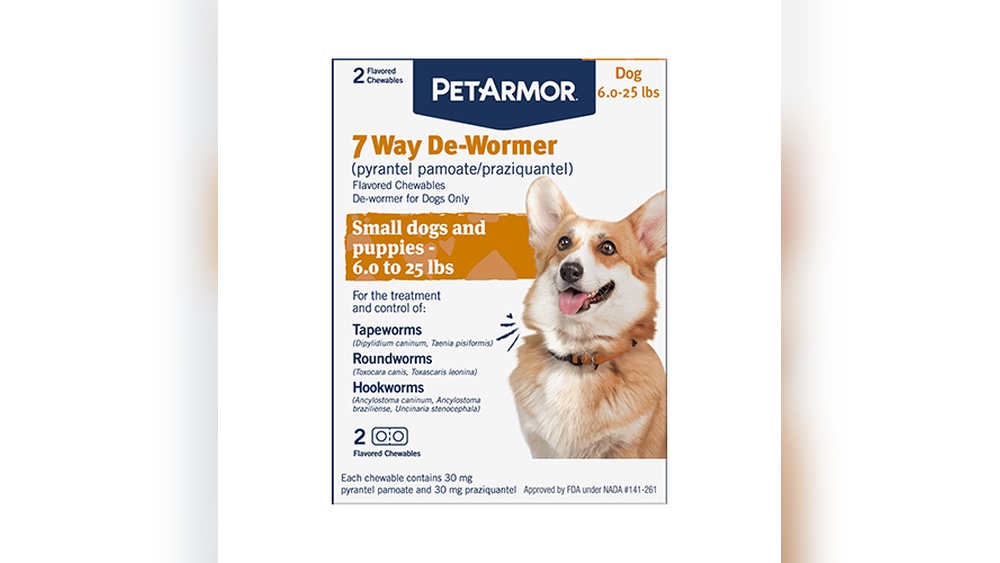
Safe dewormers often contain natural or mild ingredients. Pyrantel pamoate is common and effective. It kills roundworms and hookworms without strong side effects. Fenbendazole is another safe choice. It works on many types of worms. Ingredients that target specific worms reduce risk. Choose dewormers that list these proven, gentle ingredients.
Avoiding Harmful Chemicals
Some chemicals can be dangerous for nursing dogs. Avoid products with high levels of pesticides or toxins. Chemicals like organophosphates may cause serious harm. Harsh chemicals can pass through milk to puppies. This can affect their growth and health. Check labels carefully to skip these ingredients. Pick products tested for safety in nursing dogs.
Top Deworming Options
Choosing the right dewormer for nursing dogs is important for their health and puppies’ safety. Deworming helps protect both mother and pups from harmful parasites. There are several options available, including medications and natural remedies. Each option has its own benefits and safety considerations.
Understanding the choices can help you make the best decision for your nursing dog. Let’s explore the top deworming options used by many pet owners and veterinarians.
Prescription Medications
Prescription dewormers are medicines given by a vet. These drugs target a wide range of worms quickly and effectively. Common types include fenbendazole, pyrantel pamoate, and milbemycin oxime. These medicines are tested for safety in nursing dogs and their puppies. Vets often recommend them to clear infections without harming the mother or pups. Dosing is important and must follow the vet’s advice strictly. These drugs work fast and are reliable for serious worm problems.
Natural Remedies
Natural remedies use plants and herbs to fight worms. Some popular options are pumpkin seeds, garlic, and diatomaceous earth. These remedies may help reduce worm numbers gently. They pose less risk of side effects for nursing dogs. Natural options are often used alongside vet treatments. Their effectiveness varies and may take longer to work. Always check with a vet before starting any natural remedy. Safety is key, especially for nursing mothers and their puppies.
Proper Deworming Schedule
Keeping nursing dogs free from worms is vital for their health and their puppies’ well-being. A proper deworming schedule helps prevent infections and keeps the mother strong. It also reduces the risk of passing parasites to the puppies through milk or close contact.
Understanding the right timing and how often to treat nursing dogs ensures safe and effective worm control. This care supports the growth of healthy puppies and keeps the mother comfortable during nursing.
Timing For Nursing Dogs
Deworming should start before the dog gives birth. Treating the mother late in pregnancy helps reduce worm transmission to puppies. After birth, the first dose can be given when puppies are about two weeks old.
Choose dewormers safe for nursing dogs and approved by your vet. Avoid treatments during the first few days after delivery unless recommended. This timing protects both mother and puppies from side effects.
Frequency Of Treatment
Worm treatments for nursing dogs usually happen every two to three weeks. Continue this routine until puppies reach eight weeks old. This schedule breaks the worm life cycle effectively.
After the puppies start eating solid food, the mother may need fewer treatments. Always follow your vet’s advice on frequency. Regular check-ups help adjust the plan as needed for best results.

Credit: www.businessinsider.com
Veterinary Guidance And Monitoring
Veterinary guidance and monitoring play a key role in safely deworming nursing dogs. Nursing mothers have unique health needs. Worm treatments must protect both the dog and her puppies. Professional advice helps choose the right medicine and dosage. Careful monitoring ensures effective treatment and avoids risks.
Consulting Your Vet
Start by talking to your veterinarian before deworming. The vet will review the dog’s health and nursing status. They recommend a safe dewormer suitable for nursing dogs. The vet also checks for any allergies or health issues. Follow the vet’s instructions exactly for dosage and timing. Never use over-the-counter medicines without vet approval. A vet’s guidance reduces health risks for mother and puppies.
Follow-up And Testing
After treatment, regular follow-up visits are important. The vet will monitor the dog’s response to the dewormer. Stool tests may be done to check if worms are gone. Follow-up helps detect any side effects early. Additional treatments may be necessary based on test results. Monitoring ensures the health of the nursing dog and her puppies stays strong.
Preventing Future Infestations
Preventing future infestations in nursing dogs is key to keeping them healthy. Parasites can easily return without proper care. Taking steps beyond deworming helps protect your dog and puppies. Clean surroundings and good habits reduce parasite risks. This section covers simple ways to avoid reinfestation.
Hygiene Practices
Clean your dog’s bedding regularly. Wash it in hot water to kill parasite eggs. Bathe your dog with gentle shampoo to remove dirt and pests. Keep your dog’s fur brushed to spot any signs of parasites early. Always wash your hands after handling your dog or cleaning its area.
Environmental Control
Keep your yard free of feces. Parasites often spread through contaminated soil. Remove waste daily to stop eggs from growing. Limit your dog’s access to wild animals or other dogs that might carry parasites. Use safe pest control methods around the house to reduce insect carriers.
Frequently Asked Questions
What Is The Safest Dewormer For Nursing Dogs?
The safest dewormers for nursing dogs are those approved by veterinarians. Common options include pyrantel pamoate and fenbendazole. These medications effectively eliminate common parasites without harming puppies or affecting milk quality. Always consult your vet before administering any dewormer to ensure safety and proper dosage.
When Should Nursing Dogs Be Dewormed?
Nursing dogs should be dewormed at the start of lactation and again after weaning. Deworming prevents parasite transmission to puppies through milk. Follow your vet’s recommended schedule to maintain both the mother’s and puppies’ health. Proper timing ensures effective parasite control during this vulnerable period.
Can Dewormers Affect Milk Production In Nursing Dogs?
Most dewormers approved for nursing dogs do not affect milk production. However, some medications may cause mild side effects. Always choose vet-recommended dewormers to minimize risks. If you notice changes in milk supply after treatment, consult your veterinarian promptly for guidance.
How To Choose The Best Dewormer For Nursing Dogs?
Choose a dewormer based on your dog’s health, parasite type, and vet advice. Select products specifically labeled safe for nursing dogs. Consider broad-spectrum options to cover multiple parasites. Always prioritize medications with proven safety profiles for lactating mothers and consult your vet before use.
Conclusion
Choosing the right dewormer keeps nursing dogs healthy and strong. Safe products protect both mother and puppies. Always follow your vet’s advice for best results. Regular deworming helps prevent common parasite problems. Clean living spaces also reduce risks of infections.
Healthy dogs make happy pets and caring companions. Keep your nursing dog comfortable and parasite-free for better care. Small steps make a big difference in their well-being. Trust in safe treatments and watch your dog thrive.


