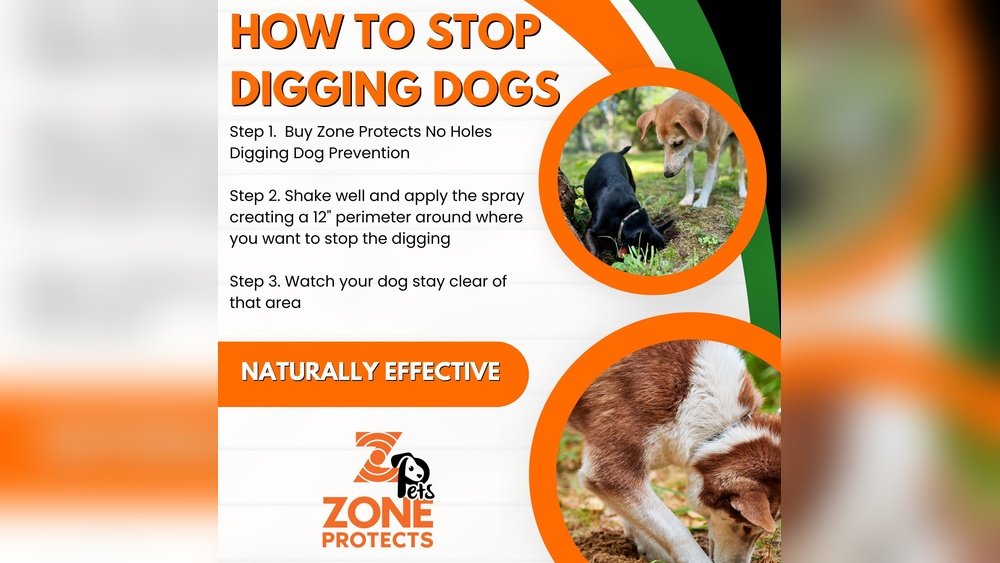
Is your yard starting to look like a mini excavation site thanks to your dog’s digging habit? If you’re tired of finding holes every time you step outside, you’re not alone.
Digging can be frustrating, messy, and even dangerous for your furry friend. But what if you could stop this behavior without stress or punishment? You’ll discover the best way to stop dogs from digging—simple, effective steps that protect your yard and keep your dog happy.
Keep reading, because the solution might be easier than you think.
Why Dogs Dig
Dogs dig for many reasons. Understanding why they dig helps stop this behavior. Digging is natural but can cause problems in your yard. Knowing the cause makes training easier and more effective.
Instinctive Behavior
Digging comes from a dog’s natural instincts. Wild dogs dig to find food or make a safe place. Some breeds dig more because of their history. Terriers and hounds, for example, love to dig. This behavior is often hard to stop completely.
Boredom And Anxiety
Dogs dig when they feel bored or anxious. Lack of exercise and mental stimulation leads to digging. It helps them release energy and stress. Dogs left alone for long periods often dig. Providing toys and playtime reduces this behavior.
Seeking Comfort Or Attention
Dogs may dig to find comfort or get attention. They dig to cool down on hot days or create a soft spot. Some dogs dig to make their owners notice them. Training and giving attention at the right time helps. This stops digging caused by loneliness or heat.
Credit: doggoneamazing.com
Signs Your Dog Is Digging Too Much
Dogs love to dig. It is a natural behavior for many breeds. But digging too much can cause problems for both dogs and their owners. Knowing the signs your dog digs too much helps you stop the habit early. Watch your dog’s actions and the effects on your yard and health.
Damage To Yard
One clear sign is damage to your yard. Holes appear in the grass or flower beds. Plants get uprooted or broken. Soil gets scattered around. The yard looks messy and worn out. This damage can make your outdoor space less enjoyable. It may also cost money to repair.
Behavioral Changes
Changes in your dog’s behavior can show digging problems. Your dog may dig more when stressed or anxious. Sometimes, dogs dig out of boredom or loneliness. Notice if your dog digs at certain times or places. Frequent digging might mean your dog needs more attention or exercise.
Health Concerns
Digging too much can lead to health issues. Dogs can hurt their paws on sharp objects underground. They might get ticks or fleas from soil. Constant digging may cause skin infections or sores. Watch for limping or licking paws often. These signs mean your dog needs care and a digging solution.
Effective Training Techniques
Stopping dogs from digging requires clear and effective training. You need methods that teach your dog what to do instead. Training helps your dog learn rules and good habits. It also builds a strong bond between you and your pet. The key is patience and consistency in every session.
Positive Reinforcement
Positive reinforcement means rewarding good behavior. Give treats or praise when your dog stops digging. This makes your dog want to repeat the good action. Avoid punishing your dog for digging. Punishment can cause fear and confusion. Instead, reward calm and quiet behavior around the yard.
Redirecting Energy
Dogs dig because they have extra energy. Give your dog other activities to burn off energy. Play fetch or go for walks regularly. Offer toys that keep your dog busy. Redirect your dog to dig in a safe spot. This helps your dog satisfy the digging urge without damage.
Consistent Commands
Use simple commands like “No dig” or “Leave it.” Say the same words each time your dog digs. Consistency helps your dog understand what you expect. Practice commands often in short sessions. Reward your dog when it listens. Clear commands and rewards build good habits fast.
Environmental Adjustments
Changing your dog’s environment helps reduce digging. Dogs dig for many reasons: fun, boredom, or to cool down. Adjusting their surroundings stops digging before it starts. Simple changes can keep your yard safe and your dog happy.
Creating A Digging Zone
Give your dog a special place to dig. Choose a spot with soft soil or sand. Teach your dog to dig only there. Bury toys or treats to make it fun. Praise your dog when digging in this zone.
Improving Exercise Routine
Exercise reduces your dog’s energy and need to dig. Walk your dog every day, at least 30 minutes. Play fetch or run to tire them out. A tired dog digs less and behaves better. Change activities to keep your dog interested.
Using Deterrents Safely
Use safe tools to discourage digging in unwanted areas. Place rocks or sticks where your dog digs. Try natural scents like citrus or vinegar to repel digging. Avoid harmful chemicals or harsh punishments. Keep your dog safe and calm while training.
Tools And Products That Help
Stopping dogs from digging can be easier with the right tools and products. These items help protect your garden and keep your dog happy. Using a mix of solutions often works best. Here are some effective options to consider.
Anti-digging Sprays
Anti-digging sprays use scents dogs dislike. These sprays make the digging spot unpleasant. They are safe for pets and plants. Spray the areas where your dog digs most. Reapply after rain or watering. This helps teach your dog to stay away.
Physical Barriers
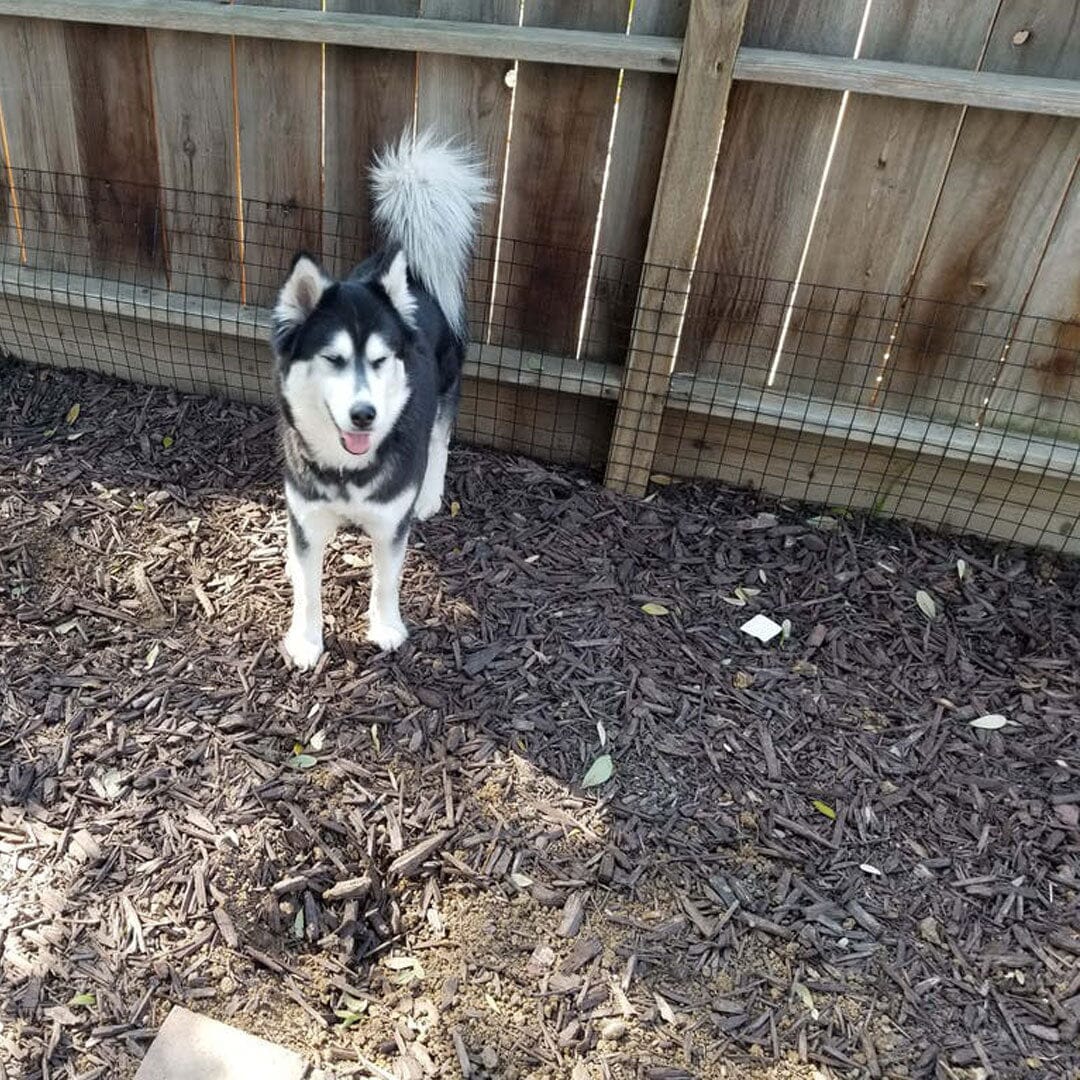
Physical barriers block dogs from reaching the soil. Fences, chicken wire, or garden mesh work well. Place barriers just under the soil surface. This stops digging without hurting your dog. Barriers create a clear no-dig zone. They protect plants and keep the yard neat.
Interactive Toys
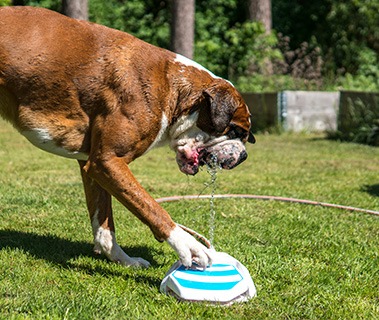
Interactive toys keep dogs busy and distracted. Puzzle feeders and treat balls are good choices. These toys challenge your dog’s mind and body. A tired dog digs less. Use toys during peak digging times. They help your dog stay entertained and calm.
Credit: www.dogproofer.com
When To Consult A Professional
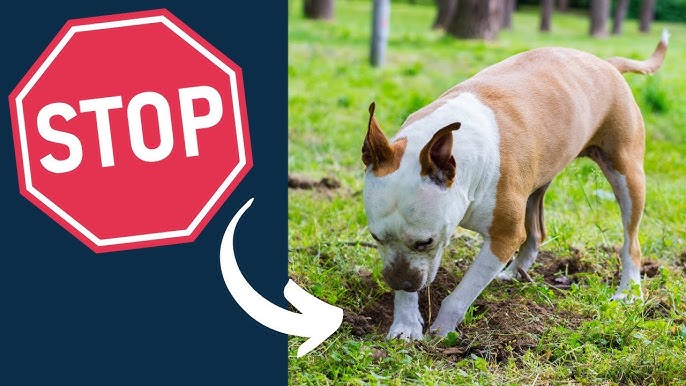
Dogs dig for many reasons. Sometimes, it is fun or a way to cool down. Other times, digging shows anxiety or boredom. If digging becomes constant or damaging, getting help is wise. Professional advice can guide you and your dog toward better behavior.
Behavioral Specialists
Behavioral specialists understand dog habits well. They find out why your dog digs too much. Specialists use tests and observations to learn about your dog’s feelings. They suggest ways to stop digging safely. Their advice fits your dog’s unique needs.
Veterinary Advice
Veterinarians check if health issues cause digging. Pain or discomfort might make dogs dig. A vet exam can find skin problems or parasites. Vets also check for anxiety or stress signs. Treating health problems often reduces digging behavior.
Training Classes
Training classes teach dogs new habits. Trainers show dogs how to behave outside. These classes provide exercises that stop digging. Owners learn how to guide their dogs well. Group classes also give dogs social time with others.
Credit: www.youtube.com
Frequently Asked Questions
Why Do Dogs Dig In The Yard?
Dogs dig to seek comfort, hide toys, or relieve boredom. It’s a natural behavior linked to instincts. Addressing their needs and providing proper stimulation helps reduce digging.
How Can I Stop My Dog From Digging Holes?
Provide exercise, mental stimulation, and designated digging areas. Use positive reinforcement to reward good behavior. Avoid punishment, as it may worsen digging issues.
What Are Safe Deterrents To Keep Dogs From Digging?
Use natural repellents like citrus peels or vinegar. Motion-activated sprinklers or barriers also work. Ensure deterrents are safe and do not harm your dog.
Can Training Prevent Dogs From Digging Excessively?
Yes, consistent training redirects digging behavior. Teach commands like “leave it” or “no dig. ” Reward compliance and be patient for effective results.
Conclusion
Stopping dogs from digging takes patience and consistency. Provide your dog with enough play and exercise. Create a special digging spot to satisfy their needs. Use gentle training to guide your dog’s behavior. Watch your dog closely to catch digging early.
Remember, digging is natural but can be managed well. Your effort will help keep your yard neat. Enjoy a happy dog and a tidy garden. Small steps lead to big changes over time. Keep trying, and you will see results.