Choosing the best training collar for your dog can feel overwhelming. You want something effective, safe, and comfortable for your furry friend.
But with so many options out there, how do you know which one is right for you? This guide will help you cut through the confusion and find the perfect collar that fits your training needs and keeps your dog happy.
Keep reading to discover expert tips and top picks that make training easier for both you and your dog.
:strip_icc()/sps-dexil-training-collar-alisa-healy-18-e839d407c94d41409afc67d02f1986a3.jpeg)
Credit: www.thesprucepets.com
Types Of Training Collars
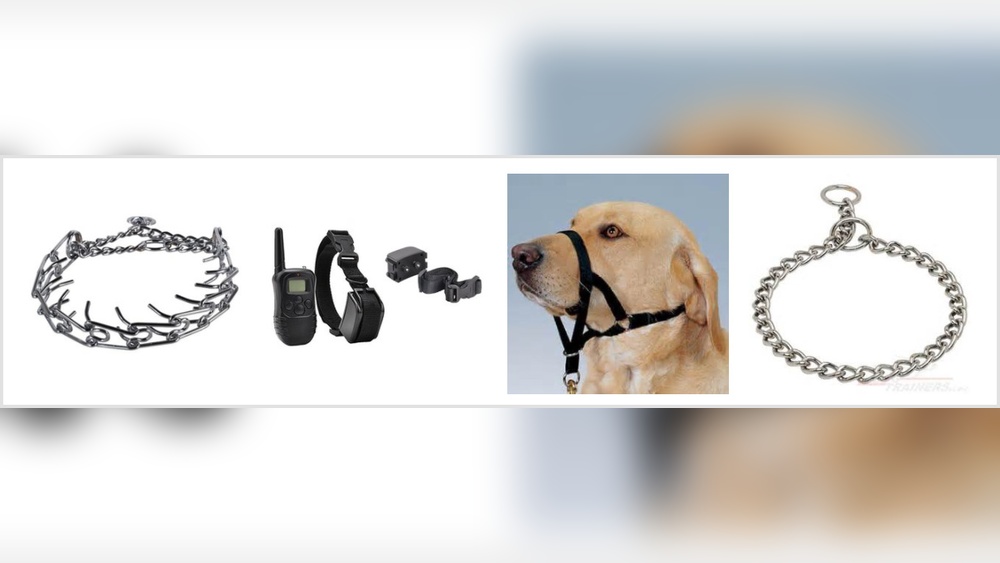
Training collars help guide dogs during learning. They come in different types for various training needs. Each collar works differently and suits different dogs and situations. Knowing the types helps choose the right collar for safe training.
Shock Collars
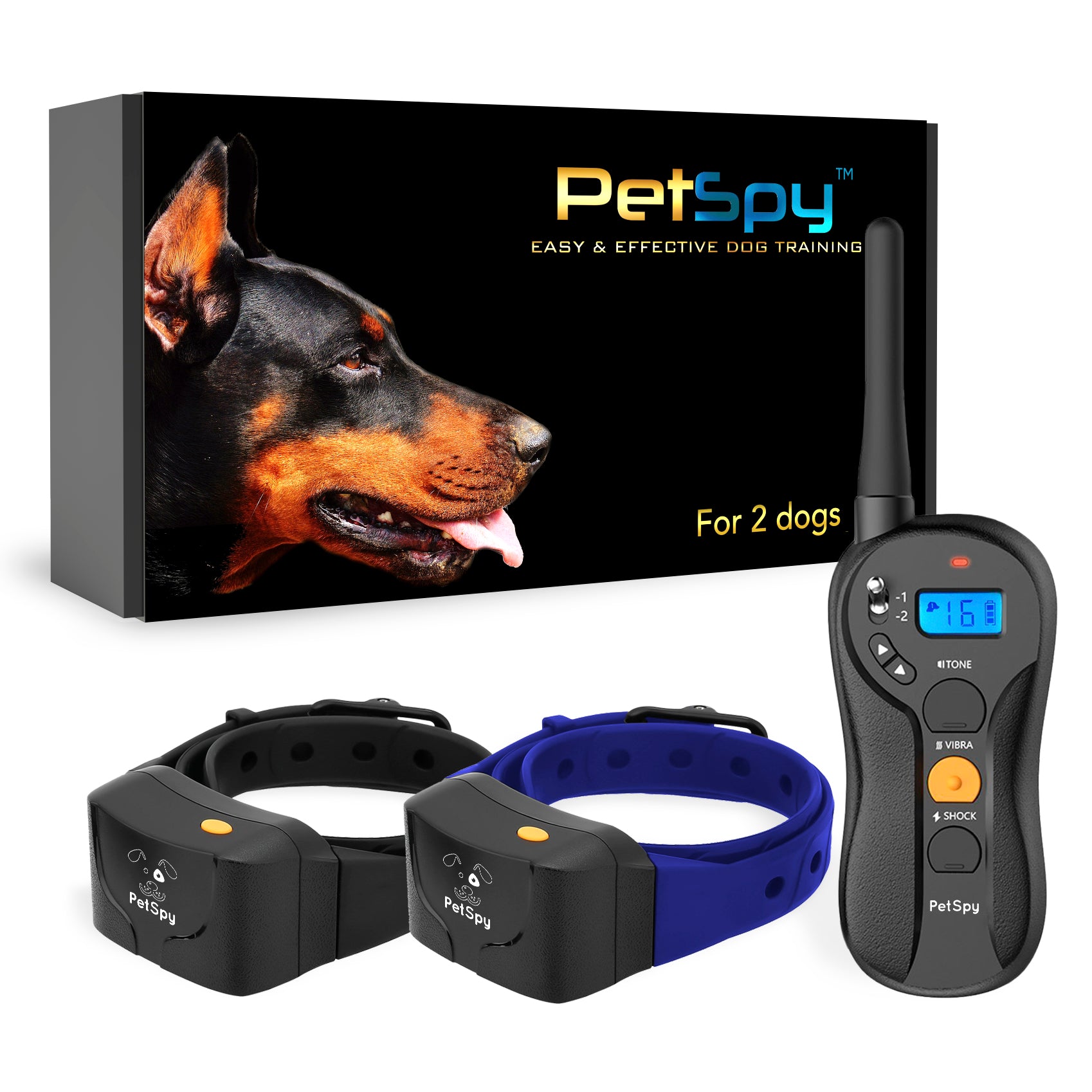
Shock collars send a mild electric pulse to the dog’s neck. The pulse acts as a warning to stop bad behavior. Some collars have adjustable levels for control. Use shock collars carefully to avoid stress or harm.
Vibration Collars
Vibration collars use a buzzing sensation to get the dog’s attention. They do not cause pain or discomfort. These collars are good for sensitive dogs. Vibrations often signal commands or stop unwanted actions.
Spray Collars
Spray collars release a quick burst of air or scent. The spray distracts the dog from bad habits. Some use citronella, which dogs find unpleasant. This type suits dogs that respond to smells better than shocks.
Ultrasonic Collars
Ultrasonic collars emit a high-pitched sound only dogs hear. The sound interrupts unwanted behavior without pain. They are silent to humans but clear to dogs. These collars are gentle and useful for sensitive dogs.
Martingale And Prong Collars
Martingale collars tighten slightly to prevent slipping off. They give gentle control without choking. Prong collars have metal prongs that press the neck. Use prong collars only under expert guidance. Both types help with leash training and control.
Key Features To Consider
Choosing the right training collar for your dog means focusing on important features. These features help ensure the collar works well and keeps your dog safe and comfortable. Understanding these key points makes training easier and more effective.
Adjustable Settings
Good collars offer adjustable settings for different dogs. You can change the intensity and type of stimulus. This helps find the right level for your dog’s size and temperament. Adjustable settings prevent overcorrection or discomfort.
Range And Battery Life
Range matters for training at a distance. A longer range lets you train your dog in open areas. Battery life is also crucial. Long-lasting batteries reduce interruptions during training sessions. Look for collars with easy-to-recharge batteries.
Comfort And Fit
A collar must fit your dog well. Too tight or loose collars cause discomfort or fall off. Soft materials reduce skin irritation. Lightweight collars keep your dog happy and focused during training.
Durability And Build Quality
Durable collars resist wear and tear. Quality materials withstand rough play and weather. Strong clasps and waterproof designs increase collar life. A well-built collar saves money by lasting longer.
Safety Mechanisms
Safety features protect your dog during training. Look for automatic shut-off to avoid excessive stimulation. Some collars have warning signals before delivering corrections. These mechanisms keep training safe and humane.
Top Training Collar Brands
Finding the right training collar helps shape good dog behavior. Many brands offer collars with different features. Quality, safety, and ease of use are key factors.
Some brands stand out for their reliability and customer satisfaction. These brands create collars suited for various dog sizes and training needs.
Brand A
Brand A offers collars known for durability and clear signals. Their collars work well for small to large dogs. Many trainers trust Brand A for basic and advanced training.
Brand B
Brand B focuses on humane training collars. They use gentle vibrations and sounds to guide dogs. This brand suits owners who want a kinder approach.
Brand C
Brand C provides collars with adjustable settings. Users can control the intensity to match their dog’s temperament. This brand is popular for its flexibility and comfort.
Brand D
Brand D is known for smart collars with remote controls. These collars offer quick response and easy handling. They work well for outdoor and off-leash training.

Credit: www.amazon.com
How To Choose The Right Collar
Training a dog with a collar needs care and patience. Using a training collar correctly helps your dog learn faster. These tips focus on safe and effective training. Follow these steps for better results.
Proper Collar Introduction
Introduce the collar gently. Let your dog wear it for short times at first. Watch how your dog reacts. Adjust the collar to fit snugly but not tight. Avoid forcing the collar on too soon. This makes your dog feel calm and safe.
Consistent Commands
Use simple and clear commands. Speak the same words every time. For example, say “sit” once and wait. Repeat commands only if needed. Consistency helps your dog understand what you want quickly.
Positive Reinforcement
Praise your dog when it obeys commands. Give treats or pet your dog gently. Positive feedback makes training fun. It motivates your dog to listen and learn. Avoid punishment during training sessions.
Avoiding Common Mistakes
Do not yank or pull the collar sharply. Avoid confusing signals or mixed commands. Never use the collar to scare your dog. Give training sessions short and regular times. Patience and kindness improve training success.
Credit: petspy.com
Frequently Asked Questions
What Features Make A Training Collar Best For Dogs?
The best training collar offers adjustable levels, safety, comfort, and durability. It should have clear signals and be easy to use. Effective collars promote positive behavior without causing harm or stress to your dog.
Are Electronic Collars Safe For Dog Training?
When used correctly, electronic collars are safe. They provide gentle stimulation to guide behavior. Always follow instructions and avoid excessive use to prevent discomfort or anxiety in dogs.
How Do Training Collars Improve Dog Obedience?
Training collars deliver timely cues that help dogs understand commands. They reinforce good behavior and discourage unwanted actions. This consistent feedback speeds up learning and strengthens the human-dog bond.
Can All Dog Breeds Use Training Collars?
Most breeds can use training collars, but size and temperament matter. Smaller or sensitive dogs need collars designed for gentle correction. Always choose collars suitable for your dog’s specific needs.
Conclusion
Choosing the best training collar depends on your dog’s size and behavior. Comfort and safety should always come first. Test the collar gently to see how your dog reacts. Consistency in training helps your dog learn faster. Patience is key during the training process.
Remember, the right collar supports positive behavior, not fear. Take time to find what fits your dog best. Training becomes easier with the right tools and care. Your dog will thank you with good behavior.