If your dog has a double coat, you know how tricky it can be to keep their fur healthy and tangle-free. Choosing the best dog brush for double coats can make all the difference in your pet’s comfort and your grooming routine.
Imagine a brush that easily reaches through thick undercoats without hurting your furry friend—sounds perfect, right? You’ll discover the top brushes designed specifically for double-coated dogs, helping you save time and keep your dog looking and feeling great. Keep reading to find the perfect brush your dog deserves.

Credit: www.walmart.com
Benefits Of Grooming Double Coats
Grooming double coats is essential for dogs with thick fur. It keeps their coat clean and healthy. Regular brushing helps manage the dense undercoat and the longer topcoat. Proper care prevents problems and keeps your dog comfortable.
Using the right dog brush makes grooming easier and more effective. It helps remove dirt and loose hair. Grooming also strengthens the bond between you and your pet. Here are the key benefits of grooming double coats.
Preventing Mats And Tangles
Double coats are prone to mats and tangles. These can cause pain and skin issues. Regular brushing stops mats from forming. It keeps the fur smooth and soft. Removing tangles early avoids discomfort for your dog.
Maintaining Healthy Fur And Skin
Brushing spreads natural oils across the coat. These oils protect and shine the fur. Grooming also removes dirt and dead skin cells. It helps keep the skin clean and healthy. A well-groomed coat shows a happy, healthy dog.
Reducing Shedding
Double coats shed a lot, especially during seasonal changes. Brushing removes loose fur before it falls off. This reduces hair around the house. Regular grooming controls shedding and keeps your dog comfortable. It also helps prevent clogged air filters and furniture covered in fur.
Credit: www.rover.com
Types Of Brushes For Double Coats
Double-coated dogs need special brushes to keep their fur healthy. These dogs have two layers of fur. The top coat is longer and protects from dirt and water. The undercoat is soft and keeps the dog warm. Different brushes work well on these layers. Using the right brush stops matting and shedding.
Brushes for double coats come in many types. Each type has a specific job. Some remove loose hair. Others untangle knots. Understanding these brushes helps you care for your dog’s coat better.
Slicker Brushes
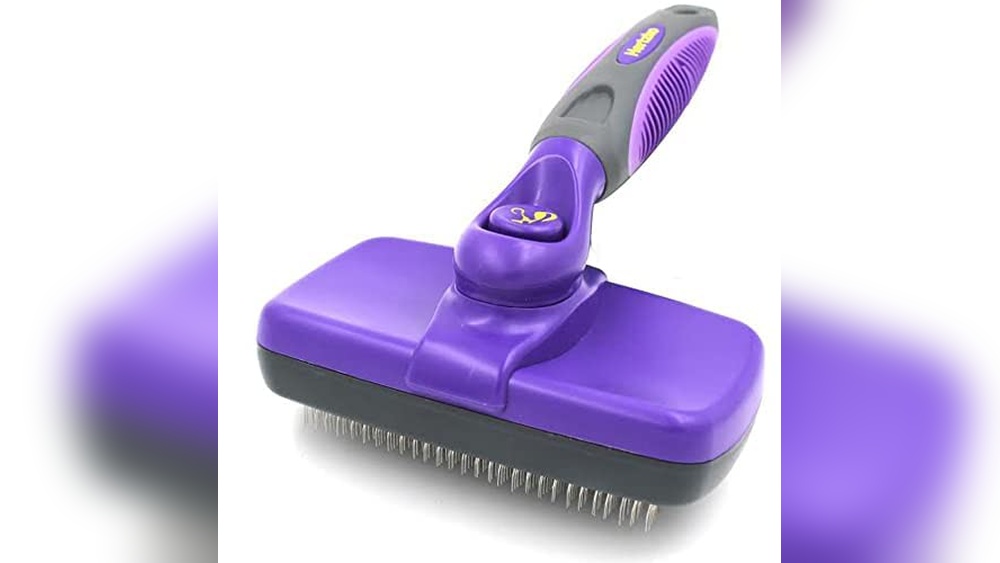
Slicker brushes have fine, short wires close together. They remove loose fur and dirt. They also help untangle mats and knots. These brushes work well on the top coat. Use them gently to avoid hurting the dog’s skin.
Undercoat Rakes
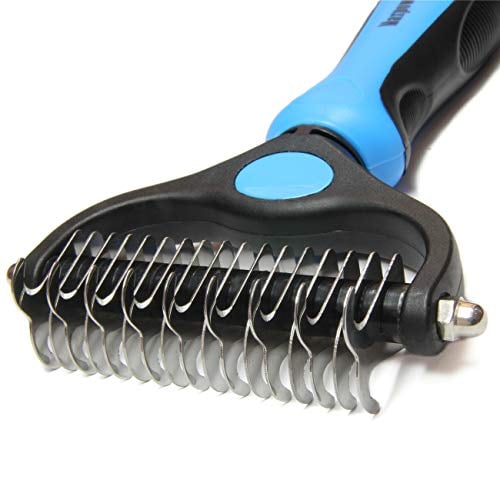
Undercoat rakes reach deep into the fur. They pull out loose undercoat hair. This reduces shedding and stops matting under the top coat. These rakes have wider teeth than slicker brushes. They are perfect for thick double coats.
Pin Brushes
Pin brushes have long, rounded pins. They smooth and shine the outer coat. They do not remove much undercoat hair. Use them after other brushes to finish grooming. Pin brushes are gentle and good for sensitive skin.
De-shedding Tools
De-shedding tools remove loose undercoat hair fast. They have sharp edges that slide through the fur. These tools reduce shedding greatly. Use them carefully to avoid cutting the top coat. They work best during heavy shedding seasons.
Key Features To Consider
Choosing the right dog brush for double coats matters a lot. The best brush helps keep your dog’s fur clean and healthy. It removes loose fur and stops mats from forming. Some features make a brush better than others. Knowing these features saves time and effort during grooming.
Bristle Material And Design
Bristles should be strong but gentle on your dog’s skin. Stainless steel pins work well for thick double coats. They reach deep into the fur to remove loose hair. Look for rounded tips to avoid scratching. A mix of bristle lengths can help untangle and smooth the coat.
Handle Comfort And Grip
A good handle fits well in your hand. It should prevent slipping, even if your hands get wet. Soft, rubber grips offer more control. A comfortable handle means longer grooming sessions without hand pain. It also helps brush hard-to-reach areas with ease.
Durability And Maintenance
Choose a brush made from strong materials. It should last through many grooming sessions. Easy cleaning is important to keep the brush working well. Some brushes have self-cleaning features or removable parts. A durable brush saves money and stays effective longer.
Top Brushes For Tangle-free Grooming
Double-coated dogs need special brushes to keep their fur neat. Tangles and mats can cause pain and skin problems. The right tools make grooming easy and gentle. Using the best brushes helps remove loose fur and prevent knots. This keeps your dog comfortable and looking great.
Here are top brushes that work well for tangle-free grooming on double coats. Each type has unique features to suit different needs. Choose one or combine several for the best care.
Best Slicker Brush Picks
Slicker brushes have fine, short wires close together. They slide through thick fur and catch loose hair. These brushes are gentle and help break up small mats. They smooth the coat without hurting your dog’s skin. Slicker brushes work well on both the outer coat and undercoat.
Best Undercoat Rakes
Undercoat rakes reach deep under the top coat. They remove loose undercoat fur that causes shedding. These rakes reduce tangles by clearing thick layers beneath. They keep the coat light and airy. Use them regularly to stop mats from forming inside the fur.
Best Multi-purpose Brushes
Multi-purpose brushes combine features of slicker brushes and rakes. They help detangle, remove loose hair, and smooth the coat. These brushes save time by doing more in one tool. They work well for daily grooming and quick touch-ups. A multi-purpose brush suits many double-coated breeds.
Tips For Grooming Double Coats
Grooming double coats needs care and attention. These coats have two layers: a soft undercoat and a rough topcoat. Proper grooming keeps your dog’s skin healthy. It also reduces shedding and tangles. Here are some useful tips to groom double coats effectively.
Brushing Frequency
Brush your dog at least two to three times a week. During shedding season, increase brushing to daily. Regular brushing removes loose hair and dirt. It helps air reach the skin and prevents mats. Short sessions work best for sensitive dogs.
Techniques To Avoid Skin Irritation
Use gentle strokes to protect your dog’s skin. Start brushing from the base of the coat, not the surface. Avoid pulling on knots or mats harshly. Use a detangling spray if needed. Check the skin often for redness or sores.
Combining Tools For Best Results
Use a slicker brush for topcoat tangles. A de-shedding tool works well on the undercoat. Finish with a comb to catch small knots. Different tools reach different coat layers. This combination keeps the coat clean and smooth.

Credit: lespoochs.com
Frequently Asked Questions
What Is The Best Brush For Double-coated Dogs?
The best brush for double-coated dogs removes loose fur and prevents matting. Slicker brushes and undercoat rakes work well. They reach the dense undercoat without damaging the topcoat, keeping your dog comfortable and clean.
How Often Should I Brush A Double-coated Dog?
Brush double-coated dogs at least twice a week. During shedding seasons, daily brushing helps manage loose fur. Regular grooming reduces mats, promotes healthy skin, and keeps your dog’s coat shiny and clean.
Can I Use A Regular Brush On Double Coats?
Regular brushes often miss the dense undercoat. Specialized brushes like undercoat rakes or slicker brushes are better. They effectively remove loose hair and prevent tangles without harming the coat’s texture.
Why Is Grooming Important For Double-coated Dogs?
Grooming removes dead hair, reduces shedding, and prevents matting. It improves skin health and helps regulate body temperature. Regular brushing also strengthens the bond between you and your dog.
Conclusion
Choosing the right dog brush helps keep your pet’s coat healthy. Double coats need special care to avoid mats and shedding. Regular brushing removes loose hair and dirt gently. This keeps your dog comfortable and happy. A good brush saves time and effort during grooming.
Your dog will enjoy the attention and touch. Try different brushes to find what works best. Consistent grooming strengthens your bond with your dog. A well-brushed coat looks shiny and feels soft. Take care of your dog’s coat every week.