If your dog struggles with digestion or irregular bowel movements, you know how tough it can be to watch them feel uncomfortable. Adding the right fiber supplement to your dog’s diet can make a huge difference in their health and happiness.
But with so many options out there, how do you choose the best one for your furry friend? You’ll discover the top fiber supplements that are safe, effective, and easy to use. Keep reading to find the perfect solution that will help your dog feel their best every day.

Credit: www.amazon.com
Benefits Of Fiber For Dogs
Fiber plays an important role in a dog’s health. It helps keep their digestive system working well and supports other body functions. Adding fiber supplements to a dog’s diet can bring many benefits. These benefits improve the dog’s overall well-being and make daily care easier for owners.
Improving Digestive Health
Fiber helps move food smoothly through the digestive tract. It adds bulk to the stool, which prevents constipation. Fiber also feeds good bacteria in the gut. These bacteria help break down food and fight harmful germs. A healthy gut means fewer tummy problems and better digestion.
Supporting Weight Management
Fiber makes dogs feel full longer after eating. This reduces the chance of overeating and snacking. It slows down the digestion of food, so energy is released slowly. Dogs with a healthy weight are less likely to face health issues. Fiber helps maintain a balanced diet and steady weight.
Enhancing Nutrient Absorption
Fiber supports the gut lining, allowing better nutrient absorption. It helps the body take in vitamins and minerals from food. This leads to stronger bones, healthier skin, and more energy. When dogs absorb nutrients well, their body functions improve overall.
Credit: toegrips.com
Types Of Fiber Supplements
Fiber supplements help improve your dog’s digestion and overall health. Different types of fiber serve different purposes. Understanding these types will help you choose the best option for your dog’s needs.
Some fibers absorb water and form a gel-like substance, while others add bulk to the stool. Fiber supplements come from natural sources or are made synthetically. Each type affects your dog’s body in a unique way.
Soluble Vs Insoluble Fiber
Soluble fiber dissolves in water and forms a gel. It slows digestion and helps control blood sugar levels. This fiber is gentle on your dog’s stomach and supports good bacteria in the gut.
Insoluble fiber does not dissolve in water. It adds bulk to the stool and helps move waste through the digestive system. It is useful for dogs with constipation or irregular bowel movements.
Natural Fiber Sources
Natural fibers come from plants like pumpkin, oats, and psyllium husk. These fibers provide both soluble and insoluble types. Natural sources are easy to digest and often contain extra nutrients.
Many dog foods include natural fiber from vegetables and grains. These sources support overall health and keep your dog’s digestion steady.
Synthetic Fiber Options
Synthetic fibers are made in laboratories for specific health needs. They often contain purified fiber like methylcellulose or inulin. These fibers are consistent in quality and dosage.
Synthetic fiber supplements can target problems like diarrhea or constipation. They help balance your dog’s digestive system when natural fibers are not enough.
Top Fiber Supplements For Dogs
Fiber is essential for your dog’s digestive health. It helps regulate bowel movements and supports good gut bacteria. Some dogs may need extra fiber in their diet for better digestion or weight management. Several fiber supplements work well for dogs and are easy to add to their meals.
Psyllium Husk
Psyllium husk is a natural fiber that absorbs water and forms a gel-like substance. It helps soften stool and eases constipation. This fiber also promotes regular bowel movements and supports colon health. Many dog owners use psyllium husk to improve digestion safely.
Pumpkin Powder
Pumpkin powder is rich in fiber and gentle on the stomach. It helps treat both diarrhea and constipation in dogs. This supplement provides important vitamins and minerals too. Most dogs enjoy its mild taste mixed with their food.
Beet Pulp
Beet pulp comes from sugar beets and is a good source of soluble fiber. It helps maintain healthy digestion and supports beneficial gut bacteria. Beet pulp adds bulk to stool and helps with regularity. Many dog foods include beet pulp as a fiber source.
Flaxseed
Flaxseed contains both soluble and insoluble fiber. It promotes smooth digestion and healthy bowel movements. Flaxseed also provides omega-3 fatty acids, which support skin and coat health. Ground flaxseed is easiest for dogs to digest.
Inulin
Inulin is a natural prebiotic fiber found in plants like chicory root. It feeds good bacteria in the gut and improves digestion. Inulin helps with nutrient absorption and bowel regularity. This fiber is gentle and suits dogs with sensitive stomachs.
Choosing The Right Fiber Supplement
Choosing the right fiber supplement for your dog is important for their health. Fiber helps digestion and keeps the gut healthy. Not every supplement suits every dog. Consider your dog’s needs before picking one.
Considering Dog’s Age And Size
Young puppies need less fiber than adult dogs. Older dogs may need more fiber for good digestion. Small breeds and large breeds have different fiber needs. Choose a supplement that fits your dog’s size and age.
Checking For Allergies
Some fiber supplements contain ingredients that may cause allergies. Watch for signs like itching, swelling, or upset stomach. Pick a supplement with simple ingredients to avoid reactions. Always check the label for common allergens.
Consulting A Veterinarian
Talk to a vet before starting any fiber supplement. Vets know what is best for your dog’s health. They can suggest the right type and amount of fiber. This helps avoid problems and keeps your dog safe.
How To Introduce Fiber Supplements
Introducing fiber supplements to your dog’s diet needs care. Sudden changes can upset their stomach. A slow and steady approach helps your dog adjust comfortably. Watch how your dog reacts and make changes as needed. This process ensures the best benefits for your dog’s health.
Starting With Small Doses
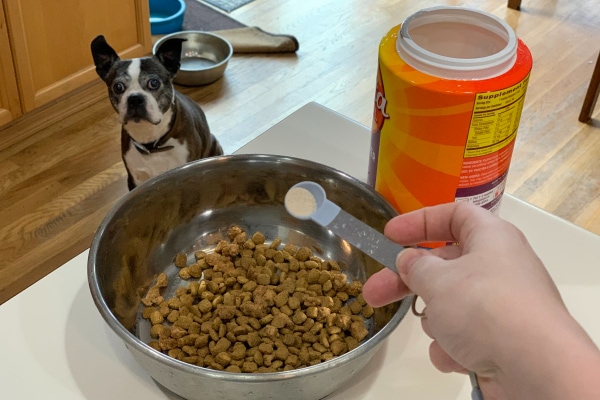
Begin with a small amount of fiber supplement. This helps your dog’s digestive system adapt. Small doses reduce the chance of stomach upset. Follow the package instructions for the initial dose. Mix the supplement well with your dog’s food.
Monitoring Digestive Response
Observe your dog’s bathroom habits and behavior daily. Look for signs like diarrhea or constipation. A healthy response means the fiber is working well. If your dog shows discomfort, pause the supplement. Note any changes and how long they last.
Adjusting Based On Results
Increase the fiber dose slowly based on your observations. Do this only if your dog handles the supplement well. Too much fiber can cause gas or bloating. Adjust the amount until your dog’s digestion improves. Keep the changes gradual and steady for best results.
Potential Side Effects And Precautions
Fiber supplements can help dogs with digestion and overall gut health. Still, using them needs care and attention. Like any supplement, fiber has possible side effects. Knowing these effects helps keep your dog safe and healthy.
Always watch your dog closely when starting fiber supplements. Changes in behavior or health might show if something is wrong. Taking precautions avoids serious issues and makes sure the supplement works well.
Signs Of Overconsumption
Too much fiber can cause problems for your dog. Watch for diarrhea, gas, or bloating. Your dog may also refuse food or act tired. Constipation is another sign, caused by too much fiber without enough water. These signs mean you should cut back on fiber.
Interactions With Medications
Fiber supplements may change how some medicines work. They can reduce the absorption of certain drugs. This lowers the medicine’s effect and can cause health risks. Tell your vet about all supplements and medicines your dog takes. Your vet can adjust doses or suggest safe options.
When To Seek Veterinary Help
Contact a vet if your dog shows severe side effects. These include vomiting, weakness, or loss of appetite. If your dog has trouble breathing or severe diarrhea, get help fast. Early treatment stops problems from getting worse. Your vet can guide you on proper fiber use.
Credit: yumove.co.uk
Frequently Asked Questions
What Are The Best Fiber Supplements For Dogs?
The best fiber supplements for dogs include pumpkin, psyllium husk, and beet pulp. These support digestion and promote healthy bowel movements. Choose supplements based on your dog’s specific needs and consult your vet for proper dosage.
How Do Fiber Supplements Benefit My Dog’s Health?
Fiber supplements improve digestion, regulate bowel movements, and prevent constipation. They also support weight management by promoting fullness. Additionally, fiber helps maintain healthy gut bacteria, boosting your dog’s overall digestive health and wellbeing.
Can Fiber Supplements Help Dogs With Diarrhea?
Yes, fiber supplements can help manage diarrhea by absorbing excess water in the intestines. This firms up stool and supports regular bowel movements. Always consult your vet before starting supplements to ensure safety and proper dosage.
Are Fiber Supplements Safe For All Dog Breeds?
Fiber supplements are generally safe for most dog breeds. However, dosage and type may vary based on size, age, and health conditions. Always consult your veterinarian before introducing fiber supplements to your dog’s diet to avoid complications.
Conclusion
Choosing the right fiber supplement helps your dog’s digestion stay healthy. It supports regular bowel movements and can ease stomach issues. Always check with your vet before starting any supplement. Watch your dog closely to see how they respond. Small changes can make a big difference in your pet’s comfort.
Fiber supplements are a simple step for better health. Remember, a happy gut means a happier dog overall. Take your time finding what works best for your furry friend.